What is Dolomite Used for and How to Choose a Dolomite Grinding Mill?
Introduction
Dolomite, a calcium magnesium carbonate mineral (CaMg(CO3)2), is a versatile and abundant resource with significant industrial importance. Its unique chemical and physical properties make it indispensable across a wide range of sectors. However, unlocking its full potential hinges on one critical process: grinding. The selection of an appropriate grinding mill directly impacts product quality, production efficiency, and operational costs. This article delves into the diverse applications of dolomite and provides a comprehensive guide to selecting the optimal grinding equipment, highlighting advanced solutions from our product portfolio.
Major Applications of Dolomite
The value of dolomite is realized only after it is processed to specific fineness levels, which is where grinding mills play a pivotal role.
1. Construction and Building Materials
As a primary aggregate in concrete and asphalt, dolomite provides strength and durability. When finely ground, it serves as a filler in paints, plastics, and sealants, improving product volume and rheological properties. In the production of magnesium oxychloride cement (Sorel cement), finely ground dolomite is a key ingredient.
2. Agriculture
Agricultural lime, derived from ground dolomite, is crucial for soil conditioning. It neutralizes acidic soils and supplies essential magnesium and calcium nutrients, enhancing crop yield and quality. The effectiveness depends on a fine, uniform particle size for rapid soil reaction.
3. Glass and Ceramics
In glass manufacturing, dolomite acts as a stabilizer and fluxing agent, reducing melting temperature and improving the chemical durability and workability of glass. In ceramics, it is used as a source of magnesium oxide to modify thermal expansion and strength.
4. Steel and Metallurgy
Dolomite is a critical refractory material for lining furnaces and converters due to its high melting point and resistance to basic slags. It is also used as a flux in iron and steelmaking to remove impurities and protect refractory linings.
5. Environmental Applications
Ground dolomite is effective in flue gas desulfurization (FGD) to remove sulfur dioxide from emissions. It is also used in water treatment to adjust pH and precipitate heavy metals.
6. Fillers and Extenders
Ultrafine dolomite powder is a high-quality, cost-effective filler in products like paper, rubber, plastics, and adhesives, enhancing properties such as brightness, stiffness, and weather resistance.
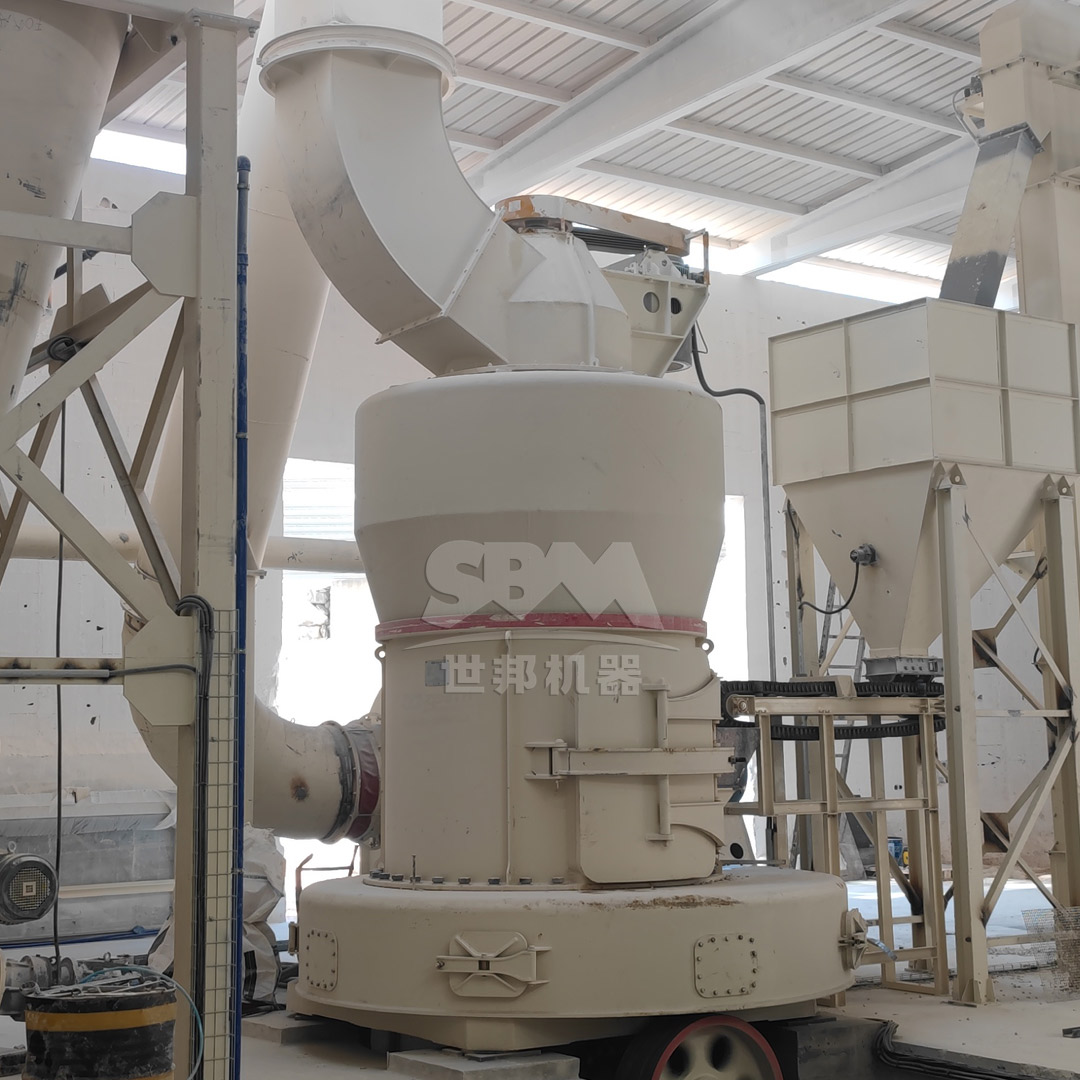
Key Factors in Choosing a Dolomite Grinding Mill
Selecting the right mill requires a careful analysis of several interconnected parameters.
1. Required Product Fineness (Mesh/Microns)
This is the most decisive factor. Applications range from coarse aggregates (several mm) to ultrafine fillers (below 10μm).
Coarse (30-100 mesh / 600-150μm): Agricultural lime, some construction fillers.
Medium (100-325 mesh / 150-45μm): Glass batch, refractories, soil amendment.
Fine to Ultrafine (325-2500+ mesh / 45-5μm): High-performance fillers for plastics/paints, advanced ceramics.
2. Production Capacity (Tons per Hour)
The required throughput must match the mill’s designed capacity. Under-sizing leads to bottlenecks; over-sizing increases capital and energy waste.
3. Feed Material Characteristics
Consider the input size, hardness (Mohs scale of dolomite is 3.5-4), moisture content, and abrasiveness. These affect mill type, wear part design, and whether a drying system is needed.
4. Energy Efficiency
Grinding is energy-intensive. Mills with superior mechanical design and classification efficiency can significantly reduce power consumption per ton of product.
5. System Integration and Footprint
A compact, integrated system (crushing-grinding-classification-collection) saves space and reduces civil engineering costs.
6. Environmental and Operational Considerations
Modern mills must feature efficient dust collection (pulse jet systems), low noise levels, and automated controls for stable, clean, and safe operation.
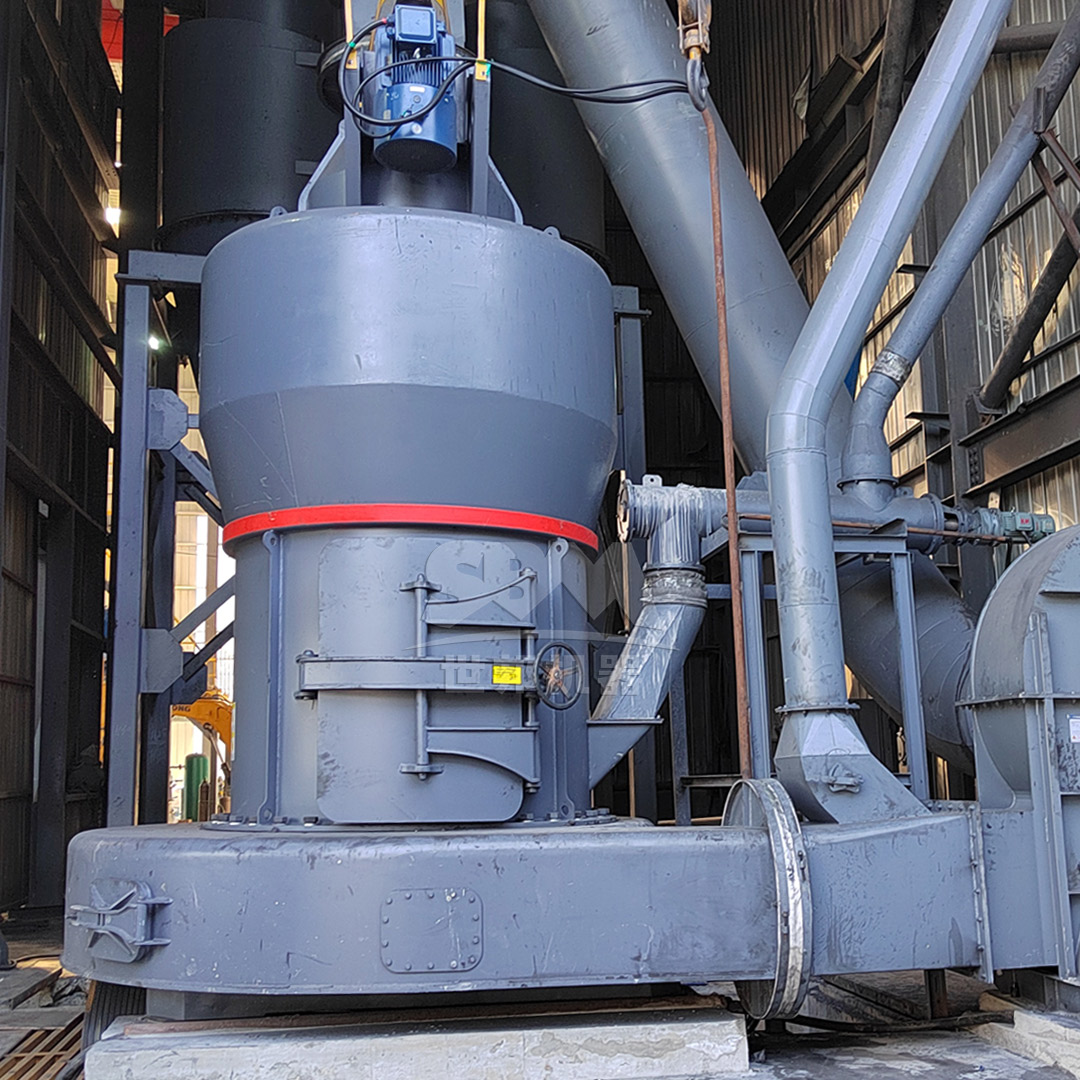
Overview of Common Grinding Mill Types for Dolomite
Different mill technologies are suited for different fineness and capacity ranges.
- Raymond Mill (Pendulum Mill): Suitable for 80-325 mesh. Traditional, cost-effective for medium fineness.
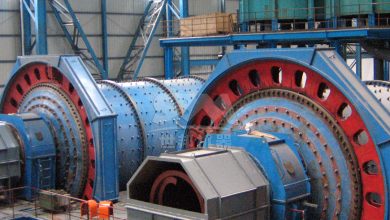
- Ball Mill: Versatile for both wet and dry grinding, typically producing 0.074-0.8mm powder. High energy consumption, suitable for wide particle size distribution.
- Vertical Roller Mill (VRM): Excellent for large-scale production of 30-325 mesh powder. Features high energy efficiency, integrated drying, and low wear rates.
- Ultrafine Grinding Mill: Specialized mills (like ring roller mills with integrated classifiers) for producing 325-2500 mesh ultrafine powder. Essential for high-value-added applications.
Recommended Solutions for Dolomite Grinding
Based on the diverse needs of dolomite processing, we recommend our flagship grinding systems, engineered for performance, reliability, and efficiency.
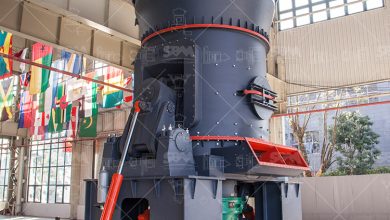
For High-Capacity, Coarse to Medium Fine Grinding (30-325 mesh): The MTW Series European Trapezium Mill
When your project demands high throughput of dolomite powder for applications in agriculture, construction, or glass batch, the MTW Series European Trapezium Mill is an ideal choice. It is designed to handle large feed sizes (up to 50mm) and deliver capacities from 3 to 45 tons per hour.
Why it excels for dolomite:
- Durability & Low Maintenance: Its anti-wear shovel design and wear-resistant volute structure are specifically built to handle the abrasiveness of mineral grinding, significantly reducing maintenance costs.
- Energy Efficiency: The optimized arc air duct and high-efficiency integral bevel gear drive (98% transmission efficiency) ensure lower energy consumption per ton of product.
- Precise Classification: An advanced internal classifier ensures consistent product fineness between 30 and 325 mesh, with minimal oversize particles.
- Eco-friendly Operation: Equipped with a high-efficiency pulse dust collector, it easily meets environmental standards.
For example, the MTW215G model, with a main power of 280kW, can process up to 45 t/h, making it perfect for large-scale dolomite powder plants targeting the construction and steel industries.
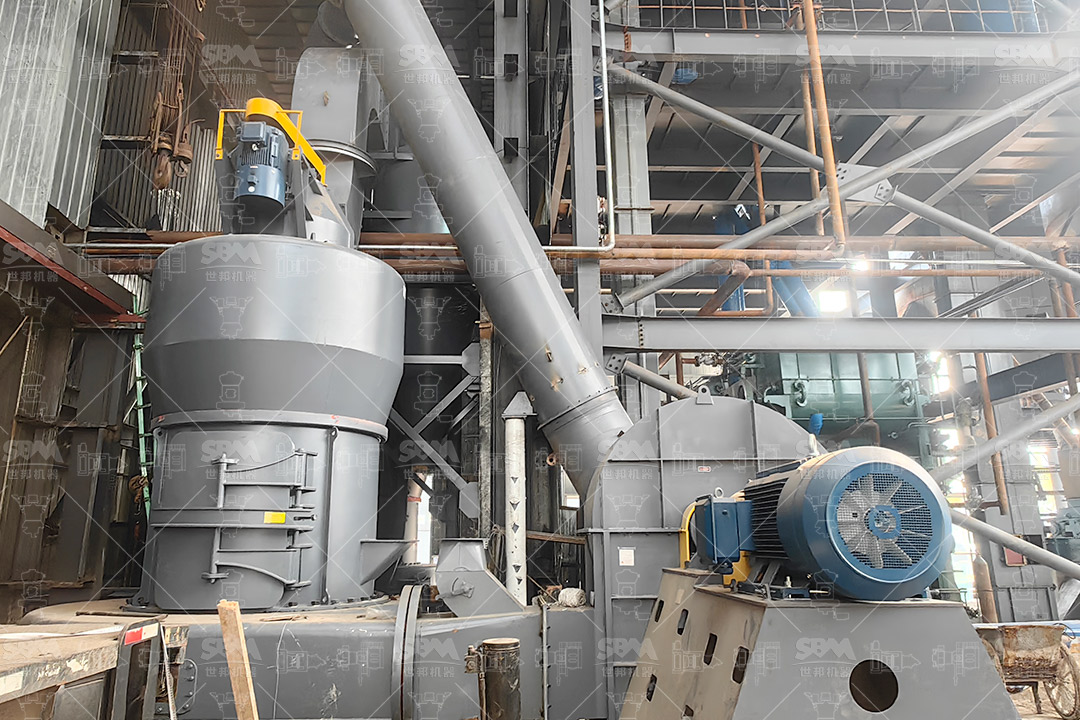
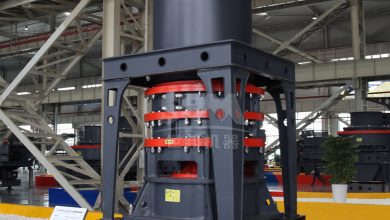
For Producing High-Value Ultrafine Powder (325-2500 mesh): The SCM Series Ultrafine Mill
To tap into the premium markets of plastics, paints, high-grade ceramics, and advanced fillers, producing ultrafine and uniformly sized dolomite powder is mandatory. Our SCM Series Ultrafine Mill is the technological answer for fineness ranging from 325 to 2500 mesh (45-5μm).
Why it is the superior choice for ultrafine dolomite:
- Exceptional Fineness & Uniformity: The high-precision vertical turbine classifier achieves sharp particle size cuts, eliminating coarse powder contamination and ensuring a narrow, consistent size distribution critical for filler performance.
- High Efficiency & Energy Saving: Its grinding mechanism offers capacity twice that of traditional jet mills while consuming 30% less energy. Intelligent control systems with automatic granularity feedback optimize the process in real-time.
- Robust Construction: Special alloy materials for rollers and grinding rings extend service life several times over the industry standard, ensuring long-term operational stability for abrasive materials like dolomite.
- Complete Environmental Protection: The system operates under full negative pressure with a pulse dust collection efficiency exceeding 99.9%, guaranteeing a dust-free workshop.
The SCM1250 model, with a main power of 185kW, offers a capacity range of 2.5-14 t/h for ultrafine products, providing an excellent balance of output and fineness for specialized dolomite processing lines.
Conclusion
The journey from raw dolomite rock to a valuable industrial commodity is defined by the grinding process. A clear understanding of your target application’s fineness and capacity requirements is the first step. For coarse to medium-fine grinding at high tonnages, robust and efficient mills like the MTW Series are paramount. For entering the high-value ultrafine powder market, advanced technology embodied in the SCM Series Ultrafine Mill is non-negotiable. Investing in the right grinding technology is not merely an equipment purchase; it is a strategic decision that determines product quality, operational profitability, and competitive edge in the dynamic dolomite market.