How to Turn Granite Waste into Valuable Resources: What Equipment is Needed?
Introduction: The Challenge and Opportunity of Granite Waste
The global granite industry generates millions of tons of waste annually in the form of quarry dust, slurry, and off-cut fragments. Traditionally viewed as a disposal problem, this material represents a significant untapped resource. With the right processing technology, granite waste can be transformed into high-value products for construction, ceramics, paints, plastics, and even advanced composites. This article outlines a systematic approach to granite waste valorization and details the essential equipment needed for a successful operation.
The Granite Waste Valorization Process: A Step-by-Step Guide
The transformation of granite waste into a marketable product follows a logical sequence, each stage requiring specialized machinery.
Stage 1: Primary Crushing and Size Reduction
Raw granite waste, often containing large slabs or blocks, must first be reduced to a manageable size. A primary jaw crusher or impact crusher is typically employed here to break down the material to a size below 50mm. This step is crucial for preparing the feed for finer grinding equipment.
Stage 2: Secondary Crushing and Coarse Powder Production
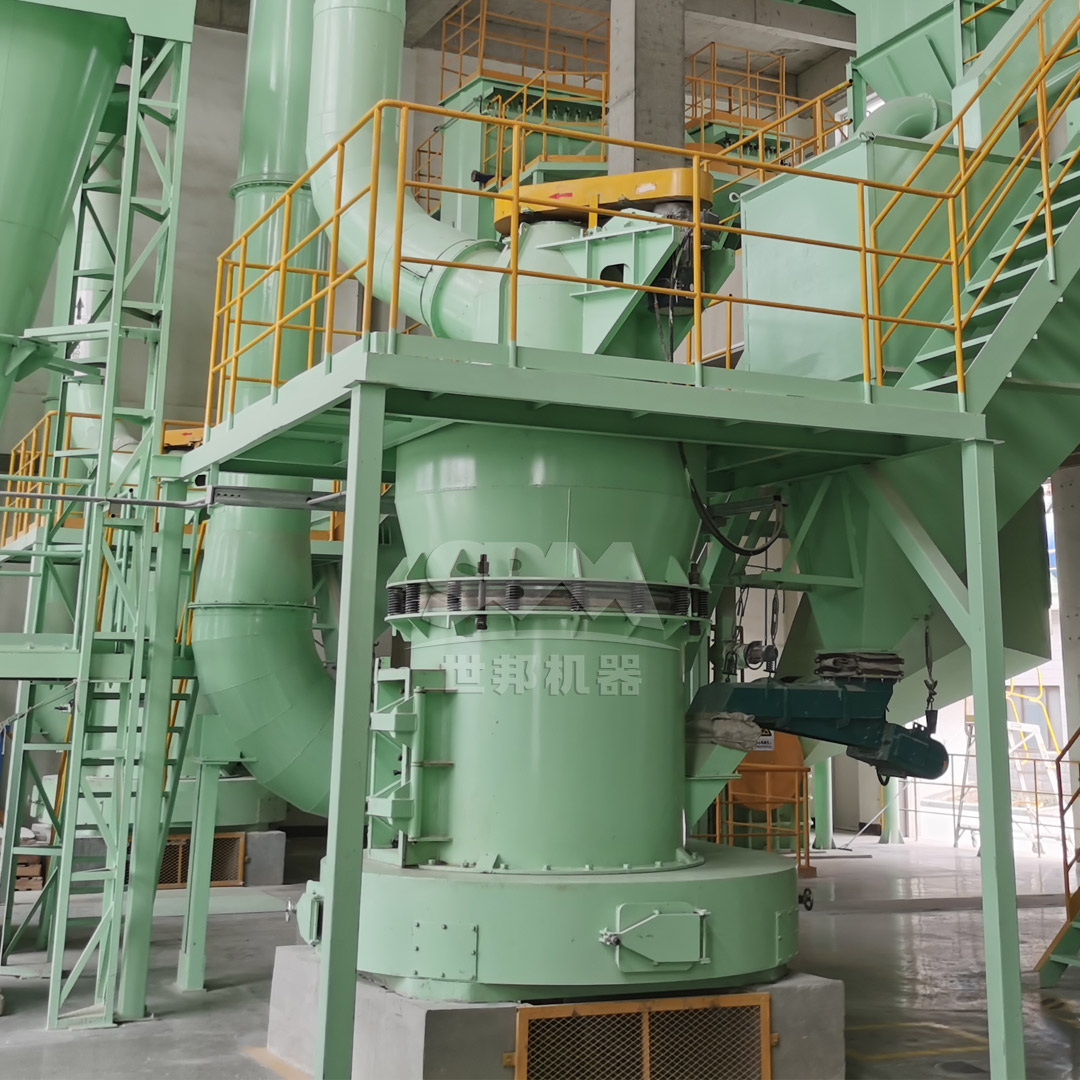
For applications requiring coarser aggregates, such as concrete filler or road base material, a secondary cone crusher or a hammer mill is ideal. For producing finer coarse powders (0-3mm) suitable for landscaping or as a raw feed for ultra-fine mills, a Hammer Mill is exceptionally effective. Its high-speed rotating hammers efficiently pulverize the pre-crushed granite, offering high capacity, stable operation, and a compact footprint. Models like the PC4012-90, with a capacity of 15-40 t/h, are perfectly scaled for waste processing lines.
Stage 3: Fine and Ultra-Fine Grinding – The Core of Value Addition
This is the most critical stage for unlocking high-value applications. The choice of grinding mill determines the fineness, particle shape, and production efficiency of the final powder.
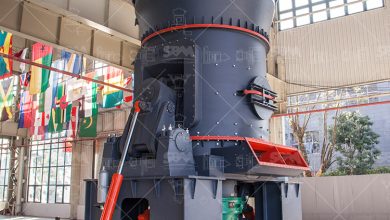
- For Fine Powder (30-325 mesh / 600-45μm): When the target product is a filler for plastics, adhesives, or mid-range construction materials, a robust and efficient grinding system is key. The MTW Series European Trapezium Mill stands out in this category. Its anti-wear shovel design and optimized arc air duct ensure low maintenance costs and high transmission efficiency. With an integral bevel gear drive boasting 98% efficiency and a capacity range of 3-45 ton/h (depending on the model like MTW175G or MTW215G), it provides a reliable and cost-effective solution for producing consistent fine granite powder.
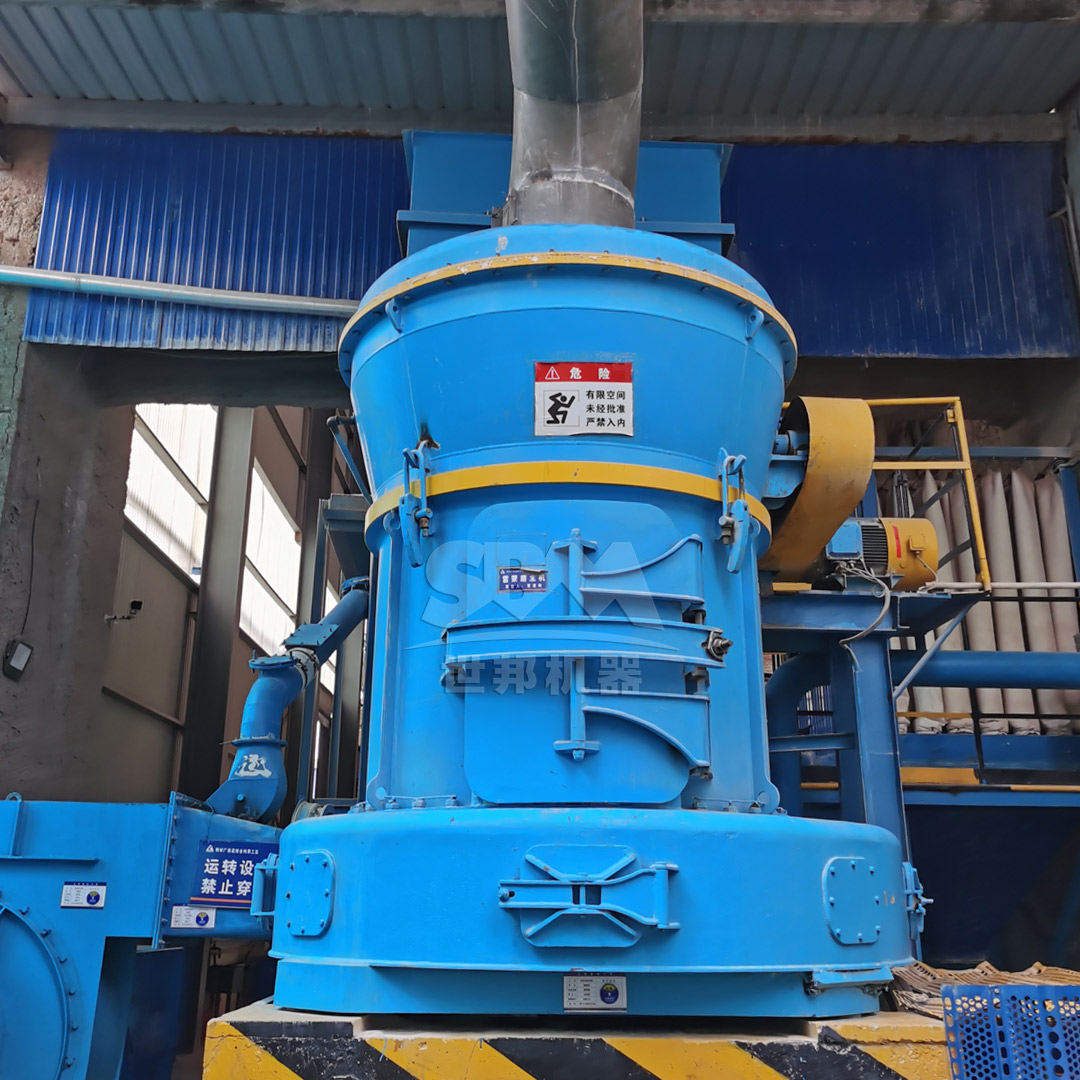
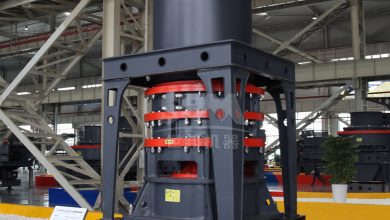
- For Ultra-Fine Powder (325-2500 mesh / 45-5μm): To access premium markets in high-performance polymers, advanced ceramics, or as a substitute for titanium dioxide in paints, ultra-fine grinding is essential. The SCM Series Ultrafine Mill is engineered specifically for this demanding task. It combines high efficiency with energy savings, offering capacity twice that of jet mills while consuming 30% less energy. Its high-precision vertical turbine classifier guarantees a uniform product without coarse powder mixing. For granite waste processing, a model like the SCM1250, with a capacity of 2.5-14 t/h and the ability to produce powder up to 2500 mesh, is an excellent choice to create high-margin products from waste streams.
Stage 4: Classification and Separation
Integrated or standalone air classifiers are used to separate the ground powder into precise size fractions. This allows producers to cater to specific customer requirements, selling different grades at different price points. Modern mills like the SCM and MTW series often feature advanced, integrated classifiers for this purpose.
Stage 5: Dust Collection and Packaging
An efficient pulse-jet baghouse dust collection system is non-negotiable. It ensures a clean working environment, recovers valuable product, and meets environmental regulations. Finally, automated packing systems for bags or bulk silos complete the line, preparing the finished granite powder for shipment.
Key Considerations for Equipment Selection
Choosing the right equipment goes beyond just technical specifications.
- Feed Size and Moisture: Match the primary crusher and feeder to your waste’s initial condition.
- Target Product Fineness and Output: This is the primary driver for selecting between fine (e.g., MTW Mill) and ultra-fine (e.g., SCM Mill) grinding solutions.
- Energy Efficiency: Grinding is energy-intensive. Opt for mills with proven lower specific energy consumption.
- Wear and Maintenance: Granite is abrasive. Equipment with durable, wear-resistant components (like the special material rollers in the SCM mill) will drastically reduce downtime and operating costs.
- System Integration and Automation: A well-designed, automated plant ensures consistent product quality and lower labor costs.
Conclusion: From Environmental Liability to Economic Asset
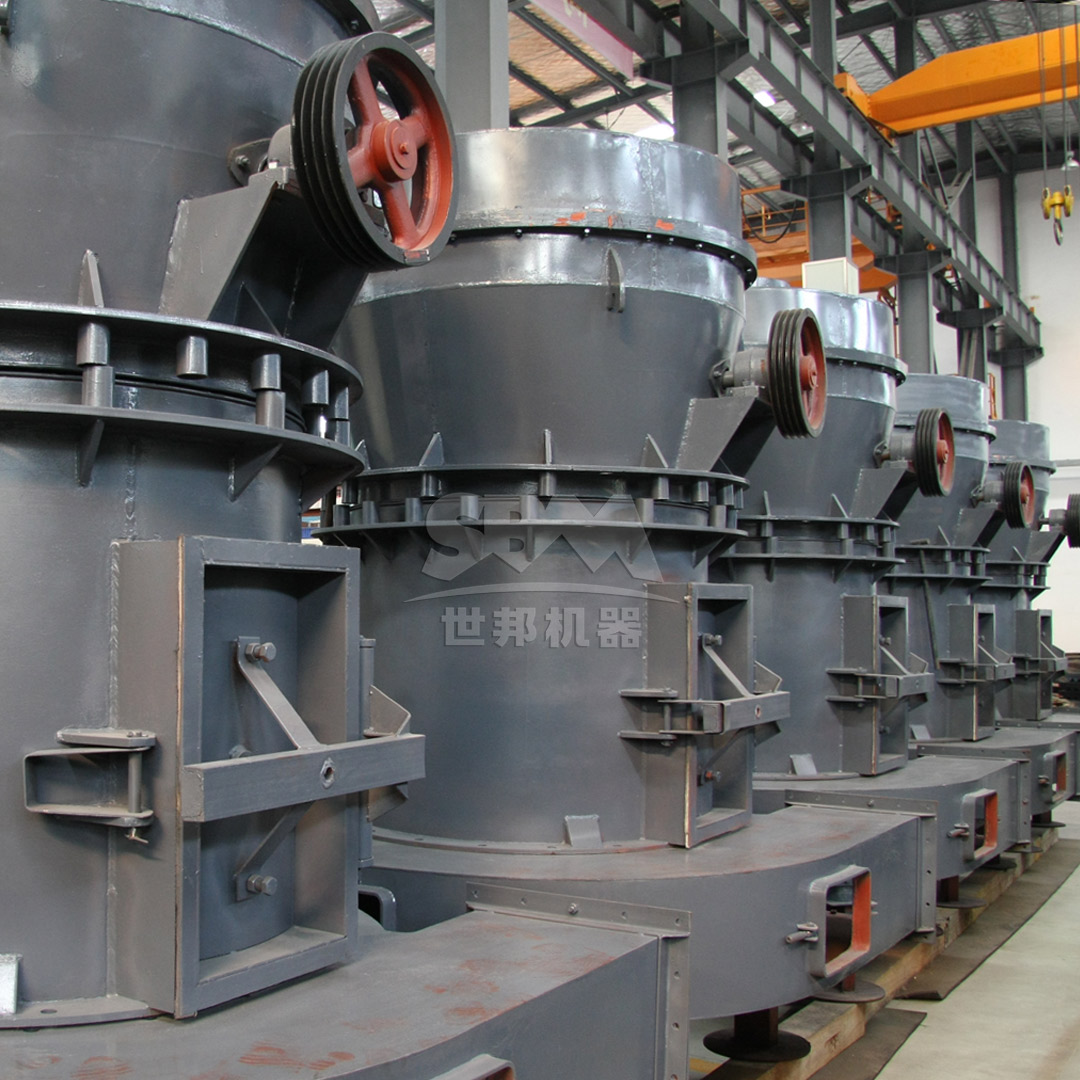
Granite waste is no longer just a cost center for quarries and processors. By implementing a tailored processing line featuring appropriate crushing, and most importantly, advanced grinding technology like the MTW Series European Trapezium Mill for fine powders or the SCM Series Ultrafine Mill for high-end applications, this inert material can be converted into a profitable, sustainable resource. Investing in the right equipment is the fundamental step in building a circular economy model for the granite industry, turning an environmental challenge into a significant competitive advantage.