What Can Metallurgical Coke Powder Be Used for After Grinding?
Introduction: Unlocking the Value of a By-Product
Metallurgical coke, a cornerstone of the iron and steel industry, is traditionally valued for its structural strength and carbon content in blast furnace operations. However, a significant portion of coke is generated as fines or powder during production, handling, and transportation. Historically viewed as a low-value by-product or even a waste material, ground metallurgical coke powder is now recognized as a versatile resource with applications spanning multiple industries. The key to unlocking this value lies in efficient and precise grinding technology, which transforms coarse coke into a high-quality, consistent powder. This article explores the diverse applications of ground metallurgical coke powder and highlights the critical role of advanced milling equipment in this value-addition process.
1. Primary Applications in Metallurgy and Foundries
Even in powdered form, coke’s core properties—high fixed carbon, low ash, and excellent calorific value—remain highly sought after.
1.1 Carburizing Agent in Steelmaking and Cast Iron Production
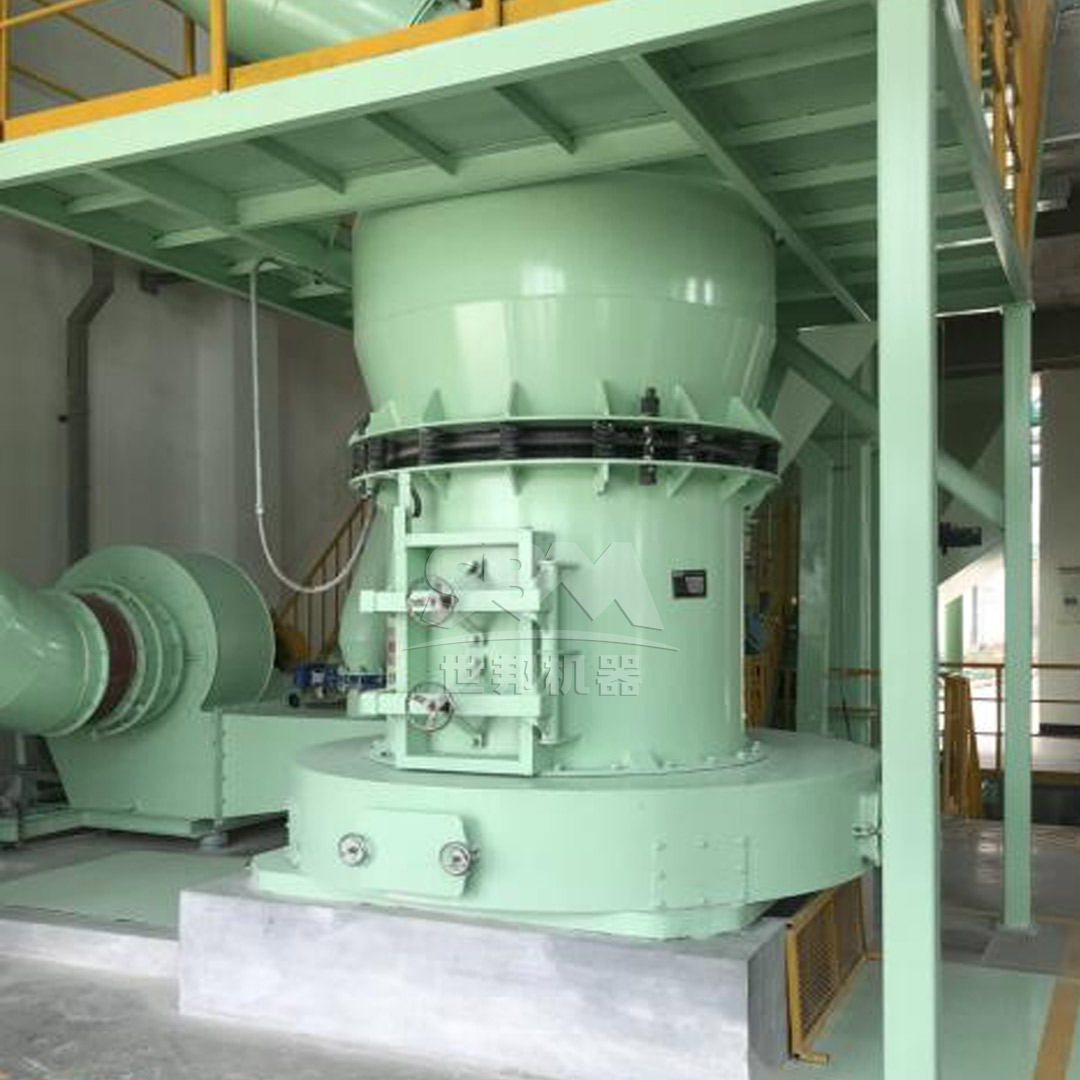
Finely ground coke powder is an excellent carburizing agent. In electric arc furnaces (EAF) and induction furnaces, it is added to molten iron to increase the carbon content, a critical step in producing various grades of steel and cast iron. The high surface area of the powder ensures rapid dissolution and homogeneous carbon distribution within the melt. For this application, a consistent fineness, typically in the range of 100-325 mesh (150-45μm), is crucial for predictable reaction kinetics and yield.
1.2 Recarburizer in Ductile Iron Production
The production of ductile (nodular) iron requires precise post-inoculation carbon adjustment. High-purity metallurgical coke powder, ground to ultrafine levels (often 200 mesh and finer), serves as a superior recarburizer. Its low sulfur and nitrogen content is particularly advantageous, as it minimizes the risk of undesirable inclusions and gas defects in the final casting.
1.3 Insulating Covering for Molten Metal
A layer of coke powder floated on the surface of molten metal in ladles or furnaces acts as an effective insulating blanket. It reduces heat loss, minimizes oxidation (by creating a reducing atmosphere), and helps maintain optimal temperature during tapping, transfer, and holding operations.
2. Applications in Carbon and Graphite Products
The carbon matrix of coke powder makes it a fundamental raw material for advanced carbon-based materials.
2.1 Production of Carbon Anodes and Cathodes
In the aluminum smelting industry, carbon anodes are consumed during the electrolytic reduction of alumina. Ground coke (often calcined) is a primary filler material in the anode paste. The particle size distribution, controlled through precise grinding and classification, directly impacts the anode’s density, electrical conductivity, and consumption rate during electrolysis.
2.2 Manufacture of Carbon Brushes and Electrodes
For carbon brushes used in electric motors and generators, as well as for various specialty electrodes, coke powder is blended with binders like pitch and graphitized. The fineness and purity of the powder influence the product’s mechanical strength, electrical properties, and wear resistance.
2.3 Additive in Refractory Materials
Adding coke powder to magnesia-carbon and alumina-carbon refractories enhances their thermal shock resistance, slag corrosion resistance, and overall durability in harsh environments like steel ladles and converters. The powder fills pores and creates a carbon network that improves the refractory’s performance.
3. Chemical and Industrial Process Applications
Beyond metallurgy, coke powder serves as a carbon source and reducing agent in chemical processes.
3.1 Reducing Agent in Ferroalloy and Silicon Production
Submerged arc furnaces used to produce ferroalloys (ferrosilicon, ferromanganese) and silicon metal require a carbonaceous reducing agent. Coke powder, due to its high reactivity when finely ground, is an efficient and cost-effective choice, facilitating the reduction of metal oxides.
3.2 Fuel and Feedstock for Gasification
Ground coke powder can be used in entrained-flow gasifiers to produce synthesis gas (syngas—a mixture of CO and H₂). The high surface area of the powder allows for rapid and complete gasification reactions. Syngas is a crucial feedstock for producing chemicals like ammonia, methanol, and synthetic fuels.
3.3 Filter Media and Adsorbent
Activated or unactivated coke powder can be used in water and wastewater treatment as a filter media or adsorbent for removing organic contaminants, chlorine, and heavy metals. Its porous structure provides a high surface area for adsorption.
4. The Critical Role of Grinding Technology
The suitability of coke powder for any of the above applications is fundamentally determined by the grinding process. Key powder characteristics include:
- Particle Size Distribution (PSD): Consistency is vital. A narrow PSD ensures predictable behavior in chemical reactions and uniform packing in composite materials.
- Fineness: Different applications demand different fineness levels, from coarse (30-100 mesh) for insulation to superfine (2500 mesh) for high-performance recarburizers.
- Contamination: The grinding system must introduce minimal iron or other contaminants to maintain coke’s purity.
- Energy Efficiency: Grinding is energy-intensive. Efficient mills are essential for economic viability.
4.1 Recommended Grinding Solutions for Coke Powder
Selecting the right mill depends on the target fineness, required capacity, and desired particle shape. For most metallurgical coke grinding applications, two of our flagship series offer optimal solutions:
For High-Capacity, Coarse to Medium-Fine Grinding (30-325 mesh): The MTW Series European Trapezium Mill
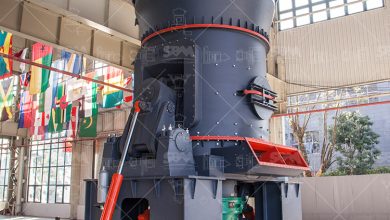
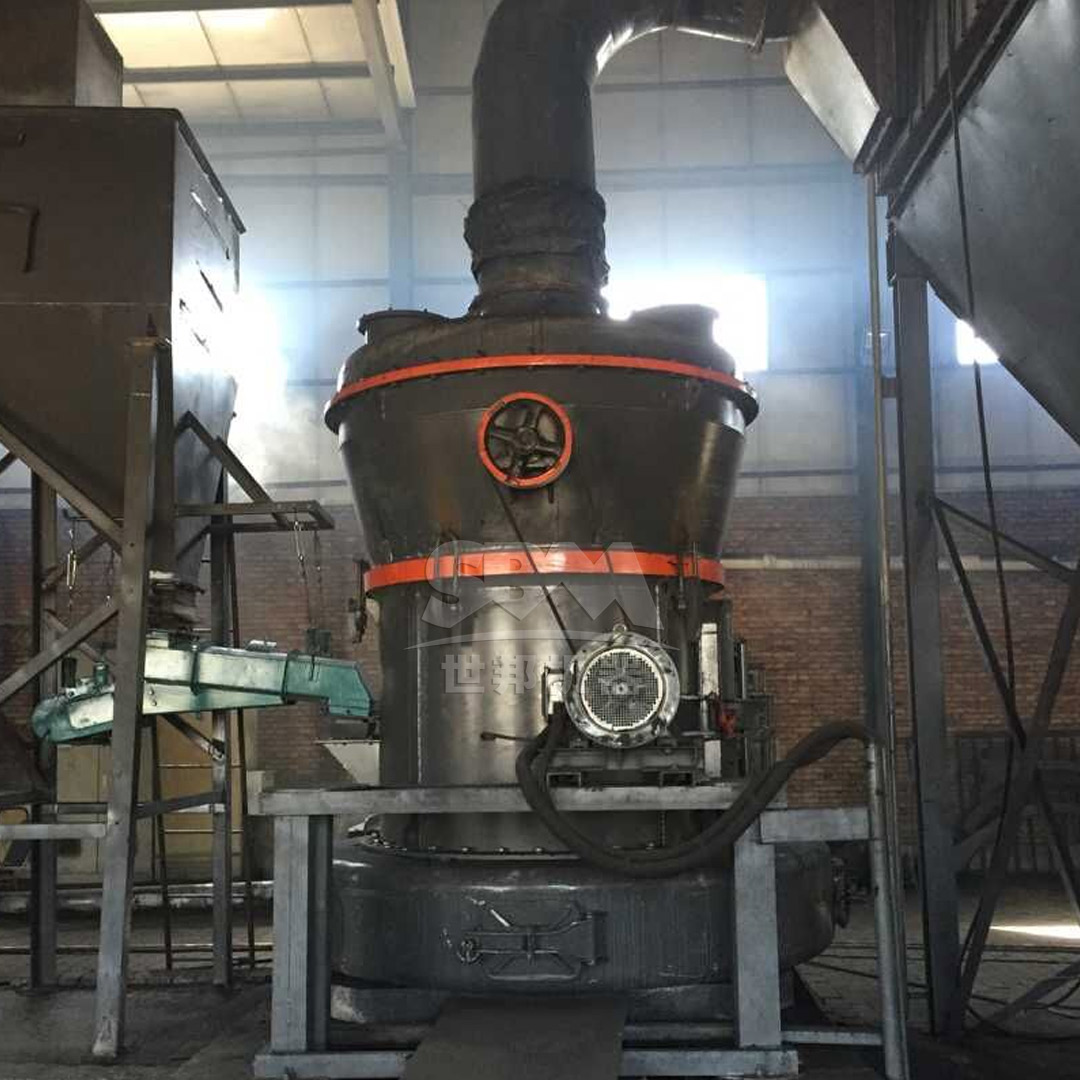
When the application requires significant volumes of powder in the 30 to 325 mesh range—such as for carburizing, gasification feedstock, or refractory additives—the MTW Series European Trapezium Mill is the ideal workhorse. Its robust design handles feed sizes up to 50mm and delivers capacities from 3 to 45 tons per hour. Key advantages for coke processing include its anti-wear shovel design and wear-resistant volute structure, which drastically reduce maintenance costs when processing abrasive materials. The optimized arc air duct and integral bevel gear drive (98% transmission efficiency) ensure the process remains energy-efficient even at high outputs. For example, the MTW215G model, with a capacity of 15-45 t/h, is perfectly suited for large-scale production of coke powder for blast furnace injection or bulk chemical feedstock.
For Superfine and Ultrafine Grinding (325-2500 mesh): The SCM Series Ultrafine Mill
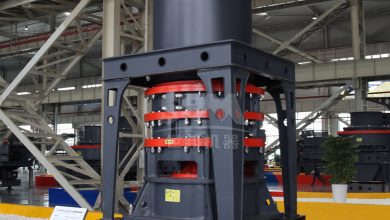
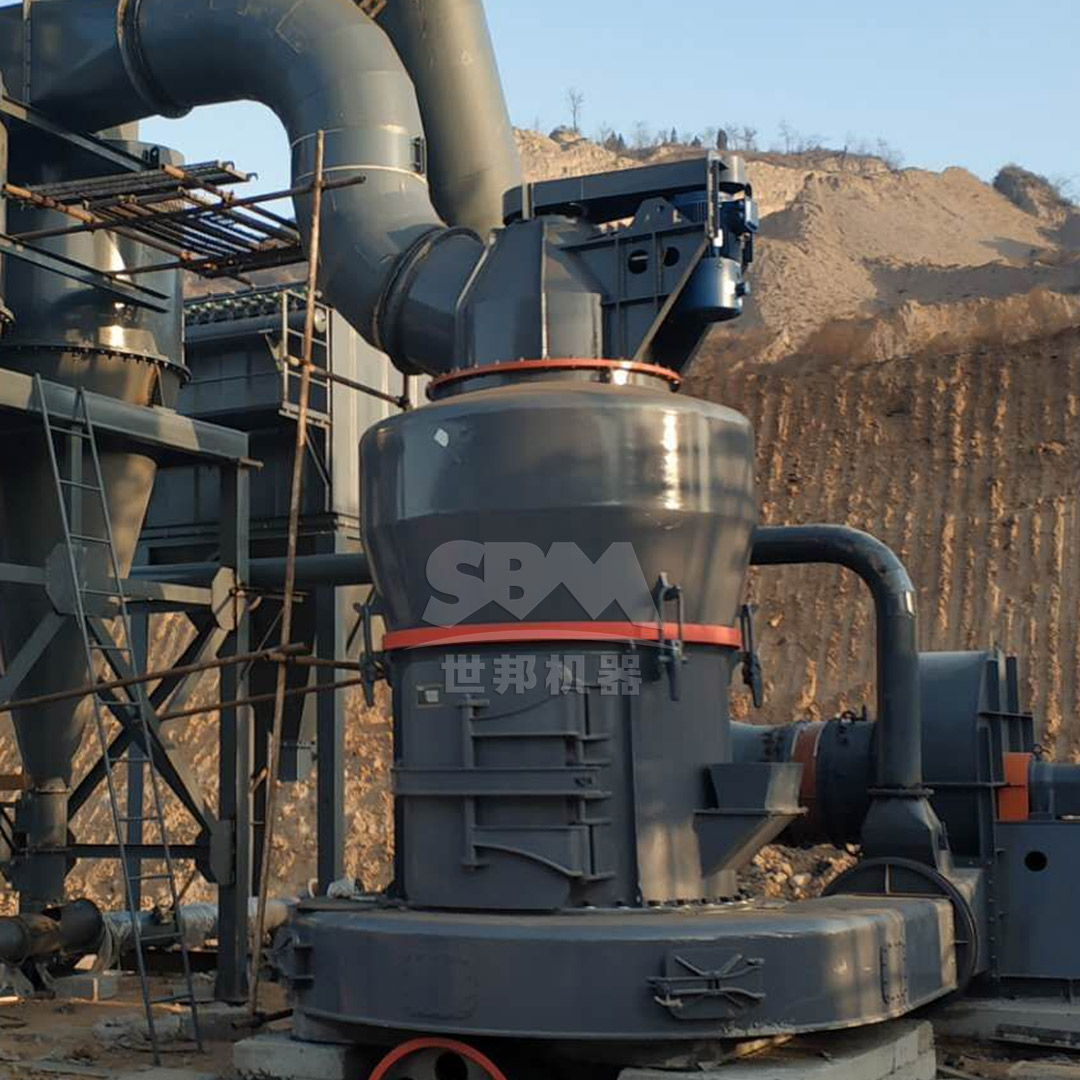
For high-value applications demanding ultrafine powders, such as premium recarburizers for ductile iron or specialized carbon products, the SCM Series Ultrafine Mill excels. It can produce powders from 325 to 2500 mesh (45-5μm) with exceptional uniformity. Its high-precision vertical turbine classifier ensures no coarse particles are mixed into the final product, guaranteeing batch-to-batch consistency. The mill is also designed for durability with special material rollers and rings and operates within an eco-friendly, low-noise system featuring pulse dust collection exceeding international standards. A model like the SCM1000, offering 1.0-8.5 t/h capacity at these extreme fineness levels, provides an efficient solution for producing premium-grade coke powder where superior quality commands a higher market price.
5. Conclusion: From By-Product to Strategic Resource
Metallurgical coke powder is no longer mere waste. Through modern grinding technology, it is transformed into a valuable commodity with critical functions in metallurgy, carbon product manufacturing, and chemical processes. Its role as a carburizer, recarburizer, reducing agent, and filler material underscores its importance in industrial sustainability and circular economy practices. The economic and technical viability of these applications is intrinsically linked to the capability of the grinding equipment to deliver powder with precise, consistent characteristics at an efficient operating cost. By investing in advanced milling systems like the MTW Series for high-volume medium-fine grinding or the SCM Series for high-value ultrafine production, processors can fully unlock the latent potential of metallurgical coke powder, turning a by-product into a significant source of revenue and operational efficiency.