Applications of Petroleum Coke Mechanical Grinding Processed Products in Industry
Introduction: The Strategic Value of Processed Petroleum Coke
Petroleum coke (petcoke), a carbon-rich solid by-product of oil refining, has evolved from a mere industrial residue to a strategic raw material across multiple sectors. Its inherent high carbon content, low ash, and high calorific value make it a valuable commodity. However, the raw, unprocessed form of petcoke presents significant challenges in handling, combustion efficiency, and application specificity. Mechanical grinding, therefore, is not merely a size reduction process but a critical value-adding technology that unlocks the full potential of petroleum coke. By precisely controlling particle size distribution, fineness, and surface area, grinding transforms bulk petcoke into specialized powders with tailored properties for demanding industrial applications. This article explores the diverse industrial applications of mechanically ground petroleum coke and examines the advanced milling technologies that enable its efficient processing.
Key Industrial Applications of Ground Petroleum Coke
1. Fuel and Energy Generation
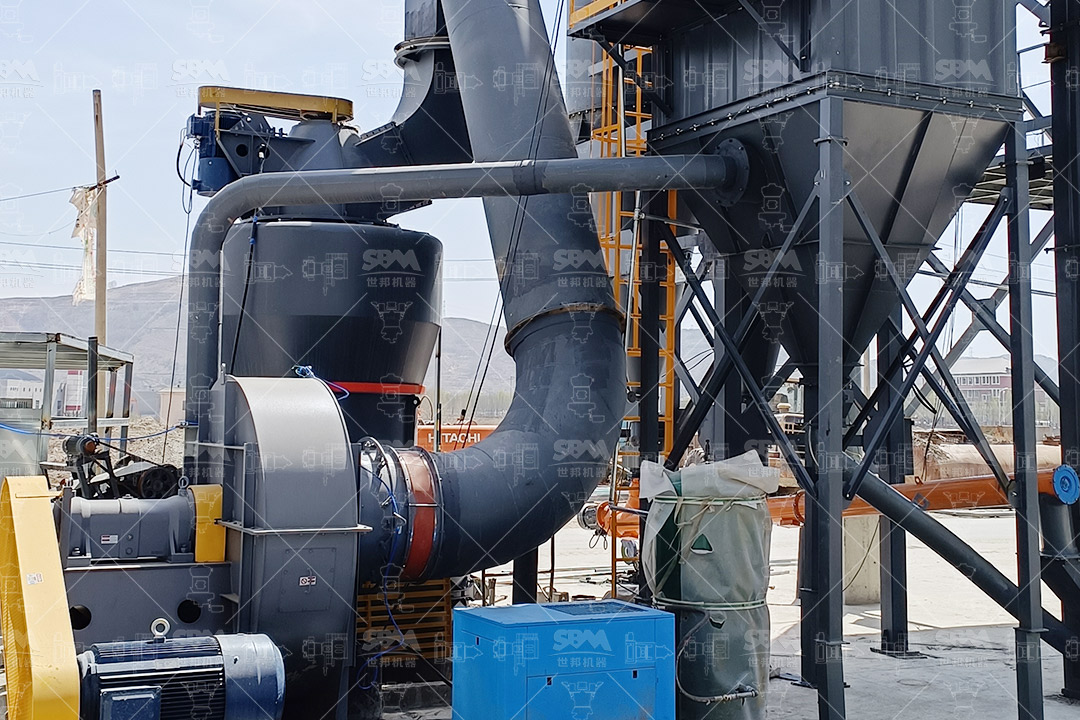
Ground petroleum coke serves as a high-energy fuel supplement or primary fuel in energy-intensive industries. Its primary application is in cement kilns and power plants.
- Cement Industry: Finely ground petcoke (typically 90% passing 90 microns) is injected into the high-temperature burning zone of rotary kilns. Its high fixed carbon content provides a stable, intense flame, crucial for clinker formation. Compared to coal, it offers a higher calorific value (~8,000 kcal/kg), reducing specific fuel consumption. The consistent fineness achieved by advanced mills ensures complete and efficient combustion, minimizing unburned carbon and optimizing kiln thermal profile.
- Power Generation: In pulverized fuel-fired boilers, petcoke is ground to a fineness similar to pulverized coal (70-80% passing 75 microns). This fine powder ensures efficient suspension burning, maximizing heat release and minimizing slagging. The ability to blend ground petcoke with coal allows power plants to manage fuel costs and emissions profiles flexibly.
2. Carbon Anode Production for Aluminum Smelting
This is one of the most critical and quality-sensitive applications. Calcined petroleum coke (CPC) must be ground and classified to a precisely controlled particle size distribution for use in manufacturing carbon anodes. These anodes are consumed in the Hall-Héroult process for aluminum production.
- Particle Size Distribution (PSD) Criticality: The PSD of ground CPC directly impacts anode density, strength, electrical conductivity, and reactivity. A bimodal or trimodal distribution of coarse, medium, and fine particles is essential to achieve optimal packing density. Coarse fractions (e.g., -4mm to +250μm) provide structural skeleton, medium fractions fill voids, and ultrafine fractions (e.g., -75μm) act as a binder matrix when mixed with pitch.
- Process Requirements: The grinding circuit for anode-grade coke often involves multiple stages: primary crushing, secondary grinding, and precise air classification. The final product requires stringent control over the content of ultra-fines (-20μm), as excessive fines can increase pitch demand and anode porosity.
3. Graphitization and Specialty Carbon Products
Needle coke, a premium grade of petcoke, is ground and then graphitized at extreme temperatures (up to 3000°C) to produce synthetic graphite.
- Graphite Electrodes: Used in electric arc furnace (EAF) steelmaking, these electrodes require raw material coke ground to specific sizes before mixing and forming. The consistency of the ground coke affects the electrode’s thermal shock resistance, electrical conductivity, and mechanical strength.
- Carbon Additives: Ground petcoke, particularly calcined or graphitized varieties, is used as a carbon raiser in steelmaking to adjust the carbon content of molten steel. Fine, uniformly sized powder ensures rapid dissolution and predictable recovery rates.
- Advanced Materials: Ultrafine or nano-ground petroleum coke is a precursor for advanced carbon materials like carbon foams, composites, and certain types of graphene-related materials, where particle size and purity are paramount.
Technological Imperatives in Petroleum Coke Grinding
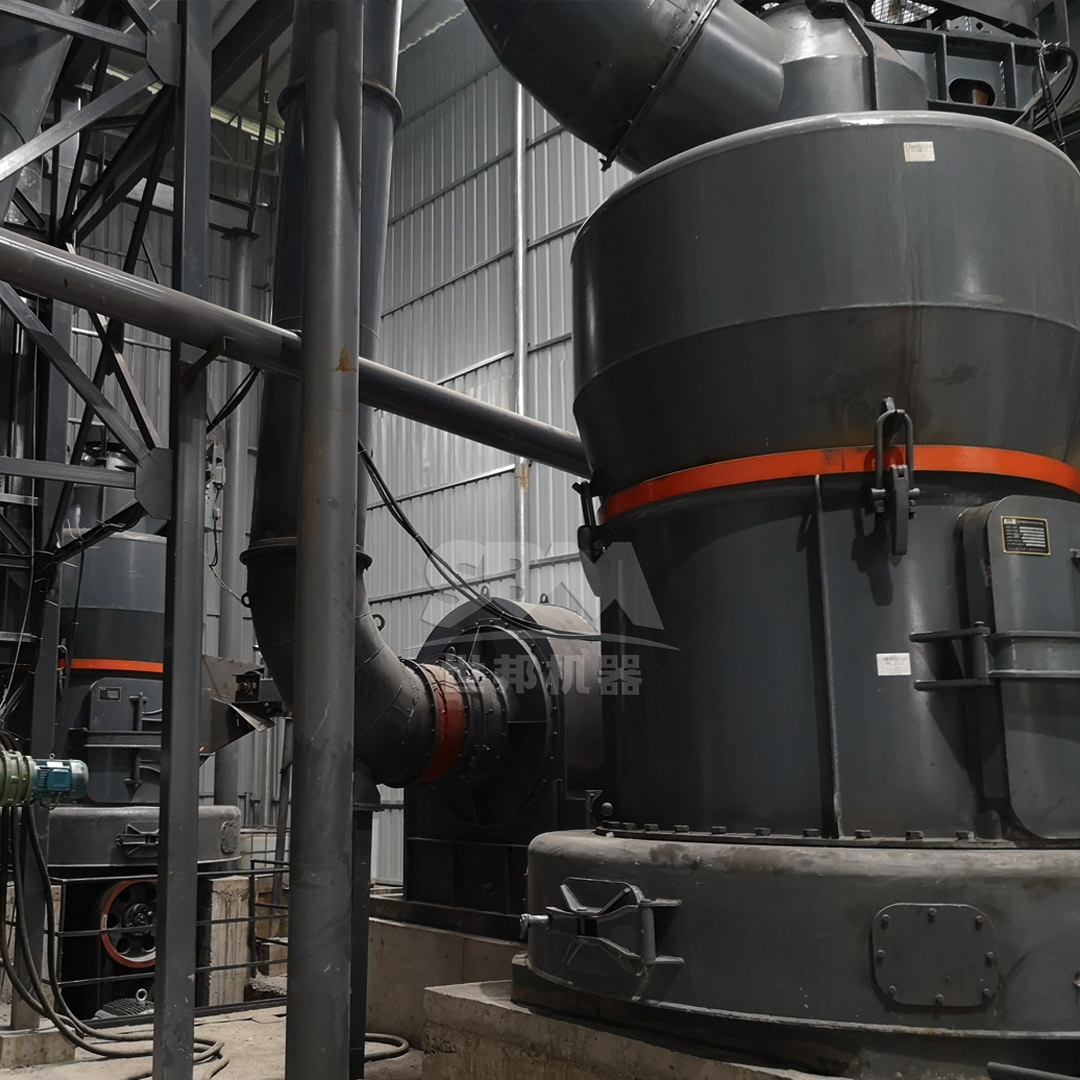
The processing of petroleum coke presents unique challenges that demand robust and sophisticated milling solutions:
- Abrasive Nature: Petcoke, especially calcined coke, is highly abrasive, causing severe wear on grinding components.
- Moisture & Volatiles: Raw (green) coke can have variable moisture and volatile matter content, affecting grindability and flow.
- Product Fineness Spectrum: Applications range from coarse fuel grinding (45-325 mesh) to ultra-fine classifications for advanced materials (2500 mesh and beyond).
- System Efficiency & Cleanliness: High-capacity, energy-efficient operation with fully enclosed, dust-free collection is mandatory for modern plants.
Advanced Milling Solutions for Optimal Processing
Selecting the right grinding technology is crucial for economic and product quality outcomes. Two highly effective solutions for different stages and fineness requirements in petcoke processing are highlighted below.
For High-Capacity, Coarse to Medium-Fine Grinding: The MTW Series European Trapezium Mill
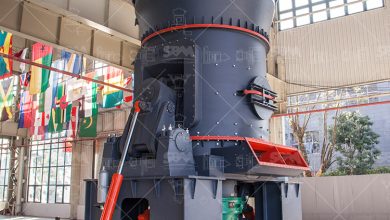
For primary or secondary grinding of petroleum coke to fineness levels between 30-325 mesh (600-45μm), such as for fuel preparation or the coarse fraction for anode paste, the MTW Series European Trapezium Mill stands out. Its design directly addresses the challenges of abrasive materials. The anti-wear shovel design with combined, curved blades significantly reduces wear-part replacement costs and downtime. The integral bevel gear drive provides a remarkable 98% transmission efficiency, translating directly to lower energy consumption per ton of product—a critical factor in cost-sensitive applications like fuel grinding. Furthermore, its wear-resistant volute structure and optimized arc air duct ensure stable airflow and efficient classification, maintaining consistent product size even as components experience wear. Models like the MTW215G, with a capacity of 15-45 tons per hour and the ability to handle feed sizes up to 50mm, are ideally suited for large-scale cement plant or power station fuel preparation circuits.
For Ultra-Fine and High-Value Product Grinding: The SCM Series Ultrafine Mill
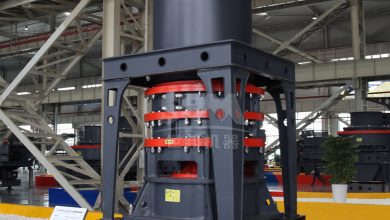
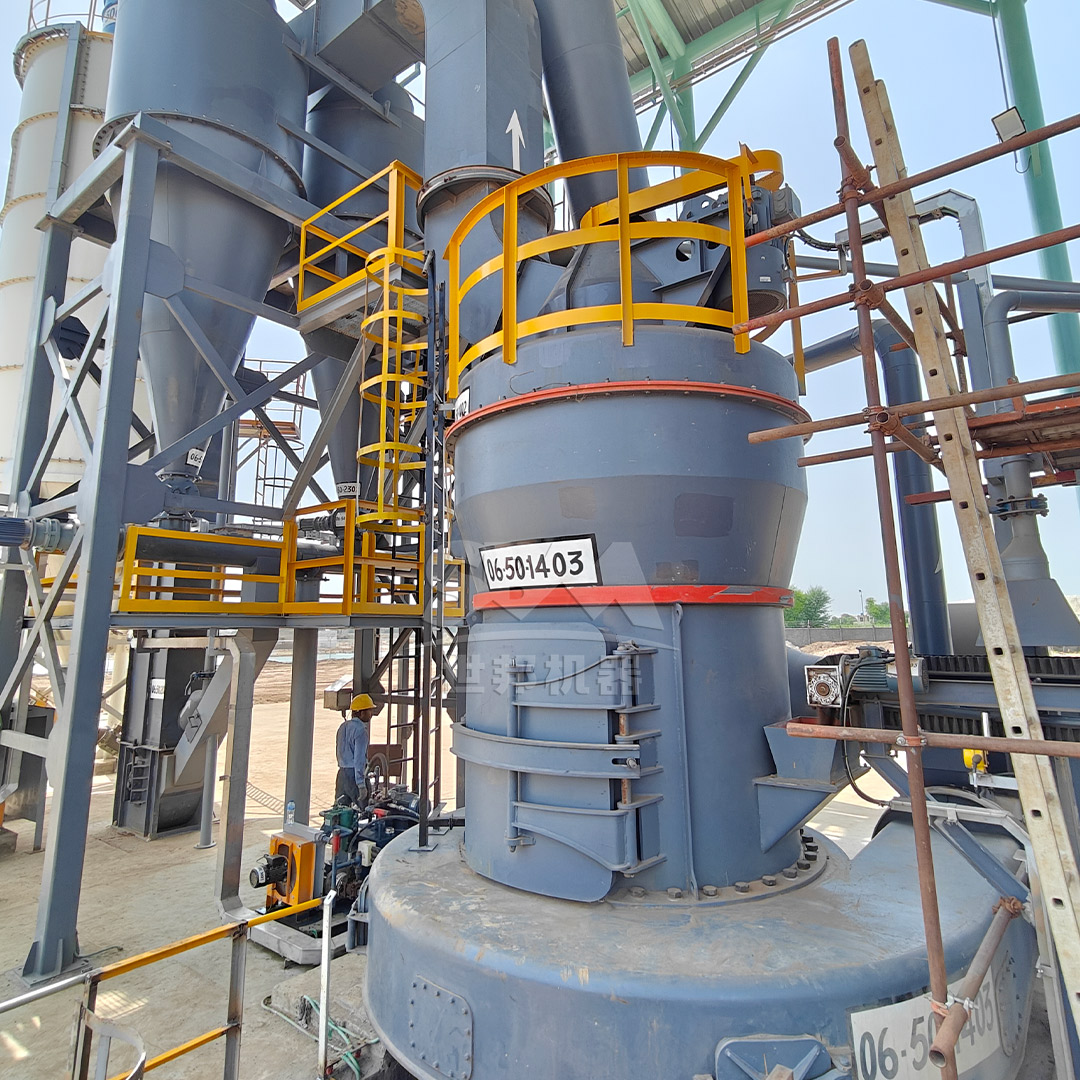
When the application demands ultra-fine powders (325-2500 mesh / 45-5μm) for high-value sectors such as specialty carbon products, advanced composites, or precise anode fines, the SCM Series Ultrafine Mill is the technology of choice. This mill excels in producing finely-tuned, uniform powders. Its core advantage lies in the high-precision vertical turbine classifier, which ensures sharp particle size cuts and eliminates coarse powder contamination, delivering a product with exceptional consistency. For processing abrasive calcined coke, its durable design featuring special material rollers and rings extends service life severalfold compared to conventional mills, protecting operational economics. The high efficiency & energy-saving profile, offering double the capacity of jet mills with 30% lower energy consumption, makes it a sustainable and cost-effective solution for fine grinding. The fully enclosed system with pulse dust collection exceeding 99.9% efficiency guarantees an environmentally clean operation. For anode plants needing precisely controlled ultrafine fractions or for producers of carbon additive powders, the SCM1250 model, offering 2.5-14 t/h capacity down to 2500 mesh, represents a perfect balance of output, fineness, and reliability.
Conclusion
The mechanical grinding of petroleum coke is a transformative industrial process that bridges the gap between a raw carbonaceous material and a suite of high-performance industrial products. From fueling the world’s cement and power industries to forming the backbone of aluminum production and advanced materials, ground petcoke’s role is indispensable. The efficiency, product quality, and profitability of these applications are intrinsically linked to the capabilities of the grinding equipment employed. Advanced, purpose-built mills like the MTW Series for robust, high-volume grinding and the SCM Series Ultrafine Mill for precision fine grinding are not just tools but enablers of innovation and competitiveness in the global market. By investing in the right grinding technology, industries can fully harness the value of petroleum coke, achieving superior product specifications, operational efficiency, and environmental compliance.