Can Raymond Mill Grind Silica Powder?
Introduction: The Silica Grinding Challenge
Silica powder, derived from quartz or silicon dioxide (SiO2), is a cornerstone material in numerous industries, from glass and ceramics to electronics and construction. Its processing demands are stringent, requiring precise control over particle size distribution, purity, and production efficiency. A common question among processors is whether the classic Raymond mill, a workhorse in mineral grinding for decades, is suitable for this task. The answer is nuanced: while traditional Raymond-style mills can handle silica, modern technological evolution has produced far superior solutions specifically engineered to overcome silica’s inherent challenges—high hardness (7 on the Mohs scale) and significant abrasiveness.
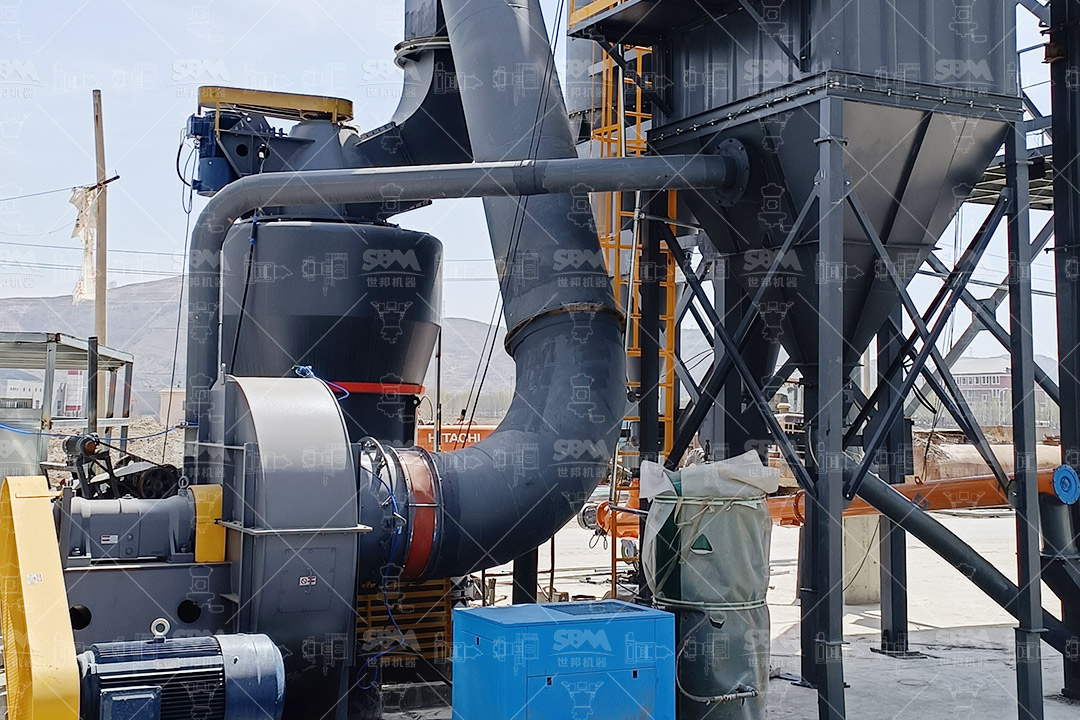
Limitations of Traditional Raymond Mills for Silica
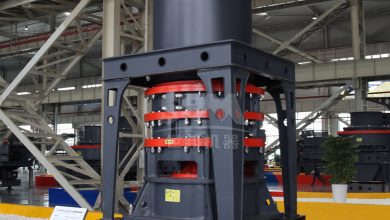
Conventional Raymond mills (often categorized as medium-speed trapezium mills) operate on a roller-spring grinding principle. For silica, this design presents several drawbacks:
- High Wear Rates: The direct contact between grinding rollers and the silica-laden bed leads to rapid wear of grinding components, increasing maintenance frequency and cost.
- Limited Fineness Range: Achieving consistently fine powder (e.g., above 325 mesh or 45μm) can be challenging, with a higher risk of coarse particle contamination.
- Energy Inefficiency at High Fineness: Grinding hard, abrasive silica to fine sizes demands considerable energy, and traditional designs are not optimized for the lowest specific energy consumption in these ranges.
- Product Contamination: Wear debris from metal components can introduce impurities into the high-purity silica product.
Therefore, while a basic Raymond mill might process coarse silica sand, it is not the optimal choice for producing high-quality, fine, and ultra-fine silica powder efficiently and economically.
The Modern Solution: Advanced Milling Systems for Silica
The industry has moved beyond the limitations of early designs. Today’s advanced milling systems incorporate superior wear resistance, precise classification, and intelligent control to master silica grinding. Two primary technological paths have emerged for different product specifications: high-capacity fine grinding and ultra-fine powder production.
1. For High-Capacity Fine Silica Powder (30-325 mesh)
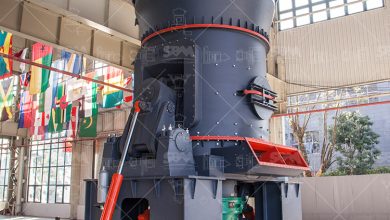
When the requirement is for substantial tonnage of fine silica powder in the 30 to 325 mesh range (600-45μm), such as for foundry sand, filler applications, or cementitious materials, the MTW Series European Trapezium Mill represents a significant leap forward from traditional Raymond mills.
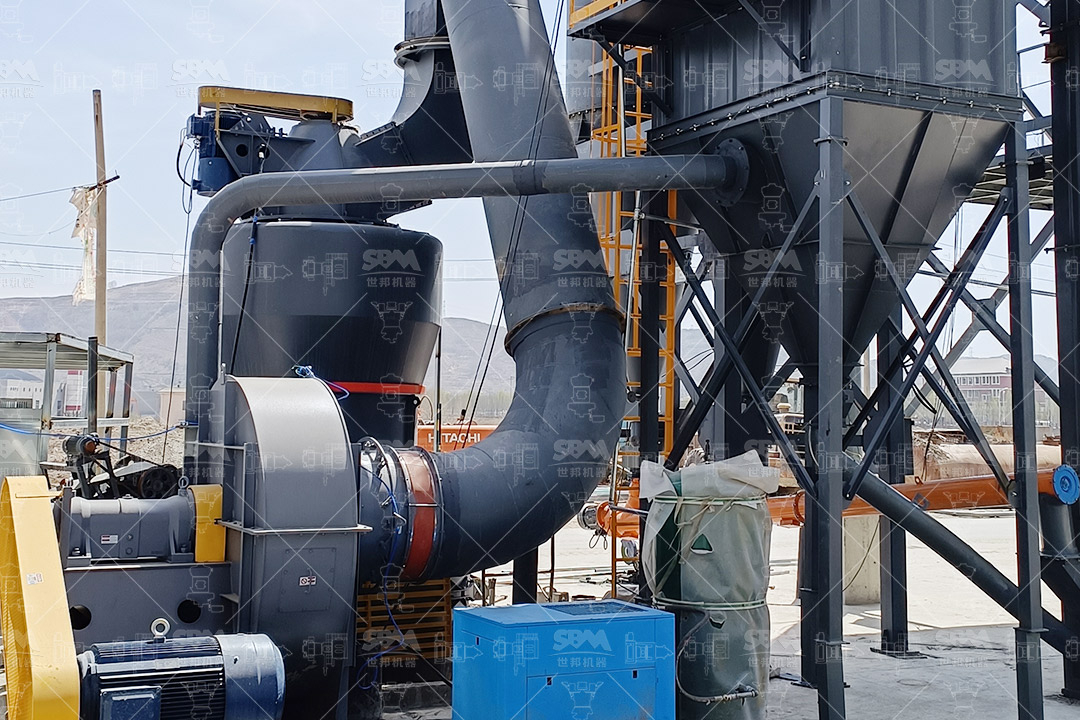
This mill retains the robust roller-ring grinding concept but enhances it with critical European-derived technologies. Its curved shovel blade design and wear-resistant volute structure are specifically beneficial for abrasive materials like silica, reducing maintenance costs by up to 30%. The integral bevel gear drive achieves 98% transmission efficiency, translating directly to energy savings. Most importantly, its advanced internal classification system ensures a tight particle size distribution without coarse tails, which is crucial for consistent product quality in silica applications. With capacities ranging from 3 to 45 tons per hour, it is an ideal workhorse for large-scale silica fine powder production.
2. For Premium Ultra-Fine Silica Powder (325-2500 mesh)
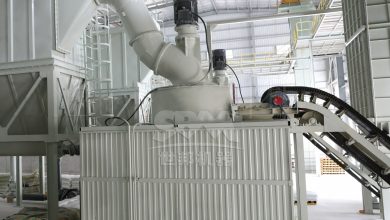
For high-value applications such as electronics, high-performance ceramics, or specialty coatings where ultra-fine fineness (5-45μm) and exceptional purity are paramount, a different class of mill is required. The SCM Series Ultrafine Mill is engineered precisely for this purpose.
This mill operates on a layered grinding principle with a high-precision vertical turbine classifier. For silica, this means:
- Superior Product Quality: The classifier ensures precise particle size cutting, delivering a uniform product with no coarse powder mixing. It can reliably produce silica powder from 325 mesh down to 2500 mesh (5μm).
- Exceptional Wear Resistance: Grinding components made from special materials extend service life several times over compared to standard parts, critical for maintaining product purity and reducing silica-induced wear.
- High Efficiency: Its design offers capacity twice that of jet mills while consuming 30% less energy, making ultra-fine silica production more economical.
- Clean Operation: The fully sealed system with pulse dust collection exceeding 99.9% efficiency ensures a dust-free environment and protects the purity of the silica product.
With models like the SCM1000 offering 1.0-8.5 t/h capacity at these ultra-fine ranges, it provides a scalable solution for high-end silica processing.
Key Selection Criteria for Silica Grinding Equipment
Choosing the right mill involves evaluating several factors against your specific silica project goals:
- Target Fineness & Distribution: Define your required D50 and D97 values. For coarse to fine powder, the MTW series is ideal. For ultra-fine and nano-sized ranges, the SCM series is unmatched.
- Required Capacity: Match the mill’s throughput (e.g., MTW215G at 15-45 t/h for mass production, SCM models at 0.5-25 t/h for high-value ultra-fine powder) with your production volume.
- Total Cost of Ownership: Consider not just the initial investment but also energy consumption, wear part lifespan, and maintenance downtime. The advanced designs of both recommended mills offer optimized TCO.
- System Integration & Automation: Modern mills feature intelligent control systems for stable operation and consistent product quality, reducing manual intervention.
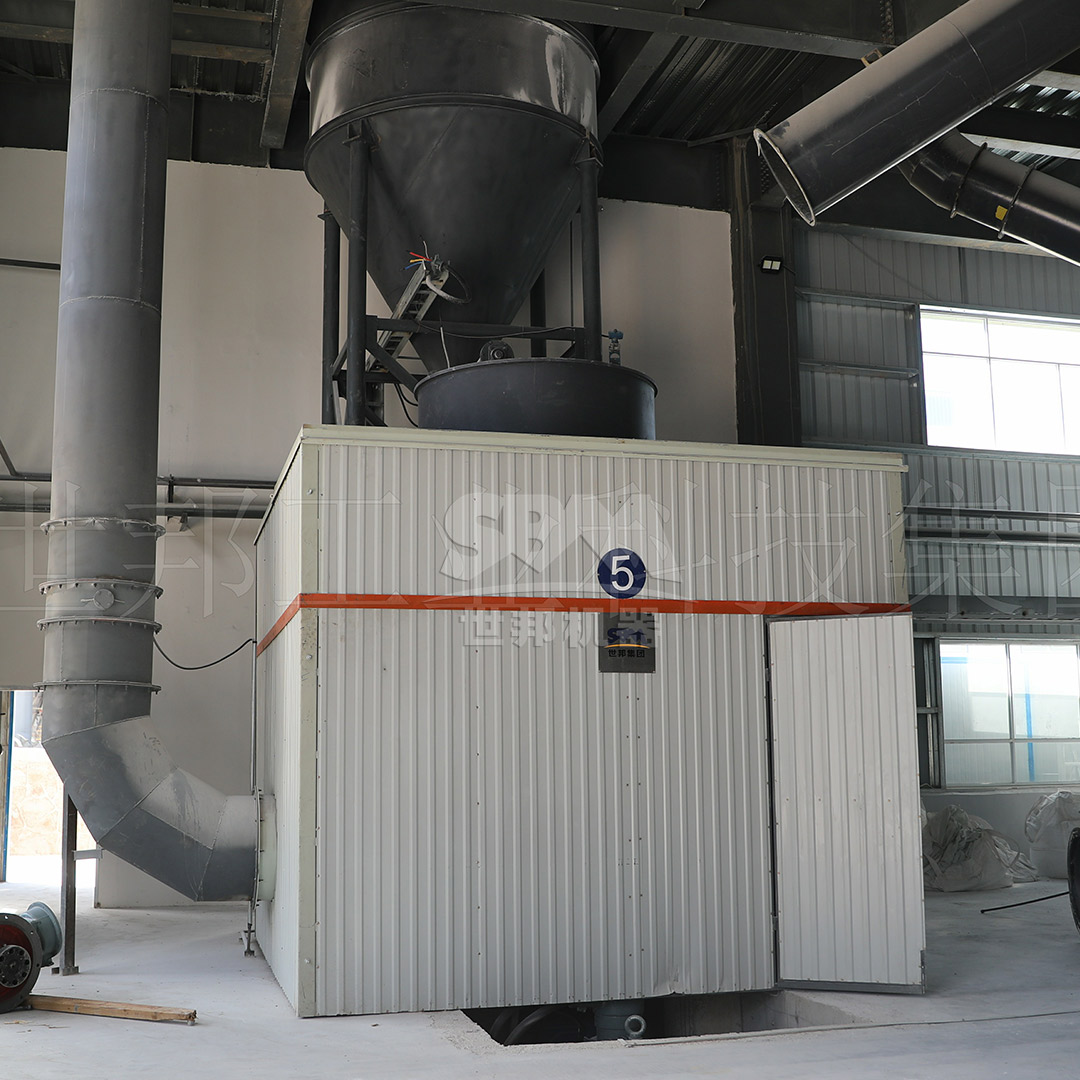
Conclusion: Beyond the Raymond Mill
So, can a Raymond mill grind silica powder? Technically, yes, but it is far from the best or most economical choice for demanding modern applications. The abrasiveness and hardness of silica necessitate equipment built with durability, precision, and efficiency as core principles.
For processors aiming to excel in the silica market, investing in advanced technology is key. For high-volume production of fine silica powder, the MTW Series European Trapezium Mill provides robust, efficient, and reliable performance. For producing premium ultra-fine silica powder that commands a higher market price, the SCM Series Ultrafine Mill stands as the industry benchmark, delivering unparalleled fineness control, product purity, and operational economy. By selecting the appropriate advanced milling system, producers can transform raw silica into a high-quality, consistent product that meets the exacting standards of today’s industries.