Raymond Mill for Charcoal Powder Processing in Activated Carbon Production
Introduction: The Critical Role of Powder Fineness in Activated Carbon
Activated carbon, a cornerstone material in modern purification, filtration, and environmental remediation, derives its exceptional adsorption capacity from its vast internal surface area and intricate pore structure. The production process, particularly the activation stage, is profoundly influenced by the physical characteristics of the raw charcoal feedstock. Among these, particle size distribution, or fineness, stands as a paramount factor. Precise and efficient grinding of charcoal into a controlled, uniform powder is not merely a preparatory step; it is a critical determinant of activation efficiency, product quality consistency, and overall production economics. This article delves into the technical requirements for charcoal powder processing and explores why Raymond Mill technology, particularly advanced models like the MTW Series European Trapezium Mill and the SCM Series Ultrafine Mill, represents the optimal solution for modern activated carbon plants.
The Science of Grinding: Why Particle Size Matters
During chemical or physical activation, activating agents (e.g., steam, CO2, phosphoric acid) must diffuse into the carbon matrix to etch and develop the microporous structure. The rate and uniformity of this reaction are heavily dependent on the available surface area of the charcoal particles. Coarse, irregular particles lead to uneven activation, resulting in a final product with inconsistent adsorption properties and potentially unreacted cores. Conversely, an excessively fine powder can cause operational issues such as packing, fluidization challenges in rotary kilns, or excessive dust loss.
Therefore, the ideal charcoal powder for activation exhibits:
- Controlled Fineness: Typically in the range of 30 mesh (600μm) to 325 mesh (45μm) for standard activation processes. Ultrafine grinding below 45μm (up to 2500 mesh) is required for specialized high-surface-area powdered activated carbon (PAC).
- Narrow Particle Size Distribution: Minimizing the presence of both oversized and undersized particles ensures uniform reaction kinetics and predictable product performance.
- Low Iron Contamination: Grinding equipment must be designed to minimize metallic wear and contamination, which can catalyze unwanted reactions or impair the carbon’s purity.
- Energy Efficiency: Grinding is an energy-intensive operation. Optimizing specific energy consumption (kWh/ton) is vital for cost-effective production.
Raymond Mill Technology: Evolution and Suitability for Charcoal
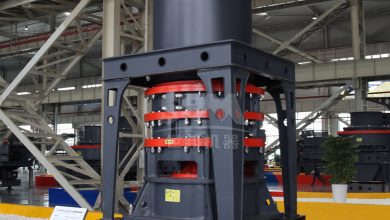
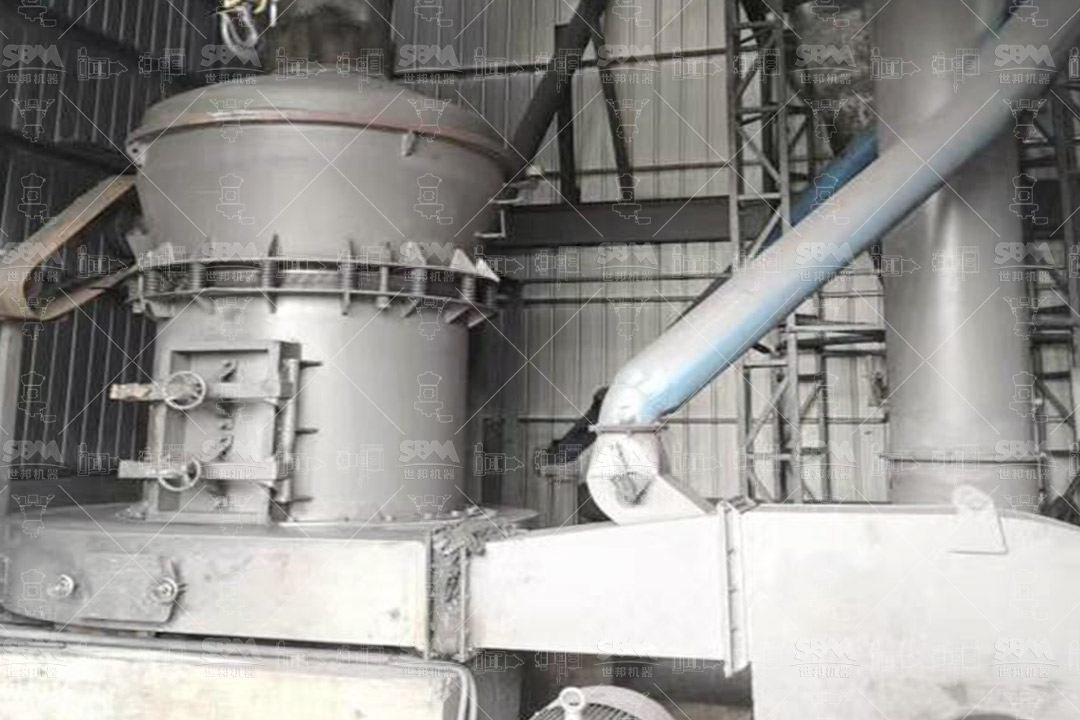
The traditional Raymond Mill (or pendulum roller mill) has long been a workhorse in mineral processing. Its principle—grinding material between rotating rollers and a stationary ring—is well-suited for medium-hard, non-metallic materials like charcoal. However, modern activated carbon production demands more than basic functionality. It requires high throughput, precise classification, operational reliability, and environmental compliance. This is where next-generation Raymond Mill designs excel.
Key Technical Advancements in Modern Mills
Contemporary mills have integrated significant improvements that directly address the needs of charcoal processing:
- Advanced Classifier Systems: High-precision, independently driven turbine classifiers allow for real-time adjustment of product fineness without stopping the mill. This is crucial for producing different grades of activated carbon from the same feedstock.
- Enhanced Wear Protection: Grinding rollers and rings equipped with special alloy materials or ceramic inserts dramatically extend service life when processing abrasive charcoal, reducing maintenance frequency and contamination risk.
- Integrated Drying Capability: Charcoal feedstock often contains residual moisture. Modern mills can be equipped with hot air sources, allowing simultaneous grinding and drying in a single unit operation, streamlining the process.
- Intelligent Control & Automation: PLC-based systems monitor key parameters (motor load, pressure, temperature) and automate feed rates and classifier speed, ensuring consistent product quality and safe, stable operation.
Recommended Solutions for Activated Carbon Production
Selecting the right grinding equipment depends on the target fineness, required capacity, and the specific stage of production (e.g., raw charcoal size reduction vs. final product refinement). Based on extensive industry application data, we recommend the following models from our portfolio for their proven performance in carbonaceous material processing.
1. For High-Capacity, Coarse to Medium-Fine Grinding (30-325 mesh): MTW Series European Trapezium Mill
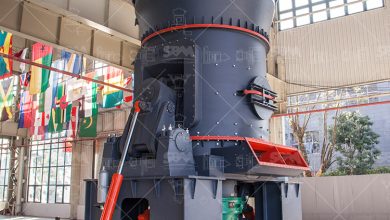
For the primary or secondary grinding of charcoal to a fineness ideal for granular activated carbon (GAC) production or as a pre-activation step, the MTW Series European Trapezium Mill is an industry-leading choice. Its design incorporates several patented innovations that offer distinct advantages for charcoal processing plants.
- High Efficiency & Large Capacity: With capacities ranging from 3 to 45 tons per hour, the MTW series can handle the throughput demands of large-scale activated carbon facilities. Its integral bevel gear drive achieves a transmission efficiency of up to 98%, translating directly to lower energy consumption per ton of product.
- Superior Wear Resistance: The patented anti-wear shovel design and curved grinding roller profile are engineered to withstand the abrasive nature of charcoal, significantly reducing wear part replacement costs and downtime. The wear-resistant volute structure further protects critical air duct surfaces.
- Excellent Product Uniformity: The optimized arc air duct and efficient cyclone collector system ensure smooth airflow with minimal pressure loss, facilitating precise particle separation in the classifier. This results in a finished charcoal powder with a tight particle size distribution, essential for uniform activation.
For a plant requiring reliable, high-volume production of charcoal powder in the 100-325 mesh range, the MTW215G model, with a capacity of 15-45 t/h, provides a robust and efficient solution.
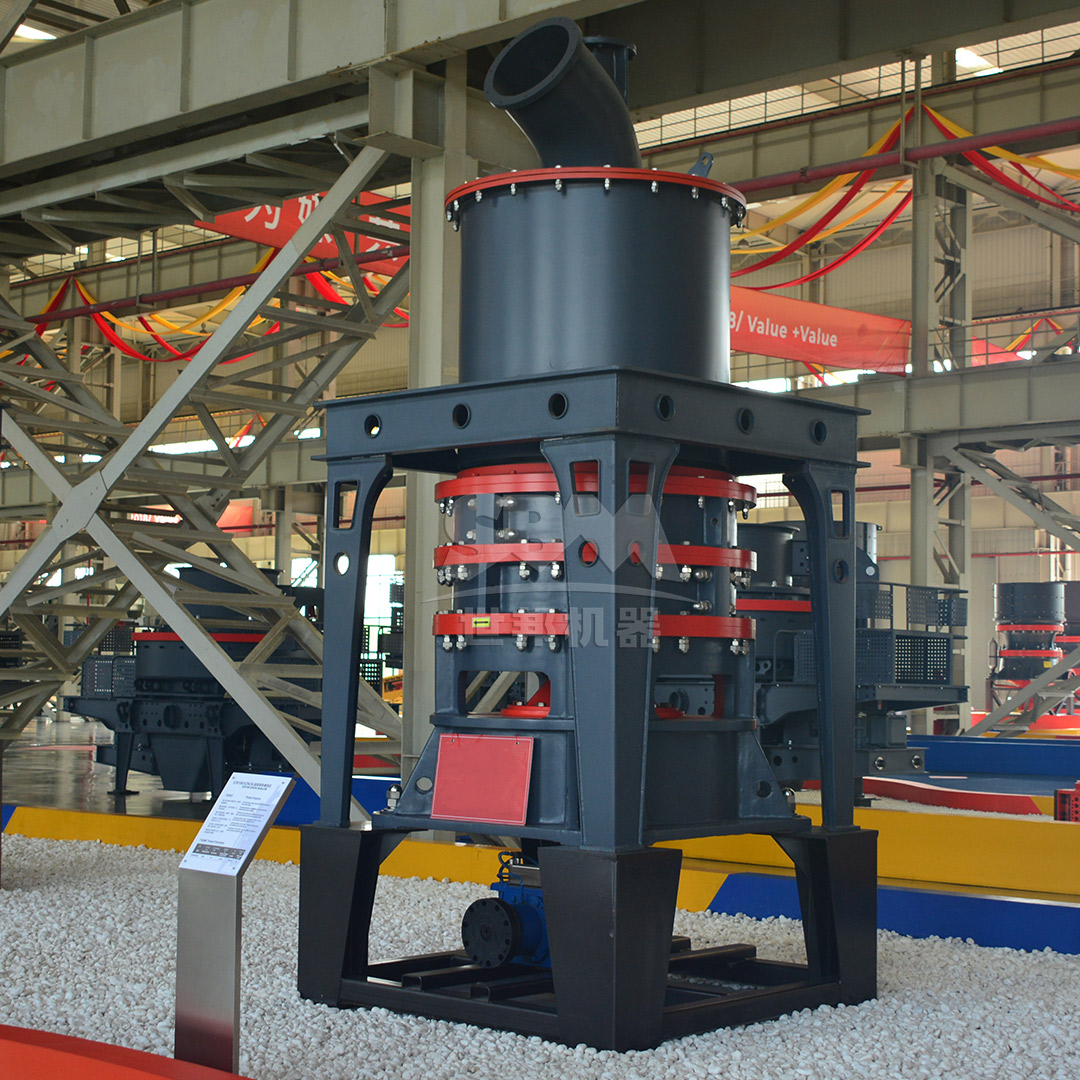
2. For Ultrafine Powdered Activated Carbon (325-2500 mesh): SCM Series Ultrafine Mill
When the end product is high-value Powdered Activated Carbon (PAC) used in water treatment, food & beverage decolorization, or medical applications, achieving sub-45-micron or even micron-level fineness is mandatory. The SCM Series Ultrafine Mill is specifically engineered for this demanding application.
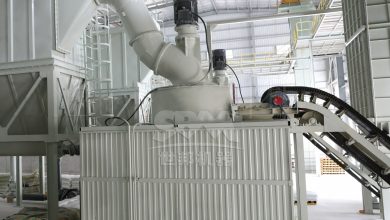
- Ultrafine Grinding Capability: The SCM mill can consistently produce charcoal powder from 325 mesh (45μm) down to 2500 mesh (5μm). Its multi-layer grinding ring and roller design, coupled with a high-precision vertical turbine classifier, enables precise cuts at extremely fine sizes without coarse powder contamination.
- Energy-Saving Performance: Despite its ability to produce ultrafine powder, the SCM mill operates with remarkable efficiency. Its design offers a capacity approximately twice that of traditional jet mills while consuming about 30% less energy, making it a cost-effective choice for fine grinding.
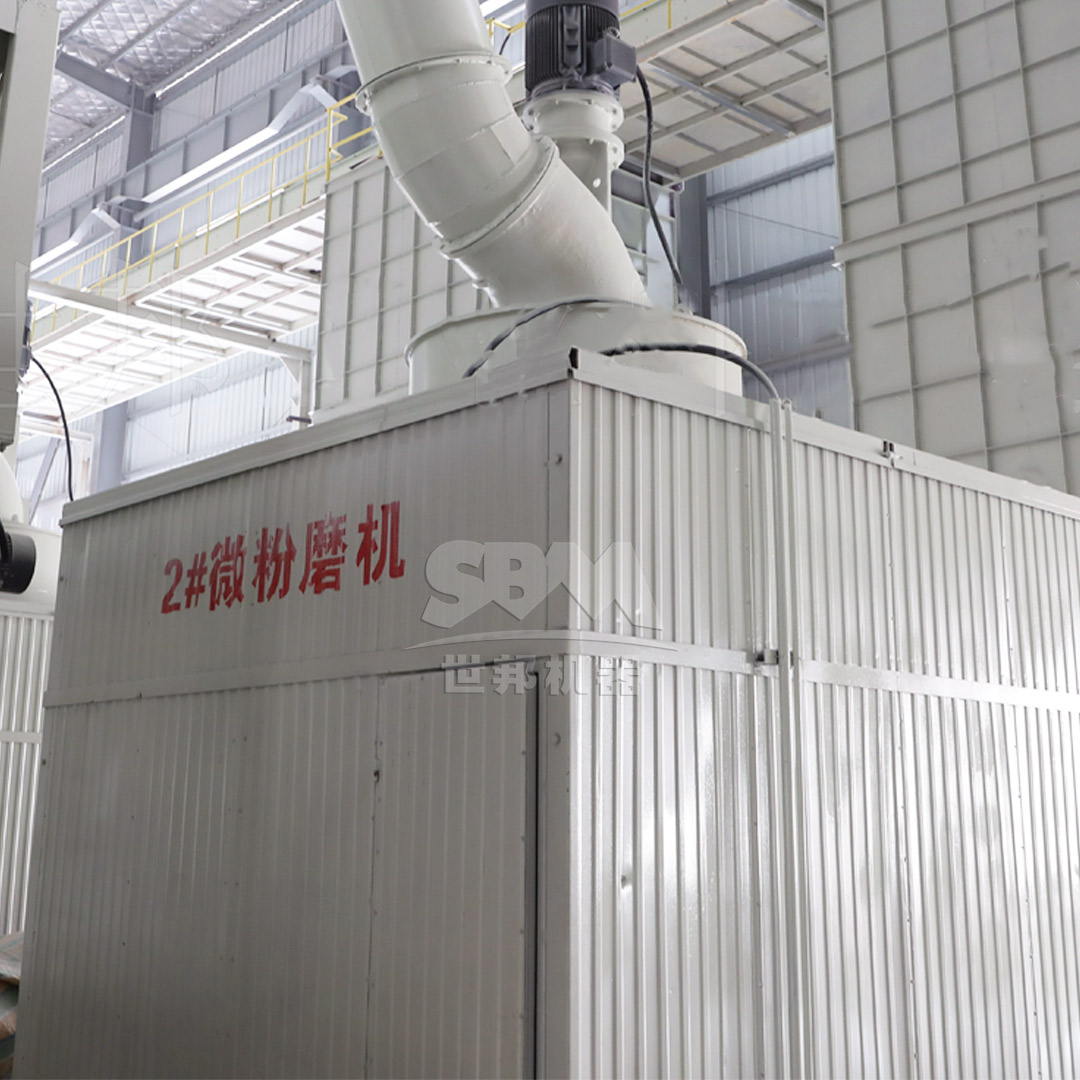
- Eco-Friendly Operation: The fully sealed grinding chamber and pulse dust collection system with efficiency exceeding international standards ensure a clean working environment and prevent product loss. The soundproof room design minimizes operational noise.
- Automation & Stability: Intelligent control systems with automatic finished product granularity feedback allow for hands-off operation and consistent quality. The shaftless screw grinding chamber design enhances operational stability.
For manufacturers specializing in high-grade PAC, the SCM1250 or SCM1680 models, offering capacities from 2.5 to 25 t/h at ultrafine fineness, represent the cutting edge of grinding technology for charcoal.
Conclusion: Investing in Precision for Premium Product
The choice of grinding equipment in activated carbon production is a strategic decision that impacts product quality, process efficiency, and profitability. Moving beyond conventional milling solutions to advanced Raymond Mill technologies like the MTW Series and SCM Series provides tangible benefits: superior product uniformity, reduced energy and maintenance costs, enhanced operational control, and compliance with environmental standards.
By ensuring the charcoal feedstock is processed into a powder with optimal and consistent physical characteristics, these mills lay the perfect foundation for the activation process, ultimately enabling the production of high-performance, reliable activated carbon that meets the stringent demands of global markets. For any project aiming to optimize or scale up its activated carbon production line, a detailed evaluation of these advanced grinding systems is an essential first step.