What Type of Grinding Mill is Best for Fine Carbon Black Powder?
Introduction
The production of fine carbon black powder is a critical process in numerous industries, including rubber manufacturing, plastics, inks, coatings, and advanced materials. Carbon black’s reinforcing properties, UV protection, and conductivity are highly dependent on its particle size, distribution, and surface characteristics. Achieving the desired ultra-fine fineness (typically in the range of 325 to 2500 mesh or 45 to 5 microns) while maintaining efficiency, product quality, and operational cost-effectiveness presents a significant technical challenge. Selecting the optimal grinding mill is paramount. This article explores the key considerations for carbon black processing and identifies the most suitable mill types, with a focus on advanced technological solutions.
Challenges in Carbon Black Grinding
Carbon black is not a typical mineral. Its processing demands special attention due to several inherent characteristics:
- High Abrasiveness: Carbon black particles are extremely hard and abrasive, leading to rapid wear of grinding components, which increases maintenance costs and risks product contamination.
- Agglomeration Tendency: Primary carbon black particles are nano-sized but form strong agglomerates. Effective de-agglomeration without re-agglomeration during processing is essential.
- Explosiveness and Safety: Fine carbon black dust is highly explosive. The grinding system must be designed for complete sealing, inert gas operation (if necessary), and effective dust control.
- Heat Sensitivity: Excessive heat generated during grinding can degrade the surface chemistry of carbon black, affecting its performance in end products.
- Precise Particle Size Distribution (PSD): A narrow, consistent PSD is often required for specific applications. The mill must integrate a highly precise classification system.
Evaluation of Common Mill Types for Carbon Black
Not all mills are created equal for this demanding task. Let’s examine the pros and cons of traditional and advanced systems.
1. Ball Mills
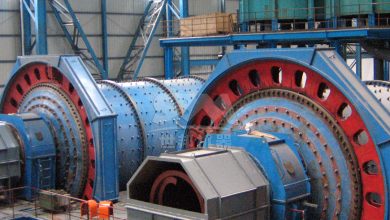
Traditional ball mills use impact and attrition from steel balls to grind material. While capable of achieving moderate fineness, they are generally not ideal for high-value, ultra-fine carbon black.
Drawbacks: High energy consumption, significant heat generation, potential for iron contamination from media wear, and difficulty in achieving a narrow PSD below 325 mesh. They are better suited for coarser grinding or where contamination is not a primary concern.
2. Jet Mills (Fluid Energy Mills)
Jet mills use high-speed jets of compressed air or steam to cause particle-on-particle impact, resulting in fine grinding. They are contactless, minimizing wear.
Advantages: Can produce very fine, high-purity powder with a narrow size distribution. No moving parts in the grinding zone.
Disadvantages for Carbon Black: Extremely high energy consumption (compressed air generation is inefficient), high operational costs, and relatively low capacity. The high-velocity airflow can also complicate dust collection for a material as light as carbon black.
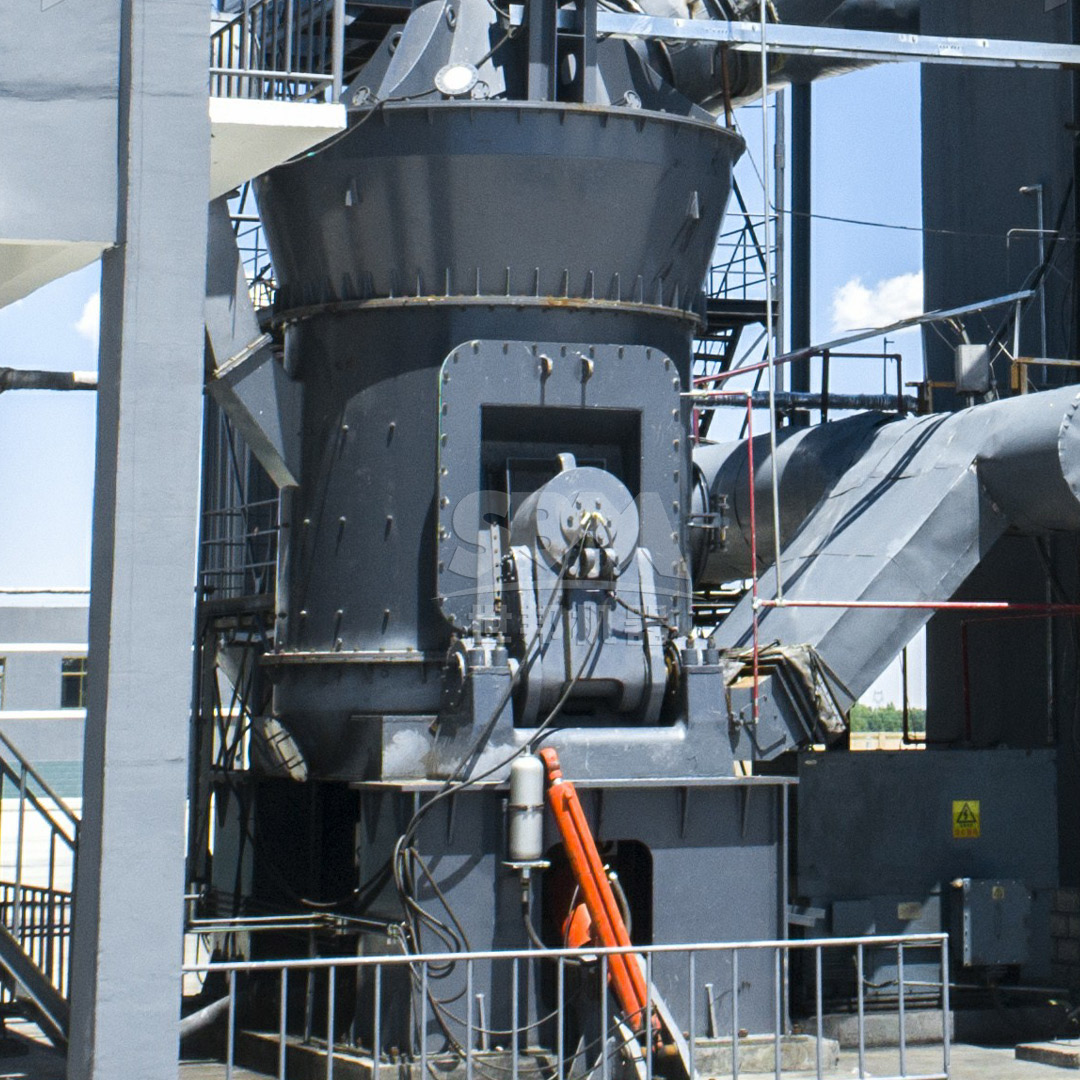
3. Vertical Roller Mills (VRM)
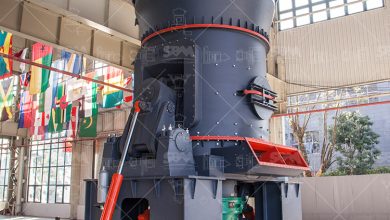
VRMs are a mainstream technology for large-scale grinding of minerals and coal. Material is ground between a rotating table and rollers under pressure.
Advantages: Energy-efficient, high capacity, integrated drying capability.
Considerations for Carbon Black: Standard VRMs are designed for harder, larger feed materials (up to 50mm) and fineness up to 325 mesh. For ultra-fine carbon black (2500 mesh), the classification system requires significant enhancement. Direct grinding of highly abrasive carbon black can also lead to accelerated roller and table wear.
The Optimal Solution: Ultrafine Grinding Mills with Advanced Classification
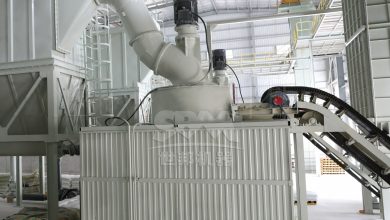
For modern, high-volume production of fine and ultra-fine carbon black powder, the most effective solution is a specialized ultrafine grinding mill that combines an efficient grinding mechanism with a high-precision, forced vortex turbine classifier. This integrated approach directly addresses the challenges of abrasion, heat, and PSD control.
The ideal mill should feature:
- Layer-by-Layer Grinding Principle: Material is ground under pressure between rollers and a ring, but in a controlled, multi-layered manner to manage heat and energy input efficiently.
- High-Precision Vertical Turbine Classifier: Integrated into the mill housing, this classifier uses adjustable rotor speed to make precise “cuts” in the particle stream. Only particles that meet the target fineness leave the grinding chamber, while coarse particles are returned for further grinding. This ensures a uniform product with no oversized particles.
- Wear-Resistant Design: Critical grinding components (rollers, rings) must be made from special, high-wear-resistant alloys or composite materials to withstand carbon black’s abrasiveness, extending service life and protecting product purity.
- Closed-Loop, Negative Pressure System: The entire grinding and classification process occurs in a sealed, negative-pressure environment. This is crucial for containing explosive carbon black dust, improving collection efficiency, and ensuring a clean working environment. A high-efficiency pulse jet baghouse is typically used for final product collection.
- Intelligent Control: Automated systems that monitor power consumption, classifier speed, feed rate, and temperature to optimize performance and maintain consistent product quality.
Recommended Mill: SCM Series Ultrafine Mill
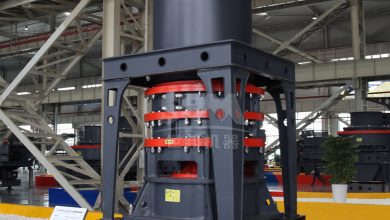
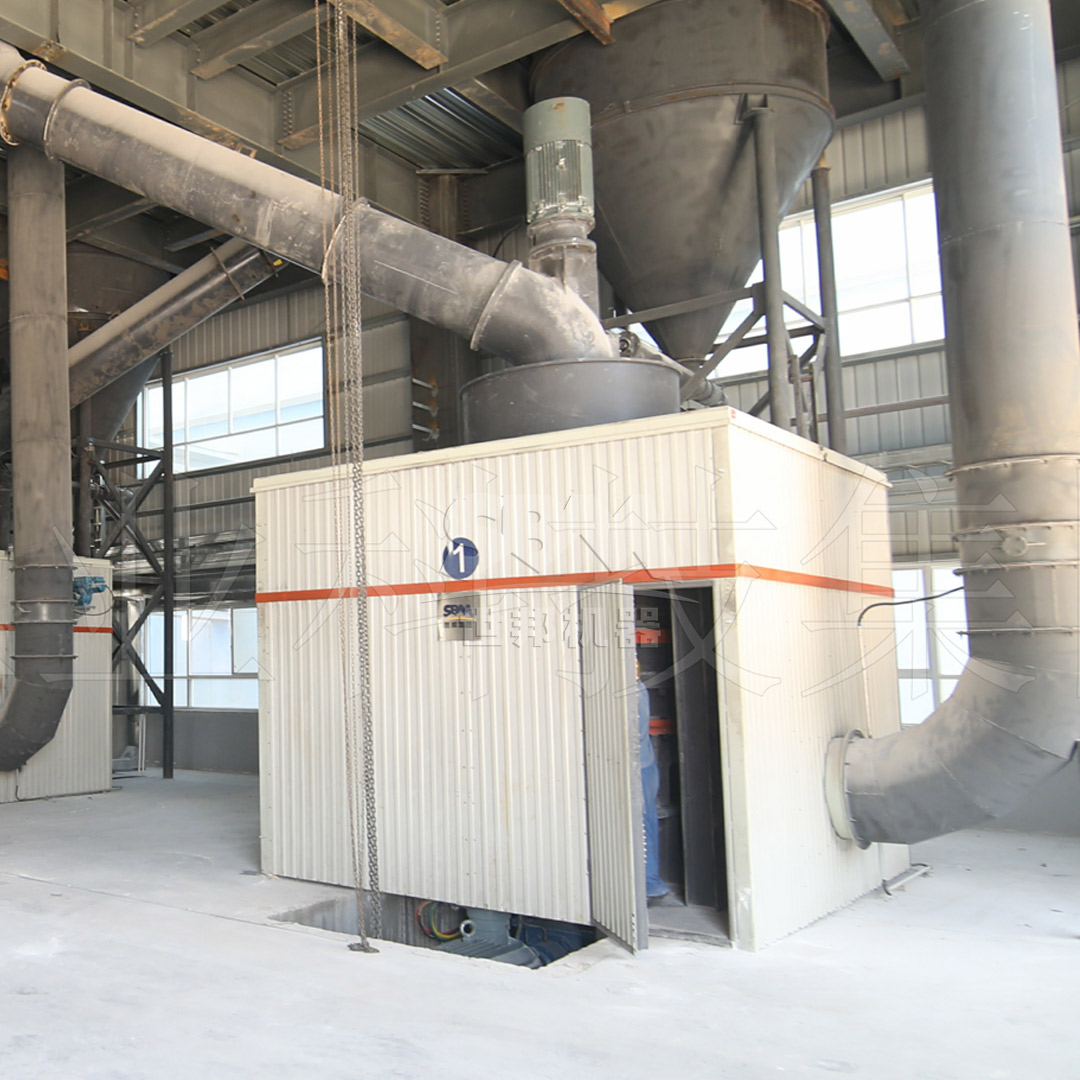
Based on the stringent requirements for carbon black processing, our SCM Series Ultrafine Mill stands out as a premier choice. It is engineered specifically for producing powders in the 325 to 2500 mesh (45-5μm) range, making it perfectly suited for fine carbon black applications.
Why the SCM Mill is Ideal for Carbon Black:
- Superior Fineness & Yield: Its vertical turbine classifier provides exceptional particle size control, ensuring a consistent, high-quality carbon black product with the desired reinforcing or coloring properties.
- Exceptional Energy Efficiency: Compared to traditional jet mills, the SCM mill offers up to 30% lower energy consumption while delivering more than double the capacity. This translates to significantly lower operating costs per ton of product.
- Built for Abrasive Materials: The grinding rollers and rings are manufactured from special wear-resistant materials, offering a service life several times longer than standard components. This reduces downtime for replacements and maintenance costs.
- Eco-Friendly & Safe Operation: The fully sealed negative pressure design and pulse dust collector with an efficiency exceeding 99.9% ensure that dust emissions are far below international standards, addressing both environmental and safety (explosion) concerns. Soundproof room options keep noise levels minimal.
- Model Flexibility: With models ranging from the SCM800 (0.5-4.5 t/h) to the high-capacity SCM1680 (5.0-25 t/h), the series can be scaled to match production needs from pilot plants to large-scale industrial facilities.
For Coarser Requirements: The MTW Series European Trapezium Mill
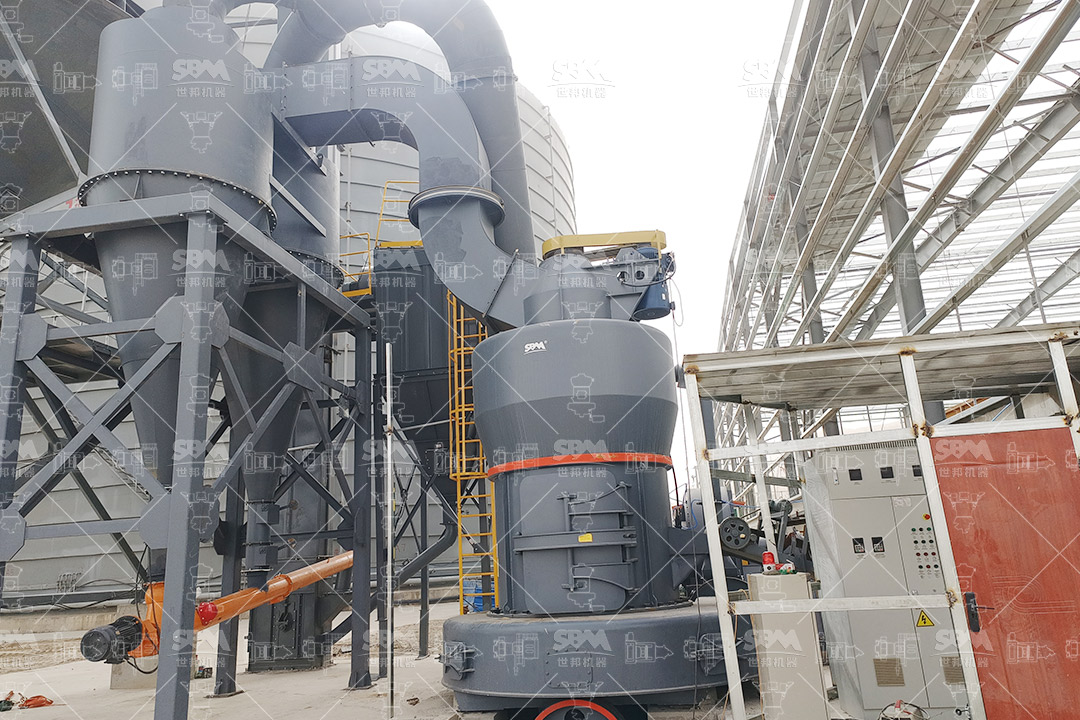
For applications where the target fineness for carbon black is in the coarser range (30-325 mesh, or 600-45μm), such as certain rubber masterbatch or lower-grade pigment uses, the MTW Series European Trapezium Mill presents a robust and cost-effective solution.
This mill excels in high-capacity processing (3-45 t/h) with excellent reliability. Its curved shovel blade design and wear-resistant volute structure are well-suited to handle abrasive materials efficiently. The integral bevel gear drive ensures stable, high-efficiency transmission with minimal energy loss. When the product specification does not demand ultra-fine powder, the MTW series offers outstanding throughput and operational economy.
Conclusion
Selecting the best grinding mill for fine carbon black powder requires a careful balance of technical requirements, operational costs, and final product specifications. While traditional mills like ball mills are inadequate and jet mills are prohibitively expensive to operate, advanced, integrated ultrafine grinding systems offer the optimal path forward.
For producers aiming at the high-value, ultra-fine market (325-2500 mesh), the SCM Series Ultrafine Mill is highly recommended. Its combination of high-precision classification, energy efficiency, durability against abrasion, and superior environmental controls makes it a technologically advanced and economically sound investment. For higher-volume processing at slightly coarser fineness, the MTW Series European Trapezium Mill provides a powerful and reliable alternative. By partnering with a supplier that understands the unique challenges of carbon black and offers these tailored technological solutions, manufacturers can achieve a competitive edge through superior product quality and optimized production efficiency.