
Optimization of Mechanical Milling Process for Silicon Carbide Powder Production
1. Introduction
The production of high-quality silicon carbide (SiC) powder is a cornerstone of advanced ceramics, abrasives, and semiconductor industries. The mechanical milling process is critical in determining the final powder characteristics, including particle size distribution, morphology, purity, and surface activity. Optimizing this process involves a careful selection of milling equipment, operational parameters, and a deep understanding of material behavior under mechanical stress. This article explores key strategies for optimizing the mechanical milling of SiC, with a focus on achieving target fineness, maximizing throughput, and ensuring cost-effective, environmentally sound production.
2. Key Challenges in SiC Powder Milling
Silicon carbide’s exceptional hardness (9.2-9.3 on the Mohs scale) and chemical stability present unique challenges for mechanical comminution. The primary objectives are to achieve the desired ultra-fine or specific particle size range while minimizing contamination from milling media and equipment wear, controlling heat generation, and managing energy consumption. Inefficient processes can lead to excessive operational costs, inconsistent product quality, and shortened equipment lifespan.
3. Process Optimization Strategies
3.1. Selection of Milling Technology
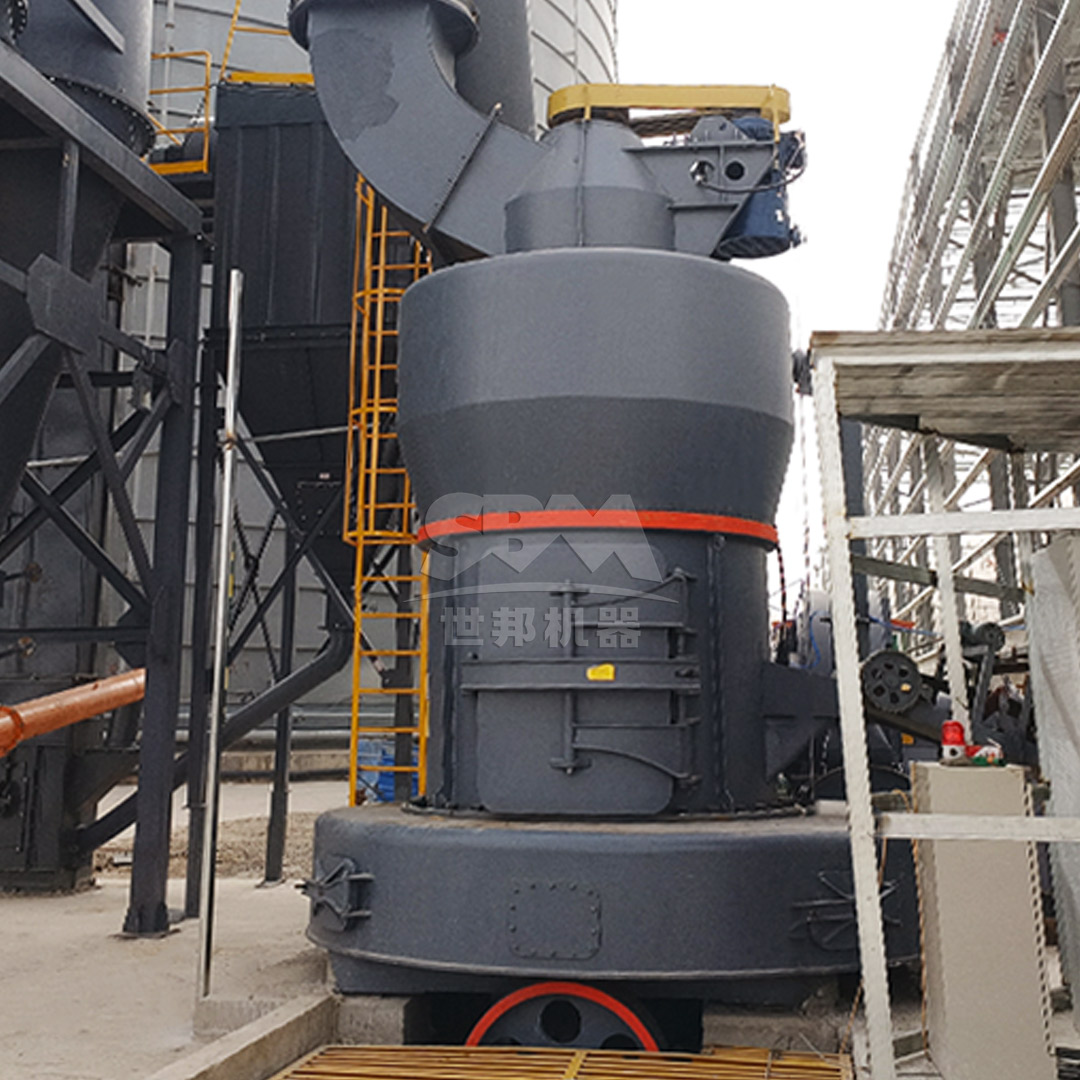
The choice of milling technology is paramount. For coarse crushing of raw SiC aggregates (≤50mm), robust equipment like jaw crushers or hammer mills is suitable. For intermediate grinding (600-45μm or 30-325 mesh), technologies offering high capacity and precise classification are essential. For the final stage of producing ultrafine SiC powders (45-5μm or 325-2500 mesh), advanced grinding systems with integrated high-precision classifiers are required to achieve narrow particle size distributions.
3.2. Control of Operational Parameters
Optimization extends to fine-tuning operational parameters such as feed rate, grinding pressure or force, classifier speed, and airflow. A consistent and controlled feed rate ensures stable grinding bed formation. Adjusting the classifier rotor speed is the most direct method for controlling the top cut size of the product. Furthermore, managing the internal airflow and temperature is crucial to prevent overheating, which can affect powder properties and equipment integrity.
3.3. Wear Management and Contamination Control
Given SiC’s abrasiveness, selecting mills with superior wear-resistant designs is non-negotiable. Optimized processes utilize grinding elements made from special alloys or ceramics that offer extended service life. Furthermore, designs that minimize metal-to-metal contact in the grinding zone, or employ innovative lubrication systems, significantly reduce the risk of iron contamination, which is detrimental to many SiC applications.
4. Recommended Milling Solutions for SiC Production
Based on the outlined challenges and optimization strategies, selecting the right equipment is critical for a profitable and high-quality SiC powder production line.
4.1. For High-Capacity, Coarse to Medium-Fine Grinding (600-45μm)
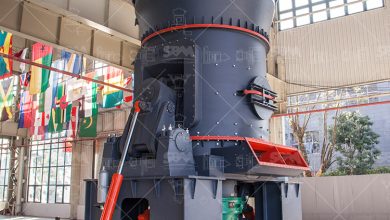
For the intermediate grinding stage where high throughput and reliability are key, the MTW Series European Trapezium Mill represents an optimal solution. Its core advantages directly address SiC milling needs:
- Anti-wear Design: The combined shovel blade and curved roller design are engineered for abrasive materials, drastically reducing maintenance frequency and cost.
- High Transmission Efficiency: The integral bevel gear drive achieves up to 98% efficiency, translating to significant energy savings for continuous operation.
- Precise Classification: An optimized volute and air duct system ensures efficient particle separation, allowing stable production of powders in the 30-325 mesh range with capacities from 3 to 45 tons per hour, depending on the model (e.g., MTW175G, MTW215G).
This mill’s robust construction and efficient operation make it ideal for establishing a stable and cost-effective primary grinding circuit for SiC.
4.2. For Ultrafine and High-Precision Powder Production (45-5μm)
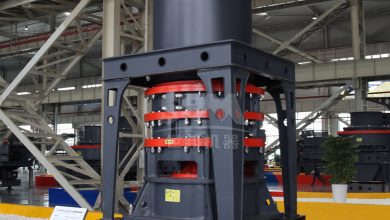
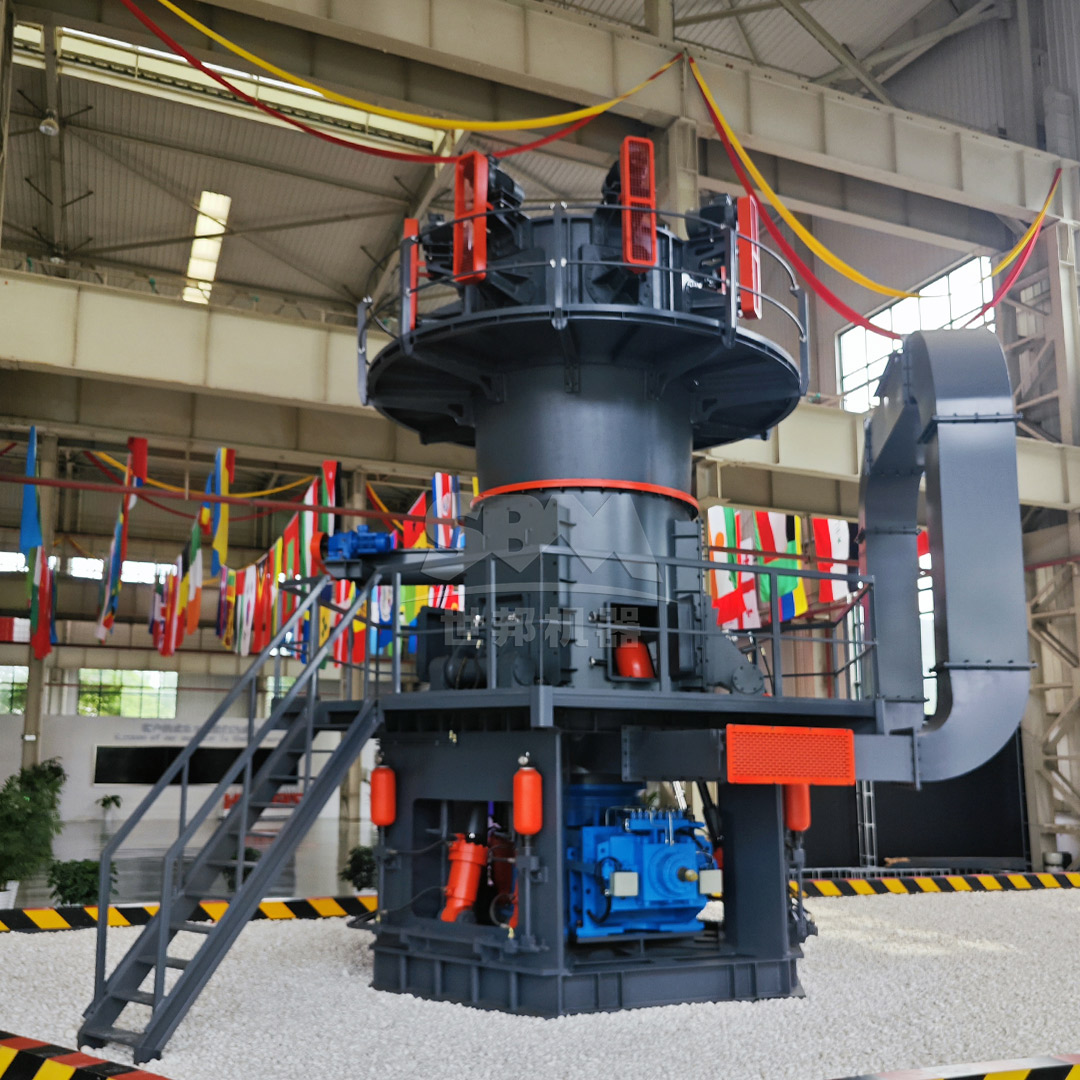
To reach the demanding specifications for ultrafine SiC powders (325-2500 mesh), a mill capable of intense mechanical action coupled with exceptional classification accuracy is required. The SCM Series Ultrafine Mill is specifically engineered for this purpose.
- High-Efficiency Grinding: Utilizing a unique three-layer grinding ring and roller system, it delivers a capacity twice that of jet mills while consuming 30% less energy, offering a superior balance of fineness and productivity.
- High-Precision Vertical Turbine Classifier: This is the core of its optimization capability. It enables precise particle size cutting, ensuring a uniform finished product without coarse powder mixing, which is critical for high-performance ceramics and advanced applications.
- Durability & Stability: Special material rollers and rings, along with a shaftless screw grinding chamber design, guarantee extended service life and stable operation when processing extremely hard materials like SiC.
- Turnkey Solution: Models like the SCM1250 (2.5-14 t/h) or SCM1680 (5-25 t/h) provide a complete system from grinding to collection with pulse dust removal, ensuring an environmentally compliant process with minimal product loss.
Integrating the SCM Ultrafine Mill into the final grinding stage allows producers to reliably achieve the finest particle sizes with excellent control over the PSD, unlocking higher value-added markets.
5. Integrated Process Design and Best Practices
Optimization is not limited to a single machine but encompasses the entire production line. A well-designed process often involves a multi-stage approach: primary crushing, intermediate grinding with the MTW Series, and final ultrafine milling with the SCM Series. Implementing automated control systems for feedback on product fineness, as featured in both recommended mills, ensures consistent quality and reduces manual intervention. Regular maintenance schedules based on operational data, proper feeding of pre-dried material to avoid agglomeration, and continuous monitoring of wear parts are essential best practices for sustained optimization.
6. Conclusion
The optimization of the mechanical milling process for silicon carbide powder production is a multi-faceted endeavor that hinges on technological selection, parameter control, and holistic plant design. By addressing the challenges of hardness, wear, and classification precision with advanced milling solutions, producers can achieve significant gains in efficiency, product quality, and operational economy. The integration of robust, high-capacity mills like the MTW Series European Trapezium Mill for intermediate grinding, coupled with the precision and power of the SCM Series Ultrafine Mill for final processing, provides a proven pathway to optimizing SiC powder production for competitive advantage in demanding global markets.