How to Improve Titanium Dioxide Processing Efficiency with Raymond Mill
Introduction: The Critical Role of Grinding in TiO2 Production
Titanium dioxide (TiO2) is a cornerstone pigment and functional material in modern industry, prized for its exceptional opacity, brightness, and UV resistance. Its performance in applications ranging from paints and coatings to plastics, paper, and cosmetics is intrinsically linked to its particle size distribution, fineness, and purity. The grinding stage, therefore, is not merely a size reduction step but a critical quality-defining process. Traditional grinding methods often struggle with the balance between achieving the required ultra-fine fineness (often into the micron and sub-micron range) and maintaining operational efficiency, product uniformity, and cost-effectiveness. This article explores how modern Raymond Mill technology and its advanced derivatives address these challenges, offering a pathway to significantly improved titanium dioxide processing efficiency.
Challenges in Titanium Dioxide Grinding
Processing TiO2 presents several unique hurdles:
- Abrasive Nature: TiO2 is highly abrasive, leading to rapid wear of grinding components, which increases maintenance costs and risks product contamination.
- Ultra-Fine Fineness Requirements: High-grade applications demand consistent particle sizes often between 325 mesh (45μm) and 2500 mesh (5μm). Achieving this uniformly is technically demanding.
- Energy Intensity: Fine grinding is inherently energy-consuming. Inefficient systems lead to prohibitive operational costs.
- Product Contamination & Purity: Wear debris from grinding media and liners can introduce impurities, compromising the brilliant whiteness of TiO2.
- Dust Control & Environmental Compliance: Fine TiO2 powder poses significant dust explosion risks and requires stringent, efficient collection systems.
The Evolution of Raymond Mill Technology for Advanced Materials
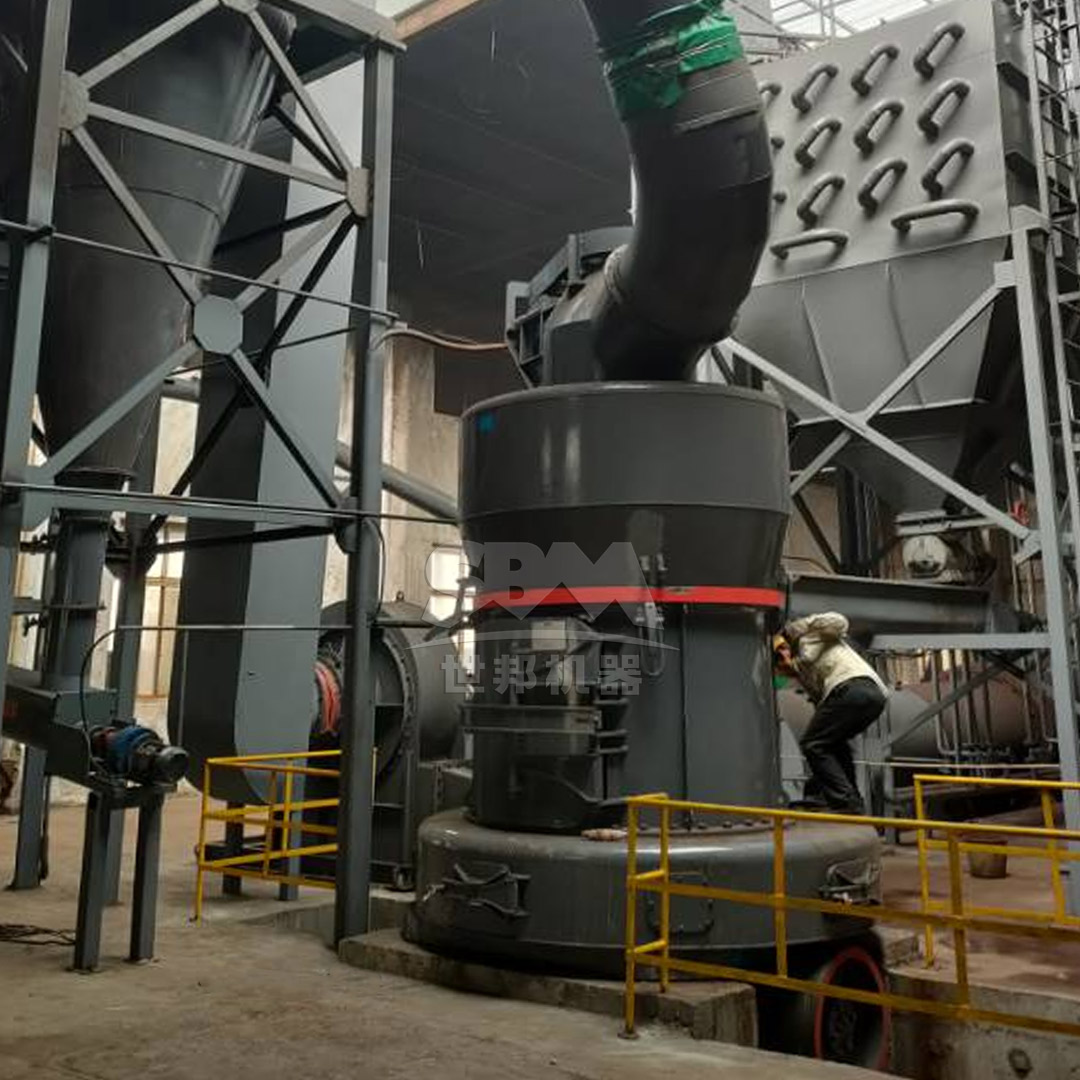
The classic Raymond Mill (or pendulum roller mill) has evolved far beyond its original design. Modern iterations incorporate precision classification, advanced material science for wear parts, intelligent control systems, and integrated eco-friendly designs. For TiO2 processing, this evolution translates into systems capable of dry grinding to remarkably fine sizes with exceptional control, low contamination, and high throughput.
Key Strategies for Efficiency Optimization with Raymond Mills
1. Selecting the Right Mill Configuration
Not all “Raymond Mills” are equal. The choice depends on the target fineness and capacity:
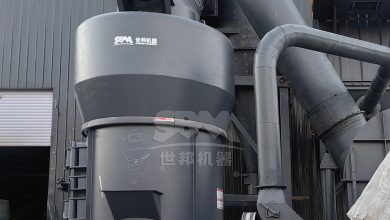
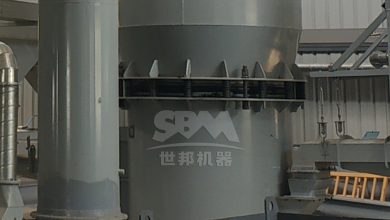
- For Coarse to Medium Fineness (30-325 mesh): Robust, high-capacity mills like the MTW Series European Trapezium Mill are ideal. Its anti-wear shovel design and optimized arc air duct are specifically engineered to handle abrasive materials efficiently while minimizing energy loss. The integral bevel gear drive offers up to 98% transmission efficiency, directly lowering power consumption per ton of product.
- For Ultra-Fine Fineness (325-2500 mesh): This is the domain of advanced ultrafine grinding mills like the SCM Series Ultrafine Mill. This mill is a technological leap, capable of achieving fineness comparable to jet mills but with dramatically higher capacity and lower energy use. Its high-precision vertical turbine classifier ensures a sharp particle size cut, eliminating coarse particles and delivering the uniform product quality essential for premium TiO2 grades.
2. Leveraging Advanced Classification Systems
The classifier is the brain of a modern Raymond Mill system. For TiO2, a high-efficiency, adjustable classifier is non-negotiable. It allows real-time control over the product’s top cut size and distribution. Systems with multiple rotor stages or dynamic classifiers enable producers to switch between different product specifications swiftly without stopping the mill, maximizing flexibility and uptime.
3. Maximizing Component Life and Minimizing Contamination
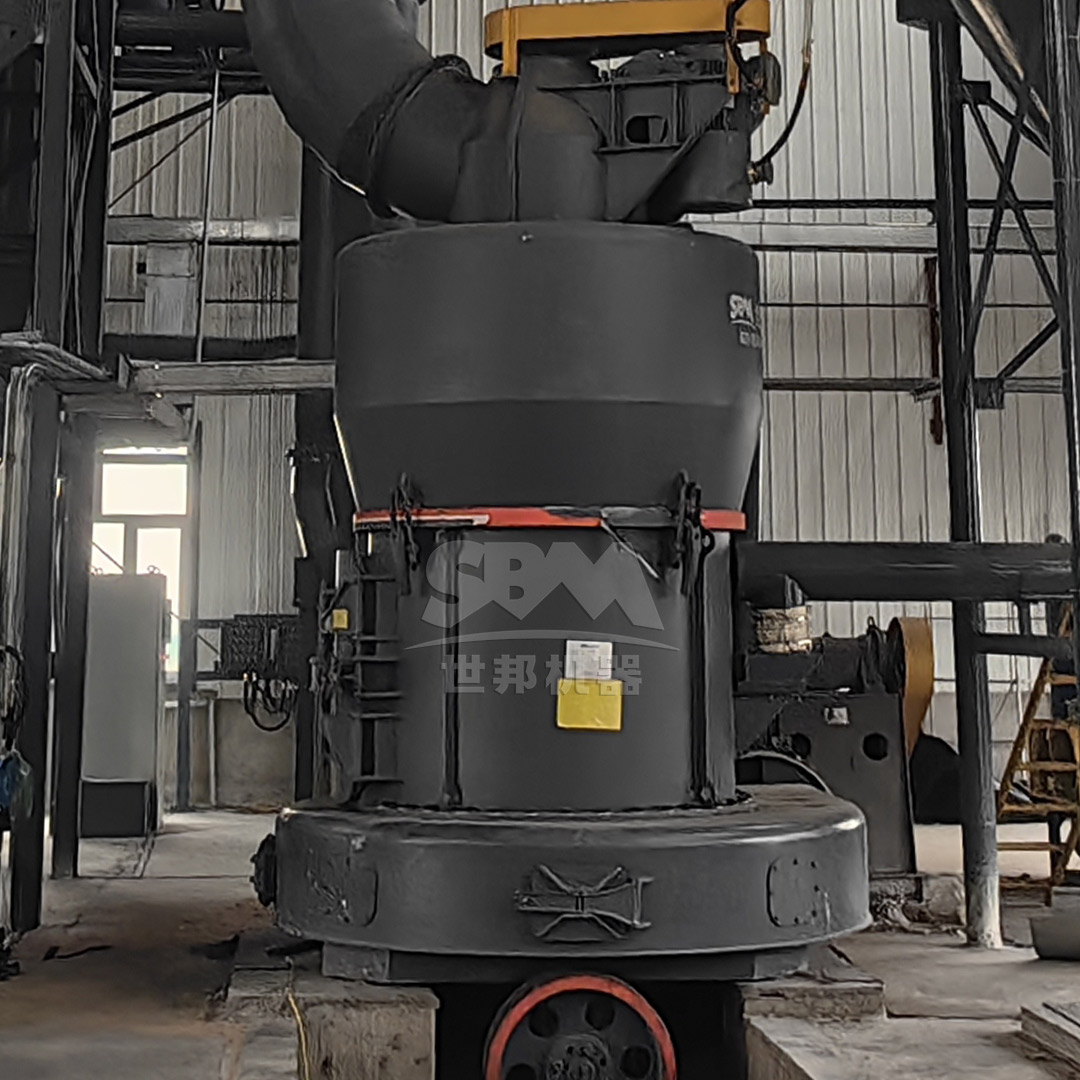
Combating the abrasiveness of TiO2 involves using specially hardened or alloyed materials for grinding rollers and rings. Look for mills that feature these as standard. For instance, some advanced models use rollers and rings with service lives several times longer than conventional materials. Furthermore, designs that minimize metal-to-metal contact in the grinding zone or utilize innovative sealing technologies drastically reduce the risk of iron contamination, preserving TiO2 whiteness.
4. Integrating Smart Control and Automation
Modern mills equipped with PLC-based control systems can automatically regulate feed rate, grinding pressure, classifier speed, and air volume based on real-time feedback. This ensures the mill operates at its optimal point consistently, preventing over-grinding (which wastes energy) and under-grinding. Automated finished product granularity feedback loops maintain tight quality control with minimal manual intervention.
5. Ensuring Comprehensive Dust Collection and System Sealing
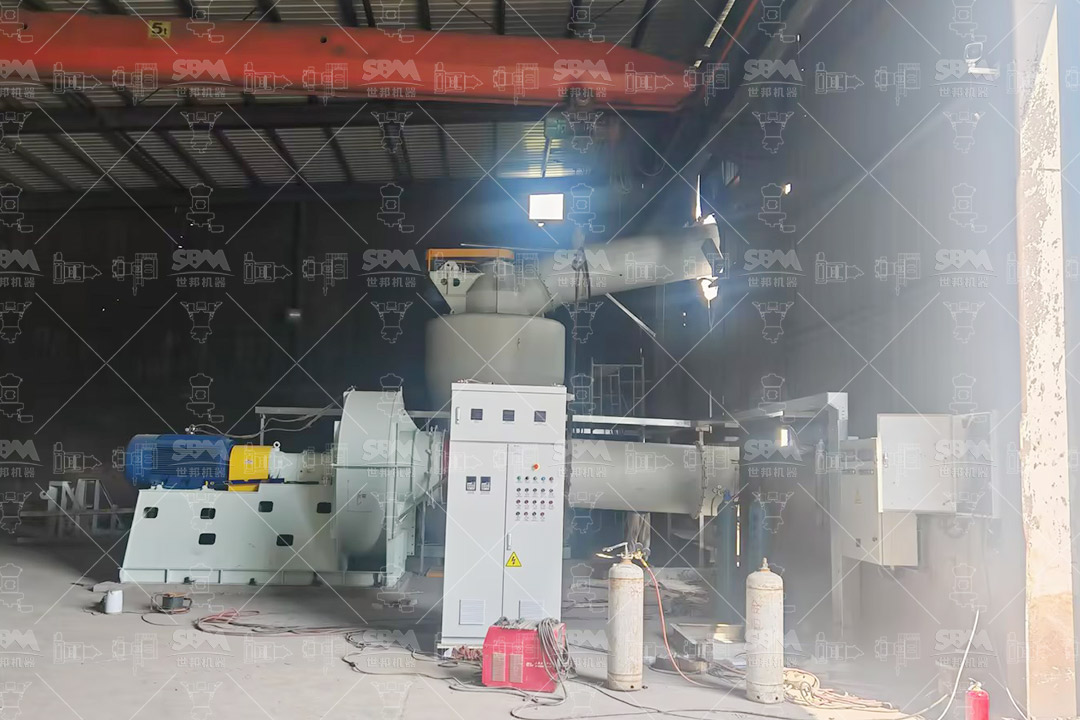
Efficiency isn’t just about throughput; it’s also about product recovery and a safe, clean operation. Integrated pulse jet baghouse dust collectors with efficiency rates exceeding 99.9% are essential. Fully sealed negative pressure system designs prevent dust leakage at all transfer points, protecting the work environment, maximizing product yield, and ensuring compliance with environmental regulations.
Spotlight on Optimal Solutions: SCM and MTW Series
Based on the outlined strategies, two mill series stand out as particularly well-suited for enhancing TiO2 processing efficiency across different fineness spectrums.
For Ultra-Fine Production: The SCM Series Ultrafine Mill
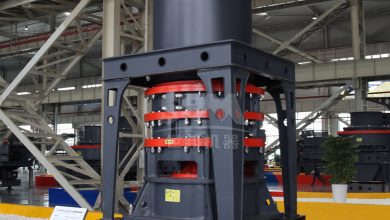
When the target is high-value, coating-grade titanium dioxide with fineness from 325 to 2500 mesh, the SCM Series Ultrafine Mill represents a paradigm shift. Its core advantages directly address TiO2 challenges:
- Superior Efficiency: It delivers a capacity twice that of traditional jet mills while consuming approximately 30% less energy, offering an unbeatable cost-per-ton advantage for ultra-fine grinding.
- Unmatched Product Quality: The vertical turbine classifier guarantees precise particle size distribution. The absence of coarse powder mixing results in a uniformly fine and high-purity product, critical for achieving optimal opacity and dispersion in final applications.
- Durability & Stability: Special material rollers and rings combat TiO2 abrasiveness, while the shaftless screw design in the grinding chamber ensures stable, vibration-free operation for consistent long-term performance.
- Turnkey Environmental Design: With a pulse dust collection system exceeding international standards and soundproofing options, it operates as a clean, quiet, and compliant production unit.
Models like the SCM1000 (1.0-8.5 t/h, 132kW) or the SCM1680 (5.0-25 t/h, 315kW) provide scalable solutions for both dedicated TiO2 lines and large-scale pigment production facilities.
For High-Capacity Fine Grinding: The MTW Series European Trapezium Mill
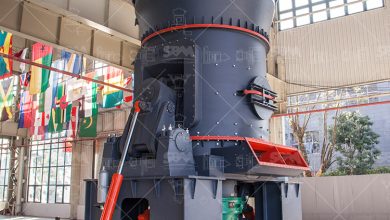
For operations focusing on the fine to medium range (30-325 mesh) with an emphasis on large-volume throughput and operational robustness, the MTW Series European Trapezium Mill is the workhorse of choice.
- Engineered for Abrasion: Its patented anti-wear shovel and curved grinding roller design are built to endure, significantly reducing maintenance frequency and cost when processing abrasive TiO2 feed.
- Energy-Optimized Design: The optimized arc air duct and high-efficiency integral bevel gear drive (98% efficiency) work in tandem to minimize wasteful energy loss, translating into lower operating costs for high-tonnage production.
- Reliable Performance: The wear-resistant volute structure and simplified maintenance points ensure high availability and consistent output, which is crucial for continuous pigment manufacturing processes.
A model such as the MTW215G, with a capacity range of 15-45 tons per hour, demonstrates the series’ capability to serve as the core grinding unit in major TiO2 processing plants.
Conclusion: A Strategic Investment in Quality and Efficiency
Improving titanium dioxide processing efficiency is a multi-faceted endeavor that hinges on selecting the right grinding technology. Modern, advanced Raymond Mills, particularly those designed with materials like TiO2 in mind, offer a compelling solution. By focusing on precision classification, wear resistance, energy optimization, and intelligent control, mills like the SCM Series Ultrafine Mill and the MTW Series European Trapezium Mill enable producers to achieve superior product quality with tighter particle size control, significantly lower operating and maintenance costs, and enhanced environmental performance. Investing in such technology is not merely an equipment upgrade; it is a strategic move to secure a competitive edge in the demanding and high-value titanium dioxide market.