Quartz Stone Grinding: Ball Mill vs Vertical Mill – Which is Better?
Introduction: The Critical Choice in Quartz Processing
The selection of grinding equipment is a pivotal decision in quartz processing, directly impacting product quality, operational costs, and overall plant efficiency. Quartz, with its high hardness (7 on the Mohs scale) and abrasive nature, presents unique challenges that demand robust and efficient milling solutions. The two most prominent contenders in this arena are the traditional Ball Mill and the modern Vertical Roller Mill. This article provides a comprehensive, professional comparison to guide processors toward the optimal choice for their specific requirements.
Understanding the Technologies: Core Principles
Ball Mill: The Time-Tested Workhorse
The ball mill operates on a relatively simple principle. A rotating cylindrical shell, partially filled with grinding media (typically high-chrome or manganese steel balls), imparts kinetic energy to the charge. As the shell rotates, the balls are lifted and then cascade or cataract down onto the material, achieving size reduction through a combination of impact and attrition. The ground product is discharged through a grate, with fineness controlled by retention time and media size.
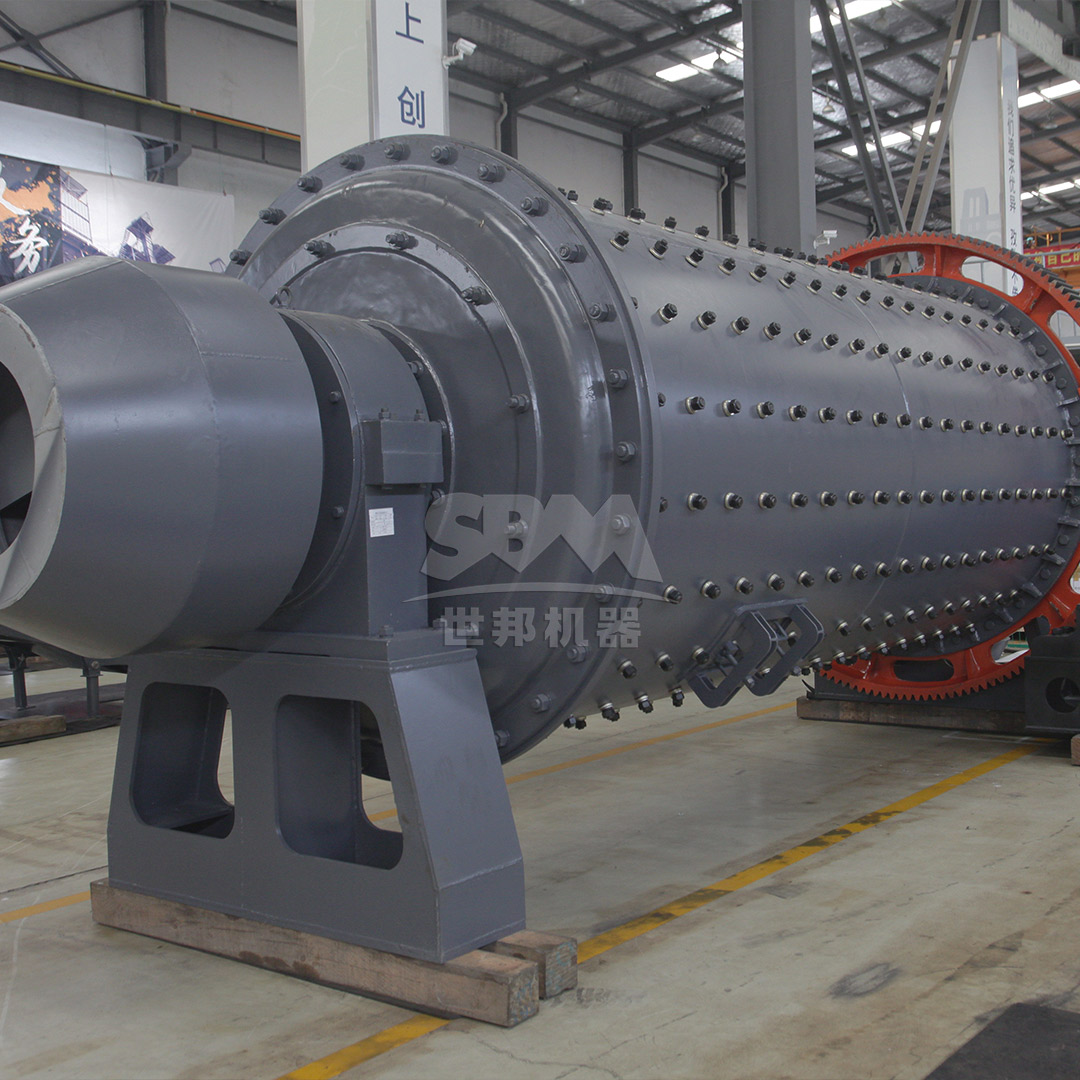
For quartz grinding, ball mills are often configured in closed circuit with air classifiers to achieve finer particle sizes. Their primary strengths lie in their simplicity, reliability, and ability to handle a wide range of feed sizes and moisture contents.
Vertical Roller Mill (VRM): The Modern Contender
The Vertical Roller Mill represents a more energy-efficient and compact approach. Material is fed onto a rotating grinding table and is ground under pressure by hydraulically loaded rollers. Centrifugal force pushes the material to the periphery of the table, where it is swept up by a stream of hot gas (in dry grinding) into an integrated, high-efficiency classifier. Coarse particles are rejected by the classifier and fall back to the table for further grinding, while fine product is conveyed to the collection system.
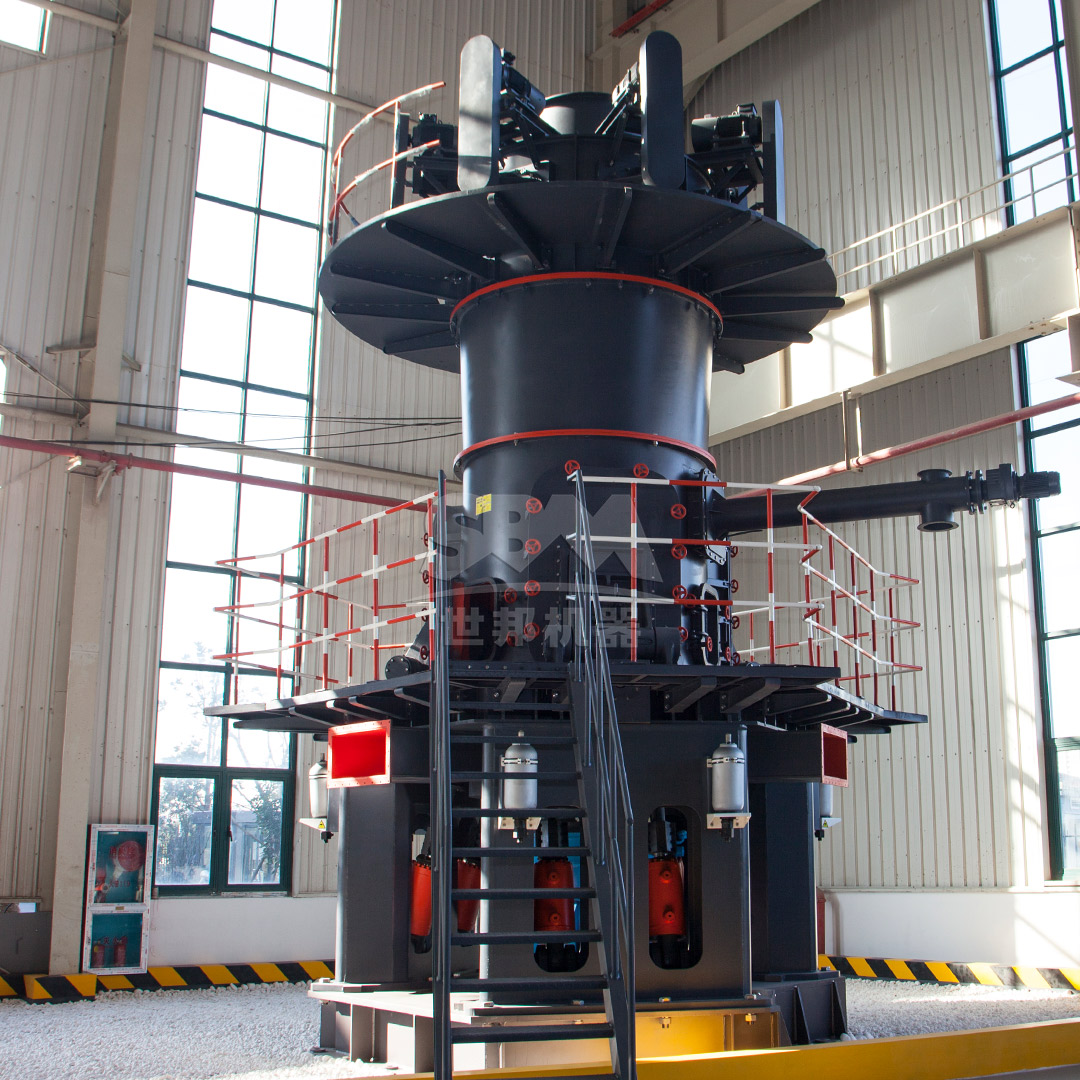
This bed-compression grinding principle and integrated classification make VRMs inherently more efficient for fine grinding applications like producing quartz powder for engineered stone, composites, or high-purity silica.
Head-to-Head Comparison: Key Performance Factors
| Performance Factor | Ball Mill | Vertical Roller Mill (VRM) |
|---|---|---|
| Energy Consumption | Higher. Significant energy is lost to friction, sound, and heat from the tumbling media and shell. | 30-50% Lower. Direct grinding on the table with pressure is more efficient. Integrated drying and classification reduce auxiliary power. |
| Product Fineness & Control | Capable of very fine grinding (down to 20-30 microns). Control is less direct, relying on media size, mill speed, and retention time. | Excellent for fine to ultra-fine ranges. Superior control via instantaneous adjustment of classifier speed and grinding pressure. |
| Footprint & Installation | Large footprint due to horizontal layout, heavy foundation, and separate classifier/dust collector systems. | Compact, vertical design reduces footprint by ~50%. Often pre-assembled modules reduce installation time and civil costs. |
| Wear & Maintenance | High wear on liners and grinding media. Media addition is regular. Maintenance is frequent but often simpler. | Wear concentrated on table and rollers. Modern designs feature quick-change roller systems, extending campaign life. Overall maintenance intervals are longer. |
| Drying Capacity | Limited. Can handle some moisture with hot air, but efficiency drops. | Excellent. Material is ground in a hot gas stream, allowing simultaneous grinding and drying of moist feed. |
| Noise Level | Very high (>100 dB) due to impact of metal balls, requiring significant soundproofing. | Substantially lower (<85 dB) as grinding is by pressure, not impact. |
Strategic Recommendations: Which Mill for Your Application?
The choice is not merely technical but strategic, aligning with production goals and site-specific conditions.
- Choose a Ball Mill if: Your operation requires extreme robustness for very coarse initial feeds, values lower initial capital investment, or processes multiple minerals with varying hardness in a single, flexible circuit. It remains a reliable, if less efficient, choice for general-purpose grinding.
- Choose a Vertical Roller Mill if: Your priority is minimizing long-term operating costs (energy and wear), you require precise control over product fineness and particle distribution, space is constrained, or you need to dry moist feed simultaneously. For dedicated, high-volume quartz powder production, the VRM is the unequivocally superior modern solution.
Our Recommended Solution: The LM Series Vertical Roller Mill
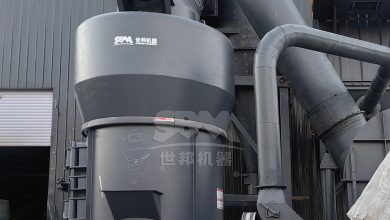
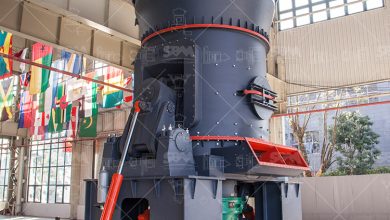
For most modern quartz processing plants aiming for efficiency, quality, and environmental compliance, the Vertical Roller Mill is the clear winner. To meet this demand, we proudly recommend our flagship LM Series Vertical Roller Mill.
Engineered specifically for non-metallic minerals like quartz, the LM mill integrates crushing, grinding, drying, classification, and conveying into one compact unit. Its bed-compression grinding principle consumes 30-40% less energy than a comparable ball mill system. The intelligent control system allows for expert-level automation and real-time parameter monitoring, ensuring a consistent, high-quality product fineness ranging from 30 to 325 mesh (and up to 600 mesh for special models).
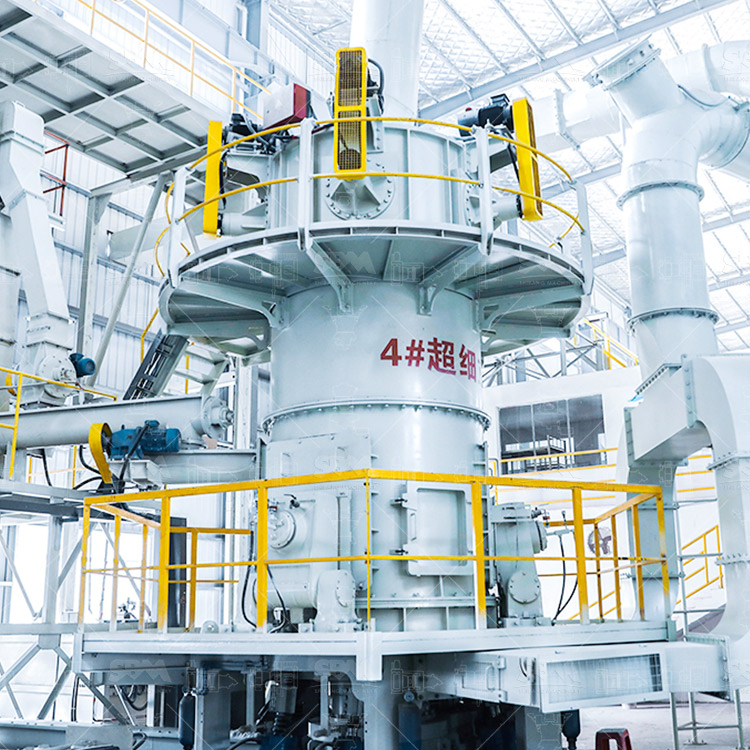
Key advantages for quartz processors include:
- Low Operating Cost: Non-contact design between rollers and table triples the life of wear parts.
- Integrated Drying: Handles feed moisture efficiently with hot air, simplifying the process flow.
- Environmental Compliance: Fully sealed negative pressure operation ensures dust emissions and noise levels are well below international standards.
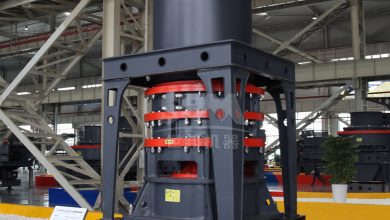
For projects requiring ultra-fine quartz powder (e.g., for high-performance polymers or specialty coatings), our SCM Series Ultrafine Mill is the ideal complement or standalone solution. Capable of producing powder from 325 to an impressive 2500 mesh (5μm), it features a high-precision vertical turbine classifier that guarantees no coarse powder mixing and delivers a perfectly uniform product. Its energy consumption is 30% lower than traditional jet mills, making it the most cost-effective choice for the highest value quartz products.
Conclusion: Embracing Efficiency and Precision
While the ball mill has served the industry faithfully for decades, the economic and technical imperatives of today’s market strongly favor Vertical Roller Mill technology for quartz grinding. The significant savings in energy, superior product quality control, smaller footprint, and better environmental performance make it the responsible investment for new and upgraded processing lines.
By selecting an advanced solution like our LM Series Vertical Roller Mill, quartz producers can future-proof their operations, reduce their carbon footprint, and enhance their competitiveness in a market that increasingly values consistency, efficiency, and sustainability.