What Are the Uses of Ground Coal Gangue?
Introduction: From Waste to Resource
Coal gangue, a solid waste discharged during coal mining and washing, has long been a significant environmental and economic burden for the mining industry. Traditionally occupying vast areas of land and posing risks of spontaneous combustion and pollution, its disposal represents a major challenge. However, with advancements in processing technology, particularly in grinding and classification, coal gangue is being transformed from a problematic waste into a valuable secondary resource. The key to unlocking its potential lies in efficient size reduction and precise particle size control, which enable its use in a diverse range of high-value applications.
1. Applications of Processed Coal Gangue
The utilization of ground coal gangue is primarily dictated by its fineness and chemical composition. Proper processing can tailor it for specific industrial needs.
1.1 Construction and Building Materials
This is the largest and most mature application area for processed coal gangue.
- Gangue Cement and Concrete Admixtures: Finely ground gangue, rich in silica and alumina, exhibits pozzolanic activity. When milled to a high fineness (typically exceeding 325 mesh or 45μm), it can partially replace cement clinker, reducing CO2 emissions and production costs while improving concrete’s long-term strength and durability.
- Lightweight Aggregate: Coarser ground gangue (e.g., 10-30mm) can be sintered to produce lightweight ceramsite, used in lightweight concrete blocks and structural fill, offering excellent thermal and acoustic insulation properties.
- Brick and Tile Production: Ground gangue serves as the primary raw material for sintering high-quality bricks and tiles, completely replacing clay. This not only conserves fertile topsoil but also utilizes the inherent calorific value of residual carbon within the gangue, reducing fuel consumption during firing.
- Road Base and Backfill Material: Properly graded and compacted gangue aggregate provides a stable, cost-effective foundation for road construction and mine backfilling.
1.2 Agriculture and Soil Amendment
Certain types of coal gangue, after grinding and activation, can be beneficial for soil improvement.
- Soil Conditioner: Gangue powder can improve the physical structure of clay soils, enhancing aeration and drainage. It can also provide trace minerals.
- Substrate for Land Reclamation: In mining area rehabilitation, processed gangue forms a stable substrate for revegetation, helping to restore ecological balance.
1.3 High-Value Chemical and Industrial Uses
Advanced processing unlocks the chemical potential of gangue.
- Source of Alumina (Al2O3): High-alumina coal gangue is an important alternative source for extracting alumina, a key raw material for aluminum production and refractory materials. This requires intensive grinding to liberate the alumina-bearing minerals.
- Production of Zeolites and Molecular Sieves: Through hydrothermal synthesis with alkalis, ground gangue can be converted into porous zeolite materials used in catalysis, adsorption, and ion exchange.
- Filler in Polymers, Paints, and Coatings: Ultra-fine, whitenened gangue powder (e.g., 1250 mesh or 10μm) can act as a functional filler, reducing costs and modifying properties in plastics, rubber, and paints.
2. The Critical Role of Grinding Technology
The transformation of lumpy, heterogeneous coal gangue into a uniform, specification-grade powder is the foundational step for all high-end applications. The choice of grinding equipment directly impacts product quality, energy efficiency, and overall project economics. Key requirements for gangue grinding systems include:
- Wide Particle Size Range: Ability to produce powders from coarse aggregates (several mm) to ultra-fine fillers (below 10μm).
- High Abrasion Resistance: Gangue is often hard and abrasive, demanding wear-resistant mill components.
- Energy Efficiency: Grinding is energy-intensive; modern mills must optimize specific energy consumption.
- Precise Classification: Accurate particle size cutting is crucial for meeting application-specific fineness targets.
- System Reliability & Low Maintenance: Ensuring continuous, stable operation with minimal downtime.
3. Recommended Grinding Solutions for Coal Gangue
Selecting the right mill depends on the target fineness, required capacity, and overall project scope. Based on our extensive expertise in solid waste valorization, we recommend the following solutions for coal gangue processing.
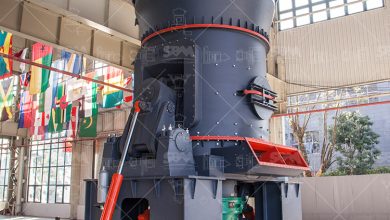
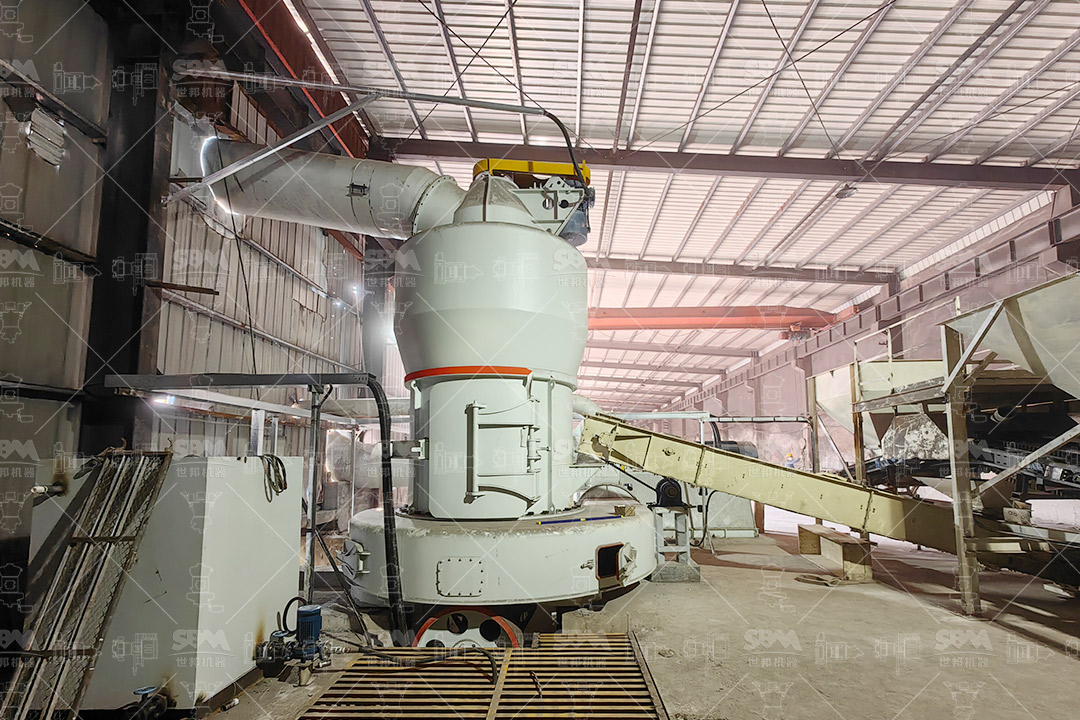
3.1 For High-Capacity, Coarse to Medium-Fine Grinding: MTW Series European Trapezium Mill
For projects aiming to produce gangue powder for cement admixture, brick making, or road base material in the range of 30-325 mesh (600-45μm) with large capacities, the MTW Series European Trapezium Mill is an ideal workhorse.
- Robust Design for Abrasive Materials: Its anti-wear shovel design and wear-resistant volute structure are specifically engineered to handle the abrasive nature of coal gangue, significantly reducing maintenance costs and extending service life.
- High Efficiency & Large Capacity: With an integral bevel gear drive boasting 98% transmission efficiency and an optimized arc air duct, it delivers capacities from 3 to 45 tons per hour, making it perfect for large-scale utilization projects.
- Precision & Stability: The curved grinding roller and ring design ensures a stable grinding bed, while the efficient classifier provides consistent product fineness. Models like the MTW215G can handle feed sizes up to 50mm and produce up to 45 t/h, providing a reliable and efficient solution for bulk gangue processing.
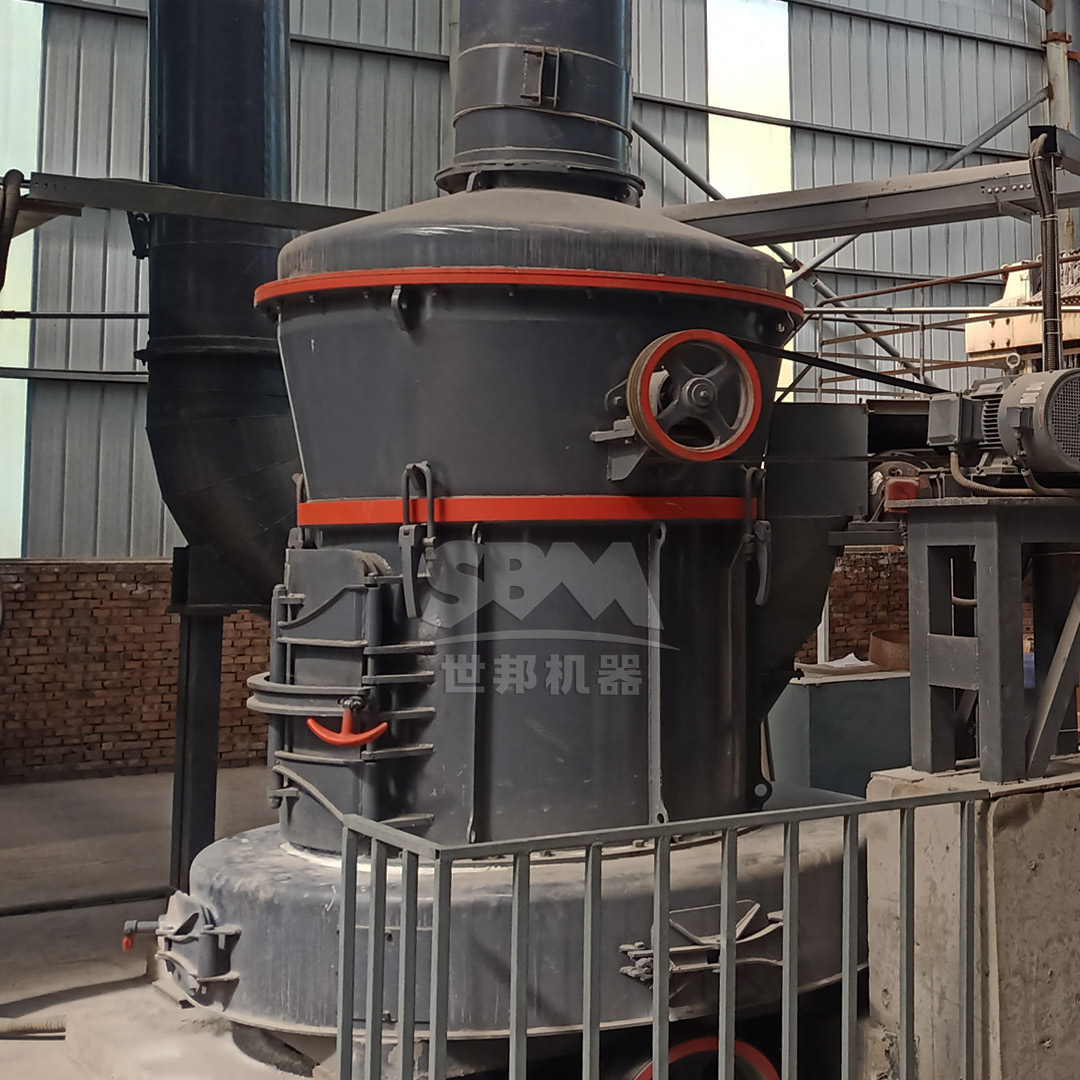
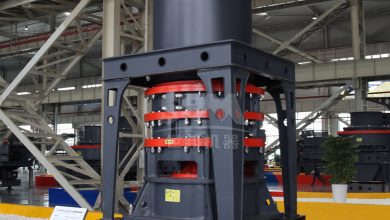
3.2 For Ultra-Fine and High-Value-Added Products: SCM Series Ultrafine Mill
When the application demands ultra-fine gangue powder for high-performance concrete, advanced chemical synthesis, or as a premium functional filler (325-2500 mesh / 45-5μm), the SCM Series Ultrafine Mill is the technology of choice.
- Exceptional Fineness and Uniformity: Featuring a high-precision vertical turbine classifier, the SCM mill achieves precise particle size cuts with no coarse powder mixing, ensuring a perfectly uniform product essential for high-end applications.
- Energy-Efficient Grinding: Its layer-by-layer grinding principle offers capacity twice that of traditional jet mills while consuming 30% less energy, dramatically lowering operational costs for producing ultra-fine powders.
- Durable and Eco-friendly: Constructed with special material rollers and rings, it withstands long-term operation. Coupled with a pulse dust collection system exceeding international standards and a soundproof design, it meets stringent environmental and workplace regulations. The SCM1250 model, for example, offers a capacity range of 2.5-14 t/h, making it suitable for dedicated lines producing high-value gangue-based additives.
4. Conclusion: Embracing a Circular Economy
The comprehensive utilization of coal gangue is a cornerstone of the green, circular economy in the mining sector. By moving beyond mere disposal to active resource recovery, industries can achieve significant environmental benefits, reduce raw material costs, and create new revenue streams. The success of this transformation hinges on effective processing, with advanced grinding technology acting as the critical enabler. Investing in the right milling equipment—whether for high-volume, medium-fine applications or for pioneering ultra-fine, high-value products—is the decisive step towards turning coal gangue from an environmental liability into a strategic asset.