Optimization of Vanadium Nitride Production: Application of Vanadium Nitrogen Grinding Technology
1. Introduction
Vanadium Nitride (VN) is a critical advanced material prized for its exceptional properties, including high hardness, excellent wear resistance, superior thermal stability, and good electrical conductivity. These characteristics make it indispensable in applications ranging from high-strength micro-alloyed steels and cutting tools to wear-resistant coatings and advanced electronic components. The performance of VN in its final application is intrinsically linked to its powder characteristics—specifically particle size distribution, purity, and morphology. Consequently, the grinding and preparation stage of vanadium-bearing raw materials or intermediate products is not merely a mechanical process but a pivotal technological step that dictates product quality, production efficiency, and overall economic viability. This article explores the optimization of Vanadium Nitride production, with a focused analysis on the application and critical importance of advanced grinding technology.
2. The Critical Role of Grinding in VN Production
The synthesis of high-quality Vanadium Nitride typically involves carbothermal reduction-nitridation or direct nitridation processes using vanadium pentoxide (V2O5) or other vanadium precursors. The efficiency and completeness of these solid-state reactions are profoundly influenced by the particle size and surface area of the reactant materials.
Fine and uniformly sized powder offers a dramatically increased surface area, facilitating more intimate contact between vanadium and nitrogen/carbon sources. This enhances reaction kinetics, allows for lower processing temperatures and shorter dwell times, and promotes a more homogeneous nitride phase formation. Inconsistent or coarse particles can lead to unreacted cores, impurity entrapment, and non-uniform final product properties. Therefore, achieving a precise and controllable particle size reduction is paramount for:
- Enhanced Reactivity: Maximizing surface area for faster, more complete nitridation.
- Product Uniformity: Ensuring consistent chemical composition and physical properties batch-to-batch.
- Energy Efficiency: Reducing the thermal energy required for the subsequent synthesis step.
- Final Performance: Directly influencing the sintering behavior, density, and mechanical properties of VN-based ceramics or alloys.
3. Challenges in Vanadium Material Grinding
Grinding vanadium-containing materials presents unique technical challenges that standard milling equipment often fails to address adequately:
- Abrasive Nature: Vanadium compounds are inherently hard and abrasive, leading to rapid wear of grinding media and liners, which introduces metallic contamination (Fe, Cr, etc.) and increases maintenance costs.
- Thermal Sensitivity: Excessive heat generation during milling can induce partial oxidation or undesirable phase changes in sensitive intermediates.
- Precision Requirements: The process demands not just size reduction but precise classification to achieve narrow particle size distributions (PSD). Broad PSDs negatively impact downstream processes.
- Contamination Control: Maintaining high product purity is non-negotiable. Equipment must be designed to minimize contamination from wear parts.
4. Advanced Grinding Solutions for VN Optimization
To overcome these challenges, modern grinding systems must integrate high-efficiency size reduction, precise air classification, robust wear protection, and intelligent process control. Two distinct technological approaches are particularly well-suited for different stages of VN powder preparation.
4.1 For Final Ultra-fine Grinding and Classification: SCM Series Ultrafine Mill
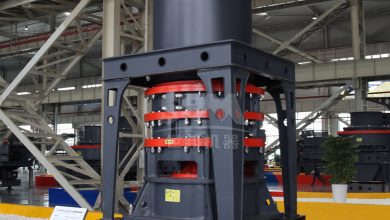
For producing the finest VN powders or preparing ultra-fine precursor powders that react most efficiently, the SCM Series Ultrafine Mill represents the state of the art. This mill is engineered to deliver powders in the range of 325-2500 mesh (45-5μm), which is ideal for high-surface-area reaction feedstocks or final VN product finishing.
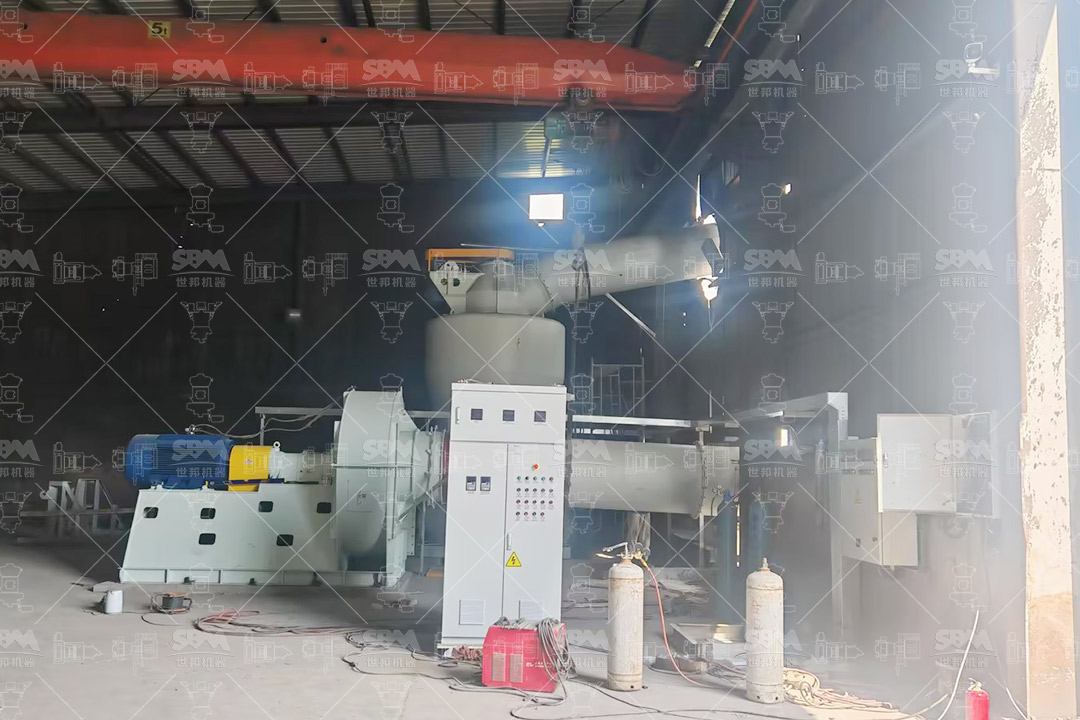
Its technical advantages directly address VN production needs:
- High-Precision Vertical Turbine Classifier: Ensures precise particle size cutting, eliminating coarse powder mixing and guaranteeing a uniform, narrowly distributed final product. This is critical for consistent sintering and performance.
- Superior Wear Resistance: The grinding rollers and rings are made from special wear-resistant materials, extending service life several times over and drastically reducing iron contamination—a key concern for purity.
- High Efficiency & Energy Saving: With a capacity reported to be twice that of jet mills and 30% lower energy consumption, it offers significant operational cost savings, a major factor in production economics.
- Eco-friendly & Stable Operation: The fully sealed system with pulse dust collection (>99.9% efficiency) and soundproof design ensures a clean working environment and protects the powder from loss or contamination.
For a production line targeting high-purity, nano or sub-micron VN powders, the SCM1000 or SCM1250 models, with capacities ranging from 1.0-14 t/h, provide an excellent balance of output and fineness control.
4.2 For High-Capacity Pre-grinding and Coarse Size Reduction: LM Series Vertical Roller Mill
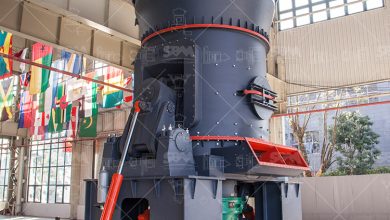
In the initial stages of processing, where larger volumes of vanadium ore, agglomerates, or coarse intermediate products need to be reduced to a consistent feed size for further processing or reaction, the LM Series Vertical Roller Mill excels. It is designed for high-tonnage applications with output fineness typically between 30-325 mesh (600-45μm).
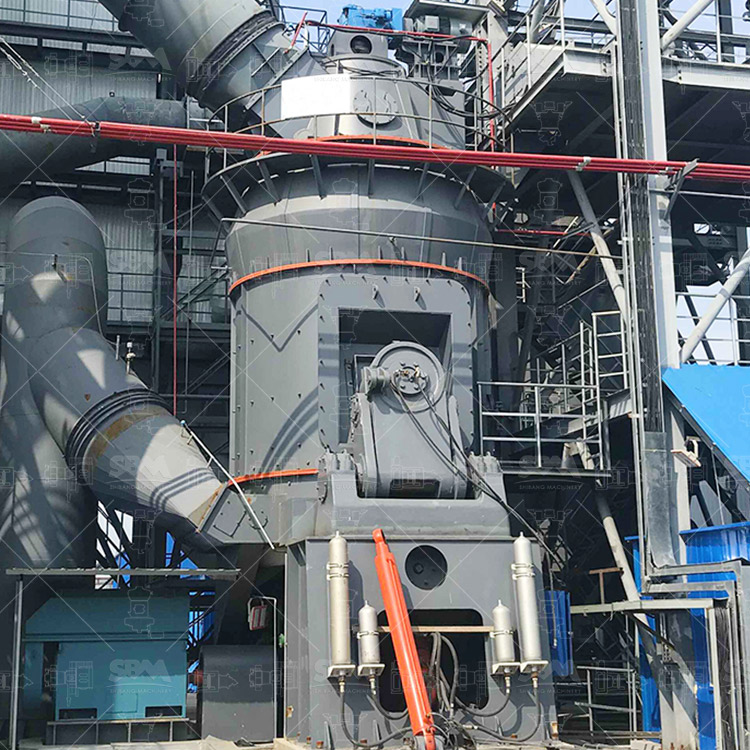
Its benefits for VN precursor preparation include:
- Integrated Design & Low Operating Cost: The system integrates crushing, grinding, drying, and classification in one unit, reducing footprint by 50%. Its grinding principle consumes 30-40% less energy than traditional ball mills, offering substantial savings for large-scale operations.
- Exceptional Durability: The non-contact design between rollers and grinding table, along with modular, quick-change wear parts, significantly increases service life and reduces maintenance downtime.
- Intelligent Control: An expert-level auto-control system allows for real-time monitoring and adjustment of grinding parameters, ensuring stable product quality and reducing manual intervention.
- High Capacity: With models like the LM220K offering capacities from 36-105 t/h, it can easily handle the throughput required for major VN production facilities.
5. System Integration and Process Flow Recommendation
An optimized grinding circuit for VN production often employs a staged approach. A recommended configuration could be:
- Primary Crushing: Jaw crusher or hammer mill to reduce raw material to <50mm.
- Intermediate Grinding: An LM Vertical Roller Mill to consistently grind the material to a 100-325 mesh product, creating an ideal, uniform feed for the nitridation reactor.
- (Optional) Final Ultra-fine Grinding: Post-nitridation, the synthesized VN clinker may be fed into an SCM Ultrafine Mill to achieve the specific surface area and particle size required for premium applications like conductive pastes or advanced ceramics.
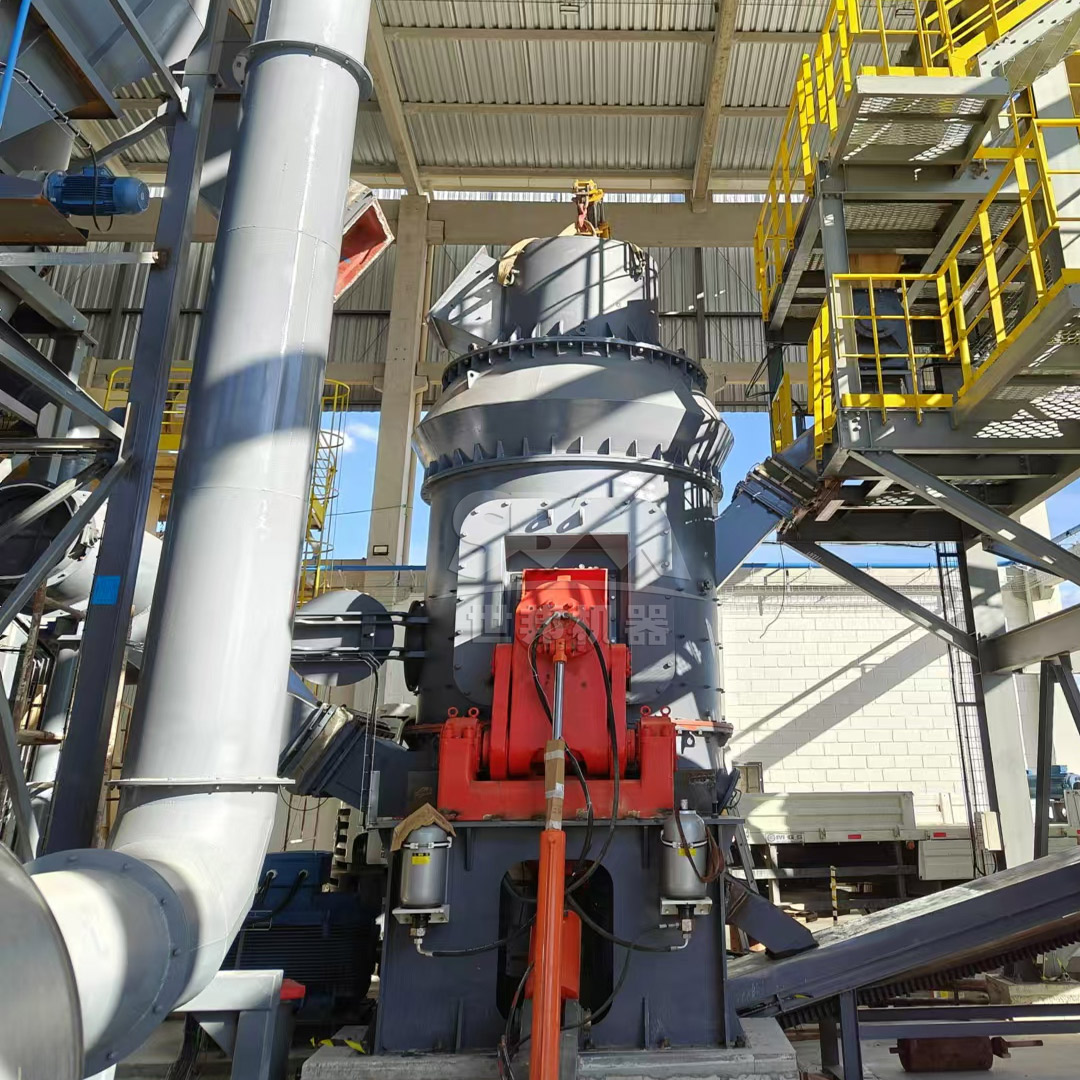
This combination leverages the high-capacity, energy-efficient pre-grinding of the LM mill with the ultra-fine, high-precision capabilities of the SCM mill, creating a flexible and high-performance production line.
6. Conclusion
The optimization of Vanadium Nitride production is a multi-faceted endeavor where grinding technology plays a decisive role. Moving beyond conventional milling to adopt advanced, purpose-engineered grinding solutions is essential for achieving the particle characteristics that unlock superior material performance. Equipment that offers precise classification, exceptional wear resistance to maintain purity, high energy efficiency, and intelligent control—such as the SCM Series Ultrafine Mill for final finishing and the LM Series Vertical Roller Mill for high-capacity pre-processing—provides a tangible pathway to enhanced product quality, reduced operational costs, and a stronger competitive position in the advanced materials market. Investing in the right grinding technology is, therefore, an investment in the fundamental quality and economics of Vanadium Nitride itself.