
How to Recycle and Dispose of Fiberglass Waste: Comprehensive FRP Solid Waste Treatment Solutions
Introduction: The Growing Challenge of FRP Waste
Fiber Reinforced Plastic (FRP), commonly known as fiberglass, is a composite material prized for its high strength-to-weight ratio, corrosion resistance, and design flexibility. Its applications span from wind turbine blades and boat hulls to automotive parts, construction panels, and storage tanks. However, these very advantages contribute to a significant environmental challenge at the end of the product’s life cycle. FRP is notoriously difficult to recycle due to the thermosetting nature of its polymer matrix (typically polyester, vinyl ester, or epoxy), which is cross-linked and cannot be remelted. Landfilling, the traditional disposal method, is increasingly restricted and represents a waste of valuable resources. This article explores comprehensive, industrial-scale solutions for treating FRP solid waste, focusing on mechanical recycling—the most viable and scalable method for recovering value from this complex material stream.
The FRP Recycling Process: A Step-by-Step Breakdown
An effective FRP recycling operation involves a series of interconnected stages, each crucial for transforming bulky, heterogeneous waste into a valuable, consistent raw material.
1. Collection and Pre-processing
The first step involves the systematic collection of FRP waste from end-of-life products (EoL) or manufacturing scrap. This waste is then subjected to manual or mechanical sorting to remove contaminants like metal fittings, foam cores, or other non-FRP materials. Large items, such as wind turbine blades or boat hulls, require primary size reduction using mobile shears, guillotines, or large shredders to create manageable feedstocks for further processing.
2. Primary and Secondary Size Reduction
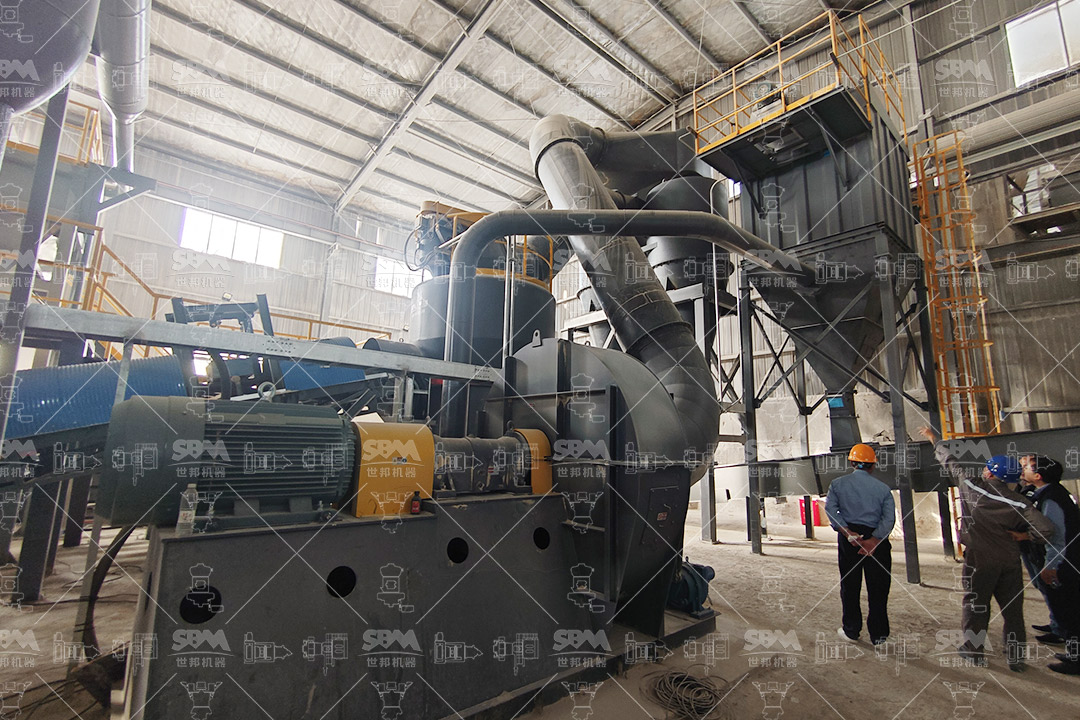
This stage is critical for liberating the fibers from the resin matrix and creating a homogeneous feed. The pre-cut FRP pieces are fed into robust crushers or hammer mills for coarse grinding. The goal here is to achieve a particle size suitable for the final fine grinding stage, typically below 20-50mm.
For this primary crushing phase, a Hammer Mill is an excellent choice. Its high-impact action is effective at breaking down the tough, fibrous structure of FRP. Models like the PC4015-132, with a capacity of 40-70 tons per hour and a high manganese steel construction for wear resistance, are well-suited to handle the abrasive nature of fiberglass waste, producing a consistent coarse granulate.
3. Fine Grinding and Fiber Liberation
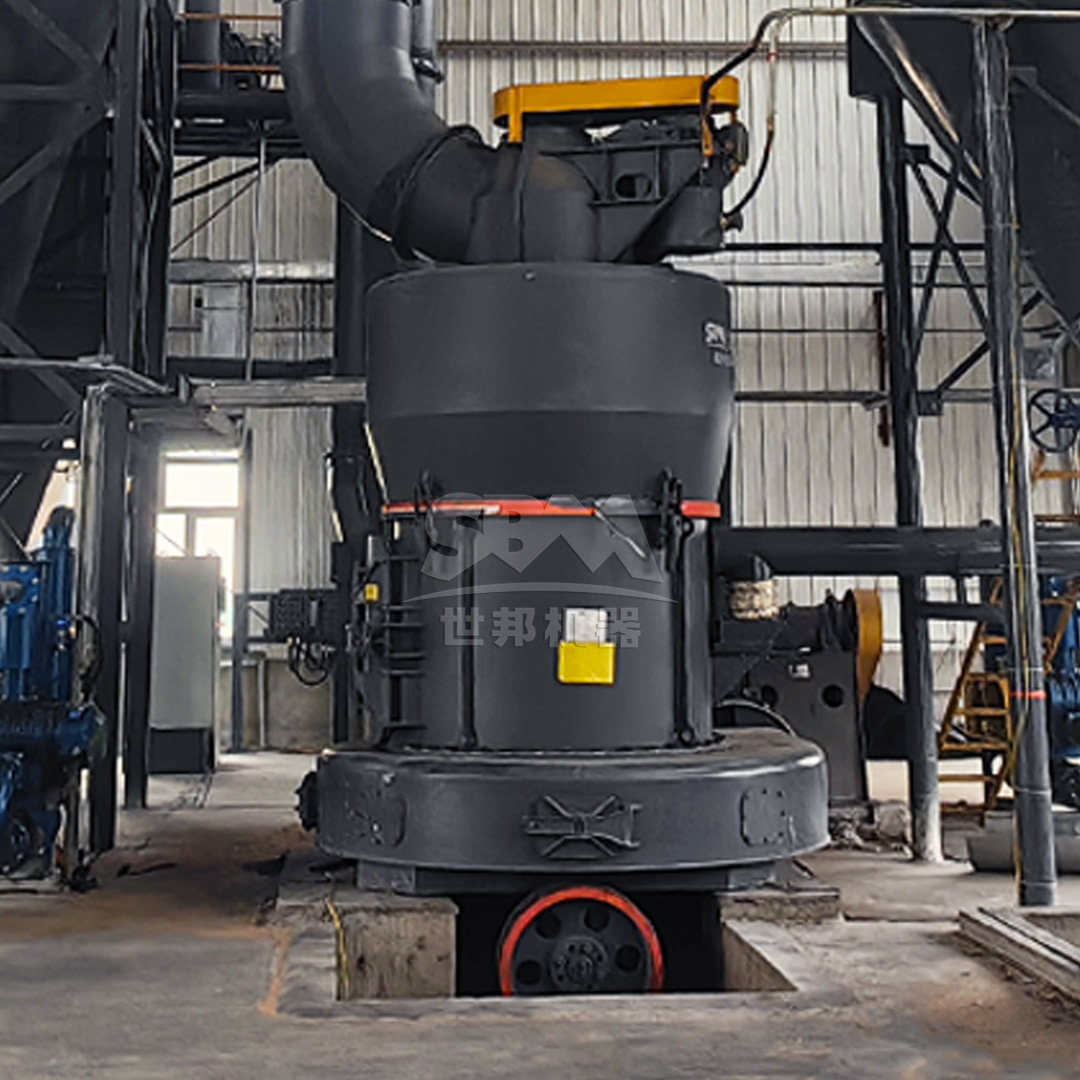
This is the core of the mechanical recycling process. The coarse FRP granules are fed into a fine grinding mill designed to further reduce the particle size and separate the glass fibers from the powdered resin. The efficiency of this stage directly determines the quality and economic value of the output: a fine powder (resin) and liberated glass fibers of specific lengths.
For high-volume processing where the target is a fine powder for use as a filler (e.g., in new composites, asphalt, or concrete), the MTW Series European Trapezium Mill is a superior solution. Its anti-wear shovel design and optimized arc air duct are built for durability with abrasive materials. With an input size of ≤50mm and a capacity ranging from 3 to 45 tons per hour (depending on the model like the MTW215G), it can efficiently grind FRP down to 30-325 mesh (600-45μm). The integrated bevel gear drive ensures high transmission efficiency and reliable operation, making it ideal for continuous, large-scale recycling plants.
4. Classification and Separation
After fine grinding, the product is a mixture of powdered resin and glass fibers of varying lengths. An air classifier is used to separate these components based on size, shape, and density. Shorter fibers and fine resin powder are carried away by the air stream, while longer, more valuable fibers are separated out. Advanced systems may employ multiple classification stages to produce different fiber fractions (e.g., long, medium, short) for different applications, maximizing market value.
5. Product Collection and Post-processing
The separated fractions are collected using high-efficiency cyclone separators and baghouse filter systems. The final products may undergo additional treatment, such as surface modification of the fibers to improve their adhesion in new composite matrices. The outputs are then packaged for sale:
- Recycled Glass Fibers: Used as reinforcement in thermoplastic composites, concrete, or gypsum products.
- Powdered Resin Filler: Used as a low-cost filler in bulk molding compounds (BMC), sheet molding compounds (SMC), or as an additive in construction materials.
Key Considerations for a Successful FRP Recycling Operation
Establishing an FRP recycling facility requires careful planning beyond just selecting equipment.
Economic Viability
The business case depends on securing a consistent and large-volume supply of FRP waste, minimizing logistics costs, and developing reliable markets for the recycled fibers and powder. The value of longer fibers is significantly higher than fine powder.
Environmental and Health Compliance
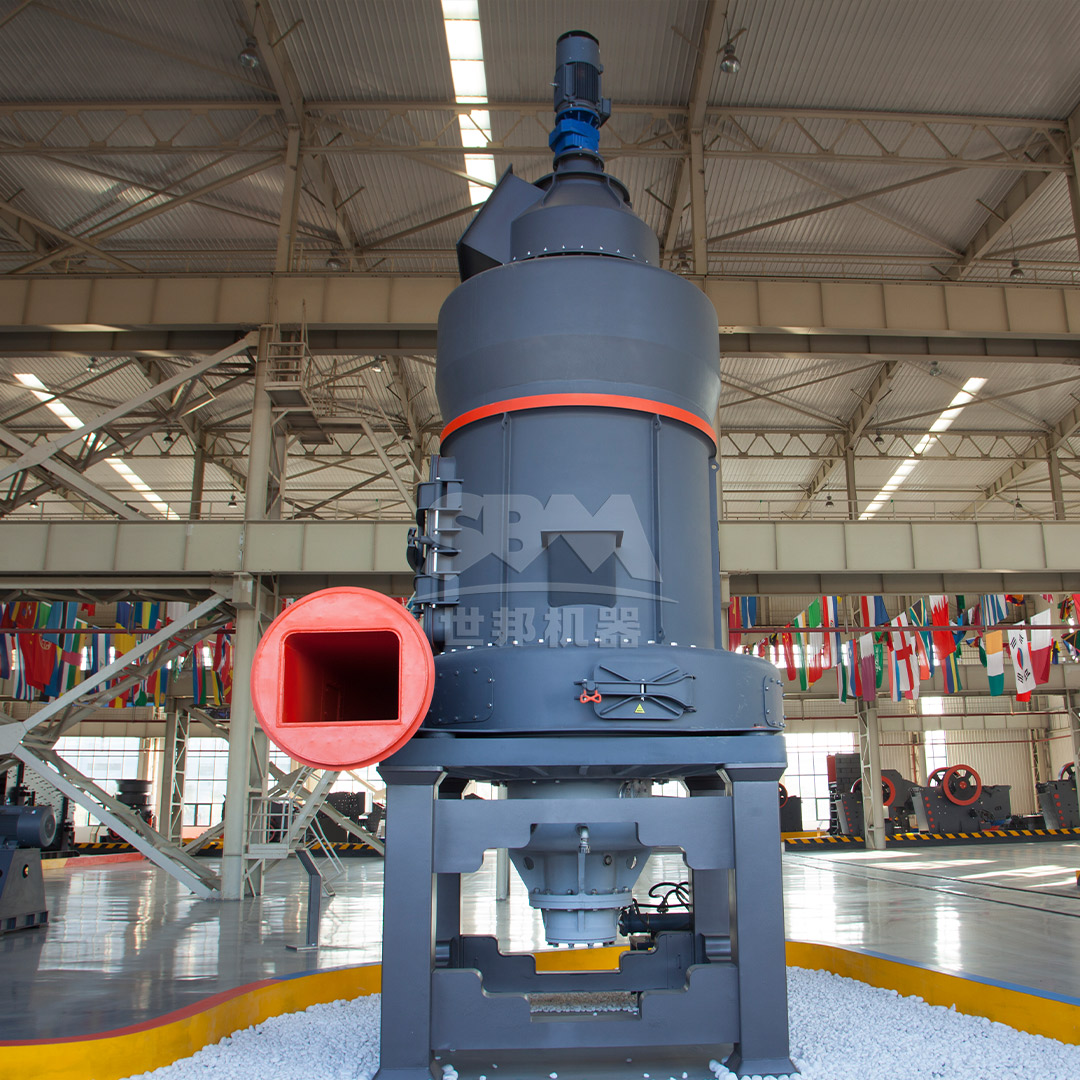
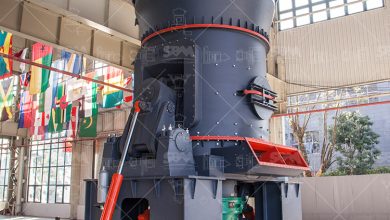
Dust control is paramount. The grinding process generates fine particulate matter, requiring fully enclosed systems with negative pressure and high-efficiency dust collectors. Worker safety protocols for handling glass dust must be strictly enforced. The LM Series Vertical Roller Mill excels in this regard with its fully sealed negative pressure operation and integrated dust collection, ensuring emissions meet stringent international standards.
Material Feedstock Variability
FRP waste streams can vary greatly in resin type, fiber content, and contamination levels. A robust recycling system must be adaptable. Equipment with intelligent control systems, like the LM Series’ expert-level auto-control, can adjust parameters in real-time to maintain consistent product quality despite feedstock variations.
Conclusion: Towards a Circular Economy for Composites
Mechanical recycling, powered by advanced grinding and classification technology, presents the most immediate and scalable pathway for managing the growing mountain of FRP waste. By transforming end-of-life fiberglass from an environmental liability into a valuable secondary raw material, this process is a cornerstone of the circular economy for composites.
The choice of processing equipment is critical to the technical and economic success of such an endeavor. A robust system like the MTW Series European Trapezium Mill for high-capacity fine grinding, paired with a Hammer Mill for primary size reduction, provides a reliable and efficient backbone for an FRP recycling plant. These technologies enable the recovery of high-quality materials, reduce reliance on landfills, lower the carbon footprint of new composite products, and unlock new economic opportunities in the green materials sector. Investing in the right technological solutions today is essential for building a sustainable future for the composites industry.