Comprehensive Guide to Development and Utilization of Attapulgite Mineral Resources in Anhui
1. Introduction to Attapulgite Resources in Anhui Province
Anhui Province, located in eastern China, is endowed with significant reserves of attapulgite clay, a unique hydrated magnesium aluminum silicate mineral with a fibrous crystalline structure. This mineral, also known as palygorskite, is renowned for its exceptional colloidal, adsorbent, and rheological properties. The primary deposits in Anhui, particularly in areas such as Mingguang and Lai’an, are characterized by high purity and substantial thickness, positioning the province as a key player in the national and global attapulgite market. The strategic development of these resources requires a comprehensive approach encompassing geological assessment, advanced processing technologies, and high-value application development.
2. Key Processing Stages and Technological Requirements
The transformation of raw attapulgite ore into marketable products involves several critical stages, each demanding specific technological solutions to preserve the mineral’s natural structure and enhance its functional properties.
2.1. Crushing and Primary Size Reduction
Raw attapulgite ore, typically mined in large lumps, must first undergo primary and secondary crushing. The goal is to reduce the material to a manageable size (generally below 20-50mm) for subsequent drying and grinding processes. Equipment like hammer mills are suitable for this stage due to their high capacity and ability to handle moist, clayey materials.
2.2. Drying
Attapulgite often has a high natural moisture content. Efficient drying is crucial to prevent clogging in grinding mills and to prepare the material for activation. Rotary dryers or flash dryers are commonly employed to reduce moisture to optimal levels (typically below 10-15%).
2.3. Grinding and Classification: The Core of Value Addition
This is the most critical stage in attapulgite processing. The objective is to liberate the mineral’s fibrous crystals without destroying them, achieving specific fineness levels for different applications. Coarse grinding (30-200 mesh) produces products for animal feed, carrier, and agricultural uses. Medium-fine grinding (200-325 mesh) is suitable for drilling mud, pet litter, and chemical carriers. Ultra-fine grinding (325-2500 mesh or 45-5μm) unlocks the highest value for applications in high-performance adsorbents, nanocatalysts, polymer composites, and advanced rheological modifiers.
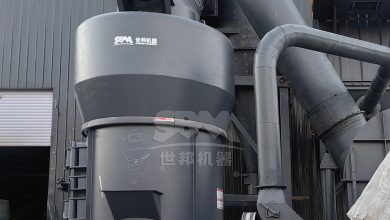
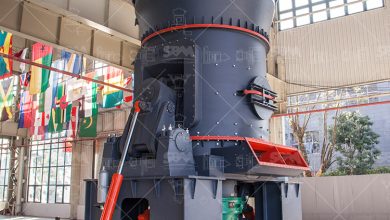
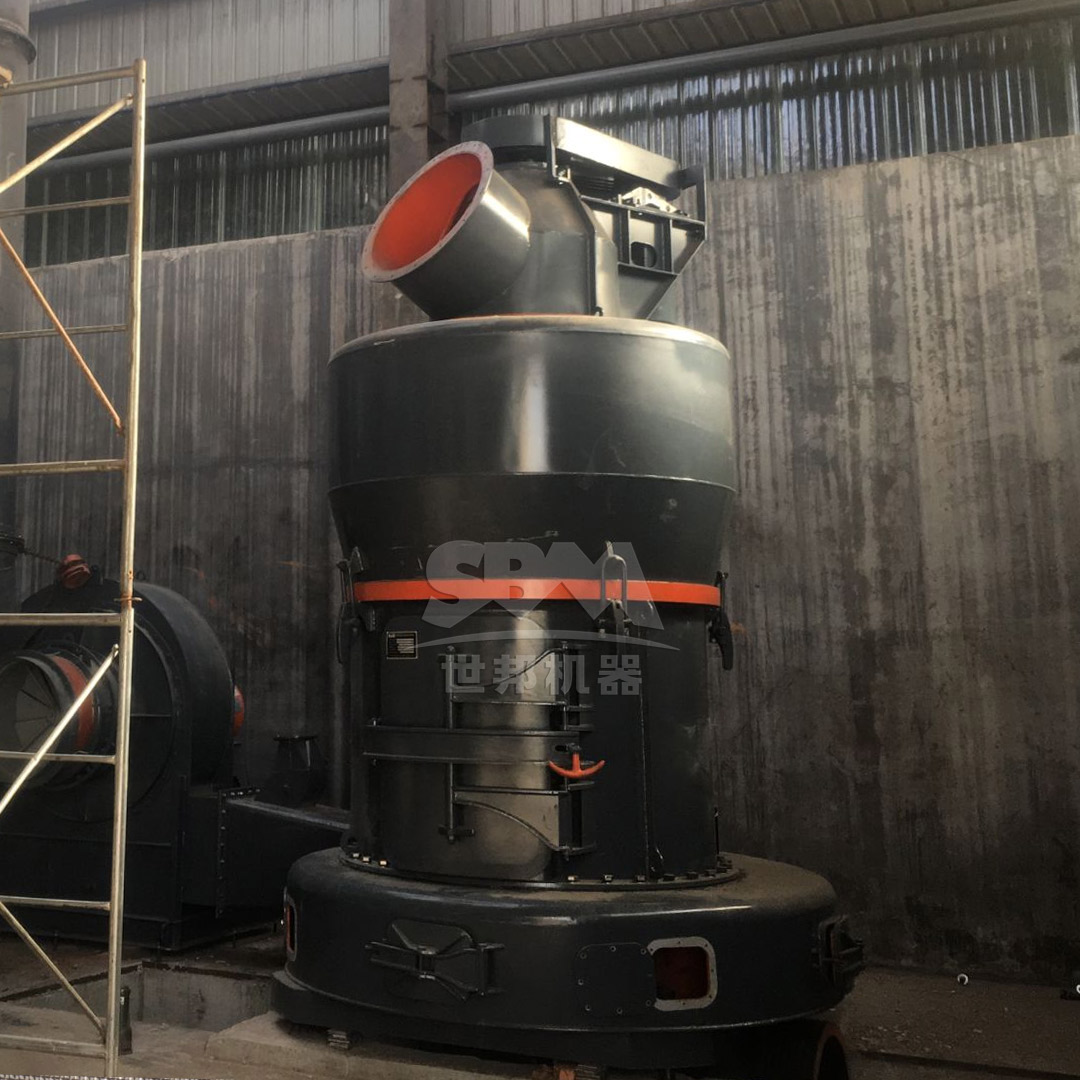
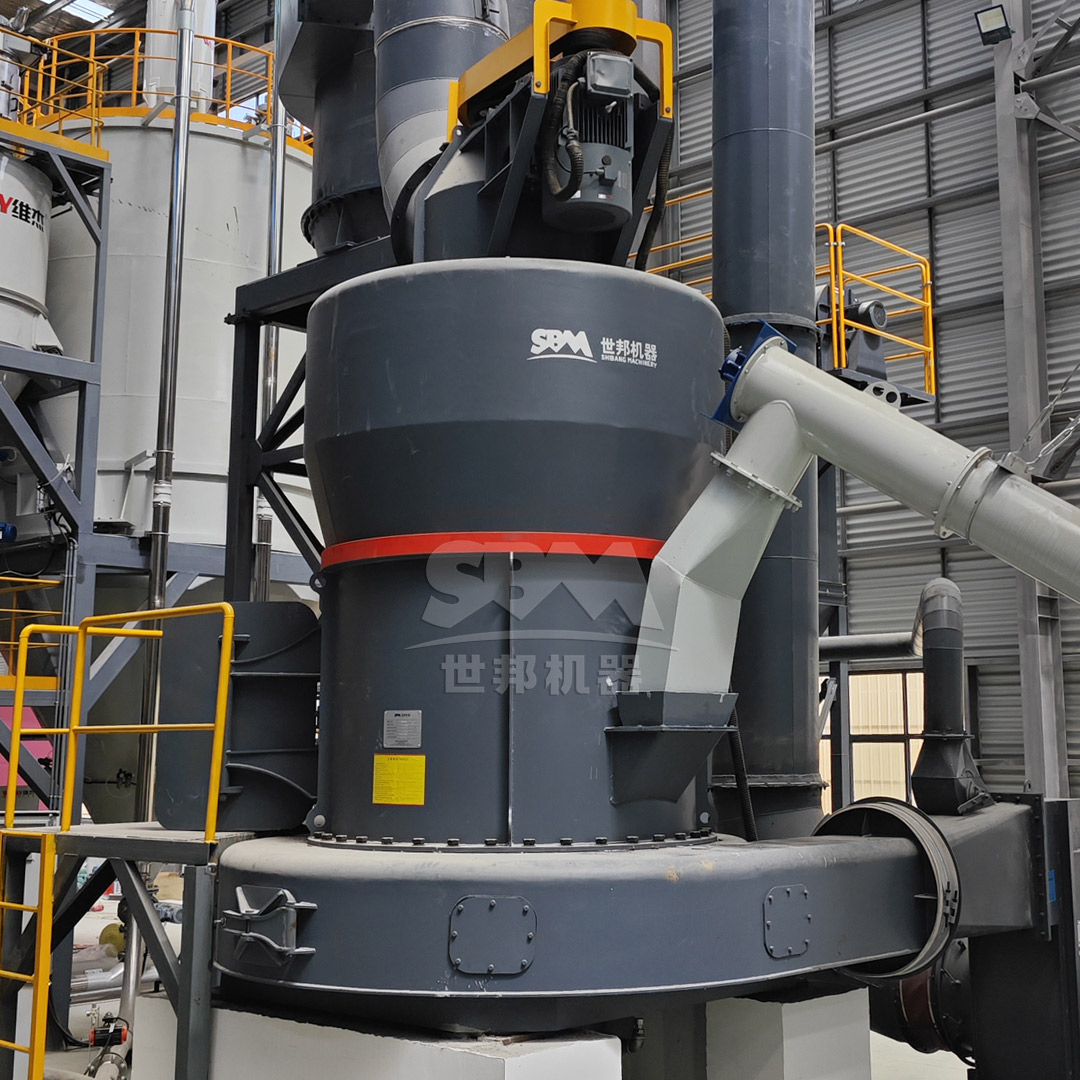
For coarse to medium-fine grinding, robust and efficient mills are essential. The MTW Series European Trapezium Mill is an exemplary solution for this range. With an input size of ≤50mm and an output fineness adjustable between 30-325 mesh (600-45μm), it perfectly handles dried attapulgite lumps. Its advantages, such as the wear-resistant combined shovel design, optimized arc air duct for high transmission efficiency, and an integral bevel gear drive with 98% efficiency, make it ideal for large-scale, cost-effective production of standard-grade attapulgite powders. Models like the MTW215G can achieve capacities up to 45 tons per hour, providing the throughput needed for major industrial applications.
2.4. Activation and Modification
To enhance specific properties like adsorption capacity, surface activity, or compatibility with organic matrices, attapulgite may undergo thermal activation (calcination) or chemical modification (e.g., acid activation, organic surface treatment). These processes require precise temperature control and mixing systems.
3. High-Value Applications and Market Outlook
Processed Anhui attapulgite finds diverse applications:
• Environmental Protection: As an adsorbent for heavy metals, organic pollutants, and phosphate in wastewater; as a carrier for catalysts.
• Agriculture & Animal Husbandry: As a binder for feed pellets, a carrier for pesticides/fertilizers, and a soil conditioner.
• Industrial: As a rheological modifier in paints, coatings, and drilling fluids; a reinforcing agent in rubber and plastics.
• Advanced Materials: In nanocomposites, catalyst supports, and functional fillers, where ultra-fine and highly purified grades are essential.
4. The Critical Role of Advanced Ultrafine Grinding Technology
To penetrate the high-end market of nanocomposites and advanced adsorbents, producing attapulgite powder with a fineness of 2500 mesh (5μm) or finer is paramount. This demands grinding technology that combines high energy efficiency with precise particle size control to preserve the fibrous morphology.
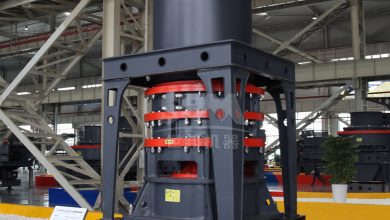
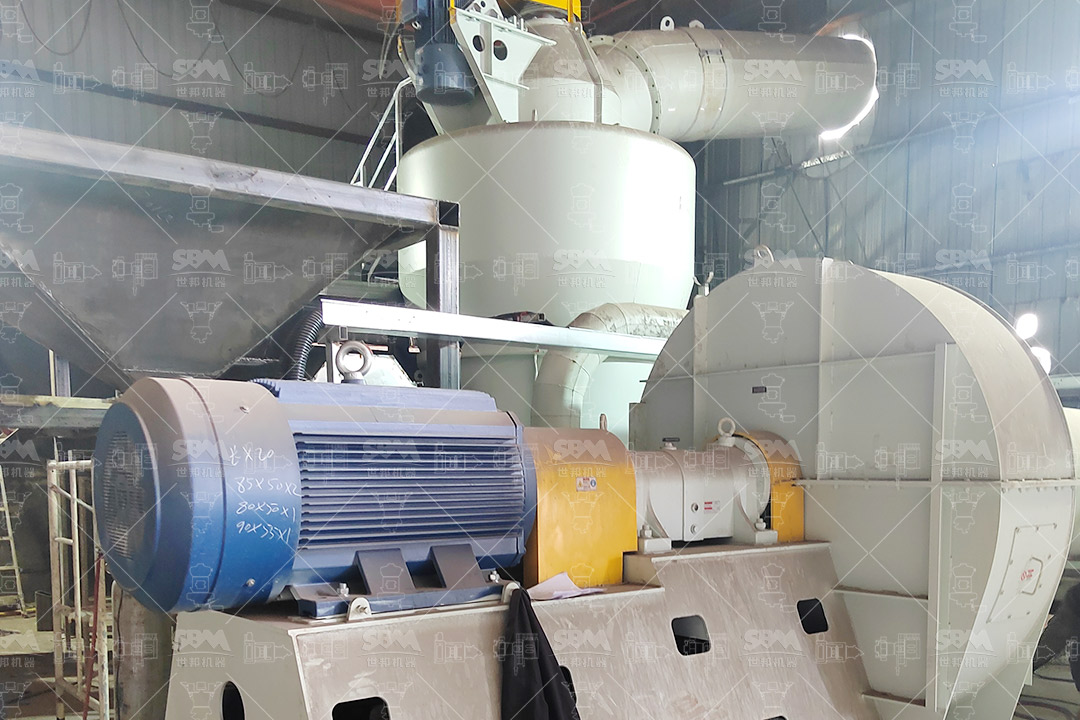
For this pinnacle of processing, the SCM Series Ultrafine Mill represents the state-of-the-art solution. Engineered specifically for producing micro-powders between 325 and 2500 mesh (45-5μm), it is the ideal equipment for manufacturing premium-grade attapulgite. Its vertical turbine classifier ensures high-precision particle size cutting, eliminating coarse powder mixing and guaranteeing a uniform, high-quality product. The mill’s design emphasizes durability with special material rollers and rings, and its eco-friendly operation features a pulse dust collection system exceeding international standards. With models like the SCM1680 offering capacities up to 25 tons per hour, it enables the economically viable, large-scale production of ultrafine attapulgite, directly supporting the development of Anhui’s most valuable mineral derivatives.
5. Sustainable Development and Conclusion
The future of Anhui’s attapulgite industry lies in a sustainable development model that integrates responsible mining, advanced and energy-efficient processing technologies, and continuous innovation in high-value applications. Investing in modern grinding systems like the MTW Series for standard grades and the SCM Series for ultra-fine grades is not merely an equipment upgrade; it is a strategic move to enhance product competitiveness, reduce specific energy consumption, and minimize environmental footprint. By leveraging its rich mineral resources alongside cutting-edge processing solutions, Anhui Province is well-positioned to solidify its status as a global hub for high-quality attapulgite products across traditional and advanced industrial sectors.