Lithium Mica in Ceramics: Industry Shift and Environmental Compliance Concerns
Introduction: The Rise of Lithium Mica in Modern Ceramics
The global ceramics industry is undergoing a significant transformation, driven by the pursuit of superior material properties and stringent environmental regulations. At the forefront of this shift is the increasing adoption of lithium mica (particularly lepidolite and zinnwaldite) as a key fluxing agent and performance enhancer. Traditionally reliant on feldspars and other fluxes, manufacturers are now turning to lithium mica for its ability to lower firing temperatures significantly—by 50-100°C—while simultaneously improving thermal shock resistance, mechanical strength, and glaze brilliance. This transition, however, presents a dual challenge: achieving the ultra-fine particle sizes necessary for optimal ceramic performance and doing so within an increasingly strict environmental compliance framework.
The Technical Imperative: Why Particle Size Matters
The efficacy of lithium mica in ceramic bodies and glazes is intrinsically linked to its fineness and particle size distribution (PSD). Coarse particles can lead to defects like pinholes, poor sintering, and reduced mechanical integrity. For lithium mica to act as an efficient flux and uniformly disperse its lithium content, a fineness typically ranging from 325 mesh (45μm) for body applications down to 2500 mesh (5μm) for high-quality glazes is required. Achieving this consistently is not merely a quality issue; it directly impacts production efficiency, energy consumption during firing, and the final product’s market competitiveness.
The Environmental Compliance Challenge
As the industry pivots towards advanced materials like lithium mica, environmental regulations are tightening globally. The comminution process—crushing and grinding raw lithium mica ore into a usable powder—is inherently energy-intensive and a potential source of dust emissions and noise pollution. Regulatory bodies are imposing lower limits on particulate matter (PM2.5, PM10) emissions and workplace noise levels. Furthermore, the high energy consumption of traditional grinding equipment, such as ball mills, contributes to a larger carbon footprint. Therefore, the modern ceramic producer must source processing technology that not only delivers the required technical specifications but also operates within the bounds of environmental stewardship and sustainable practice.
Meeting the Demand: Advanced Milling Solutions for Lithium Mica
Addressing the twin demands of ultra-fine grinding and environmental compliance requires a new generation of milling technology. Conventional systems often fall short, being either incapable of reaching the necessary fineness without excessive energy use or failing to contain dust and noise effectively. The solution lies in integrated systems designed for efficiency, precision, and clean operation.
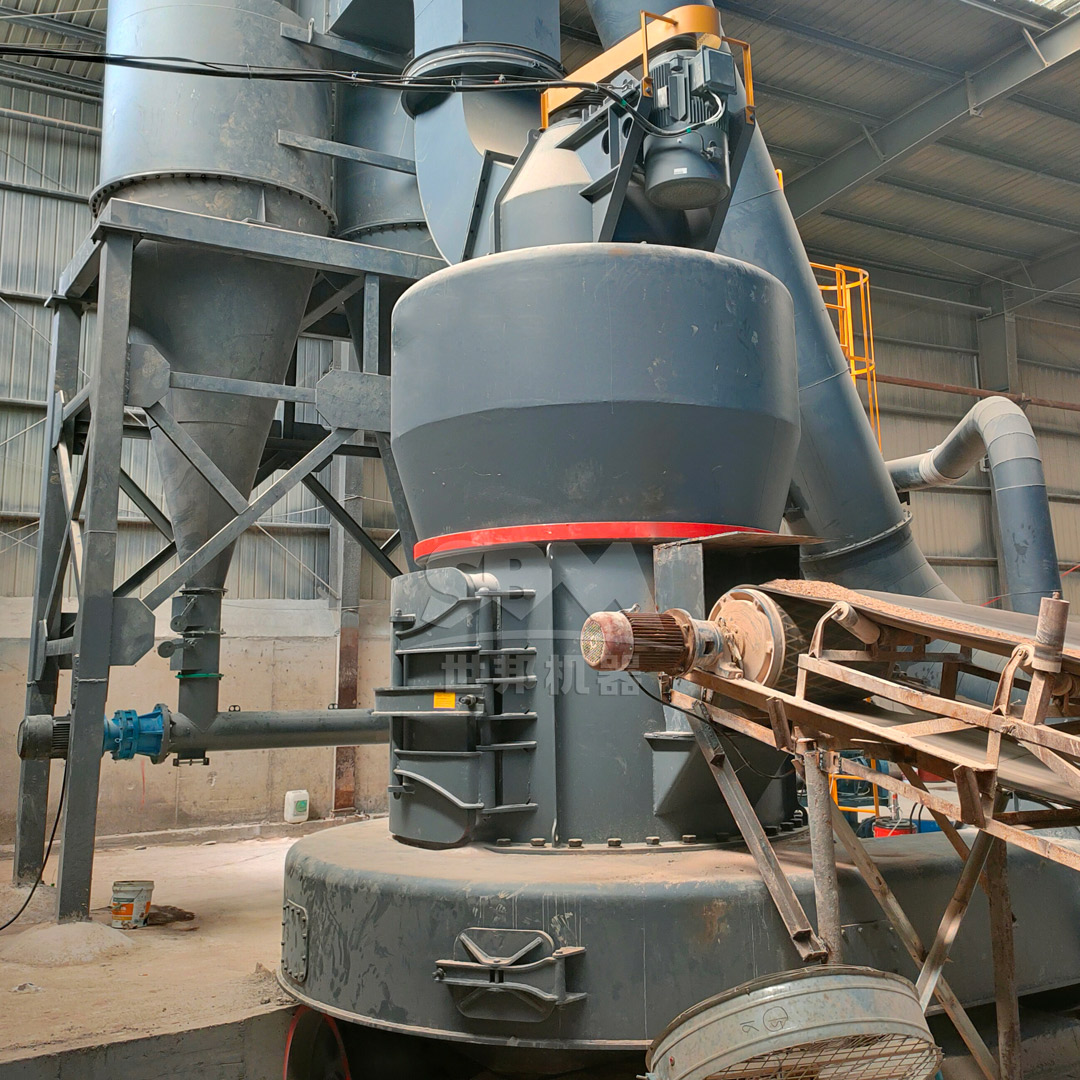
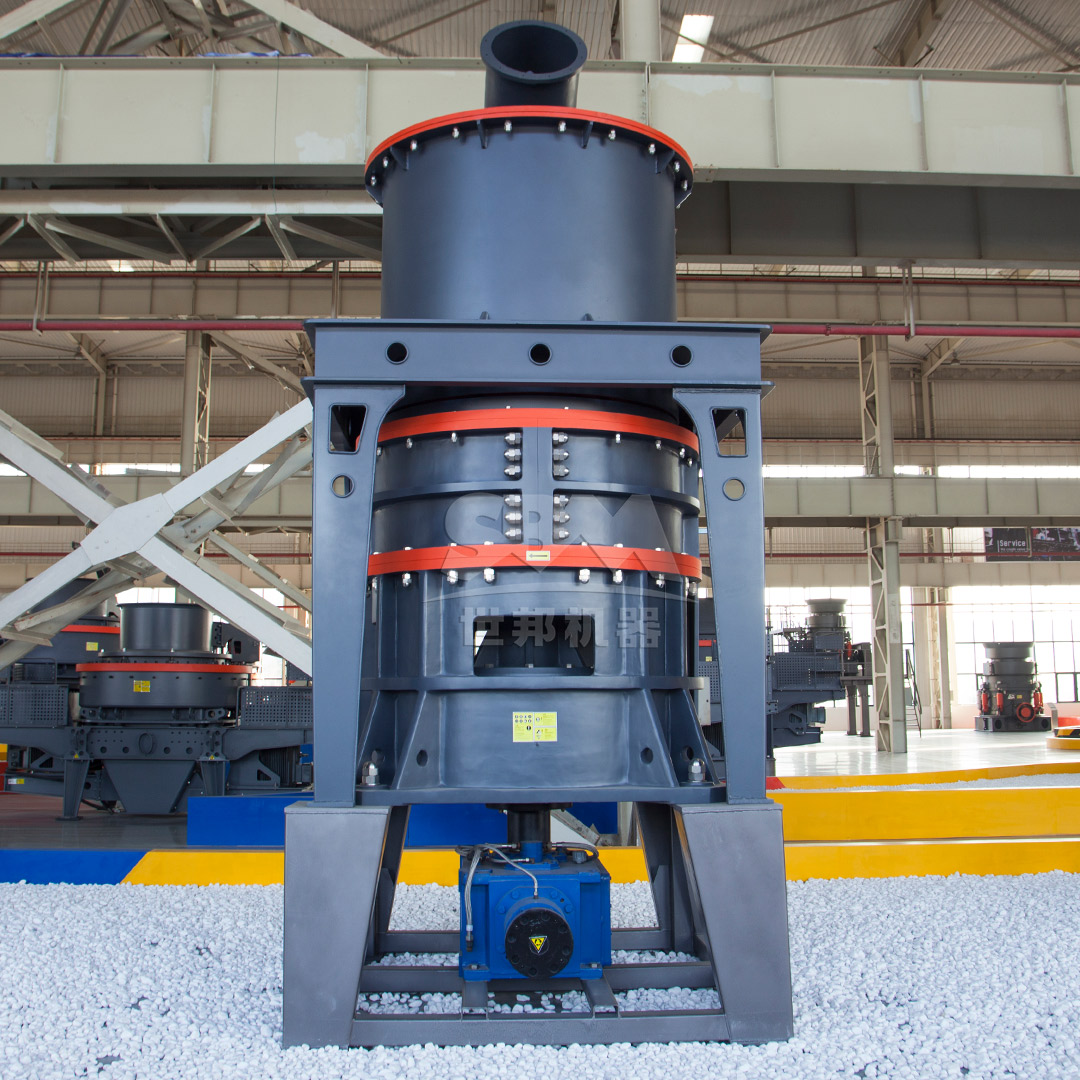
For ceramic producers seeking to process lithium mica into the superfine range (325-2500 mesh), the SCM Series Ultrafine Mill represents an ideal technological partner. Engineered specifically for materials like mica, its core advantages align perfectly with industry needs:
- High-Precision Classification: Its vertical turbine classifier ensures a sharp particle size cut, producing a uniform product with no coarse powder mixing—critical for consistent glaze and body performance.
- Eco-friendly & Low Noise Design: The mill incorporates a pulse dust collection system with efficiency exceeding international standards and a soundproof room design, ensuring dust emissions and noise levels are kept well within regulatory limits.
- High Efficiency: Offering capacity up to 2 times that of jet mills with approximately 30% lower energy consumption, it directly reduces the operational carbon footprint and cost per ton.
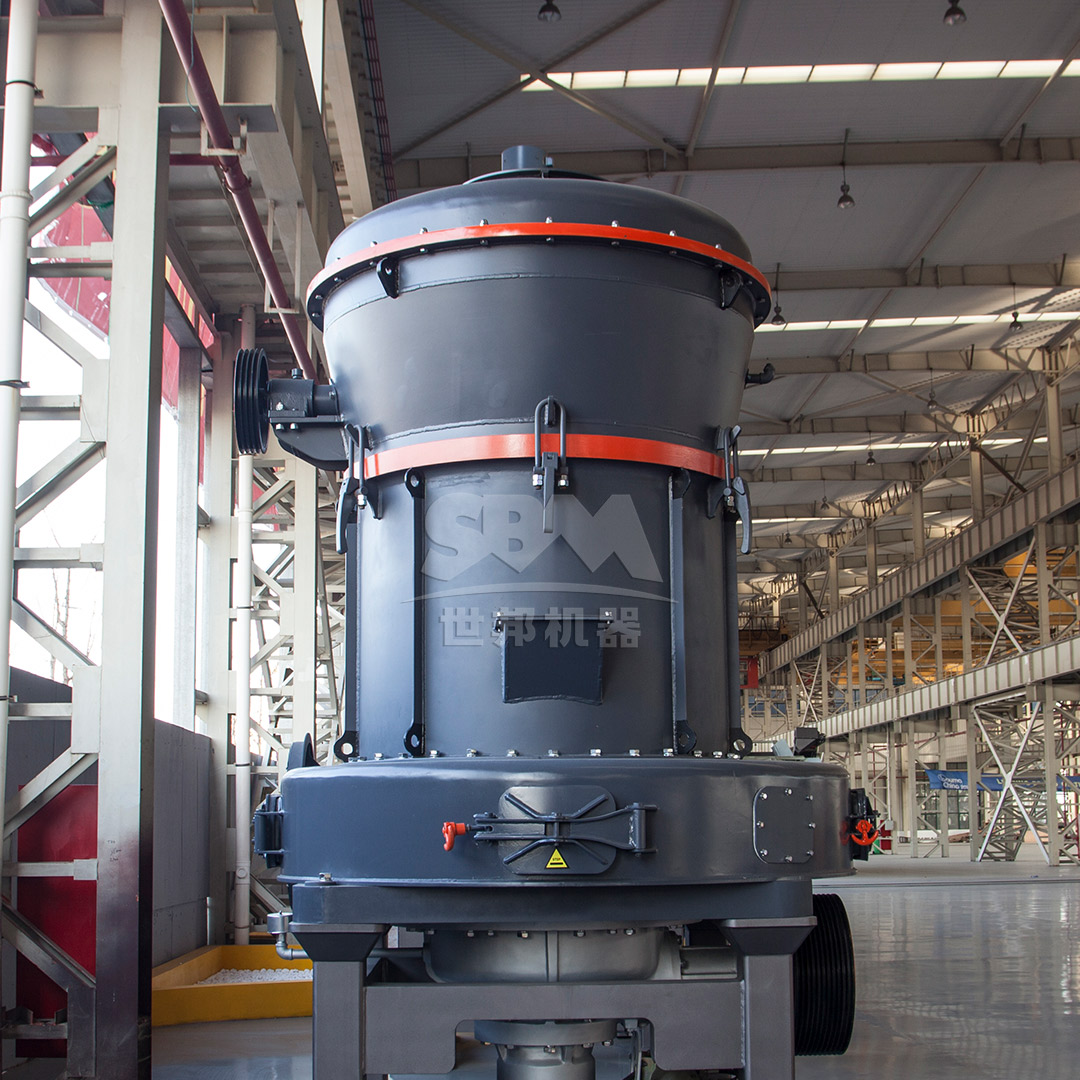
For applications requiring a slightly coarser grind or for the initial size reduction of lithium mica feed stock, the MTW Series European Trapezium Mill offers robust and efficient processing. With an output range of 30-325 mesh (600-45μm), it features an optimized arc air duct for reduced energy loss and a wear-resistant volute structure that cuts maintenance costs. Its integrated design promotes stable operation and easier dust control, making it a reliable choice for intermediate grinding stages.
Strategic Integration for a Sustainable Future
The successful integration of lithium mica into ceramic manufacturing is more than a material substitution; it is a strategic operational decision. By partnering with advanced milling technology providers, manufacturers can future-proof their operations. The ability to precisely control PSD leads to less material waste, more predictable firing cycles (further saving energy), and higher product yields. Simultaneously, investing in equipment with inherent environmental safeguards mitigates regulatory risk and enhances corporate social responsibility profiles.
Conclusion
The shift towards lithium mica in the ceramics industry is a clear response to the demand for higher performance and greater efficiency. However, this shift’s success is contingent upon overcoming the technical and environmental hurdles of processing. By adopting advanced, purpose-built milling solutions like the SCM Series Ultrafine Mill, manufacturers can unlock the full potential of lithium mica—achieving the exacting fineness standards required for premium ceramics while unequivocally meeting and exceeding environmental compliance mandates. This synergy between innovative material use and cutting-edge processing technology will define the next era of ceramic manufacturing.