What Are the Uses of Silicon Manganese Slag? How Can Silicon Manganese Slag Be Utilized in Building Materials?
Introduction: From Industrial Byproduct to Valuable Resource
The ferroalloy industry, particularly silicon manganese (SiMn) production, generates substantial quantities of solid waste known as silicon manganese slag. Traditionally viewed as an environmental liability requiring disposal, this material is increasingly recognized as a valuable secondary resource with significant potential for sustainable applications. This article explores the multifaceted uses of silicon manganese slag, with a particular focus on its innovative and high-value utilization in the building materials sector, transforming an industrial byproduct into a cornerstone of the circular economy.
1. Understanding Silicon Manganese Slag: Composition and Characteristics
Silicon manganese slag is a non-metallic byproduct generated during the carbothermic reduction of manganese ores and quartz in submerged arc furnaces to produce silicon manganese alloy. Its chemical composition primarily consists of silica (SiO2: 35-45%), alumina (Al2O3: 10-20%), calcium oxide (CaO: 15-30%), and magnesium oxide (MgO: 3-8%), with minor amounts of residual manganese and iron oxides. The slag is typically granulated using high-pressure water jets, resulting in a vitreous, granular material with latent hydraulic and pozzolanic properties. This amorphous structure is key to its reactivity and usefulness in subsequent applications.
2. Traditional and Emerging Uses of Silicon Manganese Slag
Before delving into building materials, it’s important to acknowledge the broader spectrum of applications for SiMn slag.
2.1. Road Construction and Embankment Fill
Due to its granular nature and good mechanical stability, SiMn slag is extensively used as a sub-base or fill material in road construction, railway ballast, and embankments. It offers excellent drainage properties and load-bearing capacity.
2.2. Land Reclamation and Soil Amendment
The slag’s alkaline nature can help neutralize acidic soils. When processed and applied in controlled amounts, it can serve as a soil conditioner, improving soil structure and providing trace minerals.
2.3. Recovery of Residual Metals
Advanced processing techniques, including magnetic separation and hydrometallurgy, can recover residual manganese and other valuable metals from the slag, improving the overall economics of the ferroalloy production process.
3. High-Value Utilization in Building Materials
The most promising and sustainable avenue for SiMn slag lies in its transformation into high-performance building materials. This not only diverts waste from landfills but also reduces the carbon footprint of construction by displacing energy-intensive virgin materials like Portland cement.
3.1. Supplementary Cementitious Material (SCM) and Blended Cements
Finely ground silicon manganese slag exhibits excellent pozzolanic and latent hydraulic activity. When mixed with Portland cement, it reacts with calcium hydroxide (a byproduct of cement hydration) to form additional calcium silicate hydrate (C-S-H) gel, the primary binder in concrete. This results in:
- Enhanced Long-Term Strength: Concrete with SiMn slag often shows higher compressive strength at later ages (56-90 days).
- Improved Durability: It reduces concrete permeability, enhancing resistance to chloride ion penetration, sulfate attack, and alkali-silica reaction (ASR).
- Reduced Heat of Hydration: This is critical for mass concrete pours, minimizing thermal cracking.
- Lower Carbon Footprint: Replacing 30-50% of clinker with slag can reduce the CO2 emissions of the binder by a similar percentage.
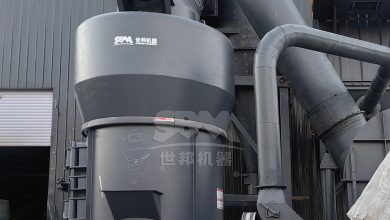
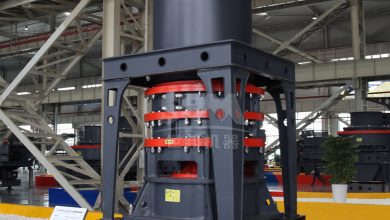
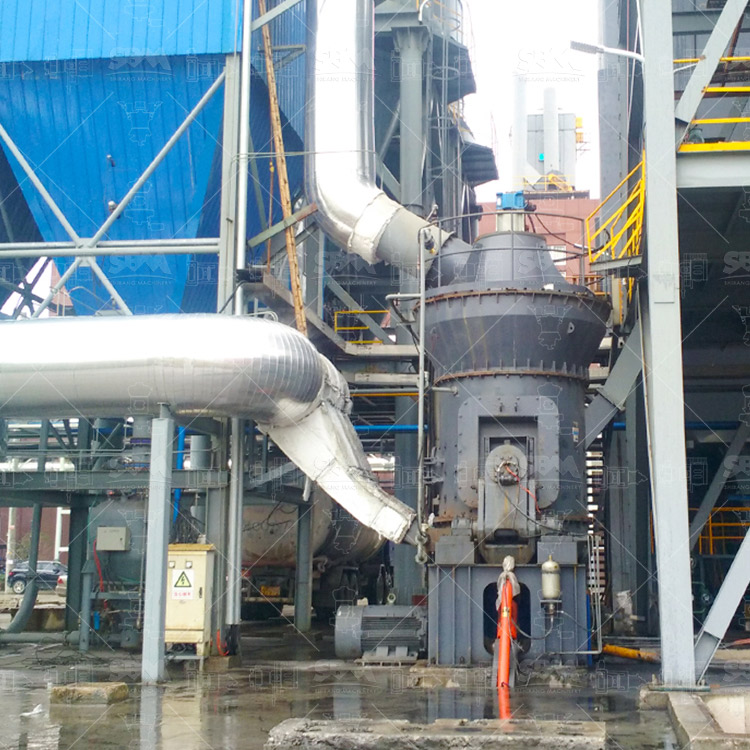
The efficacy of SiMn slag as an SCM is directly tied to its fineness and particle size distribution. A superfine, consistent powder maximizes surface area and reactivity. For this critical processing step, our SCM Series Ultrafine Mill is the ideal solution. Engineered to handle hard, abrasive materials like slag, it can produce powders with fineness ranging from 325 to 2500 mesh (45-5μm). Its high-efficiency classification system ensures no coarse particles are mixed in, resulting in a uniform product that delivers predictable and superior performance in concrete mixes. With capacities from 0.5 to 25 tons per hour and energy consumption 30% lower than comparable jet mills, it offers an economical and high-performance route to valorizing SiMn slag.
3.2. Geopolymer Binders and Alkali-Activated Materials
Beyond traditional blending, SiMn slag is a prime candidate for geopolymer synthesis. When activated by an alkaline solution (e.g., sodium silicate or hydroxide), the aluminosilicate glass in the slag dissolves and re-polymerizes to form a strong, ceramic-like binder. Geopolymers made from SiMn slag offer:
- Very high early and ultimate strength.
- Exceptional fire and chemical resistance.
- An ultra-low carbon alternative to Ordinary Portland Cement (OPC).
These binders can be used for precast elements, waste encapsulation, and specialized construction applications.
3.3. Aggregate in Concrete and Mortar
Coarser fractions of granulated slag can be used as a partial or full replacement for natural sand or coarse aggregate. Lightweight aggregates can also be produced by sintering the slag. Using slag aggregate improves the mechanical bond with the cement paste and can lead to more durable concrete.
3.4. Production of Cement Clinker
SiMn slag can be used as a raw meal component in cement kilns. Its composition provides the necessary silica, alumina, and lime, reducing the need for virgin quarried materials like clay and limestone, and lowering the kiln’s firing temperature due to its fluxing action.
3.5. Manufacturing of Bricks, Tiles, and Ceramics
Slag can be incorporated into the body mix for bricks, paving stones, and ceramic tiles. It acts as a flux during firing, reducing energy consumption and improving the sintering process, leading to products with good strength and wear resistance.
4. Processing Technology: The Key to Unlocking Value
The transformation of raw, granular slag into a high-value building material hinges on efficient and precise size reduction. Different applications require different fineness levels:
- SCM for Concrete: Requires ultrafine grinding (<45μm).
- Geopolymer Precursor: May require fine to medium grinding (45-150μm).
- Raw Meal for Cement: Requires grinding to around 200 mesh (74μm).
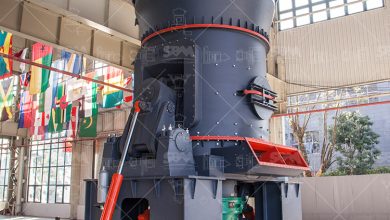
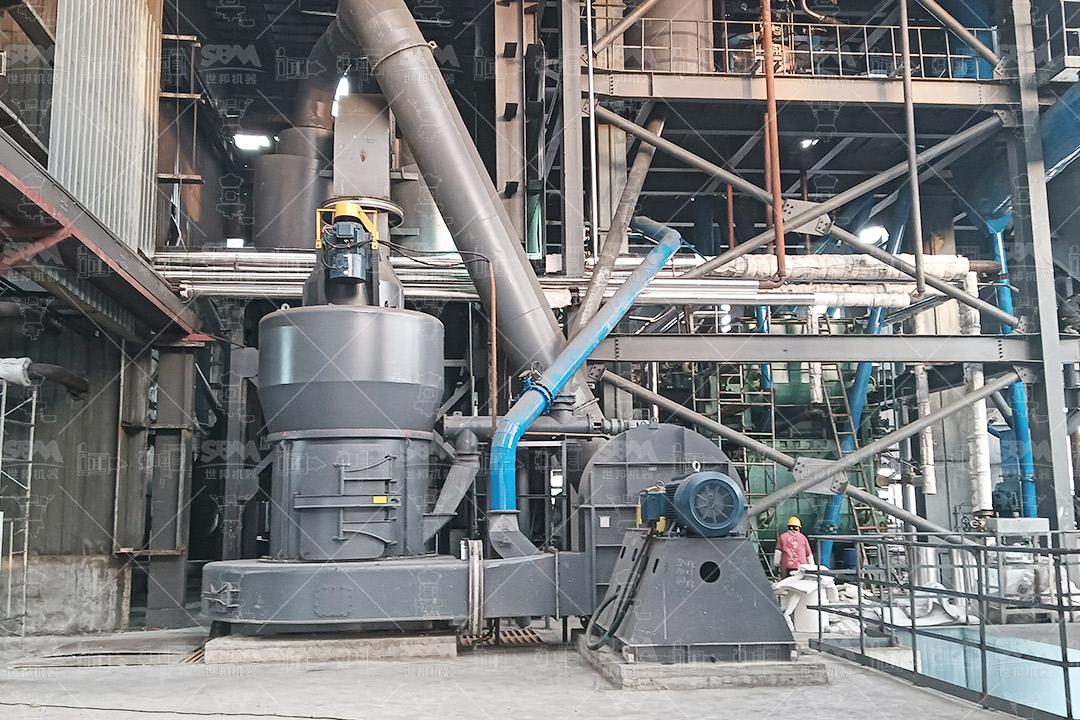
For medium to fine grinding applications, such as preparing slag for cement raw meal or initial size reduction before ultrafine milling, our MTW Series European Trapezium Mill is exceptionally capable. Designed for high capacity (3-45 TPH) and reliability, it handles feed sizes up to 50mm and produces powders from 30-325 mesh (600-45μm). Its wear-resistant design, featuring combined shovel blades and optimized grinding rollers, ensures low operating costs when processing abrasive slags. The integral bevel gear drive provides high transmission efficiency (up to 98%), making it a robust and energy-efficient workhorse for any slag processing circuit.
5. Environmental and Economic Benefits
The utilization of silicon manganese slag in building materials delivers a powerful dual benefit:
- Environmental: It conserves natural resources (limestone, clay, sand), reduces landfill use and associated leaching risks, and significantly cuts greenhouse gas emissions from cement production. Life Cycle Assessment (LCA) studies consistently show a net positive environmental impact.
- Economic: It creates a new revenue stream for ferroalloy producers, reduces raw material costs for construction material manufacturers, and can lead to the development of premium, high-performance green building products with market advantages.
6. Challenges and Future Outlook
While the potential is vast, challenges remain, including variability in slag composition, the need for consistent quality control, and establishing comprehensive standards and specifications for slag-based products. Ongoing research focuses on optimizing activation methods, developing hybrid slag-blended systems, and exploring novel applications like photocatalytic materials and heavy metal adsorbents derived from slag.
Conclusion
Silicon manganese slag is no longer merely a waste product but a versatile resource poised to play a major role in sustainable construction. Its successful integration into the building materials value chain—as a high-performance SCM, a geopolymer precursor, or a sustainable aggregate—depends on understanding its properties and applying the right processing technology. By investing in advanced grinding solutions like the SCM Series Ultrafine Mill and the MTW Series European Trapezium Mill, industries can efficiently transform this industrial byproduct into consistent, high-quality materials that build a greener, more resilient future. The journey from furnace to foundation is a compelling example of industrial symbiosis and circular economy principles in action.