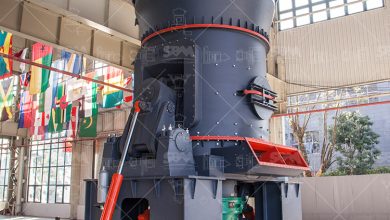
Multifunctional Grinding Mill Series: Boosting Dolomite Industry Development
Introduction: The Strategic Importance of Dolomite Processing
The dolomite industry is a cornerstone of modern manufacturing, supplying essential raw materials for construction, agriculture, glass, ceramics, and emerging sectors like flame retardants and environmental remediation. The value and application range of dolomite are intrinsically linked to its particle size, purity, and morphology. Therefore, the evolution of grinding technology is not merely an operational concern but a strategic driver for the entire industry’s development. Advanced, multifunctional grinding mill series are pivotal in unlocking dolomite’s full potential, enabling producers to meet diverse market demands with precision, efficiency, and sustainability.
Challenges in Modern Dolomite Milling
Processing dolomite presents unique challenges that demand robust technological solutions. Its moderate hardness (3.5-4 on the Mohs scale) requires efficient energy utilization to avoid excessive wear on equipment. Furthermore, the industry’s shift towards high-value applications necessitates the production of ultra-fine powders (below 10μm) and coated products with strict particle size distribution (PSD) control. Traditional grinding systems often struggle with high energy consumption, inconsistent product quality, significant dust emissions, and limited flexibility across different fineness ranges. Overcoming these hurdles requires a portfolio of grinding solutions, each optimized for specific stages and final product specifications.
The Multifunctional Mill Portfolio: A Tailored Approach
A one-size-fits-all approach is inadequate for the versatile dolomite market. A comprehensive grinding strategy involves selecting the right mill for the right task, from coarse crushing to ultra-fine polishing. Leading equipment providers now offer integrated series that cover the entire processing spectrum.
1. For Coarse to Medium-Fine Grinding (30-325 mesh)
This range is critical for producing fillers for plastics, rubber, and construction materials like asphalt. The key requirements are high throughput, reliability, and low operating cost.
Recommended Solution: The MTW Series European Trapezium Mill stands out in this category. Engineered with an anti-wear shovel design and optimized arc air duct, it significantly reduces maintenance costs and energy loss when processing dolomite feed sizes up to 50mm. Its integral bevel gear drive achieves a remarkable 98% transmission efficiency, directly translating to lower power consumption per ton of output. For dolomite plants aiming for capacities between 3 to 45 tons per hour in the 30-325 mesh range, the MTW Series provides a perfect balance of robustness and precision.
2. For Large-Scale Industrial Grinding (30-325 mesh)
Mega-projects and integrated industrial complexes demand mills with exceptional capacity, vertical integration, and automation.
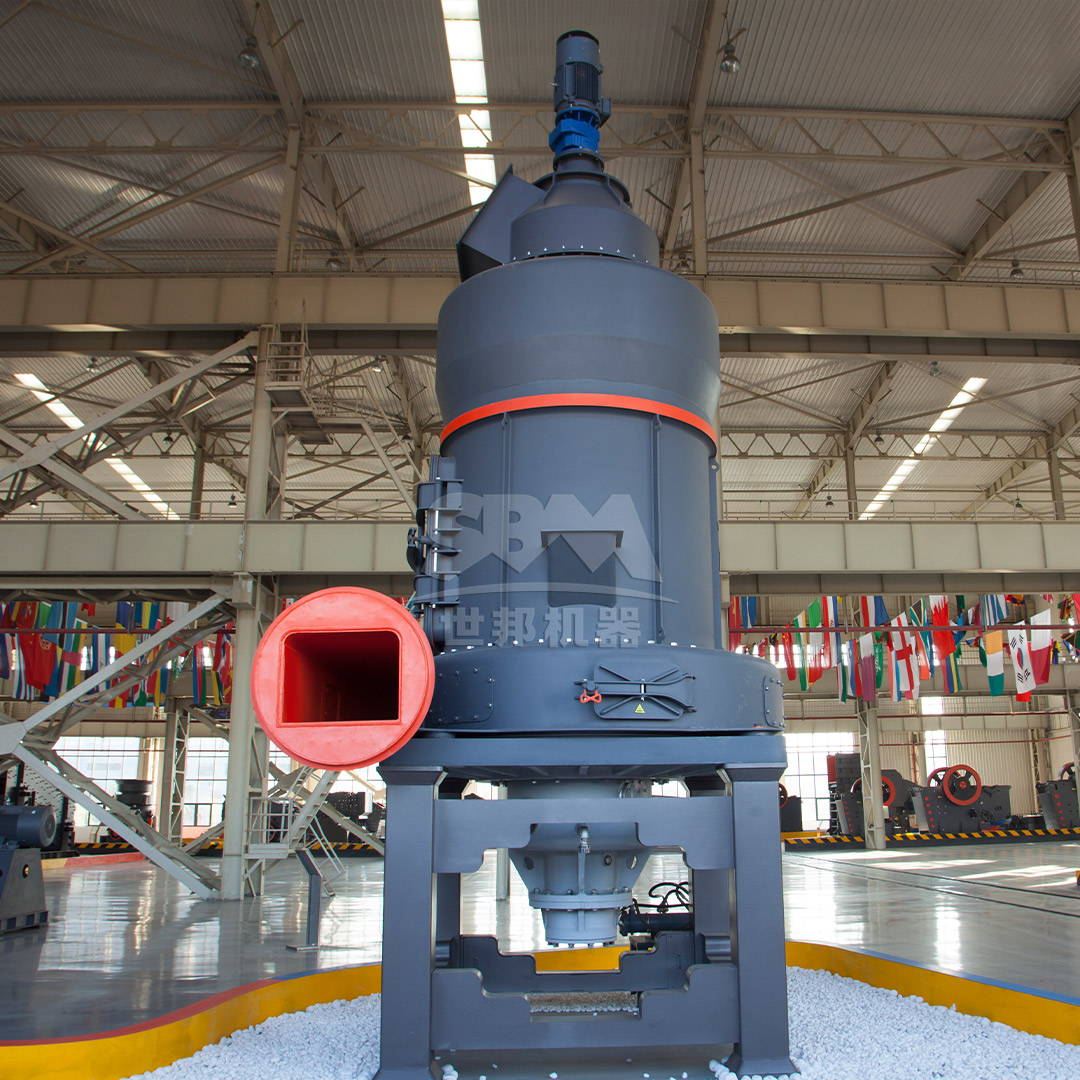
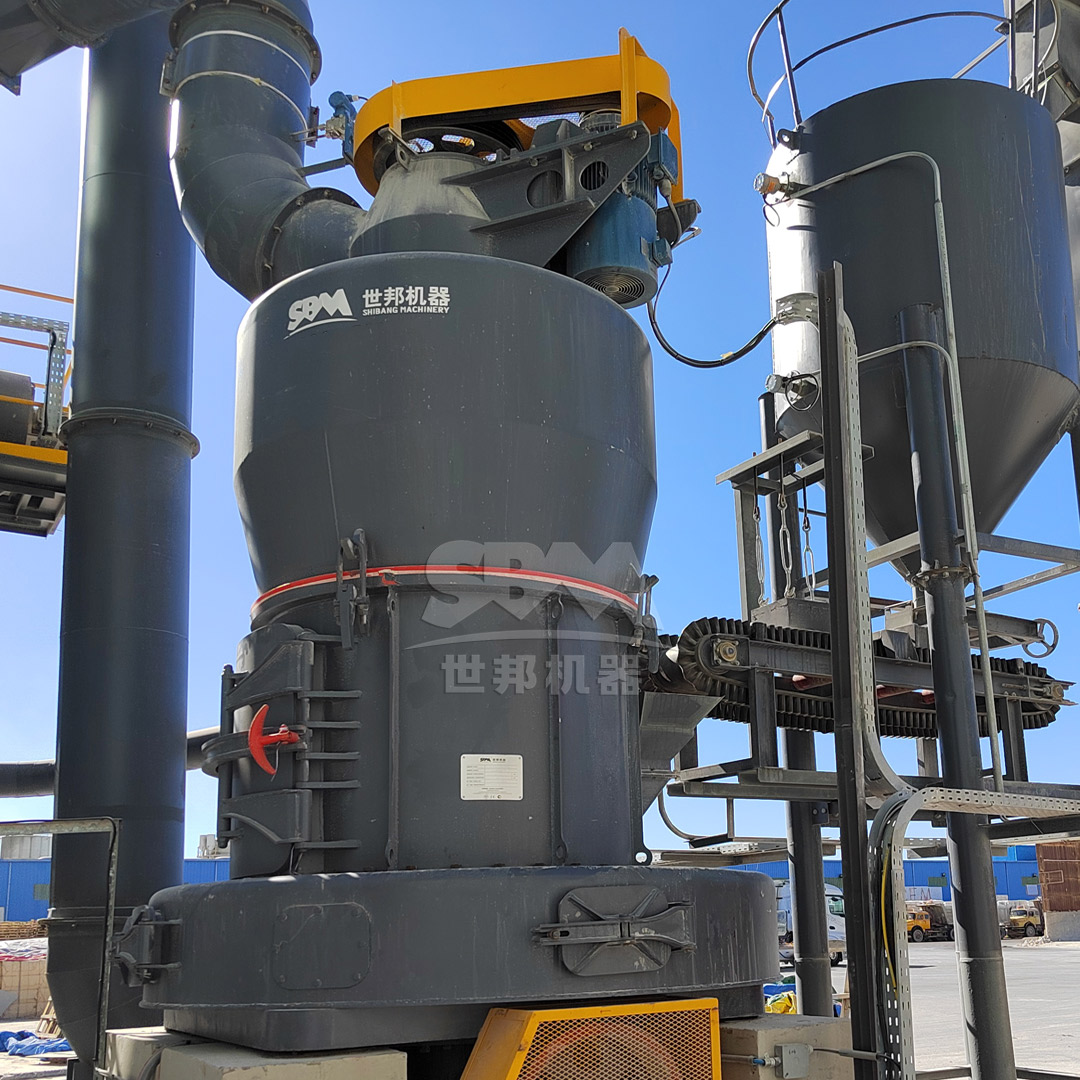
Recommended Solution: The LM Series Vertical Roller Mill is the technology of choice for such applications. Its integrated design combines crushing, grinding, drying, and classification in a single unit, reducing floor space by 50% and civil engineering costs by 40%. When grinding dolomite, its low operating cost is a major advantage, with energy consumption 30-40% lower than traditional ball mill systems. The intelligent control system allows for expert-level automation and remote monitoring, ensuring consistent product quality and minimal manual intervention for outputs ranging from 3 to an impressive 250 tons per hour.
3. For Ultra-Fine and High-Value Powder Production (325-2500 mesh)
The premium segment of the dolomite market, supplying functional fillers, advanced ceramics, and catalyst carriers, depends on the ability to produce consistent ultra-fine and nano-sized powders.
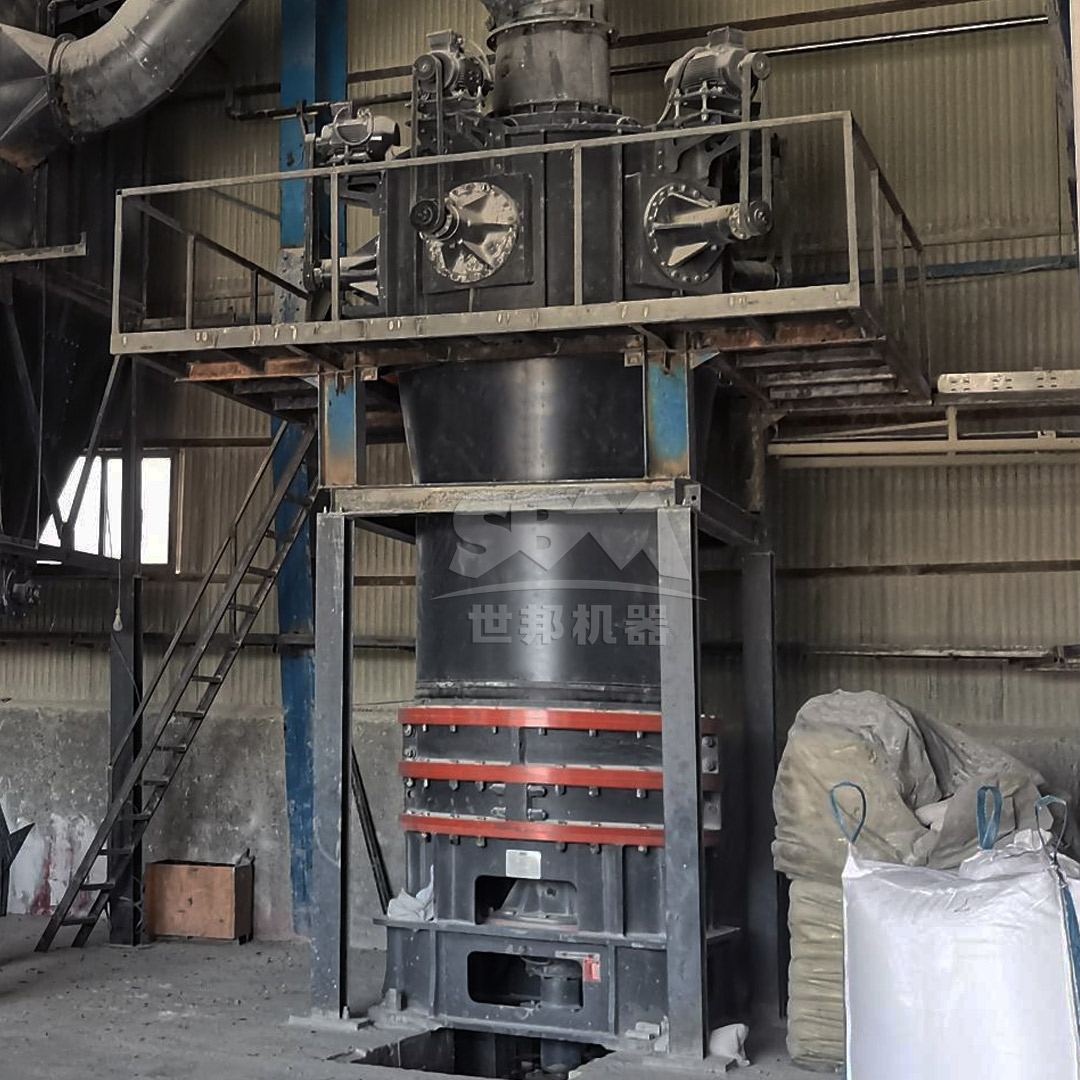
Recommended Solution: The SCM Series Ultrafine Mill is specifically engineered to excel in this demanding arena. It addresses the core challenge of ultra-fine grinding: achieving precise cuts without contamination. Its high-precision vertical turbine classifier ensures no coarse powder mixing, guaranteeing uniform fineness from 325 to 2500 mesh. Furthermore, it sets a new standard in efficiency and energy saving, offering twice the capacity of jet mills while consuming 30% less energy. For dolomite processors targeting high-value markets, the SCM Series, with models like the SCM1250 (2.5-14 t/h) or the high-capacity SCM1680 (5-25 t/h), transforms raw mineral into a premium, high-margin product.
Synergistic Benefits of an Integrated Mill Series
Adopting a compatible series of mills from a single provider offers transformative benefits for dolomite industry development:
- Process Optimization: Seamless integration from primary size reduction to final classification minimizes bottlenecks and maximizes overall plant efficiency.
- Cost Reduction: Shared design principles and intelligent control platforms lower training, maintenance, and spare parts inventory costs.
- Product Diversification: The flexibility to easily produce everything from coarse aggregate to nano-powder allows companies to respond dynamically to market opportunities.
- Sustainability Leadership: Modern mill series are designed with environmental stewardship at their core. Features like pulse dust collection systems exceeding international standards (as seen in the SCM Series), fully sealed negative pressure operation (in the LM Series), and significant reductions in energy consumption and noise pollution help producers meet stringent environmental regulations and corporate sustainability goals.
Conclusion: Grinding Technology as a Growth Engine
The future growth and sophistication of the dolomite industry are inextricably linked to advancements in grinding technology. Moving beyond single-purpose machines to integrated, multifunctional mill series represents a paradigm shift. By leveraging solutions like the high-capacity LM Vertical Roller Mill for base load production and the precision SCM Ultrafine Mill for specialty products, dolomite processors can achieve unprecedented levels of efficiency, product quality, and market agility. Investing in such a comprehensive technological portfolio is not merely an equipment upgrade; it is a strategic decision to secure a competitive, sustainable, and profitable future in the evolving global minerals market.