How to Convert Phosphogypsum into Sodium Sulfate: Processing Methods and Techniques
Introduction
Phosphogypsum (PG), a by-product of phosphoric acid production in the fertilizer industry, presents a significant environmental challenge due to its massive stockpiling worldwide. Primarily composed of calcium sulfate dihydrate (CaSO4·2H2O), it contains impurities like residual acids, phosphates, fluorides, and heavy metals. Converting this waste into valuable sodium sulfate (Na2SO4), a crucial industrial chemical used in detergents, glass, paper, and textiles, represents a promising path for resource recovery and waste valorization. This article delves into the core processing methods and techniques for this conversion, highlighting critical steps where advanced milling technology is paramount for efficiency and product quality.
1. The Core Conversion Chemistry
The fundamental reaction for converting phosphogypsum into sodium sulfate involves a double decomposition (metathesis) reaction with a sodium source, typically sodium carbonate (soda ash, Na2CO3) or sodium hydroxide (NaOH). The primary reaction with soda ash is:
CaSO4·2H2O (s) + Na2CO3 (aq) → Na2SO4 (aq) + CaCO3 (s) + 2H2O (l)
This reaction leverages the lower solubility of calcium carbonate, which precipitates out of solution, driving the reaction forward and leaving sodium sulfate in solution. The sodium sulfate is then recovered via crystallization. A critical preprocessing step is the thorough purification of raw phosphogypsum to remove soluble impurities (P2O5, F) that can contaminate the final product and interfere with crystallization.
2. Key Processing Stages and Technical Considerations
2.1. Pre-Treatment and Purification of Raw Phosphogypsum
Raw PG must be washed and neutralized. This often involves water washing, flotation, or chemical treatment with lime or ammonia to precipitate impurities. The effectiveness of these steps heavily depends on the surface area and particle size of the PG, influencing reaction kinetics and impurity removal efficiency.
2.2. Size Reduction and Activation Grinding
This is a pivotal stage. The conversion reaction is a solid-liquid process where the surface area of the phosphogypsum directly impacts the reaction rate and completeness. Finely ground PG exposes more reactive surface area, facilitating faster and more complete conversion with the sodium reagent.
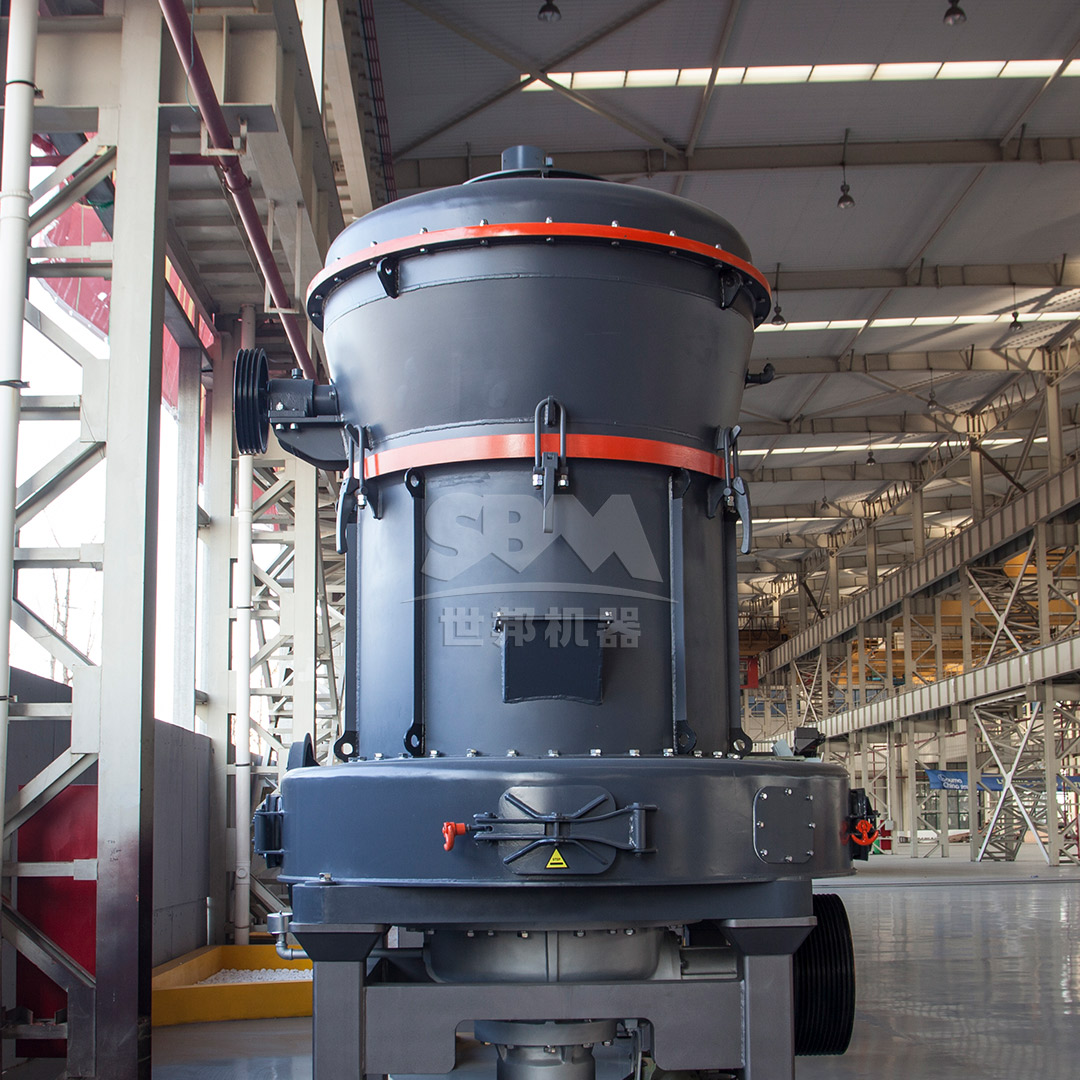
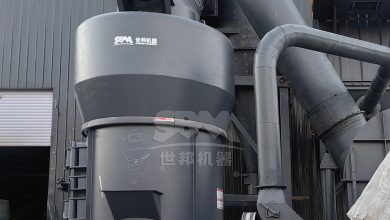
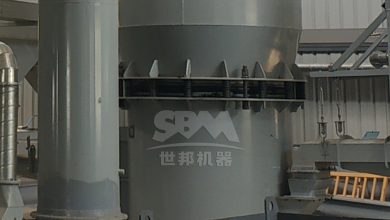
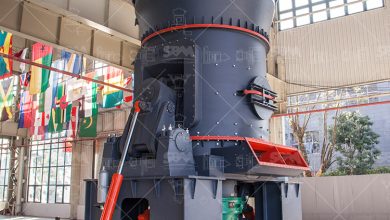
For this stage, a robust and efficient grinding mill is essential. The goal is to achieve a consistent, fine powder to optimize the subsequent chemical reaction. Our MTW Series European Trapezium Mill is exceptionally well-suited for this task. Engineered for high-capacity processing of non-metallic minerals up to 50mm in feed size, it can reliably grind purified PG to the optimal fineness (typically 100-325 mesh) for the conversion reactor. Its advantages include:
- High Efficiency & Durability: The anti-wear shovel design and wear-resistant volute structure ensure long service life when processing abrasive materials like gypsum, reducing maintenance costs.
- Precise Classification: The integral bevel gear drive and optimized air duct work with the internal classifier to produce a tightly controlled particle size distribution, ensuring no coarse particles enter the reaction stage.
- Large Capacity: With models offering capacities from 3 to 45 tons per hour, it can be scaled to match industrial-level PG processing requirements.
2.3. The Conversion Reaction
The finely ground PG is slurried with water and reacted with a calculated stoichiometric amount of sodium carbonate solution in a stirred tank reactor under controlled temperature (typically 50-80°C). Parameters like reactant concentration, solid-to-liquid ratio, temperature, and stirring speed are critical for maximizing yield and minimizing unreacted reagents.
2.4. Solid-Liquid Separation
After the reaction reaches completion, the slurry contains solid calcium carbonate (precipitate), unreacted solids, and a sodium sulfate solution. This mixture is fed to a solid-liquid separation unit, such as a filter press or vacuum belt filter, to separate the solid CaCO3 cake from the Na2SO4 brine.
2.5. Sodium Sulfate Recovery and Crystallization
The clarified brine is concentrated via multi-effect evaporation to supersaturate the sodium sulfate. It is then cooled in a crystallizer to precipitate Glauber’s salt (Na2SO4·10H2O) or, under controlled conditions, anhydrous sodium sulfate. The crystals are separated, washed, and dried.
2.6. Final Product Processing: Drying and Milling
The dried sodium sulfate crystals may require further size reduction to meet specific market specifications (e.g., for detergent powder). This final milling step demands a mill capable of producing ultra-fine, uniform powders without generating excessive heat that could affect the product.
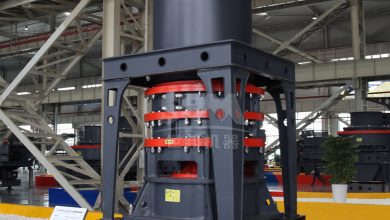
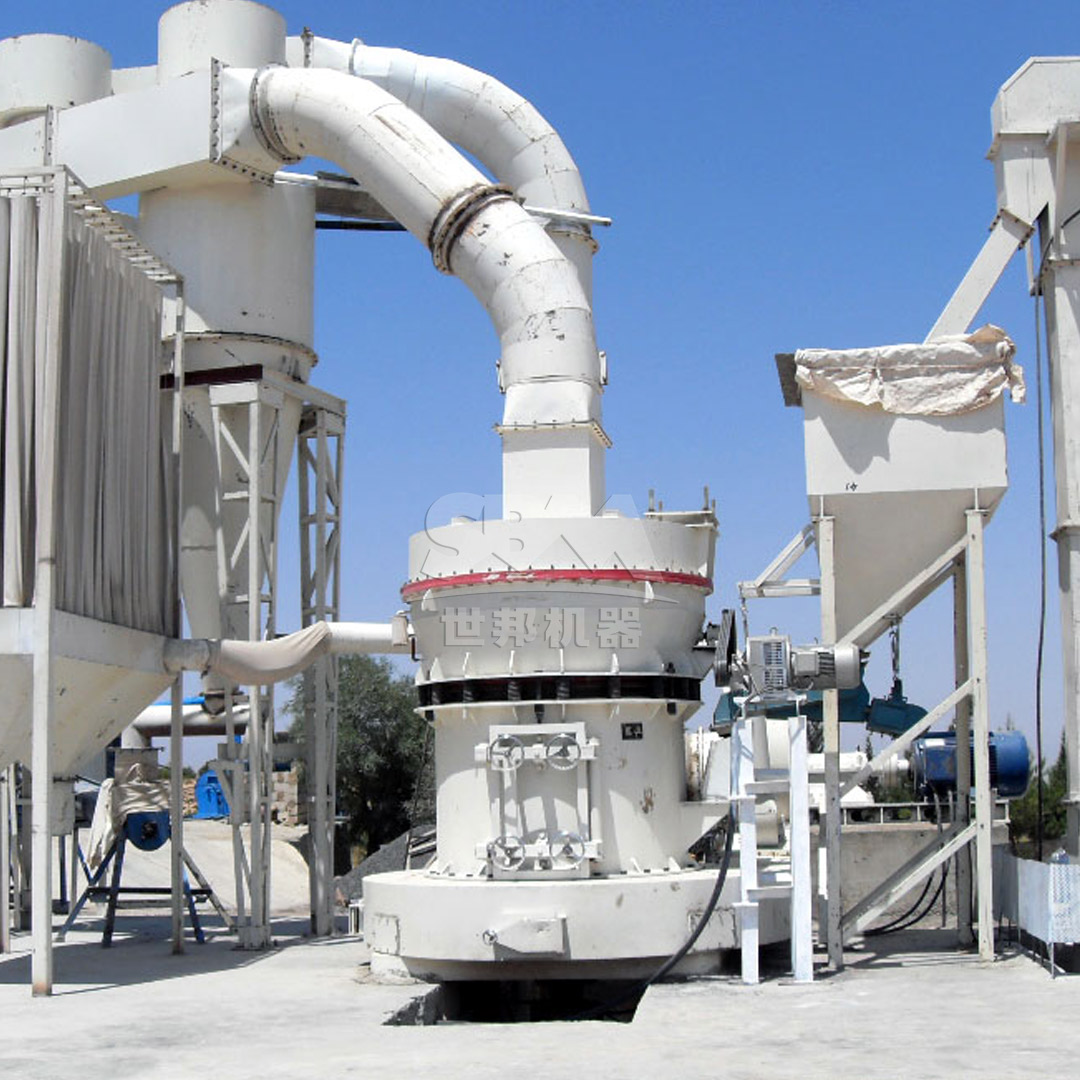
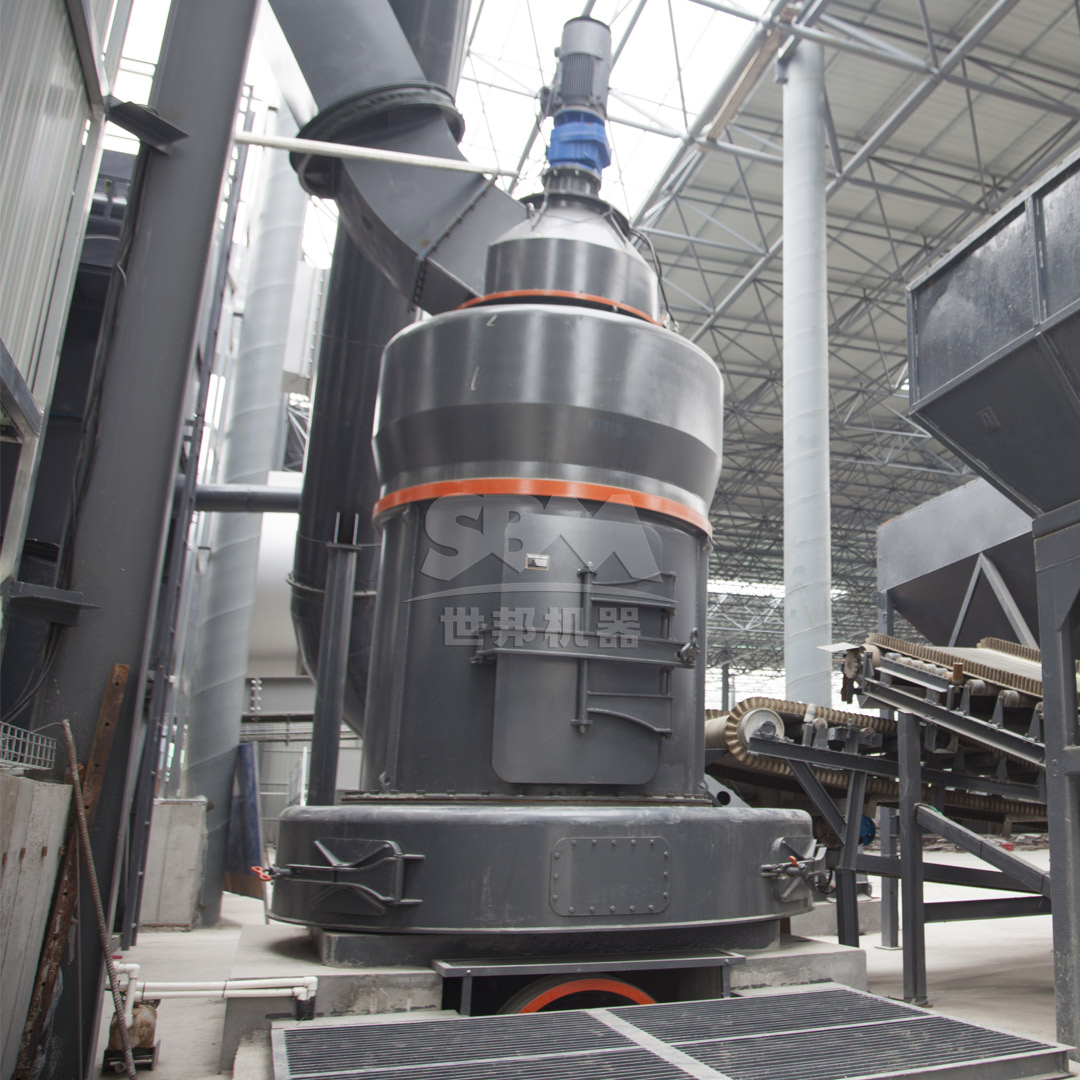
For producing high-purity, ultra-fine sodium sulfate (325-2500 mesh), our SCM Series Ultrafine Mill is the ideal solution. Its technical strengths directly address the needs of final product refinement:
- Ultra-Fine Grinding & Precision Classification: The vertical turbine classifier achieves precise particle size cuts, ensuring a uniform finished product with no coarse powder mixing, which is critical for chemical applications.
- Energy Efficiency: Its grinding principle offers capacity twice that of jet mills while consuming 30% less energy, significantly lowering operational costs for the final product stage.
- Eco-friendly Operation: The fully sealed system with pulse dust collection efficiency exceeding international standards guarantees a clean production environment and prevents product loss.
3. Alternative and Advanced Processing Routes
Beyond the conventional soda ash route, other methods exist:
- Ammonia-Based Processes: Using (NH4)2CO3 to produce Na2SO4 and CaCO3, with ammonia recovery.
- Electrodialysis: Using ion-selective membranes to separate sulfate ions from a PG leachate and combine them with sodium.
- Integrated Processes: Co-producing sodium sulfate and other valuable materials like rare earth elements (REEs) extracted from PG.
In many of these advanced routes, particularly those involving leaching or extraction, the initial activation grinding of PG remains a common and critical step to enhance reactivity and extraction yields.
4. Economic and Environmental Benefits
Successful implementation of PG-to-sodium sulfate technology offers dual benefits:
- Waste Reduction: Diverts millions of tons of PG from stockpiles, reducing environmental risks (radon emission, land use, acid drainage).
- Resource Creation: Produces a marketable commodity (Na2SO4) and a potentially useful co-product (precipitated CaCO3).
- Process Efficiency: The choice of high-efficiency grinding equipment, such as the MTW and SCM mills, directly lowers specific energy consumption per ton of product, improving the overall process economics.
5. Conclusion
The conversion of phosphogypsum into sodium sulfate is a technically viable and environmentally strategic process that transforms an industrial liability into a valuable resource. The journey from raw, impure PG to high-purity Na2SO4 hinges on several unit operations, with size reduction and activation grinding being a cornerstone for efficiency. Investing in advanced, reliable milling technology is not an auxiliary choice but a core determinant of process success. Our MTW Series European Trapezium Mill for primary PG activation and the SCM Series Ultrafine Mill for final product refinement provide a complete, high-performance grinding solution tailored to the specific demands of this valorization chain, ensuring optimal reaction kinetics, product quality, and operational economy.