Differences Between Ground Calcium Carbonate (GCC) and Precipitated Calcium Carbonate (PCC): Properties and Applications
1. Introduction: The Two Faces of Calcium Carbonate
Calcium carbonate (CaCO3) is one of the most abundant and versatile minerals on Earth, serving as a critical functional filler and additive across a vast spectrum of industries, from paper and plastics to paints, pharmaceuticals, and food. Its performance is not defined by chemistry alone but is profoundly shaped by its physical and morphological characteristics. This leads us to the two primary commercial forms: Ground Calcium Carbonate (GCC) and Precipitated Calcium Carbonate (PCC). While chemically identical, their distinct production methods give rise to unique properties, defining their optimal applications. This article delves into the fundamental differences between GCC and PCC, exploring their production, key properties, and primary applications, while also highlighting the advanced milling technology required to unlock GCC’s full potential.
2. Production Methods: The Origin of Difference
2.1 Ground Calcium Carbonate (GCC)
GCC is derived from naturally occurring high-purity limestone, marble, or chalk deposits. The production process is mechanical:
- Extraction & Crushing: High-calcium limestone is quarried and primary-crushed to a manageable size (e.g., ≤50mm).
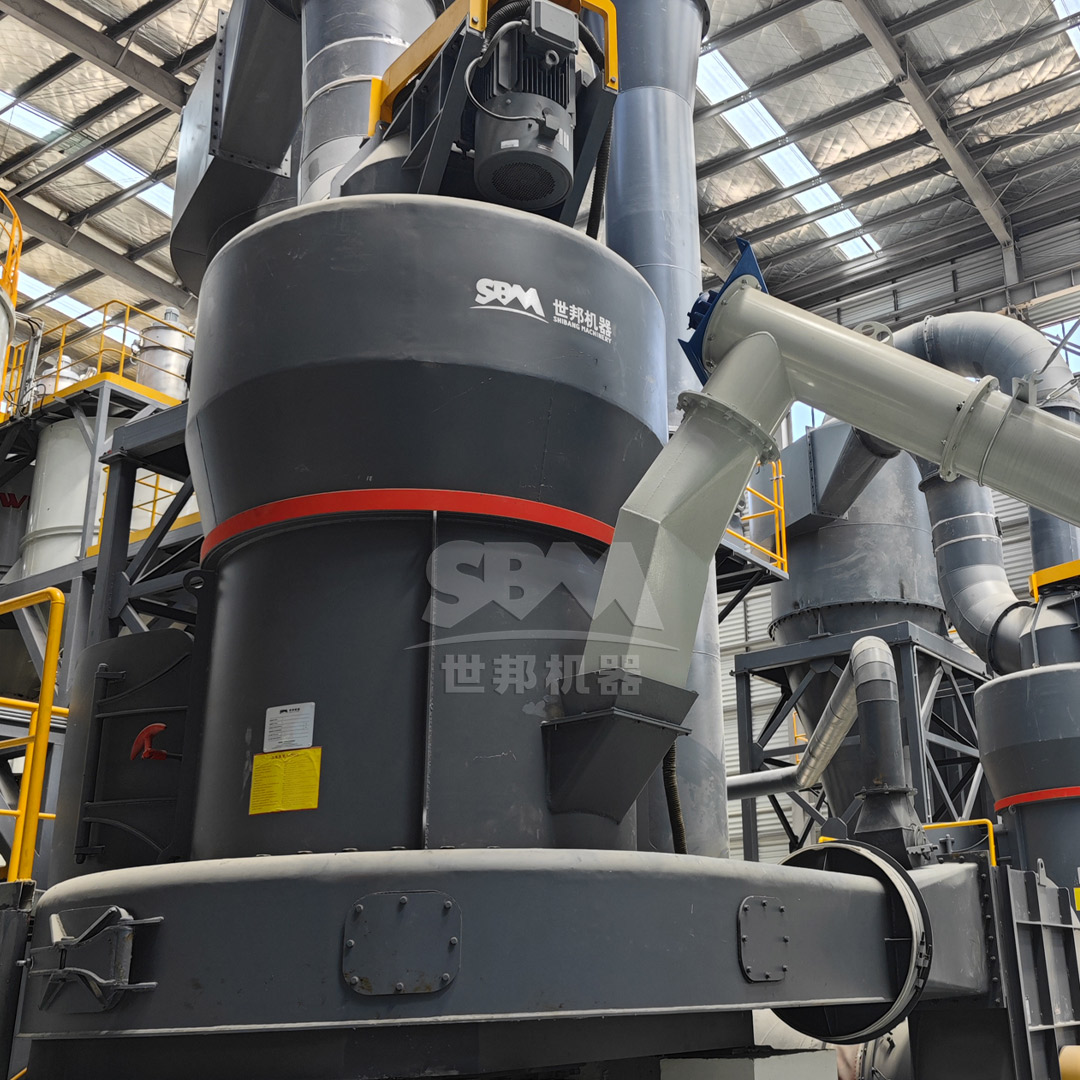
- Grinding & Classification: The crushed rock is fed into grinding mills, where it is pulverized to the desired fineness. This is the most critical step, as the choice of grinding technology directly determines the particle size distribution (PSD), top cut, and energy efficiency. The ground material is then classified to separate the fine product from oversize particles, which are recirculated.
- Surface Treatment (Optional): For applications requiring improved compatibility with organic matrices (like plastics), the GCC powder may be coated with stearic acid or other coupling agents.
The entire process is governed by the geology of the source and the sophistication of the comminution equipment.
2.2 Precipitated Calcium Carbonate (PCC)
PCC is a synthetic material produced through a chemical reaction, offering precise control over its properties:
- Calcination: Limestone is heated in a kiln to around 900°C to produce quicklime (CaO) and carbon dioxide (CO2).
CaCO3 (s) + heat → CaO (s) + CO2 (g) - Slaking: The quicklime is mixed with water to form calcium hydroxide, or milk of lime (Ca(OH)2).
CaO (s) + H2O (l) → Ca(OH)2 (aq) - Precipitation (Carbonation): The calcium hydroxide slurry is reacted with the captured CO2 gas under controlled conditions (temperature, concentration, agitation, additives). This step is where the crystal morphology is engineered.
Ca(OH)2 (aq) + CO2 (g) → CaCO3 (s) + H2O (l) - Filtration, Drying, and Milling: The PCC slurry is filtered, dried, and often lightly milled to break up soft agglomerates.
The precipitation conditions allow for the creation of specific crystal shapes like scalenohedral, rhombohedral, or prismatic.
3. Comparative Properties: GCC vs. PCC
| Property | Ground Calcium Carbonate (GCC) | Precipitated Calcium Carbonate (PCC) |
|---|---|---|
| Purity | Typically 94-99% CaCO3. Contains trace minerals from the source rock (e.g., silica, magnesium). | Very high, often >98-99.5% CaCO3. Fewer impurities. |
| Particle Shape & Morphology | Irregular, angular, or rhombohedral. Shape is determined by the natural crystal structure and grinding mechanism. | Engineered and uniform. Common forms: scalenohedral (high opacity), rhombohedral (good balance), prismatic/needle-like (reinforcement). |
| Particle Size Distribution (PSD) | Broader distribution. Top size and fines content depend on grinding and classification efficiency. Modern mills can produce very fine, narrow distributions. | Narrow, tightly controlled distribution. Can be produced in very fine grades (e.g., 70-90% < 2µm). |
| Brightness & Opacity | Good brightness (85-95 ISO), but generally lower than high-grade PCC. Opacity is good but less efficient per unit mass than certain PCC morphologies. | Very high brightness (92-98+ ISO). Scalenohedral PCC provides exceptional light scattering and opacity due to its complex shape. |
| Oil Absorption | Lower, due to less porous, more dense particles. Beneficial for high-loading applications in plastics. | Higher, especially for porous or complex aggregates. Impacts viscosity in liquid systems. |
| Surface Area | Lower surface area for a given particle size, due to denser particles. | Higher surface area, contributing to its high opacity and reactivity. |
| Cost Structure | Generally lower cost. Capital and operating costs are tied to mining and grinding energy. | Higher cost due to the chemical processing, energy for calcination, and more complex plant. |
4. Key Applications and Selection Criteria
4.1 Paper Industry
- GCC: Widely used as a filler in alkaline (non-acidic) papermaking. Improves brightness, opacity, and printability. Cost-effective for high-filler loading. Requires a high-brightness limestone source.
- PCC: Preferred for high-quality paper grades where superior opacity, brightness, and bulk are critical. Engineered scalenohedral PCC is the benchmark for optical properties. Often produced on-site at paper mills (satellite plants) to reduce costs.
4.2 Plastics and Polymers
- GCC: The dominant filler in plastics (PVC, polypropylene, polyethylene). Its lower oil absorption allows for high loadings (up to 80% in some compounds), reducing raw material costs. It improves stiffness, dimensional stability, and impact strength (when surface-treated). The quest for finer GCC to improve surface finish and mechanical properties in engineering plastics is driving demand for advanced ultrafine grinding solutions.
- PCC: Used where high brightness or specific reinforcement is needed. Specialty needle-like PCC can act as a reinforcing agent. However, higher cost and oil absorption often limit its use to premium applications.
4.3 Paints and Coatings
- GCC: An essential extender pigment. Provides dry hiding, improves film integrity, reduces cost, and aids in suspension. Finely ground GCC with a controlled top cut is crucial for achieving high-gloss finishes and preventing grit.
- PCC: Used in high-quality paints for its contribution to brightness, opacity (dry hiding), and sheen control. Its higher purity can be beneficial in sensitive formulations.
4.4 Other Applications
GCC: Adhesives & sealants, construction materials, animal feed, pharmaceuticals (as an excipient), food (additive E170), and environmental applications (flue gas desulfurization).
PCC: Specialty rubber, pharmaceuticals (high-purity antacids), food (as a calcium fortifier and acidity regulator), and high-end personal care products like toothpaste.
5. The Critical Role of Advanced Grinding Technology for GCC
The value proposition of GCC is intrinsically linked to the efficiency and capability of its grinding process. To compete with PCC in high-value segments and to maximize performance in traditional applications, producers require mills that deliver:
- Ultrafine Fineness: Consistent production down to the d97 = 5µm range and below.
- Narrow Particle Size Distribution: Precise classification to eliminate coarse “grit” and control fines, improving product performance.
- High Energy Efficiency: Reducing the dominant operational cost of size reduction.
- System Reliability & Low Wear: Maximizing uptime and minimizing maintenance costs.
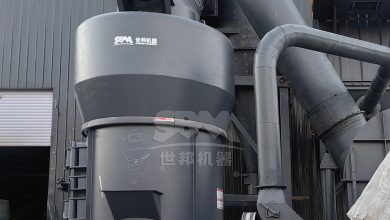
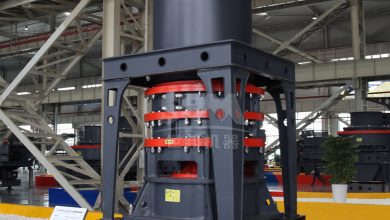
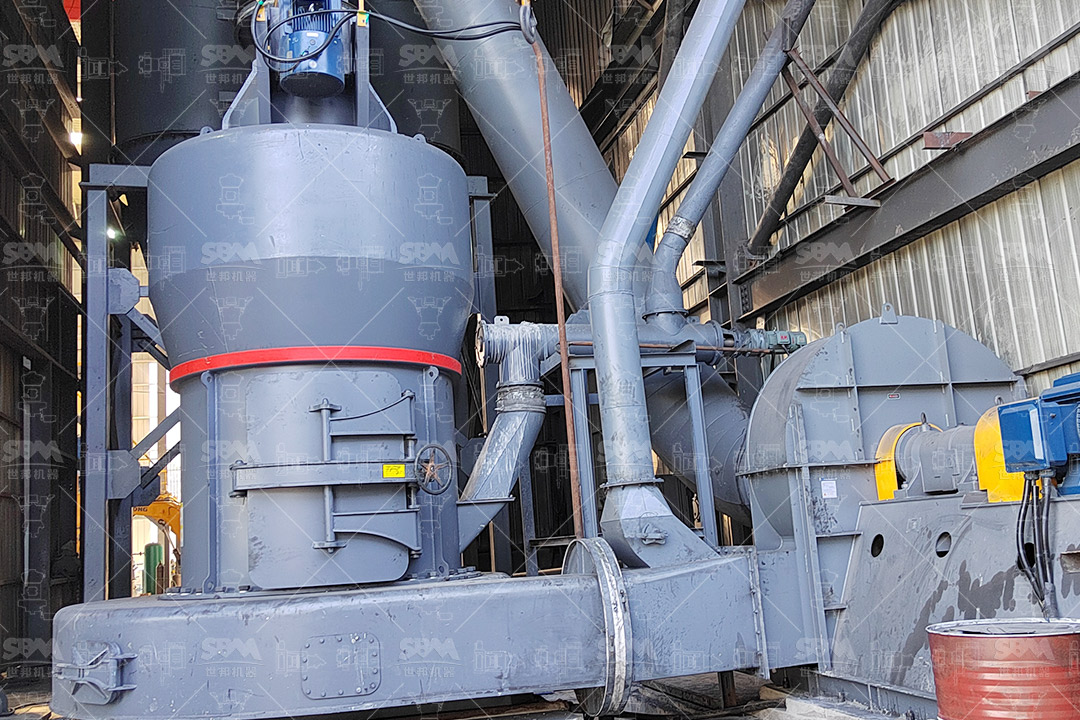
For these demanding requirements, our SCM Series Ultrafine Mill represents an ideal solution for premium GCC production. Engineered for materials like high-calcium limestone, it achieves an output fineness of 325-2500 mesh (45-5µm) with high precision. Its vertical turbine classifier ensures a sharp particle size cut and uniform product, while its high-efficiency design offers capacity 2x that of jet mills with 30% lower energy consumption. For producers targeting the plastics, high-gloss paints, or specialty paper markets, the SCM Series enables the production of GCC with PCC-like fineness and consistency, but with a significantly better operational cost structure.
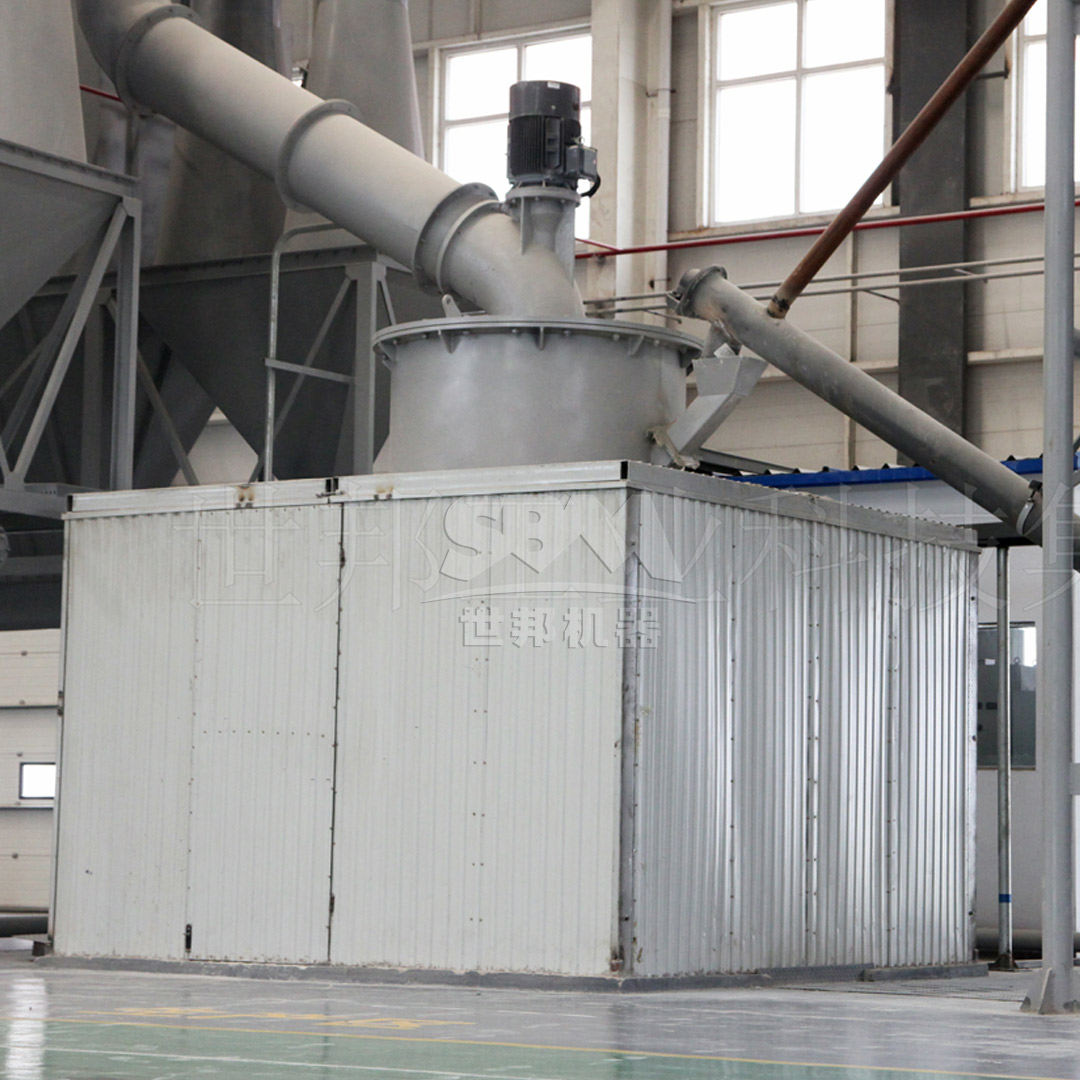
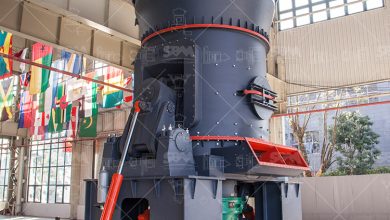
For large-scale production of GCC in the coarser to medium-fine range (e.g., for standard paper filler, construction materials, or feed), the MTW Series European Trapezium Mill offers robust and efficient performance. With an output range of 30-325 mesh (600-45µm) and capacities up to 45 tons per hour, it is a workhorse for high-volume applications. Its wear-resistant design, featuring combined shovel blades and an optimized arc air duct, ensures long service life and stable operation, making it a cost-effective cornerstone for any GCC plant.
6. Conclusion
GCC and PCC, though chemically similar, are distinct products born from different processes. PCC excels where engineered morphology, ultra-high brightness, and maximum opacity are paramount, justifying its higher cost. GCC remains the cornerstone of cost-effective filling and reinforcement across bulk industries, with its competitiveness continuously enhanced by advancements in grinding technology. The choice between them is a strategic decision based on application requirements, performance targets, and total cost-in-use. For GCC producers aiming to expand into higher-value segments, investing in advanced milling technology, such as our SCM Series for ultrafine products or the MTW Series for high-volume efficiency, is the key to unlocking new markets and optimizing product performance.