Quality Sepiolite Powder Mill Supplier Explains Applications of Sepiolite Powder
Introduction: The Versatile World of Sepiolite
Sepiolite, a naturally occurring fibrous clay mineral, is gaining significant traction across diverse industries due to its unique combination of physical and chemical properties. Characterized by its high surface area, porosity, absorbency, and rheological characteristics, this “magic mineral” requires precise processing to unlock its full potential. The key to harnessing these properties lies in the quality of grinding – transforming raw sepiolite into fine, consistent powder. As a leading supplier of industrial milling solutions, we understand that the choice of grinding equipment is paramount in determining the final product’s performance in its intended application.
Key Properties and the Imperative of Fine Grinding
The efficacy of sepiolite in any application is directly tied to its particle size and surface area. Fine grinding increases the surface area exponentially, enhancing its natural abilities:
- Absorption & Adsorption: Finer particles expose more active sites, dramatically improving the capacity to absorb liquids (like oils or water) and adsorb gases or contaminants.
- Rheological Modification: In suspensions, ultra-fine sepiolite particles form a robust, shear-thinning network, providing superior viscosity control and anti-settling properties.
- Reinforcement: When used as a filler in polymers or rubber, a finely ground and well-dispersed sepiolite acts as a nano-reinforcement, improving mechanical strength and thermal stability.
- Catalyst Support: A high-surface-area powder provides an ideal substrate for catalytic agents, maximizing their efficiency.
Therefore, investing in a high-performance mill is not an overhead but a critical step in value addition. The mill must deliver consistent fineness, preserve the mineral’s fibrous structure to a desired degree, and operate efficiently to be commercially viable.
Major Industrial Applications of Sepiolite Powder
1. Agriculture and Animal Feed
Sepiolite powder is a valuable additive in fertilizers, pesticides, and animal feed. Its high absorbency helps in creating slow-release fertilizer formulations, reducing nutrient leaching. As a feed additive, it acts as an anti-caking agent, pellet binder, and can adsorb mycotoxins, promoting animal gut health. A consistent, medium-fineness powder (typically 100-325 mesh) is ideal for uniform mixing.
2. Environmental Remediation
This is one of the fastest-growing applications. Sepiolite’s excellent adsorption properties make it effective for:
- Oil and Chemical Spill Cleanup: As a loose powder or in manufactured sorbent products.
- Wastewater Treatment: Removing heavy metal ions, dyes, and organic pollutants.
- Soil Stabilization: Improving the properties of contaminated or unstable soils.
For maximum adsorption capacity, an ultra-fine powder with a large surface area is crucial.
3. Paints, Coatings, and Adhesives
As a rheological additive (thixotrope), sepiolite powder prevents sagging in vertical coatings, controls drip, and improves suspension of pigments. It enhances the structural stability of adhesives and sealants. The powder must be finely ground (often into the micron range) and easily dispersible to form a uniform 3D network within the liquid medium.
4. Pharmaceuticals and Cosmetics
In pharmaceuticals, it is used as an excipient, disintegrant, and filtering aid. In cosmetics, it serves as an absorbent in face masks, a viscosity regulator in creams, and an opacifying agent. This sector demands the highest purity and extremely fine, sterile powders, often requiring specialized, contamination-free milling systems.
5. Polymer and Rubber Composites
As a nano-filler, sepiolite reinforces plastics and rubber, improving tensile strength, heat resistance, and dimensional stability. Effective reinforcement requires the powder to be de-fibrillated into individual nano-fibers and perfectly dispersed within the polymer matrix, a process initiated by high-intensity grinding.
Selecting the Right Milling Technology for Sepiolite
Given the range of required fineness (from 30 mesh to 2500 mesh), no single mill suits all sepiolite applications. The choice depends on feed size, target fineness, required capacity, and energy efficiency goals.
For Coarse to Medium-Fine Grinding (30-325 mesh)
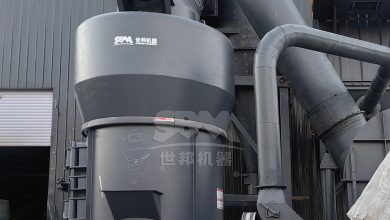
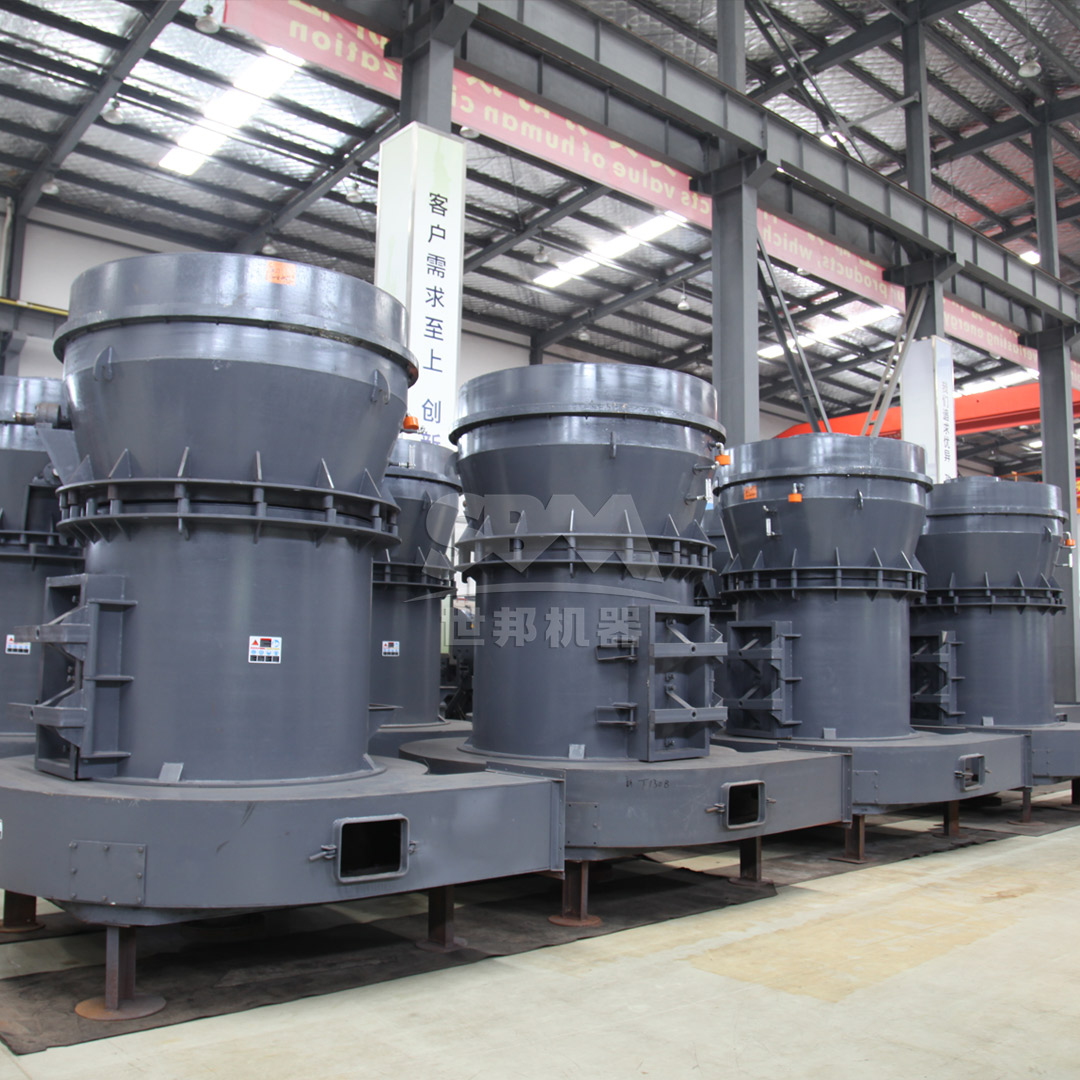
Applications like animal feed or soil amendment often require powders in this range. The MTW Series European Trapezium Mill is an exemplary choice. Its advanced features directly address the challenges of grinding clay minerals:
- Anti-wear Design: The curved shovel blade and wear-resistant volute structure withstand the abrasive nature of sepiolite, drastically reducing maintenance costs.
- High Efficiency: The integral bevel gear drive boasts 98% transmission efficiency, saving energy on large-scale production runs.
- Precise Classification: Its optimized internal classifier ensures a sharp particle size cut, preventing coarse particles from contaminating the final product—a critical factor for consistent performance in applications like rheology modification.
With models like the MTW215G offering capacities up to 45 tons per hour, it is a robust and efficient solution for high-volume production of quality sepiolite powder in the coarse to medium-fine spectrum.
For Ultra-Fine and Nano-Grinding (325-2500 mesh)
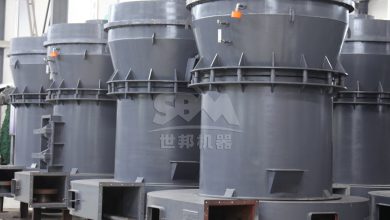
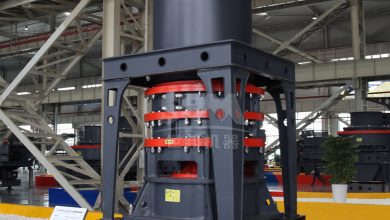
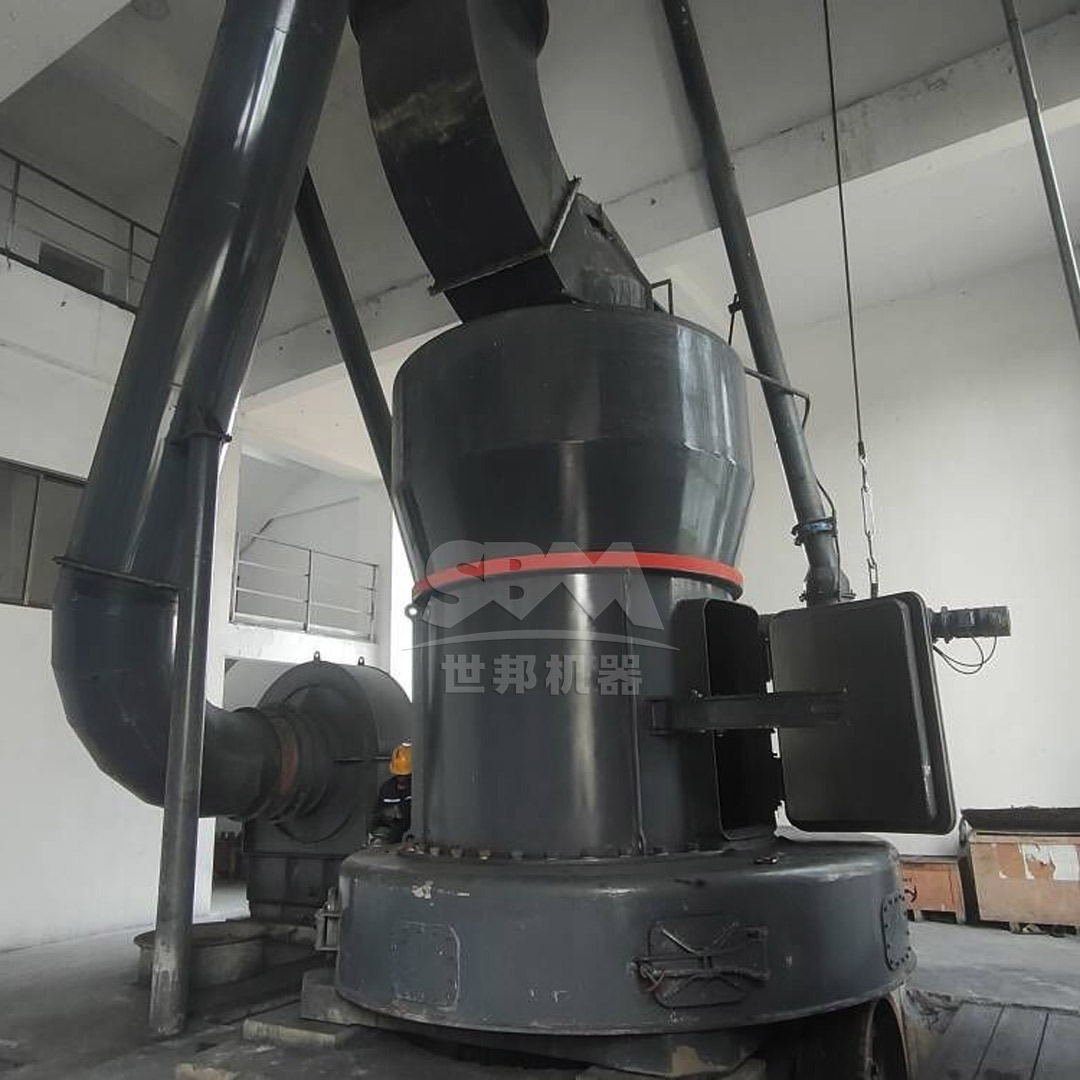
High-value applications in coatings, polymers, and environmental sorbents demand ultra-fine powders. Here, the SCM Series Ultrafine Mill excels. It is engineered specifically for producing micron and sub-micron powders:
- Exceptional Fineness: Capable of producing powder up to 2500 mesh (5μm), it perfectly meets the needs of high-surface-area applications.
- High-Precision Turbine Classifier: This is its core advantage. The classifier ensures extremely narrow particle size distribution, guaranteeing no coarse powder is mixed in. This uniformity is vital for predictable performance in sensitive formulations like pharmaceuticals or advanced composites.
- Energy Efficiency: Its grinding principle consumes 30% less energy than traditional jet mills while offering double the capacity, making ultra-fine grinding economically sustainable.
- Eco-friendly Operation: The fully sealed system with pulse dust collection ensures a clean working environment, which is essential when handling fine mineral powders.
For a producer aiming to supply the premium market with ultra-fine sepiolite, the SCM Series, such as the SCM1250 model, provides the technological edge needed for consistent, high-quality output.
Conclusion: Partnering for Performance
The transformation of raw sepiolite into a high-performance industrial material is a precise science. The selection of milling equipment is the most critical decision in this value chain. It determines not only the powder’s physical characteristics but also the profitability and scalability of the operation.
From the high-capacity, rugged reliability of the MTW Series for general applications to the cutting-edge precision of the SCM Ultrafine Mill for specialty markets, the right technology partnership can unlock new opportunities and drive product innovation. By understanding the end-use requirements and matching them with engineered milling solutions, producers can consistently deliver sepiolite powder that meets the exacting standards of modern industry.