Sawdust to Ceramic Powder: Pilot Production Success for Clay Alternative in Tile Manufacturing
Introduction: The Imperative for Sustainable Raw Materials
The global ceramic tile industry, a cornerstone of construction and interior design, faces mounting pressure from both environmental regulations and resource scarcity. Traditional clay extraction is increasingly scrutinized for its ecological footprint, involving land degradation, high energy consumption in processing, and depletion of non-renewable deposits. In parallel, the wood processing industry generates vast quantities of sawdust, a biomass waste often underutilized or disposed of through incineration, contributing to air pollution. This article explores a groundbreaking pilot production initiative that successfully transforms sawdust into a high-quality ceramic powder, presenting a viable, sustainable alternative to virgin clay for tile manufacturing. The process not only addresses waste valorization but also introduces unique material properties, paving the way for a new generation of eco-conscious ceramic products.
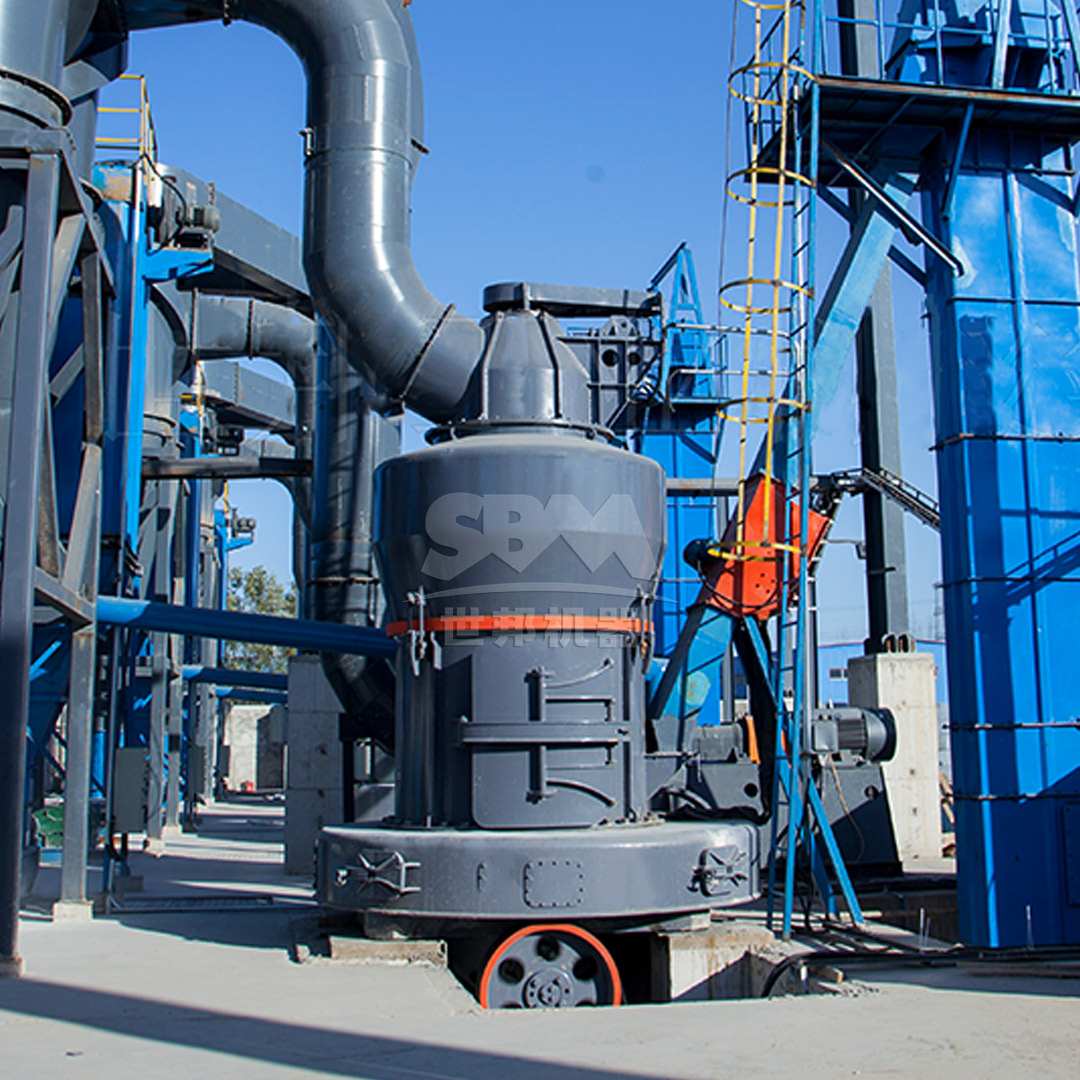
The Science Behind the Transformation: From Organic Waste to Inorganic Precursor
The core technology involves a controlled thermal and mechanical conversion process. Sawdust, primarily composed of cellulose, hemicellulose, and lignin, undergoes a multi-stage treatment. First, it is meticulously dried and sieved to achieve a consistent particle size. The key phase is a carefully calibrated pyrolysis process, conducted in an oxygen-limited environment at temperatures between 400°C and 700°C. This converts the organic material into biochar, a carbon-rich, porous solid. The biochar is then subjected to high-temperature calcination (above 1000°C) in the presence of specific mineral additives (such as fluxes and stabilizers like feldspar or silica). This step combusts the remaining carbon and initiates solid-state reactions, transforming the ash constituents—mainly silica, potassium, calcium, and other metal oxides inherent to the wood—into a reactive, amorphous ceramic precursor powder.
The critical challenge lies in controlling the chemistry and morphology of the final powder. The mineral additives are crucial for achieving the desired sintering behavior and final tile properties, such as mechanical strength, water absorption, and thermal stability. The pilot project demonstrated that by fine-tuning the pyrolysis/calcination parameters and additive composition, the resulting powder’s chemical profile can be tailored to match or even enhance the performance of conventional clay bodies.
Pilot Production Workflow and Technical Hurdles
The pilot production line was designed to validate the process at a semi-industrial scale. The workflow comprised: 1) Sawdust Pre-processing (drying, magnetic separation, initial coarse grinding), 2) Pyrolysis Reactor, 3) Calcination Furnace with additive dosing system, 4) Milling and Classification, and 5) Powder Conditioning.
One significant hurdle was the initial inconsistency in the raw sawdust, which varied in moisture content, particle size, and species origin (affecting ash composition). This was mitigated by implementing a robust blending and pre-homogenization stage. The most demanding technical aspect was the milling phase post-calcination. The calcined material, while friable, required ultra-fine and consistent grinding to achieve the particle size distribution necessary for efficient compaction and sintering in the tile pressing process. Standard hammer mills or coarse crushers were insufficient to produce the required ceramic-grade fineness.
The Grinding Solution: Achieving Ceramic-Grade Fineness
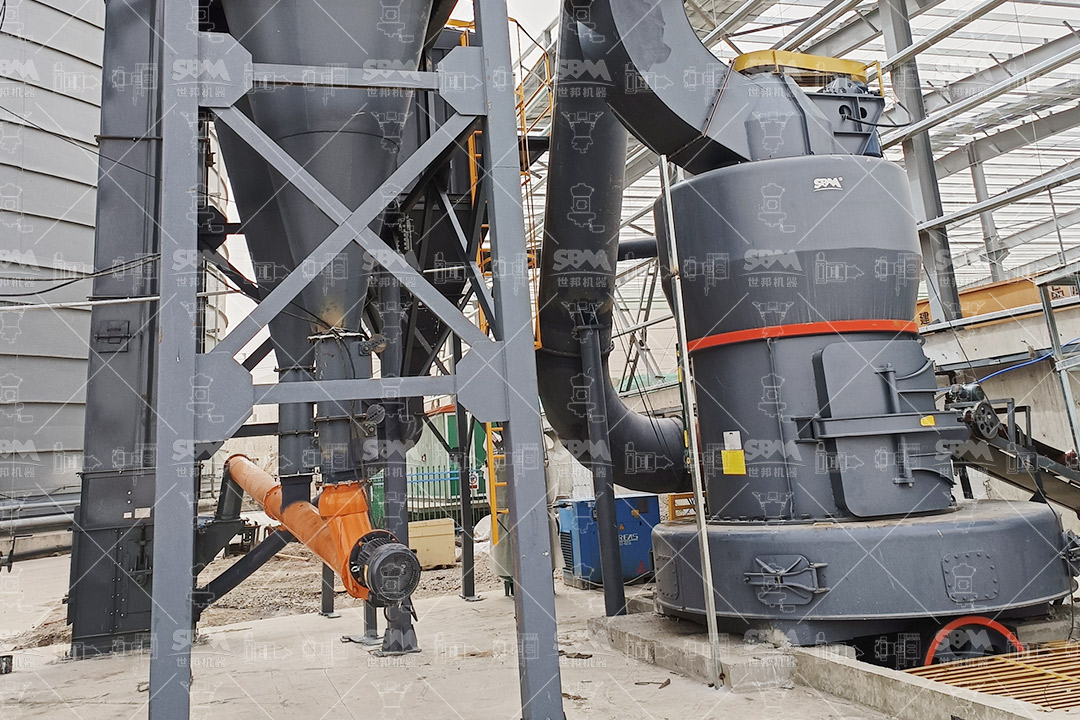
To overcome the milling challenge, the pilot plant integrated advanced grinding technology. The calcined output, with a feed size of up to 20mm, needed to be reduced to a fineness range of 325 to 2500 mesh (45 to 5 microns) to act as a direct clay substitute. This demanding specification called for a mill capable of high-precision classification, energy efficiency, and consistent output quality.
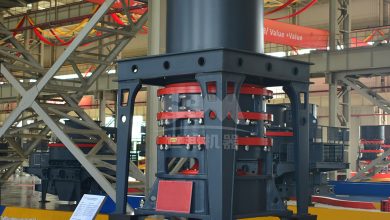
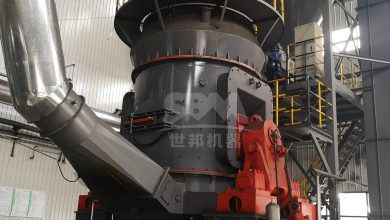
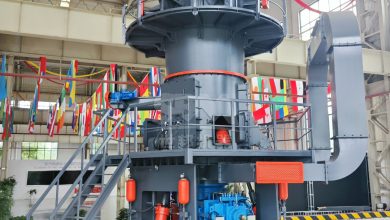
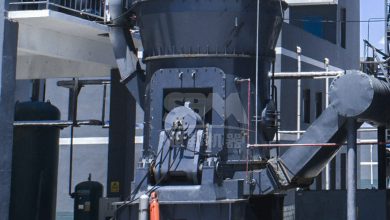
The project successfully employed our SCM Series Ultrafine Mill for this critical stage. This mill’s design proved ideal for the application. Its vertical turbine classifier provided the precise particle size cutting required, ensuring no coarse powder mixed into the final product—a key factor for uniform tile density and surface quality. The high-efficiency grinding mechanism, consuming 30% less energy than comparable jet mills, was a major economic benefit. Furthermore, the mill’s durable construction, featuring special material rollers and rings, handled the slightly abrasive nature of the calcined material with minimal wear, ensuring stable, continuous operation throughout the pilot run. The integrated pulse dust collection system maintained an eco-friendly, dust-free work environment, aligning with the project’s overall sustainability goals.
Recommended Product: SCM Series Ultrafine Mill
For operations aiming to replicate or scale this sawdust-to-ceramic process, the SCM Series Ultrafine Mill is the recommended core equipment for the final powder preparation stage. With models like the SCM800 (0.5-4.5 t/h, 75kW) or the larger SCM1680 (5.0-25 t/h, 315kW), it offers scalable solutions from pilot to full production. Its ability to deliver fineness between 325-2500 mesh with high classification accuracy makes it indispensable for producing the consistent, reactive ceramic powder needed for high-quality tile manufacturing.
Material Characterization and Tile Performance
Extensive laboratory analysis compared the sawdust-derived ceramic powder (SDCP) with standard commercial clay. The SDCP showed a highly uniform, sub-10-micron particle size distribution, promoting excellent sinterability. In tile formulation trials, SDCP was blended with traditional materials in ratios from 20% to 70%. The resulting green bodies exhibited good plasticity and dry strength. After firing in standard industrial roller kilns, the tiles met or exceeded key ISO standards for ceramic tiles.
Notable results included: a reduction in firing temperature by approximately 30-50°C due to the fluxing action of certain ash components, leading to direct energy savings. The water absorption values were easily controlled within the desired range for different tile classes (e.g., <0.5% for porcelain stoneware). Flexural strength tests showed comparable or slightly improved results, attributed to the fine, homogeneous microstructure. Furthermore, the tiles displayed unique aesthetic qualities, including subtle variations in shade and texture, offering designers new creative possibilities.
Economic and Environmental Impact Assessment
The pilot project confirmed compelling dual benefits. Economically, the use of sawdust, a low-cost or negative-cost waste stream, significantly reduces raw material procurement costs compared to mined clay. The energy savings in the kiln firing stage further decrease operational expenses. While the initial investment in pyrolysis, calcination, and fine grinding equipment (like the SCM mill) is substantial, the payback period is attractive, especially in regions with clay taxes or stringent environmental fees.
Environmentally, the impact is profoundly positive. The process diverts biomass waste from landfills or open burning, reducing methane emissions and air pollution. It conserves natural clay deposits and eliminates the land disturbance associated with clay mining. The life-cycle assessment (LCA) indicated a potential reduction in the carbon footprint of tile production by up to 40% when integrating a significant percentage of SDCP, factoring in carbon sequestration from the biomass origin and lower processing energy.
Scaling Up: Integration into Existing Tile Plants
For large-scale adoption, the process can be modularly integrated upstream of existing tile production lines. A dedicated SDCP production module would feed ceramic powder into the existing body preparation section. The scalability of the grinding process is paramount here. For very high-volume production where the initial size reduction of calcined material is also a concern, a two-stage milling system might be optimal.
For the primary or intermediate crushing stage, we recommend our MTW Series European Trapezium Mill. With an input size of up to 50mm and a capacity range of 3-45 tons per hour (models like MTW215G), it can efficiently handle the initial size reduction of calcined aggregates down to 30-325 mesh (600-45μm). Its advantages, such as the anti-wear shovel design and integral bevel gear drive with 98% transmission efficiency, ensure low maintenance and high reliability for continuous industrial duty. This can be perfectly paired with an SCM Ultrafine Mill in series to achieve the final, ultra-fine powder specification, creating a complete, efficient, and robust comminution circuit for the new raw material.
Conclusion and Future Outlook
The successful pilot production of ceramic powder from sawdust marks a significant leap toward circular economy principles in the heavy ceramics industry. It demonstrates a technically viable and economically promising pathway to replace a substantial portion of non-renewable clay with renewable biomass waste. The role of advanced, precise, and efficient grinding technology, exemplified by the SCM Series Ultrafine Mill and supported by equipment like the MTW Series Mill, is critical in unlocking the potential of this alternative material.
Future development will focus on optimizing the pyrolysis/calcination chemistry for different wood species, exploring the use of other agricultural residues, and further refining the tile formulations to maximize the SDCP content. As sustainability becomes a non-negotiable market and regulatory requirement, innovations like sawdust-derived ceramic powder are set to transition from pilot success to mainstream industrial reality, reshaping the resource foundation of tile manufacturing for the better.