Key Factors to Consider When Choosing a Raymond Mill
Introduction
Selecting the right grinding equipment is a critical decision that directly impacts the efficiency, cost-effectiveness, and final product quality of any mineral processing or powder production operation. While the term “Raymond Mill” is often used generically, modern grinding technology encompasses a diverse range of machines, each engineered for specific applications, fineness ranges, and throughput capacities. Making an informed choice requires a thorough evaluation of several interconnected technical and operational factors. This article outlines the key considerations to guide you in selecting the optimal mill for your needs.
1. Material Characteristics
The properties of the raw material are the primary determinants of mill selection.
Hardness and Abrasiveness
Materials like quartz, feldspar, and certain metal ores are highly abrasive, causing rapid wear on grinding components. For such materials, mills with superior wear-resistant designs are essential. Look for features like special alloy grinding rollers and rings, or innovative designs that minimize metal-to-metal contact. Conversely, softer materials like limestone or calcite allow for a broader selection of equipment but may prioritize different efficiency factors.
Feed Size and Moisture Content
The maximum allowable feed size varies significantly between mill types. A machine capable of handling ≤50mm feed, like many vertical roller mills, can often simplify the crushing circuit upstream. Moisture content is equally crucial; high moisture can lead to clogging and reduced efficiency in some systems, necessitating integrated drying capabilities or pre-drying processes.
2. Required Product Fineness and Particle Size Distribution
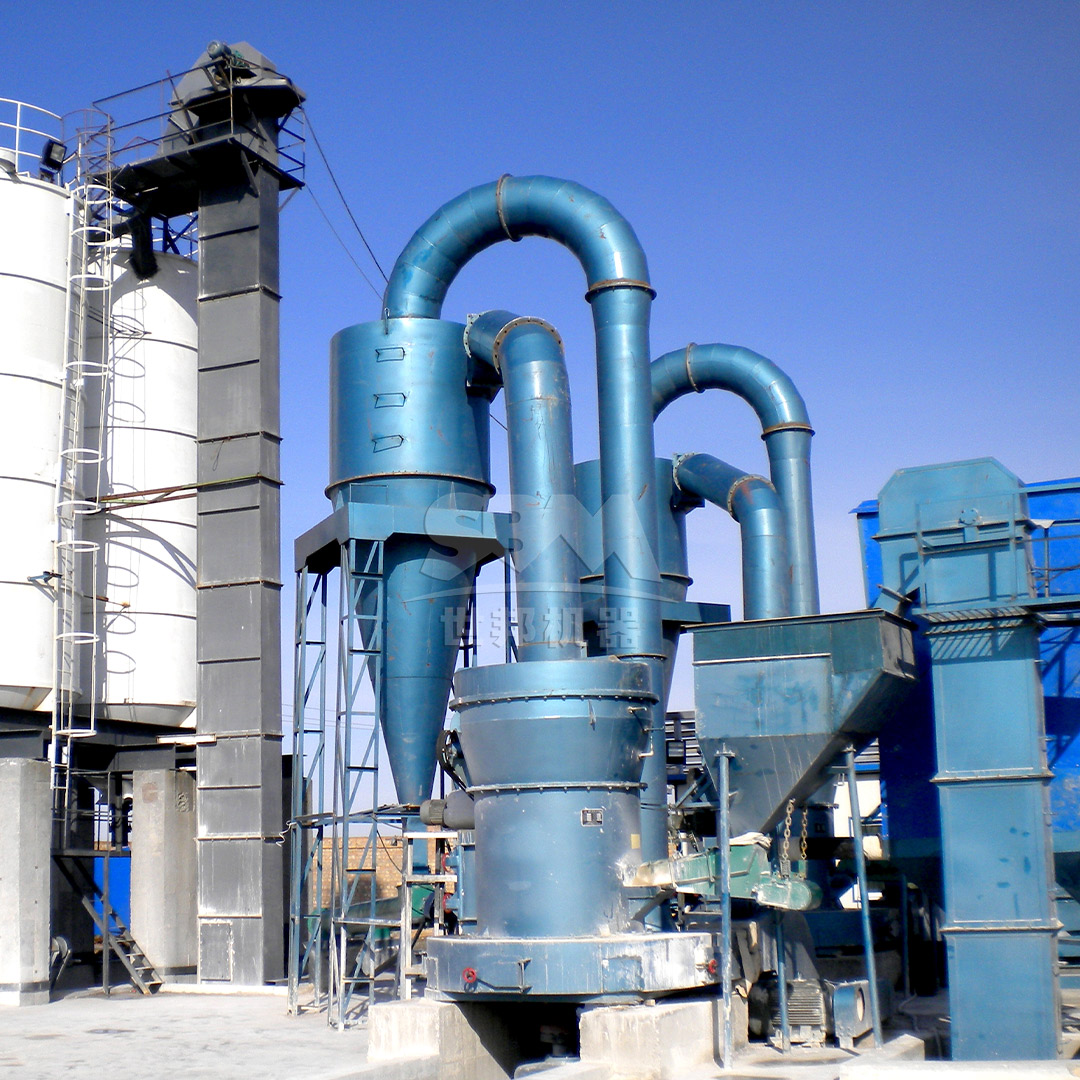
The target fineness is arguably the most decisive factor. Grinding equipment is typically categorized by its effective output range.
Coarse to Medium Grinding (45 mesh – 600μm)
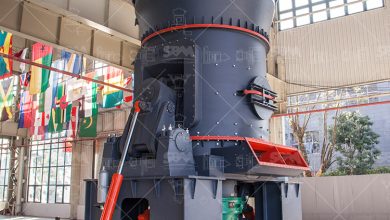
For applications requiring product sizes above 325 mesh (45μm), such as in cement raw meal preparation or coarse fillers, robust and high-capacity mills like the MTW Series European Trapezium Mill or the LM Series Vertical Roller Mill are ideal. Our MTW Series, for instance, excels in this range with its anti-wear shovel design and optimized arc air duct, achieving capacities from 3 to 45 tons per hour with excellent energy efficiency. Its integral bevel gear drive boasts a 98% transmission efficiency, directly reducing operational costs.
Fine and Ultrafine Grinding (325 mesh – 2500 mesh / 45μm – 5μm)
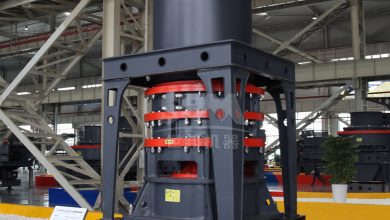
Producing powders for high-value industries like plastics, coatings, or advanced ceramics demands equipment capable of achieving micron and sub-micron sizes. For these stringent requirements, a dedicated ultrafine grinding mill is necessary. Our SCM Series Ultrafine Mill is engineered specifically for this purpose, producing fineness between 325 and 2500 mesh (45-5μm). Its high-precision vertical turbine classifier ensures a narrow, consistent particle size distribution with no coarse powder mixing, which is vital for product quality. Furthermore, its intelligent control system with automatic granularity feedback maintains stable output quality with minimal manual intervention.
3. Production Capacity and Scalability
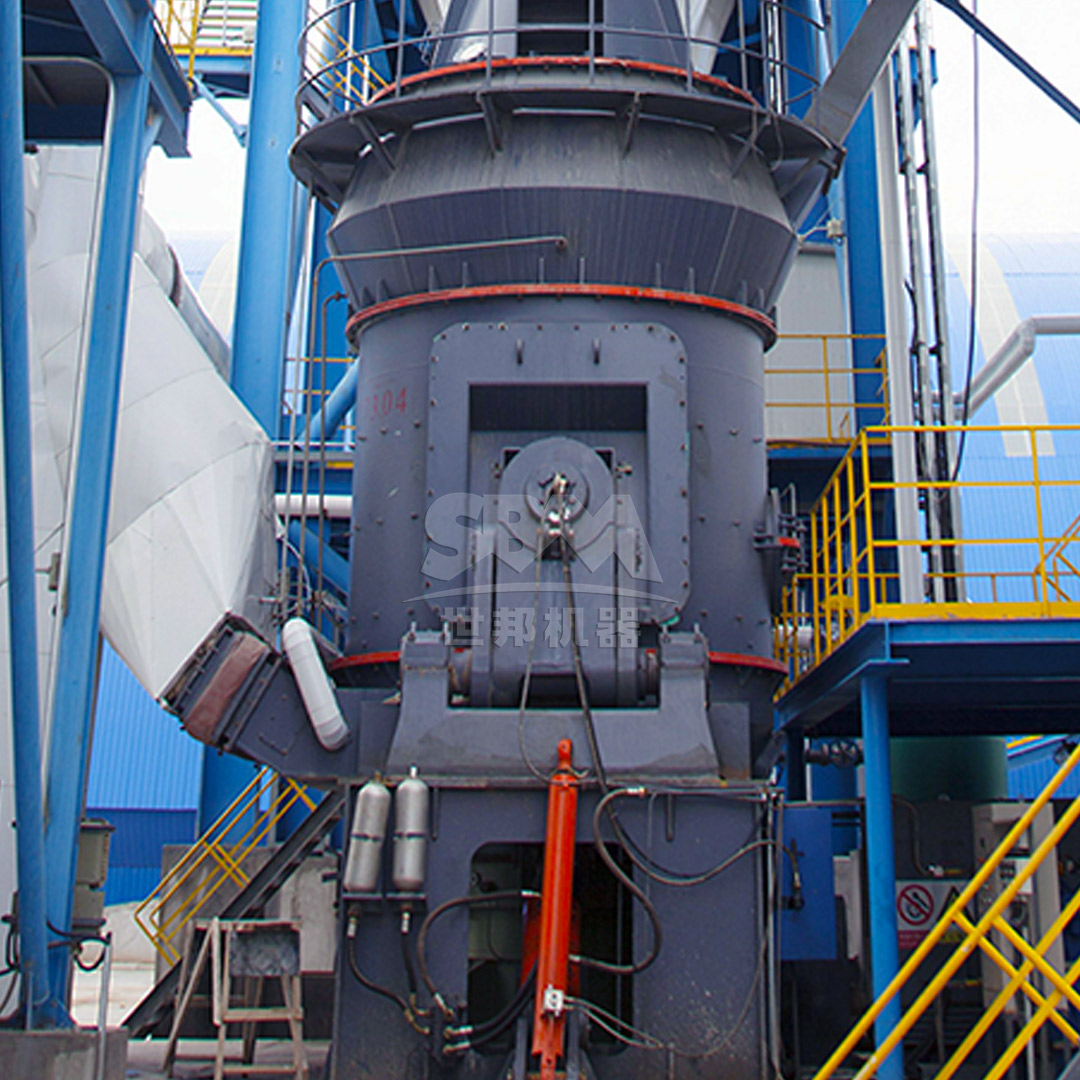
Capacity needs must be evaluated against both current demand and future expansion plans. It is advisable to select a mill with a capacity slightly above your current requirement to account for operational fluctuations and potential growth. Consider the entire system’s footprint; a mill with an integrated design that combines crushing, grinding, drying, and classification in a single unit, like our LM Series Vertical Roller Mill, can reduce floor space by up to 50% compared to traditional systems, offering significant savings in infrastructure costs.
4. Energy Efficiency and Operating Costs
Grinding is an energy-intensive process. Therefore, the mill’s specific energy consumption (kWh/ton) is a major contributor to long-term operating expenses. Advanced mill designs leverage efficient grinding principles and drive systems. For example, vertical roller mills utilize a bed-compression grinding mechanism, which is inherently more efficient than the impact/attrition of ball mills, often reducing energy consumption by 30-40%. Our SCM Series Ultrafine Mill also highlights this advantage, offering a capacity twice that of jet mills while consuming 30% less energy.
5. Durability, Maintenance, and Total Cost of Ownership (TCO)
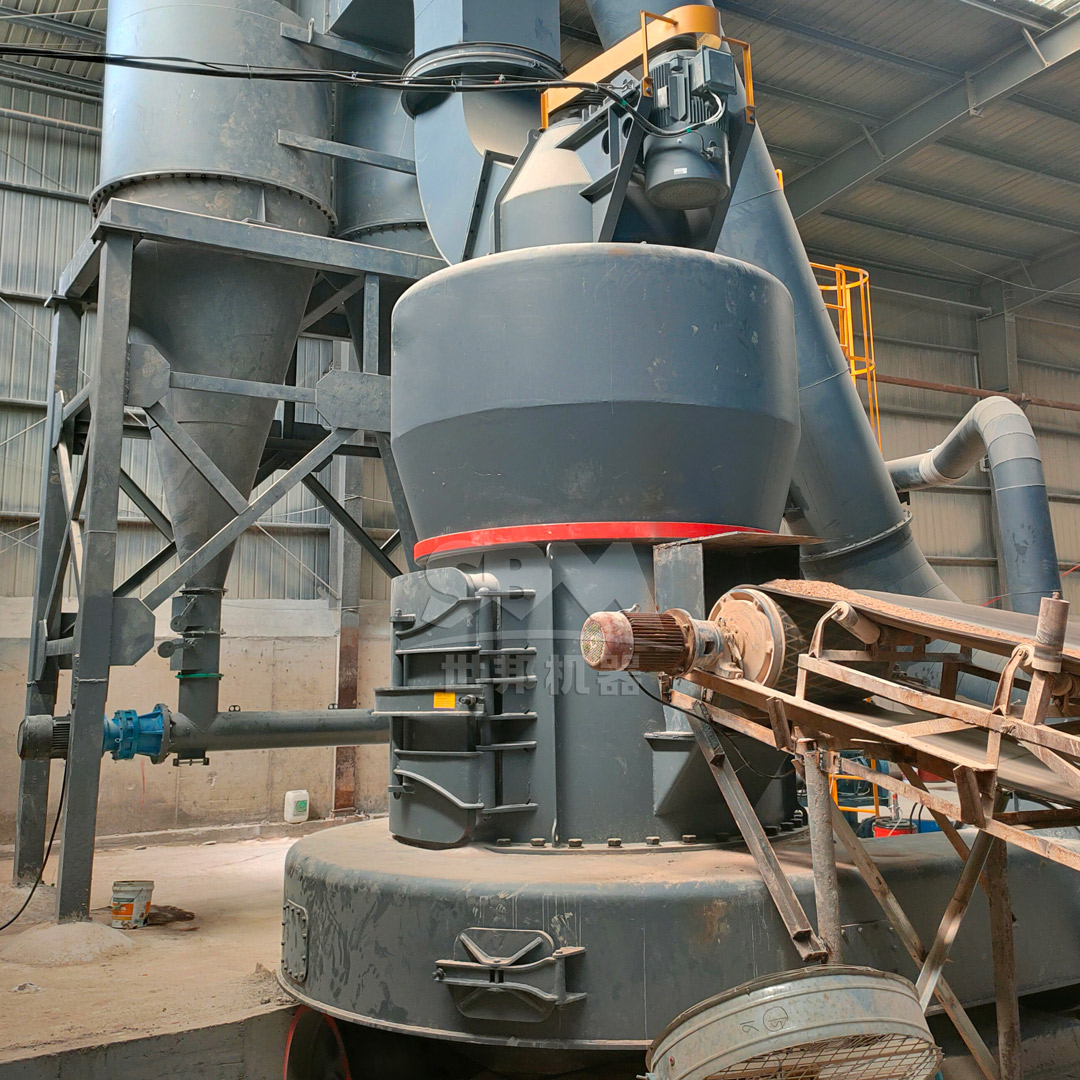
The initial purchase price is only part of the equation. A mill designed for durability with extended service intervals for wear parts will drastically lower maintenance costs and reduce downtime. Key features to look for include quick-change systems for grinding rollers, easily replaceable liner plates, and advanced lubrication systems. Our MTW Series Mill’s combined anti-wear shovel blades and curved design are specifically intended to extend component life and reduce maintenance frequency, directly lowering the TCO.
6. Environmental Compliance and System Integration
Modern industrial operations must adhere to strict environmental standards. The grinding system must effectively control dust emissions and noise pollution. A fully sealed negative pressure operation, coupled with a high-efficiency pulse dust collection system (exceeding 99.9% efficiency), is now a standard expectation. Additionally, consider how seamlessly the mill integrates with other process equipment, such as feeders, classifiers, dryers, and packaging systems. A mill with intelligent PLC control that supports remote monitoring facilitates smoother integration into a modern, automated plant.
7. Technology and Manufacturer Support
Finally, the technological sophistication of the equipment and the support provided by the manufacturer are critical. Proven, patented technologies—such as dynamic classifier adjustment, hot air circulation energy-saving systems, and modular assembly designs—indicate a commitment to innovation and performance. Equally important is the manufacturer’s ability to provide comprehensive after-sales support, including installation supervision, operator training, and readily available spare parts.
Conclusion
Choosing the right Raymond mill or its modern equivalent is a multifaceted decision that balances material science, production goals, economic factors, and environmental responsibilities. There is no one-size-fits-all solution. By systematically evaluating your requirements against the factors outlined above—material properties, desired fineness, capacity, energy use, operational costs, and environmental needs—you can identify the most suitable grinding technology. For operations targeting high-capacity, coarse to medium grinding, our MTW Series European Trapezium Mill offers robust reliability and efficiency. For those demanding the highest levels of fineness and product uniformity in the ultrafine spectrum, our SCM Series Ultrafine Mill stands as a technologically advanced and energy-conscious solution. A careful, informed selection process is the foundation for a productive, profitable, and sustainable grinding operation.