Preparation Process of Ferrosilicon Red Pigment
1. Introduction to Ferrosilicon Red Pigment
Ferrosilicon red, a synthetic inorganic pigment, is prized for its vibrant red hue, excellent chemical stability, high-temperature resistance, and outstanding weatherability. Primarily composed of iron oxide (Fe2O3) and silicon dioxide (SiO2), its color intensity, purity, and particle size distribution are critical performance indicators. The preparation process is a sophisticated sequence of raw material selection, calcination, quenching, and most importantly, precision grinding and classification. The final pigment’s quality is profoundly dependent on the efficiency and precision of the milling stage, which directly determines particle fineness, uniformity, and color development.
2. Raw Material Preparation and Calcination
The production begins with high-purity iron-containing materials (such as ferrous sulfate or iron oxide) and silica sand. These are meticulously weighed and mixed in specific stoichiometric ratios to achieve the desired Fe2O3/SiO2 composition. The homogeneous mixture is then fed into a high-temperature rotary or tunnel kiln for calcination. The temperature profile, typically ranging from 900°C to 1200°C, is carefully controlled to facilitate solid-state reactions, forming the characteristic red crystalline phase. Precise temperature control is essential to avoid the formation of undesirable black magnetite (Fe3O4) phases.
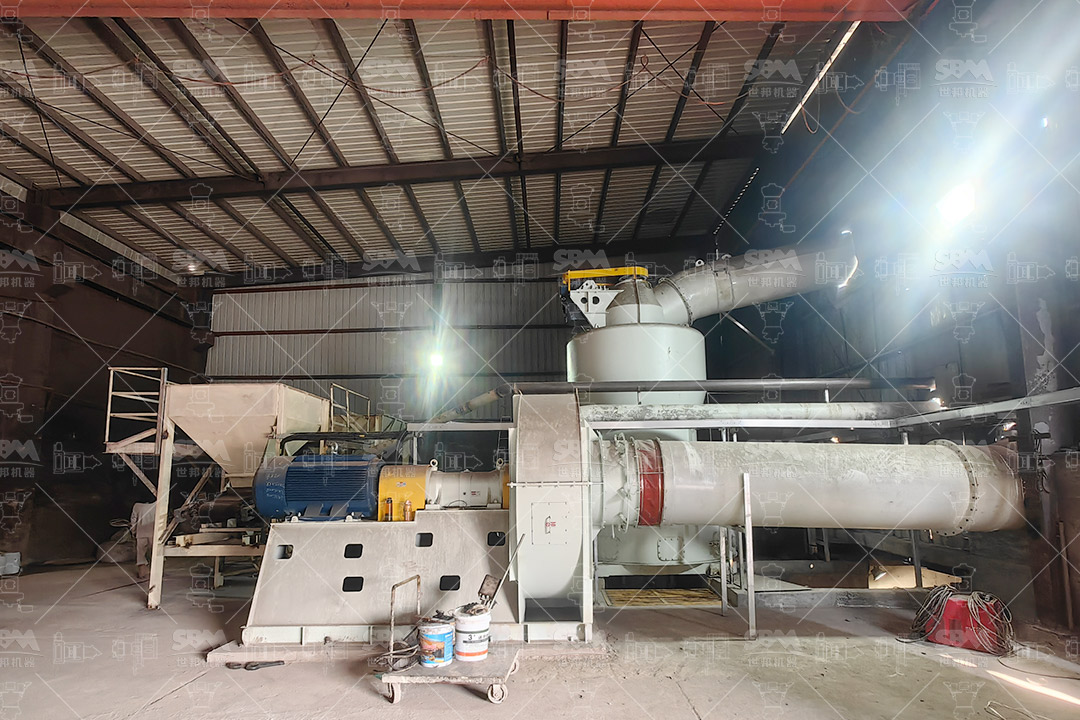
3. The Critical Role of Grinding and Classification
Following calcination and quenching, the material is a hard, sintered clinker. This intermediate product must be reduced to a fine, uniform powder to unlock its full pigmentary potential. The grinding process serves multiple vital functions:
- Particle Size Reduction: Breaking down agglomerates to the micron or sub-micron level.
- Color Development: Finer particles generally exhibit higher tinting strength and a cleaner, more intense red shade.
- Surface Area Increase: Enhancing the pigment’s dispersion capability in various media (paints, plastics, ceramics).
However, grinding alone is insufficient. An integrated, high-precision classification system is mandatory to separate and remove oversized particles, ensuring a narrow particle size distribution (PSD). A broad PSD leads to inconsistent color, reduced opacity, and poor application performance.
3.1 Challenges in Pigment Grinding
Ferrosilicon clinker is highly abrasive, posing significant challenges for grinding equipment, including rapid wear of grinding elements, high energy consumption, and potential contamination from worn parts. Furthermore, the process must be efficient, environmentally clean (dust-free), and capable of producing a tightly controlled fineness range, often between 325 mesh (45μm) and 2500 mesh (5μm) for high-grade applications.
4. Recommended Grinding Solutions for Ferrosilicon Red
Selecting the right grinding system is paramount for profitable and high-quality pigment production. Based on the required fineness range and production capacity, two of our flagship mills are exceptionally well-suited for this application.
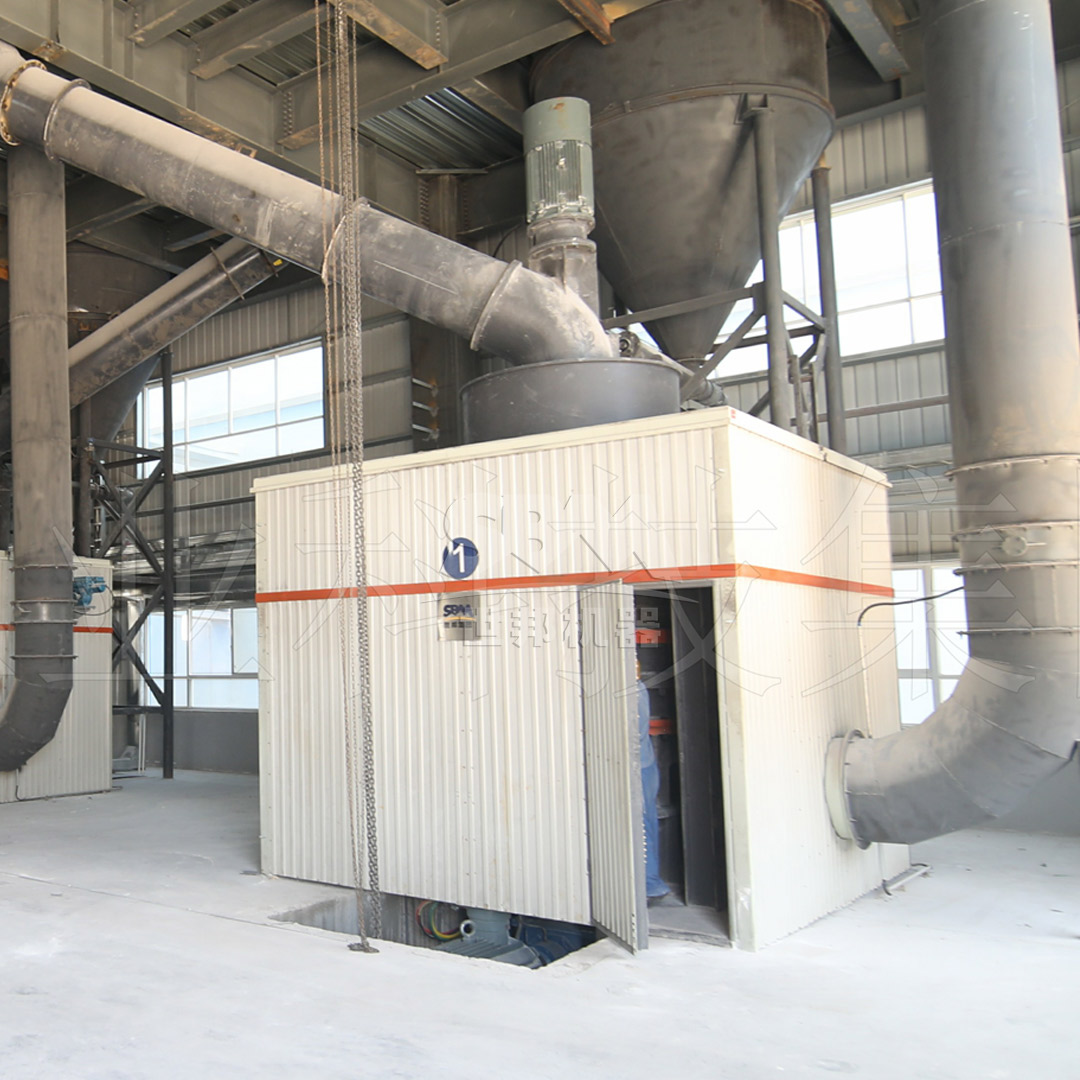
4.1 For Ultrafine Finishing (325-2500 mesh / 45-5μm): SCM Series Ultrafine Mill
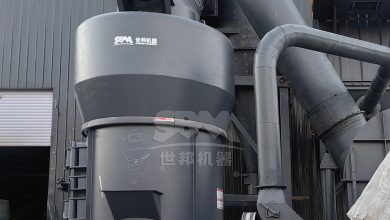
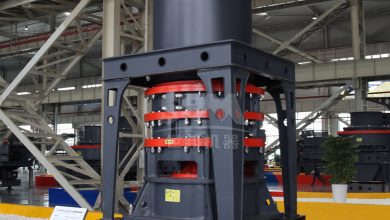
For producers targeting the high-value, ultrafine pigment market, our SCM Series Ultrafine Mill is the ideal solution. Engineered specifically for producing fine and ultrafine powders, it excels in the final grinding stage of ferrosilicon red.
- High-Precision Classification: Its vertical turbine classifier is the core of its success, enabling precise particle size “cutting” at target fineness levels (e.g., 800 mesh, 1250 mesh). This ensures no coarse powder is mixed into the final product, guaranteeing exceptional batch-to-batch color consistency.
- Durability Against Abrasion: The grinding rollers and rings are made from special wear-resistant materials, offering a service life several times longer than conventional mills. This is crucial for maintaining product purity and reducing maintenance costs when processing abrasive ferrosilicon.
- Efficiency & Eco-Friendliness: The mill operates with 30% lower energy consumption compared to traditional jet mills while offering higher capacity. Its fully sealed system, coupled with a pulse dust collector exceeding 99.9% efficiency, ensures a clean, dust-free production environment—a critical factor for pigment plants.
Model Suggestion: For medium to large-scale production of ultrafine ferrosilicon red, the SCM1250 model (Capacity: 2.5-14 t/h, Main Power: 185kW) provides an excellent balance of output and energy efficiency, capable of delivering consistent powder from 325 to 2500 mesh.
4.2 For High-Capacity Coarse to Fine Grinding (30-325 mesh / 600-45μm): MTW Series European Trapezium Mill
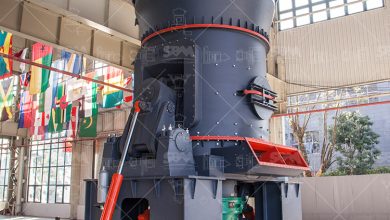
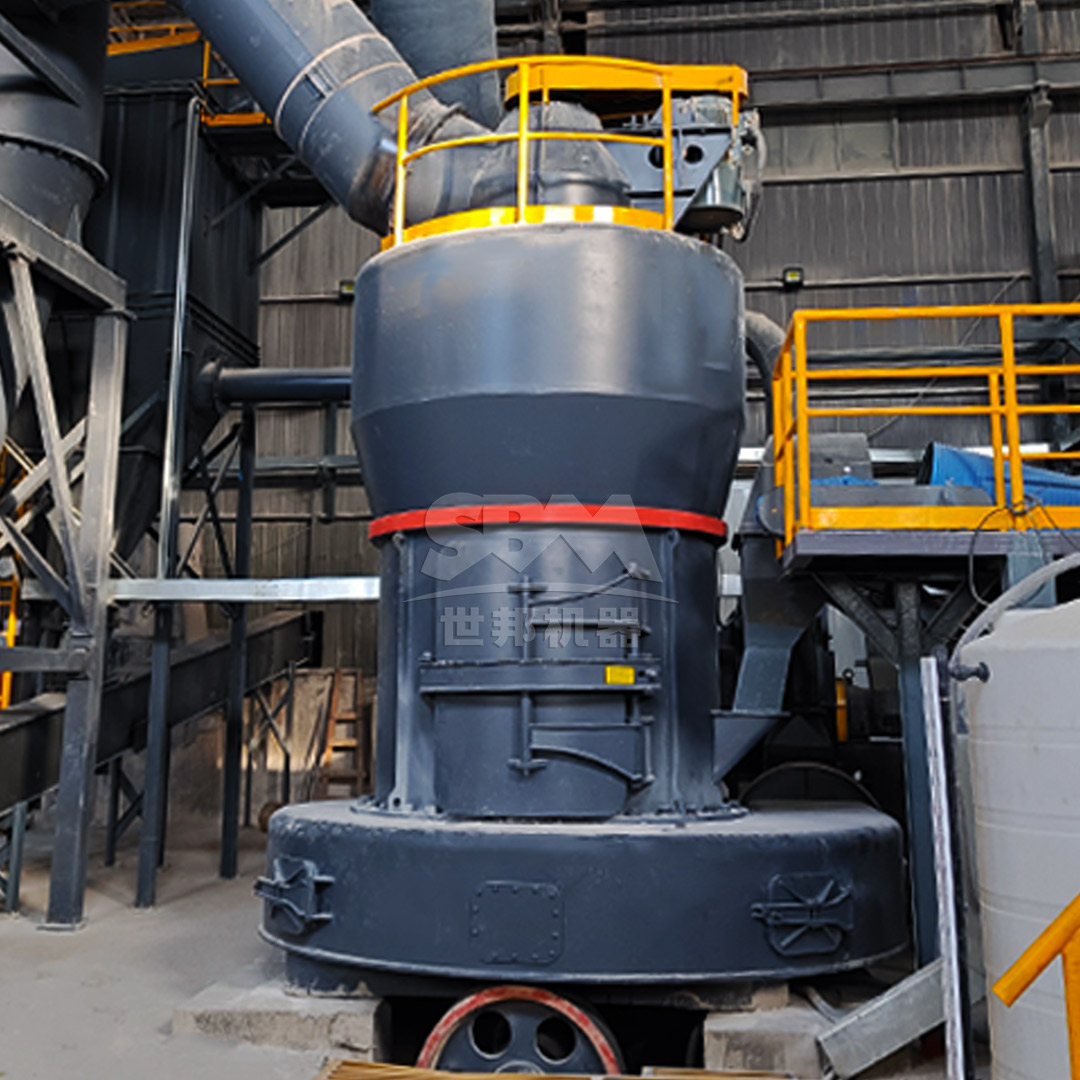
For operations requiring high-volume production or where the primary grind is in the coarse to fine range (often as a pre-grinding step or for standard-grade pigments), the MTW Series European Trapezium Mill stands out.
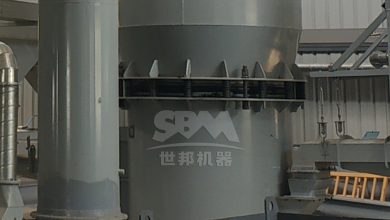
- Robust and Efficient Design: Its curved shovel blade and anti-wear design efficiently feed and grind the hard calcined clinker with reduced maintenance costs. The integral bevel gear drive boasts 98% transmission efficiency, translating to significant energy savings for continuous, large-scale operations.
- Optimized Particle Shape: The grinding principle involving extrusion and shearing between rollers and rings can produce powders with favorable particle morphology for better dispersion in some applications.
- High Capacity & Stability: With models like the MTW215G offering capacities up to 45 tons per hour, it is perfectly suited for large pigment manufacturing lines demanding reliable and stable output.
This mill can effectively handle the initial size reduction of quenched clinker down to a fine base powder, which can then be further refined in an SCM mill if ultrafine specifications are required.
5. Post-Processing and Quality Control
After milling and classification, the pigment powder may undergo surface treatment (e.g., with silanes or other agents) to improve its compatibility with organic matrices. Rigorous quality control is performed, including tests for color value (against standard samples), particle size distribution (via laser diffraction), chemical composition, and resistance properties. The consistent fineness achieved by advanced grinding equipment is the foundational parameter against which all other quality metrics are judged.
6. Conclusion
The manufacture of high-grade ferrosilicon red pigment is a technology-intensive process where calcination creates the color phase, but precision grinding defines the commercial quality. Investing in advanced, reliable grinding technology is not an option but a necessity. Our SCM Series Ultrafine Mill and MTW Series European Trapezium Mill offer tailored solutions across the entire fineness spectrum, addressing the core challenges of abrasion, energy consumption, particle size control, and environmental compliance. By integrating such equipment into the preparation process, producers can achieve superior pigment performance, operational efficiency, and a strong competitive edge in the market.