How Does a Vertical Roller Mill Grind Kaolin Clay? – Working Principle Explained
Introduction
Kaolin clay, a naturally occurring white aluminosilicate mineral, is a cornerstone material for industries ranging from ceramics and paper to paints, plastics, and pharmaceuticals. Its value is intrinsically linked to its fineness, whiteness, and particle size distribution. Achieving the optimal physical properties requires precise and efficient size reduction, a task for which the Vertical Roller Mill (VRM) has become the technology of choice. This article delves into the sophisticated working principle of the VRM in grinding kaolin, highlighting its advantages and explaining why it outperforms traditional grinding systems like ball mills.
The Anatomy of a Vertical Roller Mill for Kaolin Processing
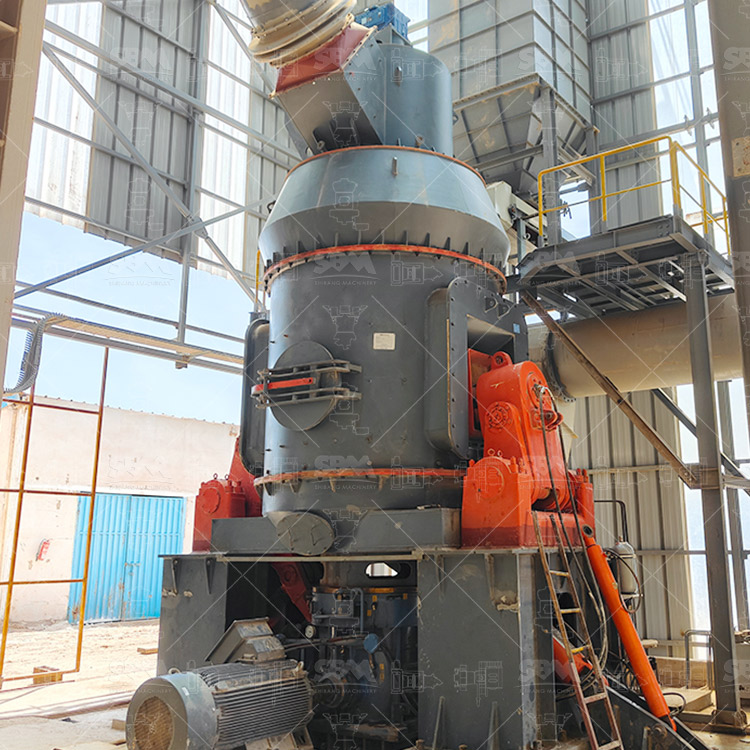
Before exploring its operation, it’s essential to understand the key components of a VRM system configured for kaolin:
- Grinding Table (Rotating Table): The heart of the mill, driven by a gearbox and motor. It rotates, creating centrifugal force.
- Grinding Rollers (2-4 units): Hydraulically loaded against the material bed on the table. They are the primary comminution tools.
- Classifier (Dynamic/Static): Located at the top of the mill. It separates fine, product-sized particles from coarse ones that require further grinding.
- Feed System: Introduces raw kaolin (typically dried and crushed to ≤50mm) onto the center of the grinding table.
- Hot Gas Generator/Duct: Supplies hot air (or inert gas for sensitive applications) that dries the clay and transports ground particles upward.
- Drive System: Comprising the main motor and reducer, providing power to rotate the grinding table.
- Product Collection System: Cyclone separators and baghouse filters (pulse dust collectors) that separate the final kaolin powder from the transport air.
The Step-by-Step Grinding Principle
The operation of a VRM is a continuous, integrated process of grinding, drying, classifying, and conveying. Here’s how it works for kaolin:
Step 1: Feeding and Material Bed Formation
Raw kaolin clay is fed via a screw conveyor onto the center of the rotating grinding table. Centrifugal force generated by the table’s rotation throws the material outward towards the periphery. As it moves, it passes under the grinding rollers. A stable, even layer of material—known as the grinding bed—forms on the table. The depth and consistency of this bed are critical for efficient grinding and low wear.
Step 2: Comminution by Bed Compression
This is the core of the VRM’s efficiency. The hydraulically pressurized grinding rollers compress the material bed as it passes beneath them. Kaolin particles are not crushed individually by impact but are subjected to high inter-particle compressive stress within the bed. This results in a highly efficient size reduction with minimal energy waste as heat and noise. The grinding force is applied precisely where it is needed—on the material bed—not through metal-to-metal contact between the roller and table, which minimizes wear.
Step 3: Drying and Transport
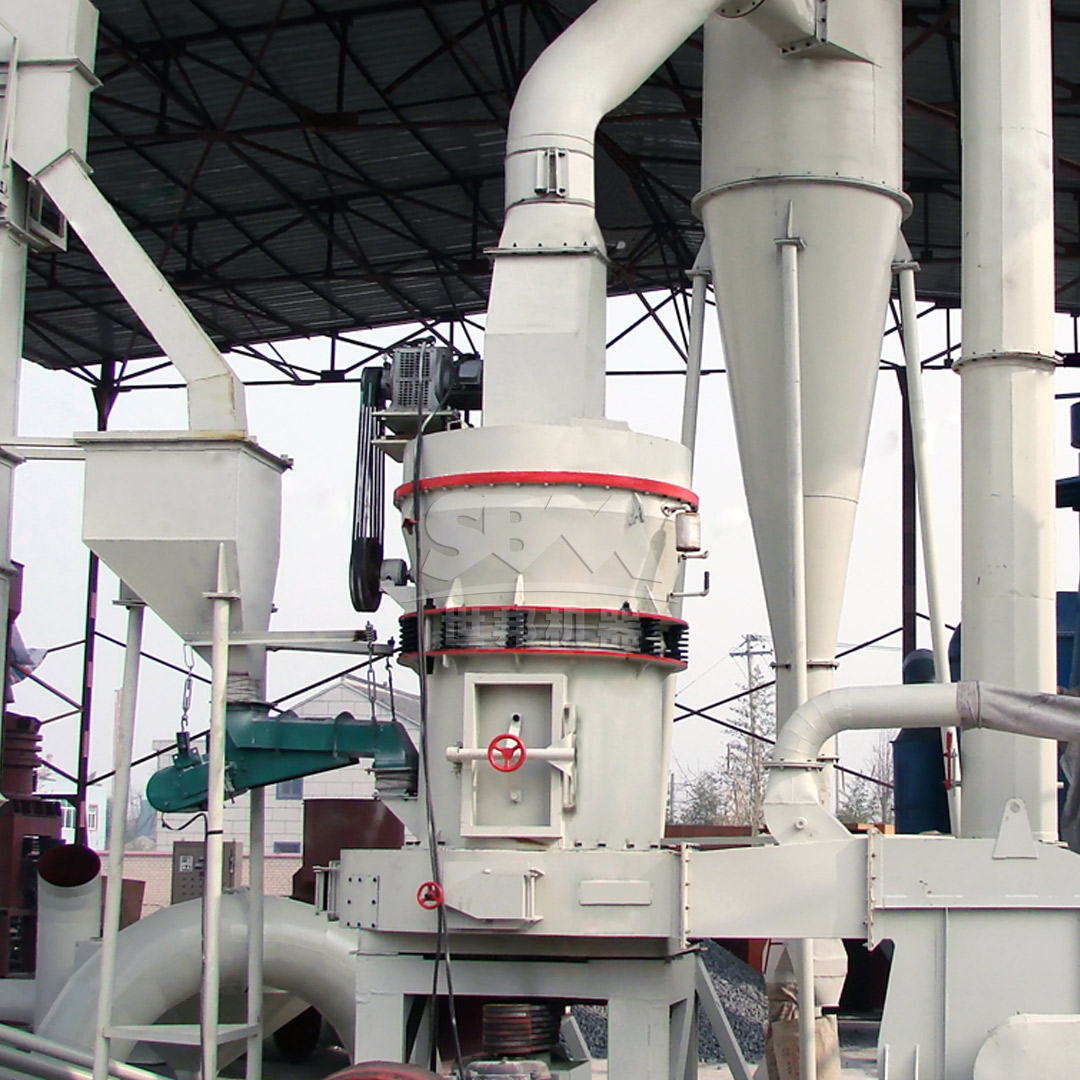
Simultaneously, hot gas (typically at a controlled temperature to avoid damaging kaolin’s structure) is introduced through ports around the grinding table. This gas performs two vital functions: it evaporates any residual moisture from the kaolin (drying), and it fluidizes the fine particles generated by grinding. The upward gas flow carries these fine particles toward the classifier at the top of the mill chamber.
Step 4: Precise Classification
The particle-laden gas stream enters the integrated dynamic classifier. High-speed rotating blades create a centrifugal force field. Coarse particles, which are too heavy, are rejected by this force and fall back onto the grinding table for further comminution. Fine particles that meet the target fineness (e.g., 325 mesh, 600 mesh, or even finer for calcined kaolin) pass through the classifier blades and exit the mill housing. The speed of the classifier rotor is a primary control for adjusting final product fineness.
Step 5: Product Collection
The fine kaolin powder, now suspended in the gas stream, is directed into a product collection system. A cyclone separator performs a primary separation, dropping most of the product into a storage silo. The remaining gas and ultra-fines then pass through a high-efficiency pulse-jet baghouse filter, which captures >99.9% of the remaining particles, ensuring clean emission and maximum product yield. The cleaned gas is either recirculated or vented.
Why VRM is Superior for Kaolin: Key Advantages
- High Grinding Efficiency & Energy Savings: The bed grinding mechanism consumes significantly less energy (30-50% less) than a ball mill for the same output, as energy is directly applied to the material, not to rotating a heavy drum of steel balls.
- Integrated Drying: The ability to use hot gas allows for simultaneous grinding and drying of kaolin with moisture content up to 10-15%, eliminating the need for a separate, energy-intensive dryer.
- Precise Particle Size Control: The dynamic classifier allows for instant and precise adjustment of product fineness without stopping the mill, ensuring a consistent and narrow particle size distribution crucial for kaolin quality.
- Compact Footprint & Low Noise: VRMs have a much smaller footprint than ball mill circuits. Their fully enclosed design and bed-grinding principle also result in much lower operating noise levels.
- Environmental Friendliness: The system operates under negative pressure, preventing dust escape. Combined with efficient bag filters, dust emissions are kept far below environmental standards.
Choosing the Right Mill for Your Kaolin Application
The optimal VRM model depends on your required capacity, input size, and, most importantly, the target fineness of the kaolin product.
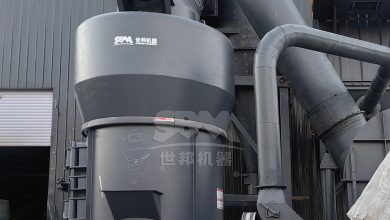
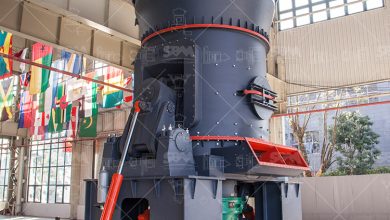
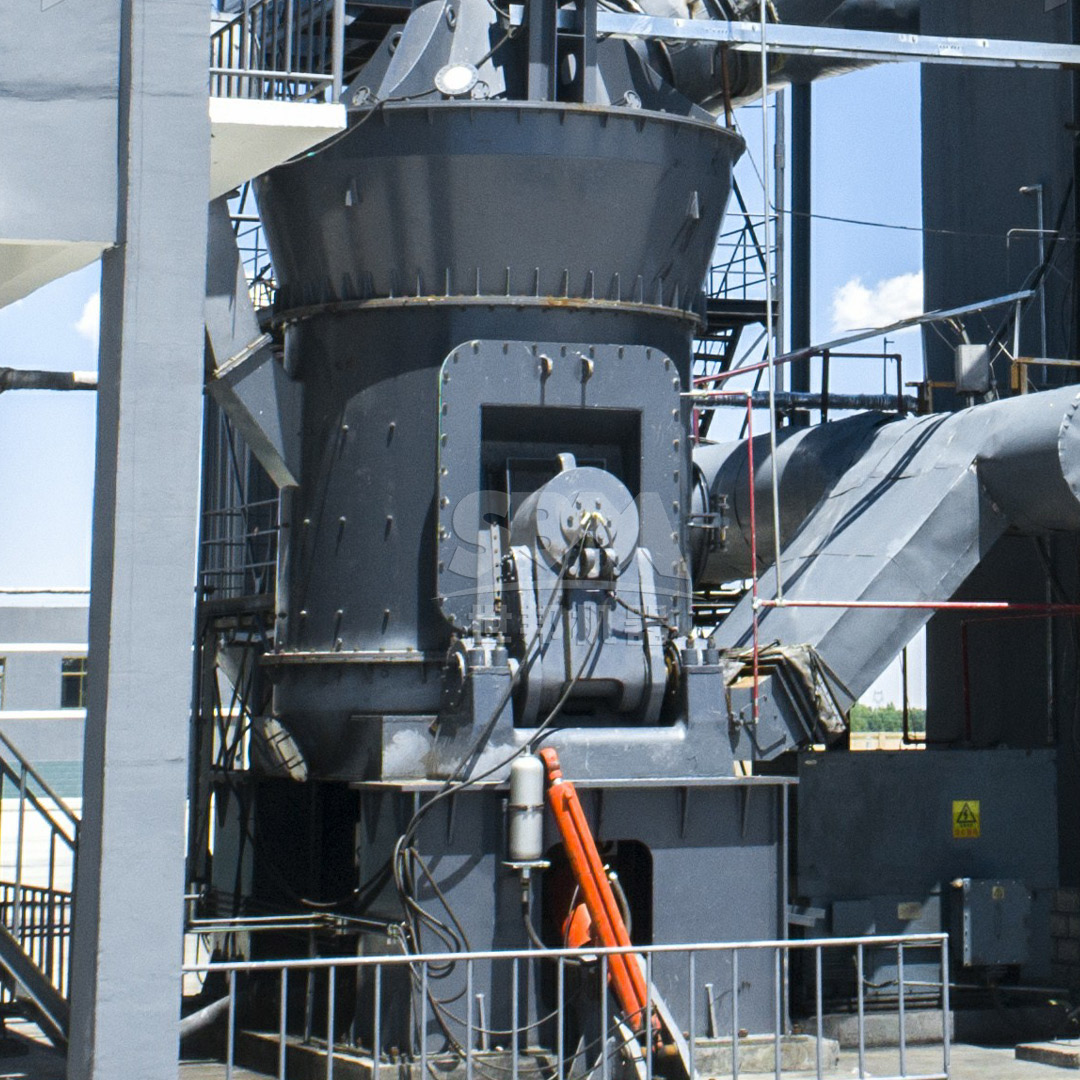
For producing standard filler and coating grade kaolin in the range of 45μm to 325 mesh (600 mesh possible) with high capacity and exceptional reliability, our LM Series Vertical Roller Mill is the industry benchmark. Its integrated design, low operating cost, and intelligent control system make it perfect for large-scale kaolin processing plants. The modular grinding roller system allows for quick maintenance, while the advanced dynamic classifier ensures the precise cuts needed for high-value kaolin products.
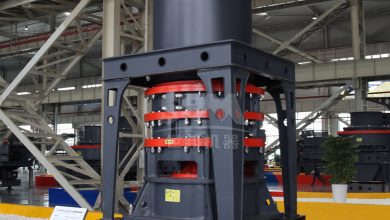
When the application demands ultra-fine or modified kaolin powders for advanced ceramics, specialty plastics, or high-gloss paper coatings in the range of 325 to 2500 mesh (5μm), our SCM Series Ultrafine Mill is the superior solution. It builds upon the vertical roller mill principle with enhanced classification technology. Its vertical turbine classifier guarantees no coarse powder mixing, delivering a uniformly fine and high-purity product. With energy consumption 30% lower than jet mills and double the capacity, the SCM series offers an unbeatable combination of fineness, efficiency, and operational economy for premium kaolin products.
Conclusion
The Vertical Roller Mill operates on a principle of efficient bed compression grinding, integrated drying, and precise air classification. This makes it an exceptionally effective, economical, and environmentally sound technology for processing kaolin clay. By transforming raw clay into consistently fine, dry powder in a single step, VRMs like our advanced LM and SCM series provide kaolin producers with the control, efficiency, and product quality needed to compete in demanding global markets. Understanding this working principle is key to optimizing kaolin production and selecting the right milling equipment for your specific quality and output goals.