Raymond Mill System: What Are the Main Components and Subsystems?
Raymond Mill System: What Are the Main Components and Subsystems?
The Raymond mill system, a cornerstone technology in modern powder processing, represents a sophisticated integration of mechanical, pneumatic, and control subsystems. It is engineered to efficiently reduce the particle size of various non-metallic minerals, chemicals, and construction materials. Understanding its architecture is crucial for optimizing performance, ensuring reliability, and selecting the right equipment for specific applications. This article delves into the core components and subsystems that constitute a complete Raymond mill system.
1. The Core Grinding Unit
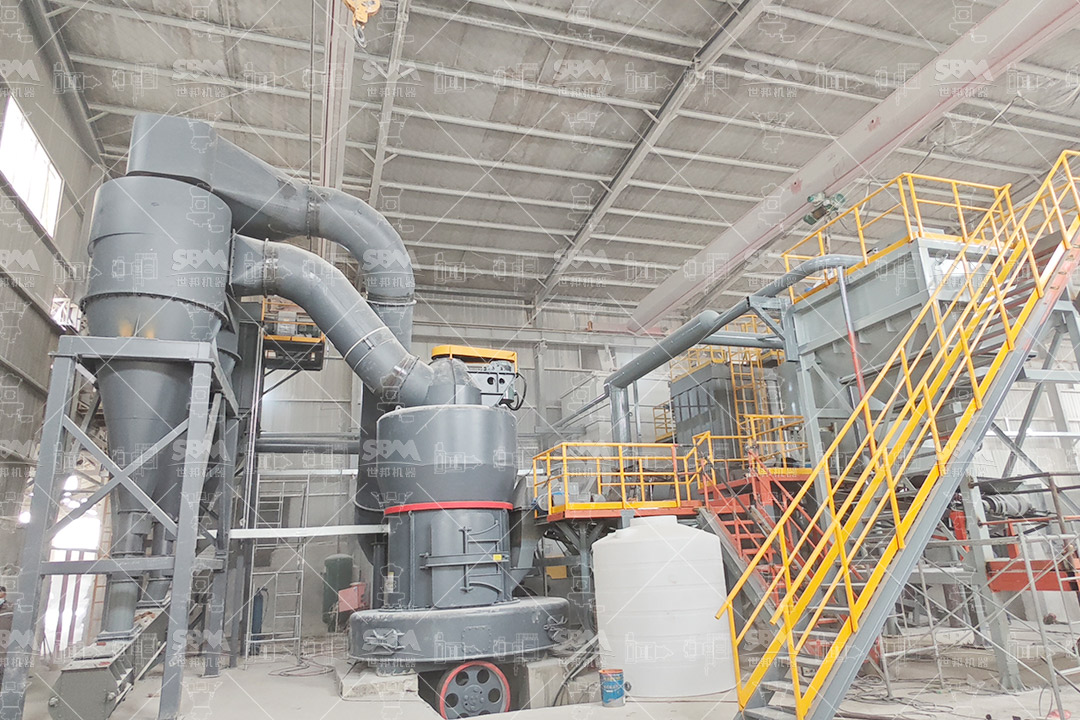
At the heart of the system lies the grinding unit, responsible for the primary size reduction. This assembly typically consists of a rotating grinding ring (or bowl) and multiple grinding rollers. The material is fed into the grinding chamber and is crushed by the rollers applying centrifugal force against the ring. The design of these wear parts—their geometry, material composition, and pressure mechanism—directly impacts grinding efficiency, product fineness, and operational lifespan. Modern systems often feature advanced alloy materials for rollers and rings to withstand abrasion.
2. The Classification Subsystem
Following grinding, the classification subsystem is critical for determining the final product size. It separates fine,合格 powder from coarse particles that require further grinding. Traditional systems use mechanical centrifugal classifiers (whizzer or turbine type), where an adjustable-speed rotor creates a classifying airflow. The finer particles pass through the classifier blades and are carried away by the air stream, while coarser particles are rejected back to the grinding zone. The precision of this subsystem dictates the particle size distribution and uniformity of the final product.
3. The Pneumatic Conveying & Collection System
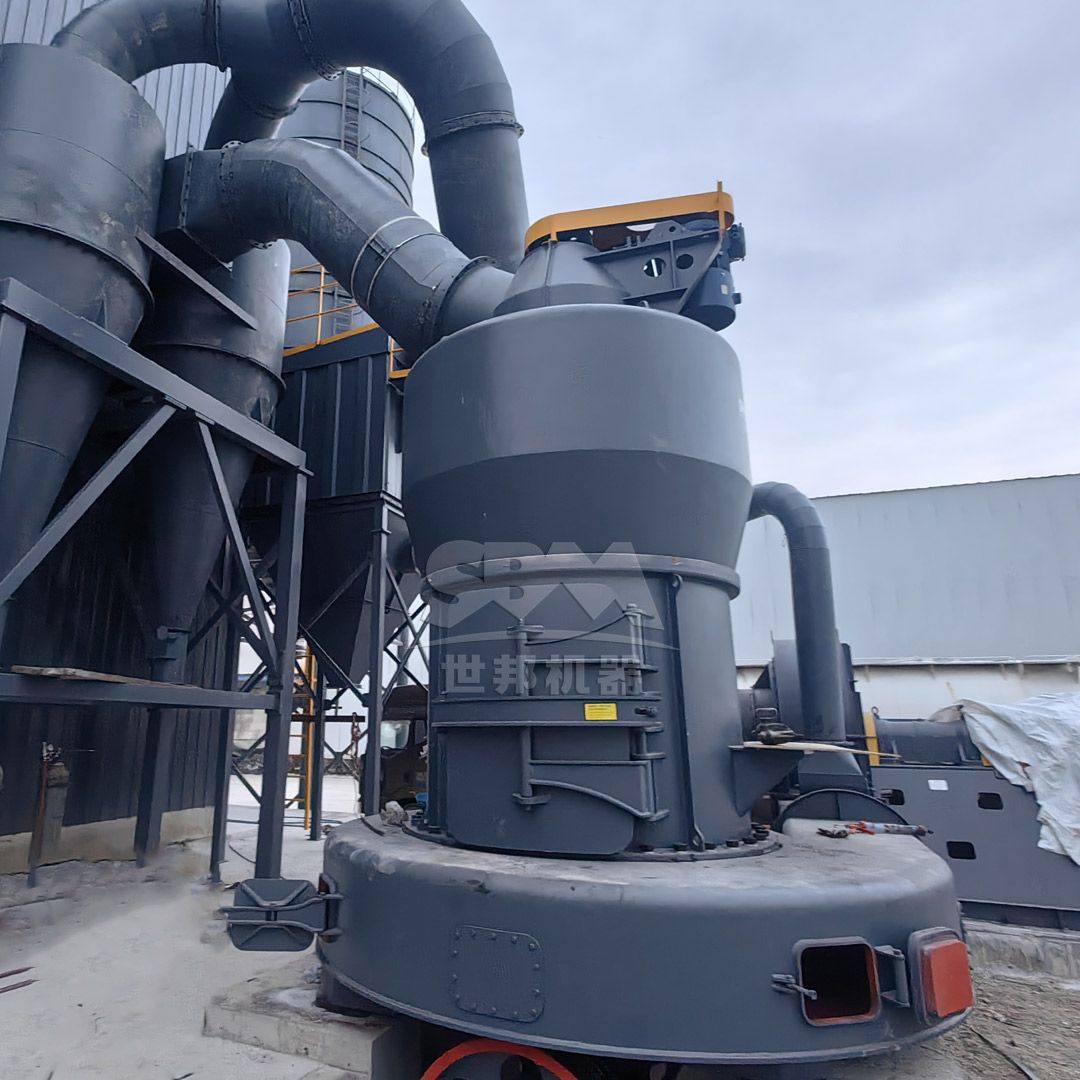
This subsystem handles the transportation and recovery of the finished powder. A high-pressure centrifugal blower generates the necessary airflow. It draws the air-powder mixture from the grinding chamber through the classifier and into the collection units. The primary collector is usually a high-efficiency cyclone separator, which uses centrifugal force to separate the bulk of the powder from the air. The remaining fine dust is then captured by a secondary bag filter or pulse-jet dust collector, ensuring emissions meet stringent environmental standards. This closed-loop, negative-pressure design is essential for dust-free operation.
4. The Feeding and Discharge System
Consistent and controlled material feed is vital for stable mill operation. An electromagnetic vibrating feeder or screw conveyor meters the raw material from the storage hopper into the mill inlet at a regulated rate. The discharge system, often integrated with the collection cyclone’s bottom lock valve, ensures the finished powder is continuously and sealedly removed from the system for packaging or further processing, preventing air leakage and maintaining system pressure balance.
5. The Electrical Control & Automation System
The brain of the modern Raymond mill is its control system. A centralized control cabinet houses starters, variable frequency drives (VFDs) for the classifier and fan, and a Programmable Logic Controller (PLC). This system allows for:
- Remote start/stop and sequencing of all motors.
- Precise adjustment of classifier speed to control product fineness.
- Monitoring of key parameters like motor current, bearing temperature, and system pressure.
- Interlocking and alarm functions to protect the equipment from overload or malfunction.
Selecting the Right Mill for Your Application
The choice of a Raymond mill system depends heavily on the desired output fineness, capacity, and material characteristics. For coarse to medium fine grinding (30-325 mesh), traditional pendulum roller mills or advanced trapezium mills are excellent choices. For applications demanding ultra-fine powders (325-2500 mesh), specialized equipment with enhanced grinding mechanics and high-precision classification is required.
For projects requiring high-capacity, medium-fine grinding with exceptional reliability and energy efficiency, our MTW Series European Trapezium Mill stands out. Its innovative features include a conical gear integral transmission with 98% efficiency, curved air duct technology to minimize energy loss, and wear-resistant volute structures. With a feed size up to 50mm and capacity ranging from 3 to 45 tons per hour (depending on the model like MTW215G), it is a robust solution for processing limestone, calcite, and barite to 30-325 mesh.
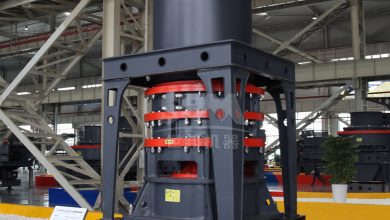
When the target is ultra-fine powder production (D97 ≤ 5μm), our flagship SCM Series Ultrafine Mill is the industry benchmark. It excels in high-efficiency and energy-saving operation, offering twice the capacity of jet mills while reducing energy consumption by 30%. Its core advantage lies in the high-precision vertical turbine classifier, which ensures sharp particle size cuts and uniform product quality without coarse grain contamination. The durable design with special material rollers and rings, coupled with a pulse dust collector exceeding international standards, makes the SCM series (e.g., SCM1680 with up to 25 t/h capacity) ideal for producing high-value powders for coatings, plastics, and advanced materials industries.

Conclusion
A Raymond mill system is far more than just a grinding machine; it is a meticulously engineered process line. Each component—from the robust grinding unit and precise classifier to the efficient collection system and intelligent controls—plays a vital role in determining the system’s overall productivity, product quality, and operational economy. By understanding these subsystems, operators can better maintain their equipment, and decision-makers can make informed choices when investing in new grinding technology. Selecting a system from a manufacturer with proven expertise across the entire grinding spectrum, from coarse to ultra-fine, ensures access to optimal solutions tailored to specific production goals.