
Optimizing PHC Pipe Pile Production: The Role of Slag Micro-Powder and Silica Sand Powder Composite Blending
Introduction: The Quest for High-Performance PHC Pipe Piles
Prestressed High-strength Concrete (PHC) pipe piles are fundamental components in modern deep foundation engineering, prized for their exceptional load-bearing capacity, durability, and rapid installation. As infrastructure demands grow more complex, the pursuit of enhanced mechanical properties, improved durability against aggressive environments, and optimized production costs has become paramount. A pivotal strategy in achieving these goals lies in the advanced modification of concrete matrices through mineral admixtures. This article delves into the transformative role of composite blending—specifically the synergistic use of slag micro-powder and silica sand powder—in revolutionizing PHC pipe pile production. Furthermore, it highlights the critical importance of precision grinding technology in producing these high-performance powders, introducing key equipment solutions that enable this material science advancement.
The Synergistic Power of Composite Blending
The conventional approach to PHC pile concrete often relies on single mineral admixtures like fly ash or standard ground granulated blast-furnace slag (GGBS). However, the composite blending of ultra-fine slag powder and processed silica sand powder creates a superior cementitious system.
1. Slag Micro-Powder: The Reactivity Enhancer
Ultra-fine slag powder, with a high specific surface area (often >420 m²/kg), is no longer merely a filler. Its amorphous glassy structure, rich in calcium, silicon, and aluminum, undergoes a potent pozzolanic reaction with the calcium hydroxide (portlandite) produced during cement hydration. This reaction generates additional calcium silicate hydrate (C-S-H) gel, the primary strength-giving phase in concrete. The benefits are multifold:
- Pore Refinement: The new C-S-H gel densifies the microstructure, blocking capillary pores and reducing permeability. This is crucial for piles exposed to chloride ions (marine environments) or sulfate attacks.
- Late-Strength Development: While potentially slowing initial set, it significantly boosts long-term compressive and flexural strength, aligning perfectly with the prestressing process timeline.
- Heat Mitigation: It reduces the heat of hydration in the large-volume pile sections, minimizing thermal cracking risks.
2. Silica Sand Powder: The Micro-Filler and Stability Agent
High-purity silica sand, ground to a controlled fineness (typically between 200-600 mesh), serves a complementary role. Its primary functions include:
- Physical Packing: The fine, inert particles fill the voids between cement and slag particles, creating a denser particle packing arrangement. This reduces water demand for a given workability or allows for a lower water-cementitious materials ratio, directly increasing strength.
- Nucleation Sites: The surfaces of silica particles provide abundant sites for the precipitation of hydration products, accelerating and guiding the crystallization process for a more uniform microstructure.
- Improved Rheology: When properly graded, it can enhance the lubricity of the fresh concrete mix, improving flowability during the centrifugal casting of PHC piles, leading to better dimensional uniformity and surface finish.
The synergy is clear: the slag provides chemical reactivity and long-term durability, while the silica sand optimizes the immediate physical structure and workability. Together, they can partially replace a significant portion of cement (30-50% or more), reducing carbon footprint and raw material cost while elevating performance.
The Critical Link: Precision Powder Production Technology
The efficacy of this composite blending strategy is entirely dependent on the quality of the powdered materials—their fineness, particle size distribution (PSD), sphericity, and chemical consistency. Inconsistent or coarse powder negates the benefits. Therefore, selecting the right grinding technology is not an auxiliary decision; it is a core production strategy.
The ideal grinding system for producing slag micro-powder and silica sand powder must achieve:
- Ultra-Fine & Controlled Fineness: Ability to reliably produce powder in the range of 325 to 2500 mesh (45-5μm), with a tight PSD.
- High Efficiency & Low Energy Consumption: Slag and silica are hard, abrasive materials. The mill must offer high grinding efficiency with minimal specific energy consumption (kWh/ton).
- Integrated Classification: A precise, internal classification system is essential to ensure no oversized particles contaminate the final product and to allow for flexible fineness adjustment.
- System Reliability & Low Maintenance: Designed to handle abrasive materials with wear-resistant components and stable, continuous operation.
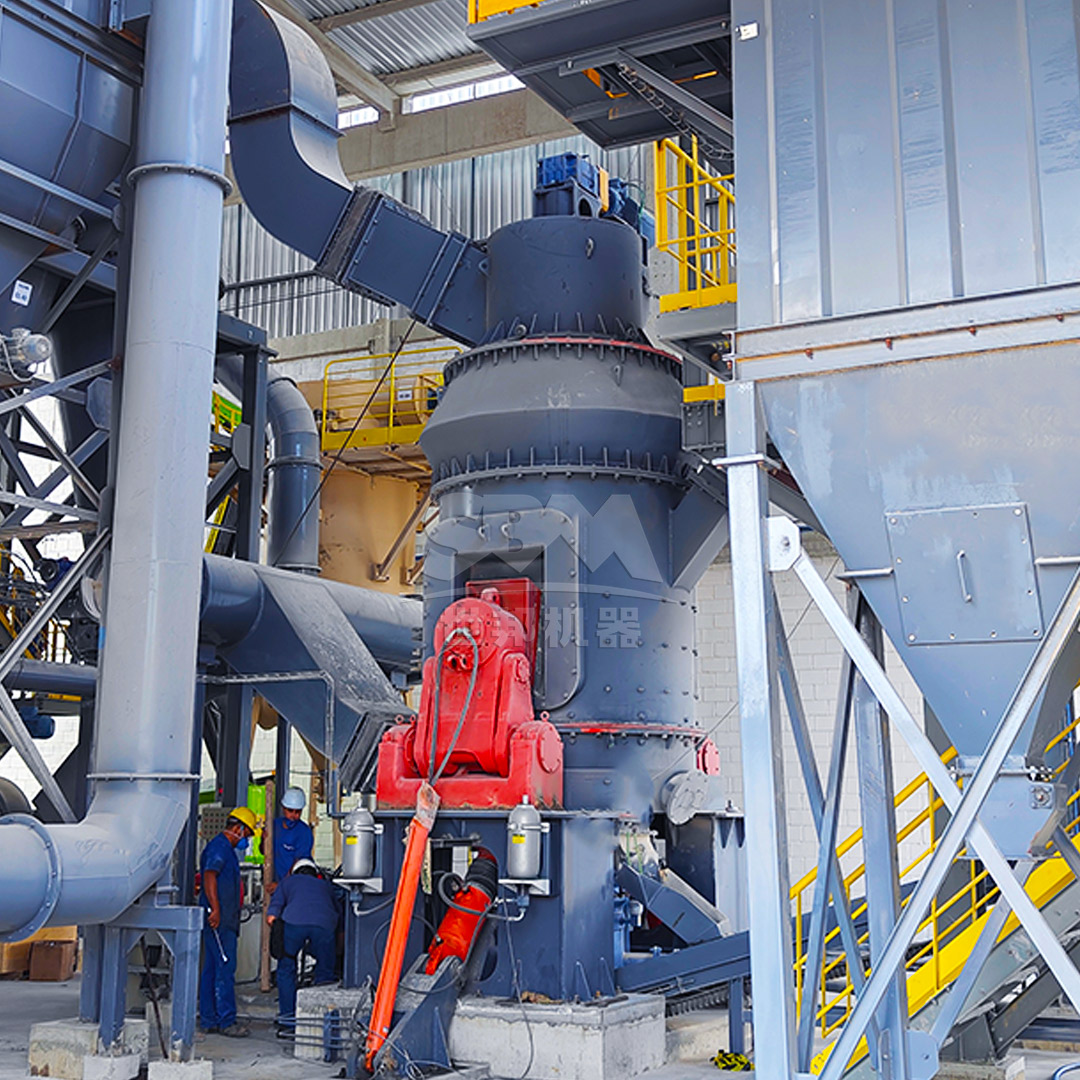
Enabling Technology: The SCM Ultrafine Mill for Premium Micro-Powders
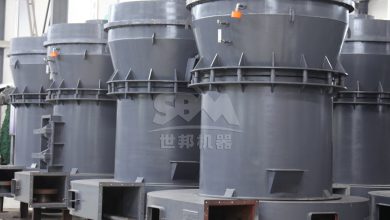
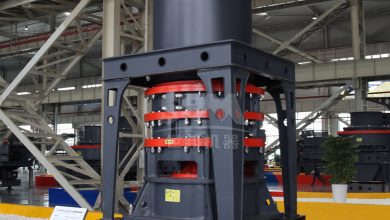
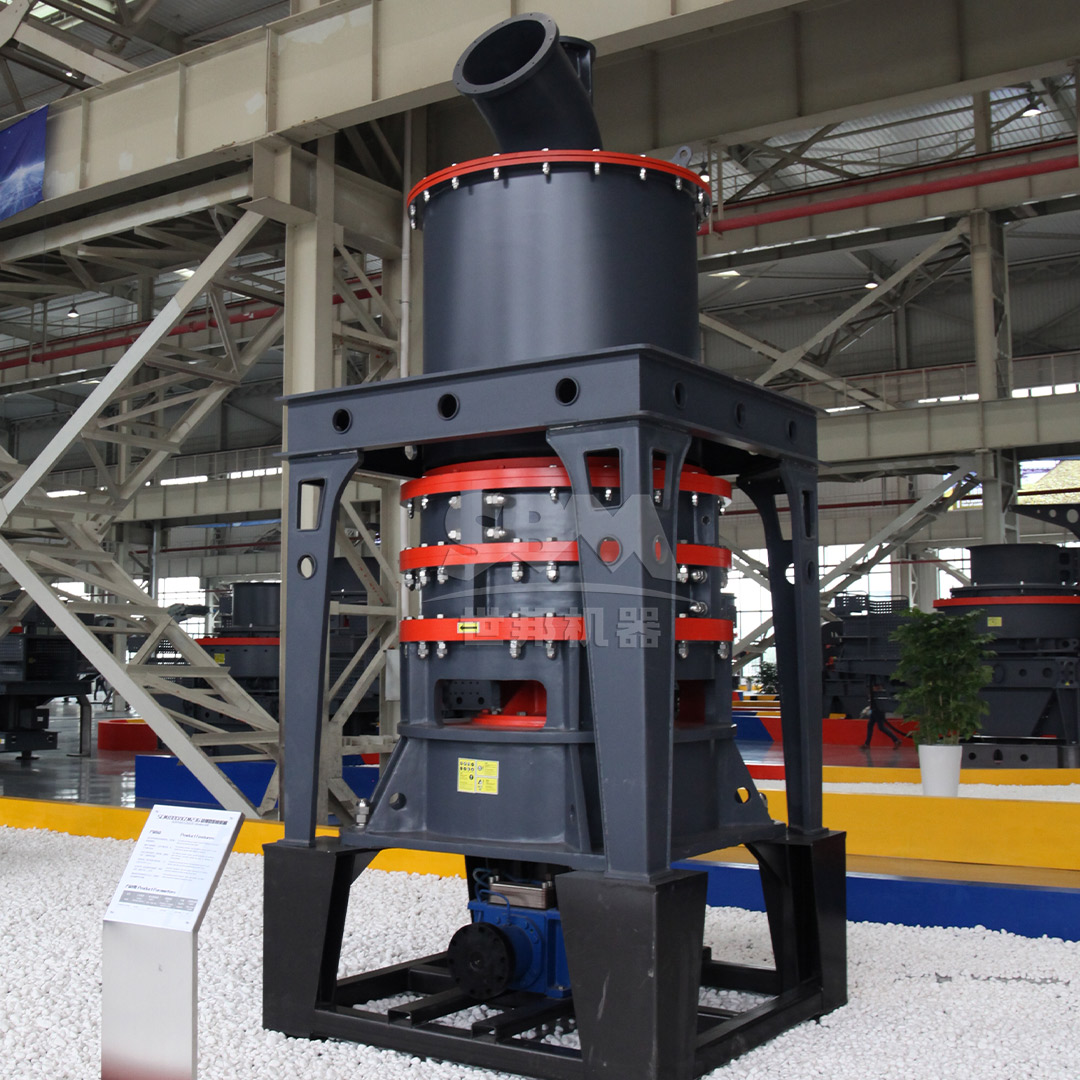
For the production of the highest-grade slag micro-powder (exceeding 420 m²/kg) and ultra-fine silica sand powder, advanced vertical grinding technology is essential. Our SCM Series Ultrafine Mill is engineered specifically for this demanding application.
This mill excels in producing powders in the 325-2500 mesh (D97 ≤5μm) range, which is ideal for activating the full pozzolanic potential of slag and achieving the optimal packing effect with silica sand. Its core advantages directly address the needs of PHC pile admixture production:
- Superior Efficiency: With a grinding mechanism that delivers twice the capacity of traditional jet mills while reducing energy consumption by 30%, it makes the production of ultra-fine powders economically viable for large-scale construction material projects.
- Unmatched Precision: The integrated vertical turbine classifier ensures precise particle size切割, guaranteeing a uniform product without coarse grain contamination. This consistency is vital for predictable concrete performance.
- Durability for Abrasive Materials: Featuring special alloy wear parts for the grinding roller and ring, its lifespan is multiples longer than conventional mills when processing hard slag and silica. The innovative bearing-less screw design in the grinding chamber further enhances operational stability.
- Eco-Friendly Operation: The mill system incorporates a high-efficiency pulse dust collector that exceeds international emission standards, ensuring a clean production environment. Its soundproofed design maintains noise levels below 75dB.
For a PHC pipe pile plant aiming to establish an in-house or dedicated powder production line, models like the SCM1250 (2.5-14 ton/h, 185kW) or the SCM1680 (5.0-25 ton/h, 315kW) offer the perfect balance of high output and exceptional fineness control, providing a reliable supply of the key ingredient for high-performance concrete blends.
High-Volume Production: The MTW Series Trapezium Mill for Silica Sand
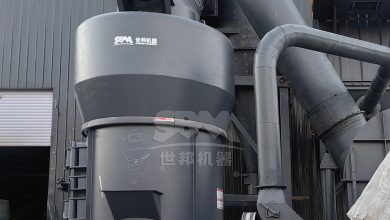
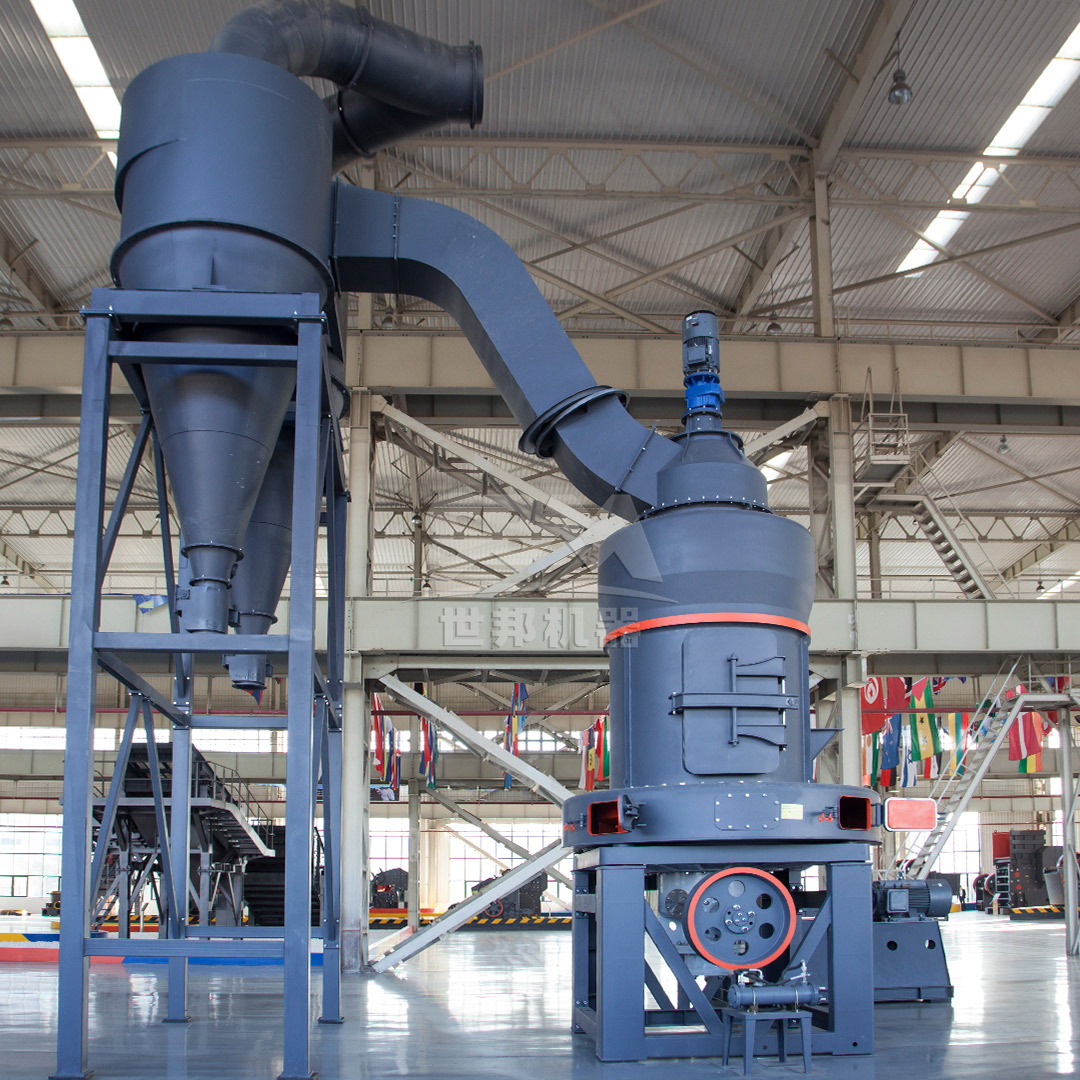
While ultra-fine grades are crucial, the broader production of silica sand powder across a range of fineness levels (e.g., 30-325 mesh) for optimal gradation in the composite blend is also necessary. For this high-capacity, robust grinding task, our MTW Series Trapezium Mill presents an optimal solution.
Designed with a focus on reliability and large-scale output, the MTW mill is perfect for processing silica sand up to 50mm in feed size into precise powders from 30 to 325 mesh. Its technological strengths include:
- Advanced Wear Protection: The modular wear plate design and curved shovel significantly reduce maintenance costs and extend the service life of grinding components when processing highly abrasive silica.
- Optimized Aerodynamics: The curved air duct minimizes airflow resistance and energy loss, enhancing overall system transmission efficiency and reducing power consumption.
- Robust Drive System: The integral bevel gear transmission achieves up to 98% efficiency, offering a compact, reliable, and low-maintenance power transfer solution.
For a plant requiring substantial tonnage of consistently graded silica sand powder, models such as the MTW215G (15-45 ton/h, 280kW) provide the necessary throughput and durability to be the workhorse of the admixture preparation section.
Implementation and Economic Benefits
Integrating a composite blend of slag and silica sand powders, produced with the right milling technology, into PHC pile production yields a compelling return on investment:
- Enhanced Product Performance: Piles exhibit higher final strength (C80+), lower permeability, superior resistance to chemical attack, and improved dimensional stability.
- Reduced Cement Consumption: Significant cement replacement lowers direct material costs and reduces the carbon footprint of each pile produced.
- Optimized Production Costs: In-house powder production using efficient mills like the SCM or MTW series provides cost control over a critical raw material, insulating the business from market price fluctuations of commercial admixtures.
- Market Differentiation: The ability to produce premium, high-durability PHC piles creates a competitive advantage in demanding infrastructure markets such as ports, offshore wind farms, and seismic zones.
Conclusion
The optimization of PHC pipe pile production is undergoing a significant shift, moving from simple mix design to sophisticated material engineering. The composite blending of slag micro-powder and silica sand powder represents a scientifically and economically superior pathway to achieving next-generation pile performance. However, the full potential of this strategy is unlocked only with advanced grinding technology capable of delivering powders with precise, ultra-fine characteristics consistently and efficiently.
Investing in grinding solutions like the SCM Ultrafine Mill for premium micro-powders and the MTW Series Trapezium Mill for high-volume silica processing is not merely an equipment purchase; it is an investment in product quality, operational sustainability, and long-term market leadership. By mastering the production of these key admixtures, PHC pipe pile manufacturers can build a stronger foundation—for their structures and their business.