Marble Powder Grinding Plant: Complete Production Line Setup and Machinery Guide
Introduction
The production of high-quality marble powder is a cornerstone for numerous industries, including plastics, paints, coatings, paper, and construction. Setting up an efficient and profitable marble powder grinding plant requires careful planning, selection of appropriate technology, and a deep understanding of the entire production workflow. This guide provides a comprehensive overview of a complete marble powder production line, from raw material handling to final packaging, with a focus on critical machinery selection to optimize output, quality, and operational costs.
1. Understanding Marble Powder Specifications and Market Demand
Marble powder, or calcium carbonate (CaCO3) filler, is valued for its brightness, whiteness, and low abrasiveness. The key specifications determining its application and price are:
- Particle Size Distribution (PSD): Measured in mesh (e.g., 200 mesh, 325 mesh) or microns (μm). Finer powders (e.g., >800 mesh, D97 ≤ 10μm) command higher prices and are used in high-end plastics and paints.
- Whiteness and Brightness: Critical for applications in paper and premium coatings.
- Chemical Purity: Low silica and iron oxide content is essential for many applications.
A successful plant design must be flexible enough to produce multiple grades to cater to diverse market segments.
2. Complete Production Line Process Flow
A standard, modern marble powder plant consists of several integrated stages:
- Raw Material Receiving & Primary Crushing: Marble blocks or large fragments are fed into a primary jaw crusher to reduce size to below 50-100mm.
- Intermediate Storage & Pre-Homogenization: Crushed material is stored in silos or stockpiles to ensure consistent feed quality.
- Secondary Crushing & Fine Grinding: This is the heart of the plant. Pre-crushed marble is fed into the main grinding mill. The choice of mill technology is paramount and depends on the target fineness.
- Classification & Collection: Ground powder is transported by airflow to a classifier (integrated or separate) which separates fine, product-grade powder from coarse material. The coarse fraction is returned to the mill for further grinding (closed-circuit system). Fine powder is collected in cyclones and baghouse filters.
- Surface Modification (Optional): For specialized applications, powder may be treated with stearic acid or other agents in a coating machine to improve compatibility with polymer matrices.
- Packing & Dispatch: Finished powder is stored in silos and then packed into bags (25-50 kg) or bulk tankers.

3. Core Machinery Selection: The Grinding Mill
The grinding mill is the most significant investment and determines the plant’s capability, energy efficiency, and product quality. The selection is primarily driven by the required output fineness and capacity.
3.1 For Coarse to Medium Fineness (30-325 mesh / 600-45μm)
For producing fillers for construction materials, putty, or lower-grade plastics, robust and high-capacity mills are ideal.
Recommended Solution: MTW Series Trapezium Mill
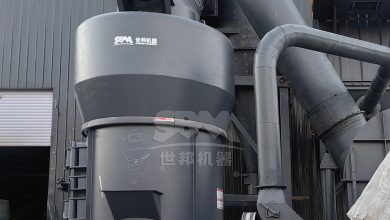
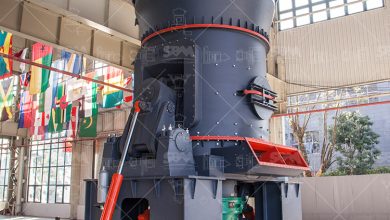
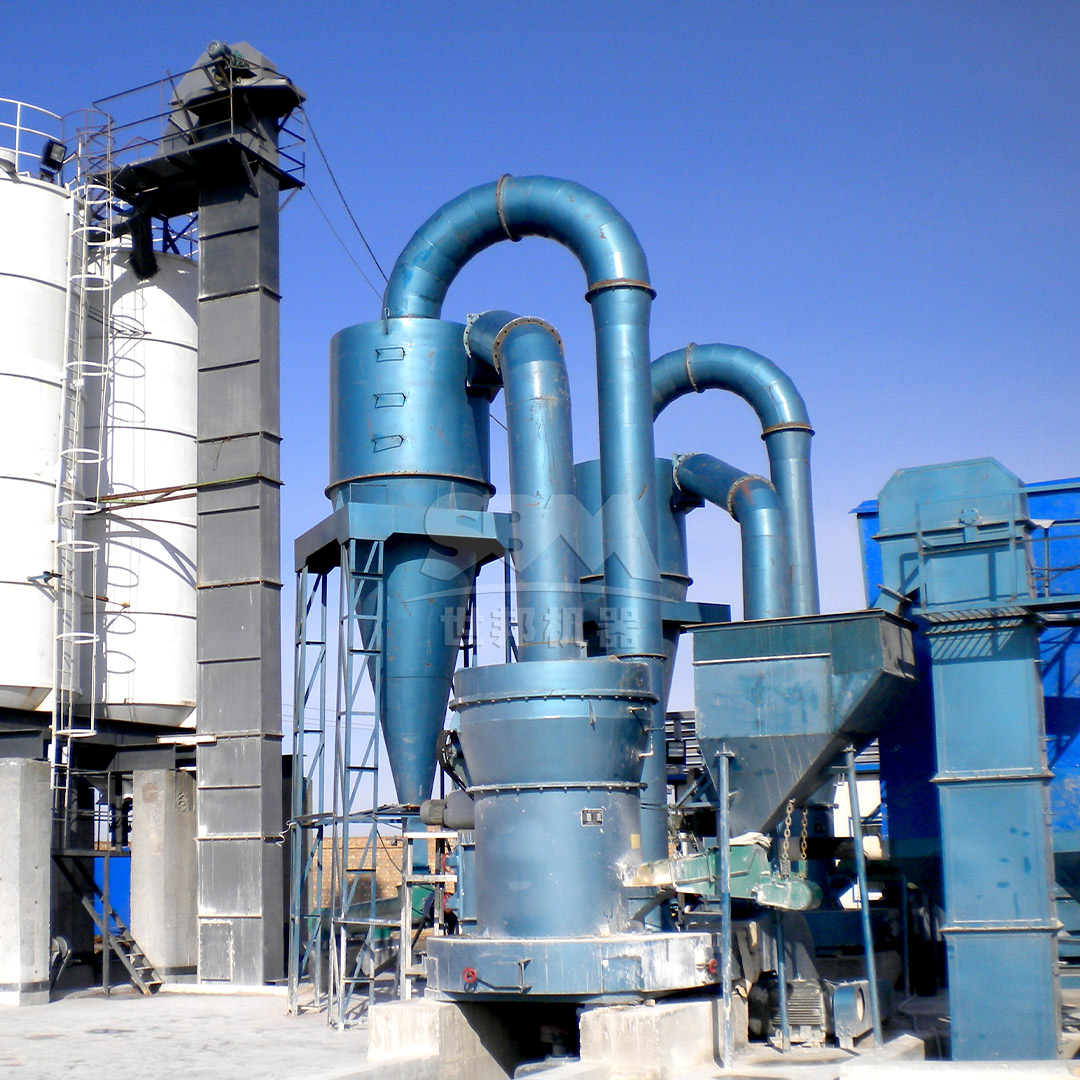
Our MTW Series Trapezium Mill is engineered for high-efficiency grinding in this range. Its curved duct design minimizes airflow resistance and energy loss, while the bevel gear integral transmission ensures smooth operation with 98% transmission efficiency. The wear-resistant volute and modular shovel blade design significantly reduce maintenance downtime and costs. With capacities from 3 to 45 tons per hour and the ability to handle feed sizes up to 50mm, the MTW series offers a reliable and cost-effective solution for large-scale production of marble powder in the construction and industrial filler sectors.
3.2 For Ultra-Fine and High-Value Fineness (325-2500 mesh / 45-5μm)
Producing superfine marble powder for masterbatch, high-quality paints, and specialty papers requires advanced grinding technology with precise classification.
Recommended Solution: SCM Series Ultrafine Mill
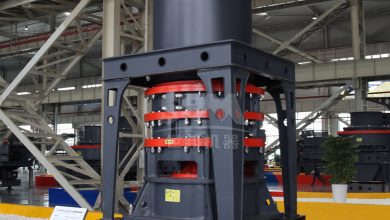
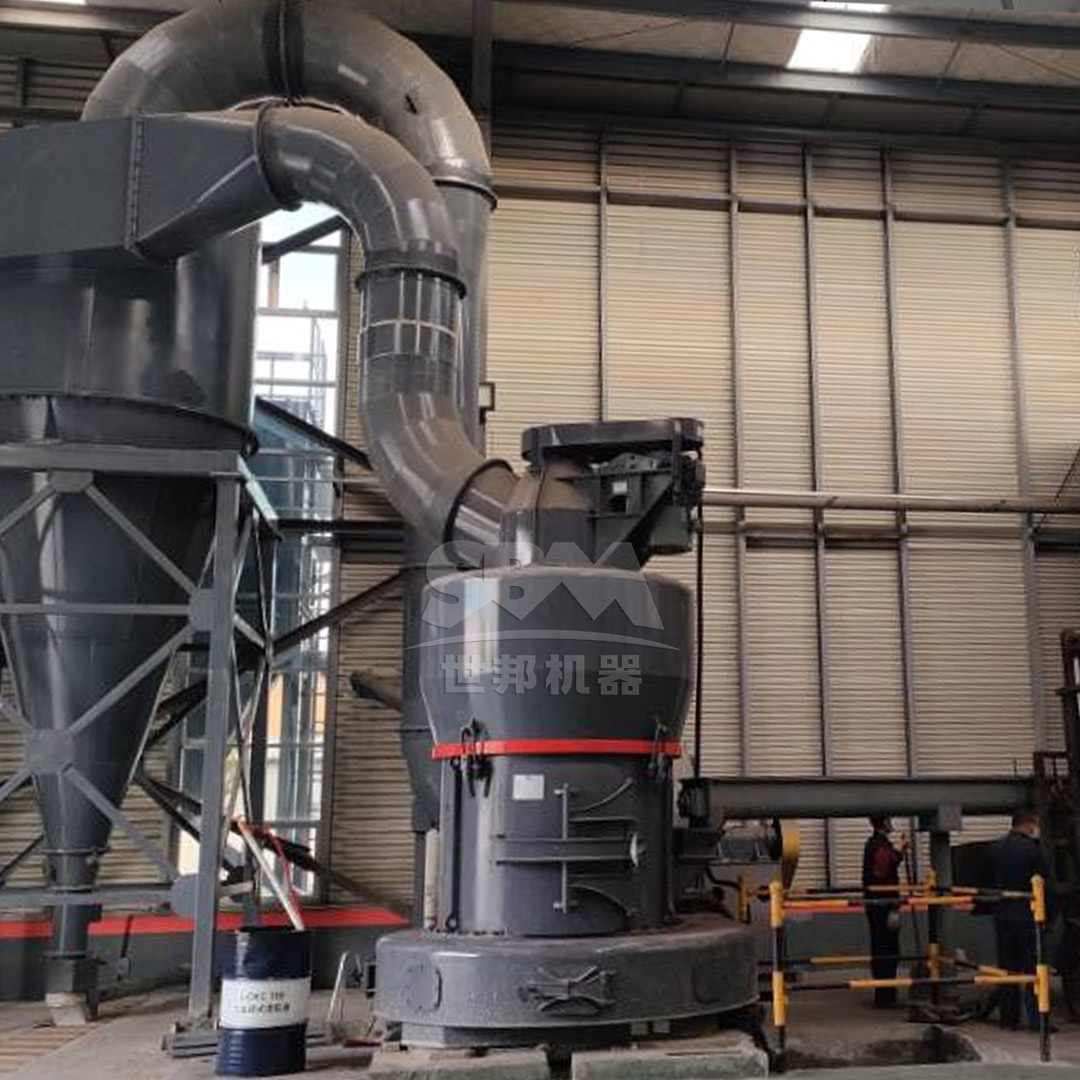
For the most demanding applications requiring ultra-fine and narrowly distributed powder, our flagship SCM Ultrafine Mill is the optimal choice. It excels in producing powder in the range of 325 to 2500 mesh (D97 ≤ 5μm). Its core advantages include:
– High Efficiency & Energy Saving: Delivers twice the capacity of jet mills while reducing energy consumption by 30%. An intelligent control system provides automatic feedback on product fineness.
– High-Precision Classification: A vertical turbine classifier ensures sharp particle size cuts, eliminating coarse particles and delivering a uniform product.
– Durable Design: Special alloy roller and ring extend service life multiple times. The bearingless screw-in grinding chamber enhances operational stability.
– Eco-Friendly & Low Noise: Equipped with a high-efficiency pulse dust collector and soundproofing design, keeping noise levels below 75dB.
With models like the SCM1250 (2.5-14 t/h) and SCM1680 (5-25 t/h), it can serve both medium and large-scale ultra-fine powder production plants efficiently.
4. Supporting Equipment and System Integration
- Feeding System: Vibrating feeders or belt feeders ensure a steady and controlled supply of material to the mill.
- Crushing System: A two-stage crushing system (Jaw Crusher + Hammer Mill or Impact Crusher) is typical to achieve the optimal feed size (≤20mm) for fine and ultra-fine mills.
- Dust Collection System: A pulse-jet baghouse filter is essential to meet environmental standards (emission < 20mg/m³) and recover product. It is integrated with the mill’s air system.
- Electrical & Control System: A centralized PLC control panel allows for automated operation, monitoring of key parameters (pressure, temperature, motor load), and remote diagnostics, ensuring stable and safe production.
5. Key Considerations for Plant Setup
- Site Selection & Layout: Ensure adequate space for raw material storage, machinery, powder silos, and truck access. Consider the logistics of inbound blocks and outbound powder.
- Power & Utilities: Grinding mills, especially large ones, have significant power requirements (from 90kW to over 1000kW). A stable high-voltage supply is crucial.
- Environmental Compliance: Design the plant with full enclosure, efficient dust collection at all transfer points, and noise mitigation measures from the start.
- Manpower & Training: While modern plants are highly automated, skilled technicians for operation, maintenance, and quality control are vital.
Conclusion
Establishing a successful marble powder grinding plant is a strategic investment that hinges on selecting the right technology partner and core equipment. A well-designed line based on robust, efficient, and precise machinery like the MTW Series Trapezium Mill for coarse-medium grinding and the SCM Ultrafine Mill for high-value superfine powder forms the foundation for long-term profitability and market competitiveness. By integrating these mills with proper crushing, classification, and dust collection systems, producers can achieve high-quality output, operational efficiency, and sustainable, environmentally compliant production.