
Comprehensive Utilization of Oil Shale Residue: A Brief Exploration
Introduction
The global energy landscape is undergoing a significant transformation, with increasing emphasis on resource efficiency and environmental sustainability. Oil shale, a sedimentary rock containing significant amounts of kerogen, represents a vast potential energy resource. However, the extraction of shale oil through processes like retorting generates substantial quantities of solid waste, known as oil shale residue (OSR) or semi-coke. Historically viewed as a problematic by-product requiring disposal, OSR is now recognized as a valuable secondary resource. Its comprehensive utilization is not only an economic imperative but also a critical step towards minimizing environmental impact and advancing the principles of a circular economy. This article explores the multifaceted potential of OSR and the technological solutions that enable its transformation into valuable products.
Characterization and Challenges of Oil Shale Residue
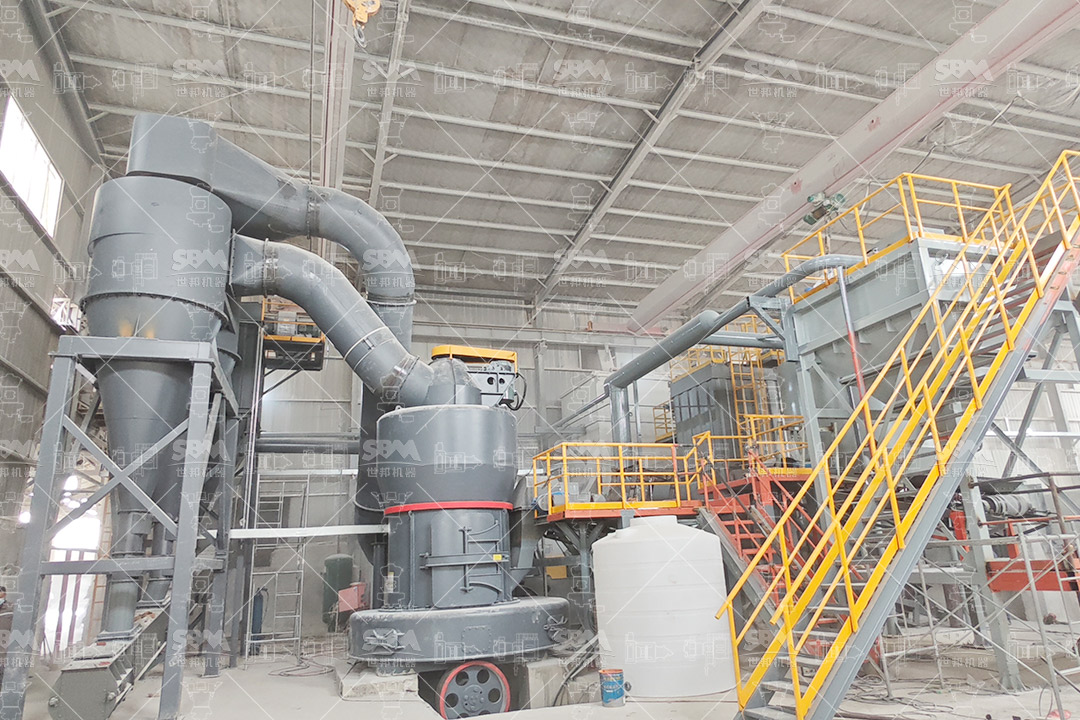
Oil shale residue is a complex material whose properties vary depending on the source rock and the retorting technology employed. Typically, it consists of inorganic mineral matrices (such as carbonates, silicates, and clays) and residual carbon. The material is often porous, with a high surface area, and may contain trace elements. The primary challenges associated with OSR include its fine, often dusty nature, potential leaching of harmful substances, and low bulk density. Effective utilization requires addressing these challenges through preprocessing, primarily involving crushing, grinding, and classification to achieve desired particle sizes and reactivities for downstream applications.
Pathways for Comprehensive Utilization
1. Construction and Building Materials
This represents one of the most promising and high-volume application areas for OSR.
- Cementitious Materials: Finely ground OSR can exhibit pozzolanic or latent hydraulic properties. It can be used as a supplementary cementitious material (SCM) in blended cements or as a component in cement clinker production, partially replacing traditional raw materials like clay and shale. This reduces the carbon footprint of cement manufacturing.
- Aggregates and Lightweight Materials: Due to its porous structure, OSR can be sintered or pelletized to produce lightweight aggregates for concrete, road sub-bases, or horticultural applications. The residual carbon can provide internal fuel during the sintering process, reducing energy consumption.
- Bricks and Ceramics: OSR can be incorporated into the production of bricks, tiles, and other ceramic products, acting as both a filler and a pore-forming agent, which can improve thermal insulation properties.
2. Environmental Applications
The adsorptive properties of OSR make it suitable for various environmental remediation roles.
- Adsorbents: Activated or simply processed OSR can be used as a low-cost adsorbent for wastewater treatment, removing heavy metals, dyes, and organic pollutants. Its effectiveness can be enhanced through physical or chemical activation.
- Soil Amendment: Processed OSR can be used to improve soil structure, water retention, and provide slow-release minerals. Care must be taken to ensure it is free of contaminants before agricultural use.
3. Energy and Chemical Recovery
- Combustion for Energy: The residual carbon content (typically 5-20%) allows OSR to be used as a low-grade solid fuel in circulating fluidized bed (CFB) boilers for heat and power generation, often co-fired with coal.
- Source of Minerals: OSR can be a source for extracting valuable minerals like alumina, silica, and rare earth elements through hydrometallurgical or other extraction processes.
The Critical Role of Size Reduction Technology
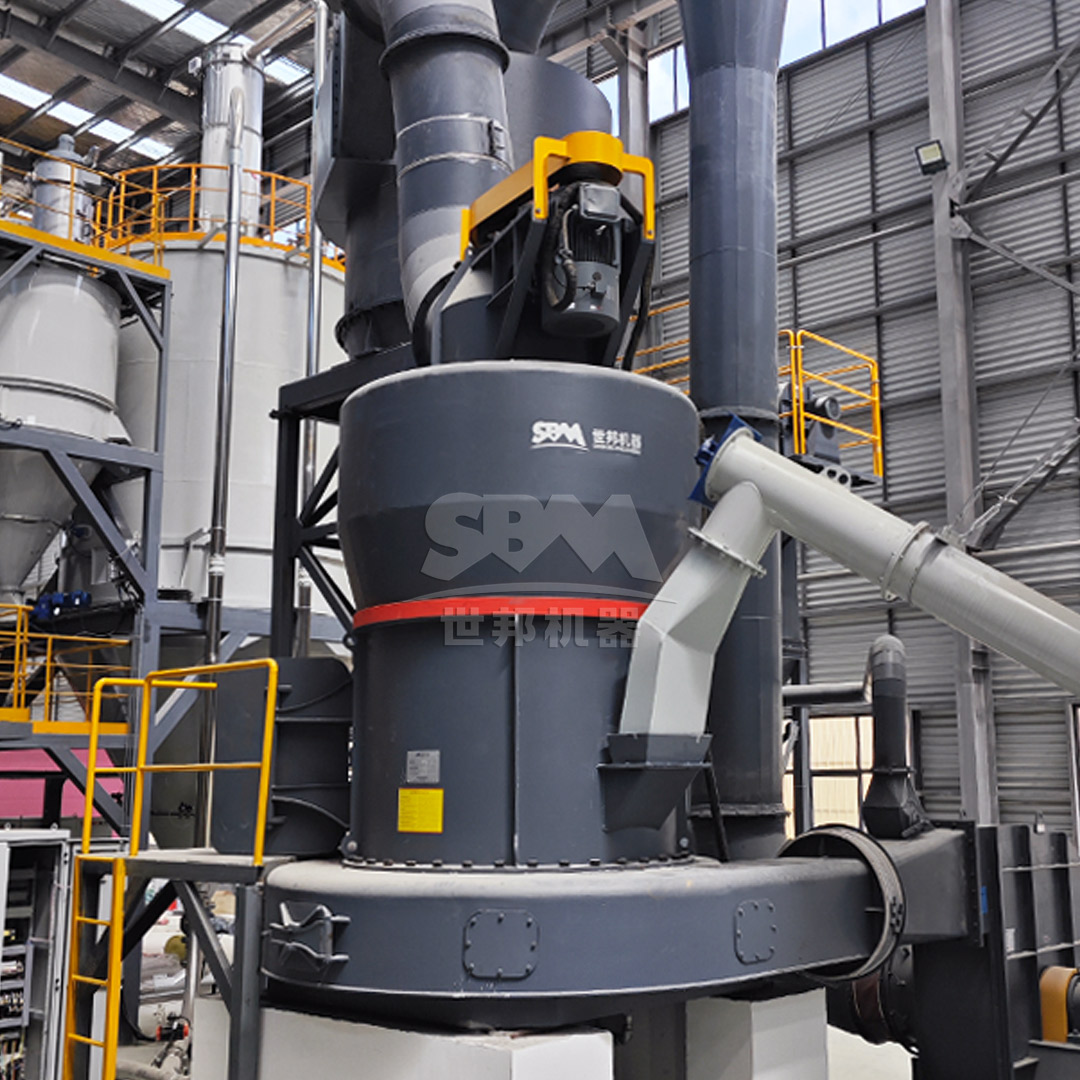
The transformation of raw, coarse OSR into a functional material hinges on efficient and controlled comminution. The required fineness varies dramatically by application: coarse aggregates may need particles several millimeters in size, cement replacement requires grinding to the fineness of cement (around 325 mesh/45μm), while high-value adsorbents or advanced SCMs may demand ultrafine powders in the range of 5-20μm (2500-600 mesh).
This is where advanced milling technology becomes indispensable. Traditional ball mills, while robust, are often energy-intensive and lack precision in particle size control for the finest ranges. Modern grinding solutions offer higher efficiency, better classification, and tailored fineness.
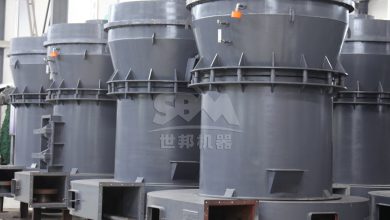
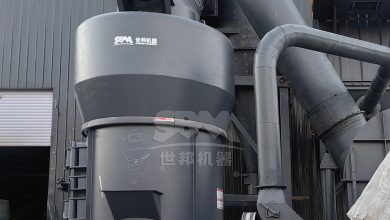
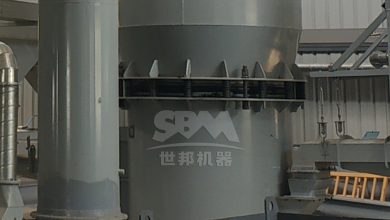
For medium to fine grinding applications, such as producing material for cement blends or sintered aggregates, the MTW Series Trapezium Mill presents an excellent solution. With an output fineness range of 30-325 mesh (600-45μm) and high capacity up to 45 tons per hour, it is engineered for durability and efficiency. Its innovative features, such as the wear-resistant curved air duct, modular shovel blade design, and highly efficient bevel gear overall transmission (98% efficiency), make it ideal for the continuous, large-scale processing of abrasive materials like OSR. The integrated intelligent grading system ensures consistent product quality, which is paramount for downstream industrial applications.
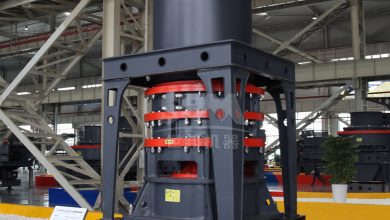
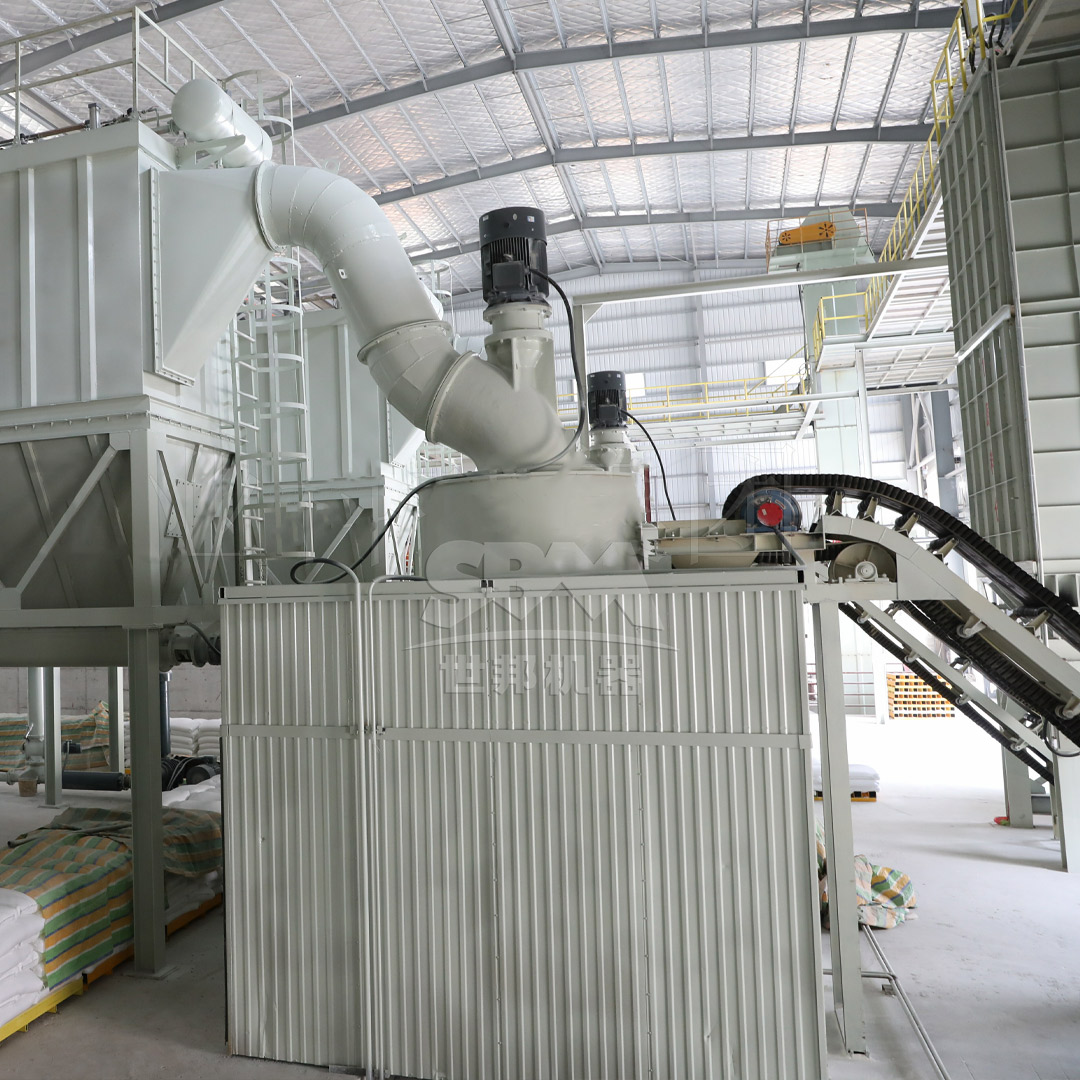
For applications demanding the highest fineness—turning OSR into a highly reactive pozzolan or a functional filler—ultrafine grinding is essential. The SCM Series Ultrafine Mill is specifically designed for this task. Capable of producing powders from 325 to 2500 mesh (45-5μm, D97), it achieves fineness levels unattainable by ordinary mills. Its core advantages are particularly relevant for value-added OSR products: high-efficiency grinding with energy consumption 30% lower than jet mills, a vertical turbine classifier for precise particle size cuts ensuring no coarse powder contamination, and a durable, stable design with special-material rollers and rings. Furthermore, its environmentally friendly operation, featuring high-efficiency pulse dust collection and noise levels below 75dB, aligns perfectly with the sustainable ethos of waste valorization projects.
Conclusion and Future Outlook
The comprehensive utilization of oil shale residue is a compelling example of turning an industrial liability into an asset. By leveraging its inherent properties through pathways in construction, environmental technology, and energy recovery, we can significantly reduce waste, conserve natural resources, and create new economic value streams. The success of these utilization strategies is fundamentally linked to the availability of advanced processing equipment capable of transforming raw residue into specification-grade materials efficiently and reliably.
Technological innovation in size reduction and classification, exemplified by mills like the MTW Series for high-capacity fine grinding and the SCM Series for precision ultrafine grinding, provides the essential toolkit for this transformation. As research continues to unlock new applications for OSR, and as environmental regulations become more stringent, the adoption of such efficient and versatile processing technologies will be a key differentiator for companies operating in the oil shale sector and related recycling industries. The future lies not in disposal, but in smart, technology-driven utilization.