How to Choose the Right Coke Powder Processing Equipment
Introduction
The production of high-quality coke powder is a critical process in numerous industries, including metallurgy, foundries, and chemical manufacturing. The selection of appropriate processing equipment directly impacts product quality, operational efficiency, energy consumption, and overall profitability. This article provides a comprehensive guide to the key factors and technical considerations involved in choosing the right coke powder grinding and processing system.
Understanding Coke Powder Specifications
The first step in equipment selection is a precise definition of the final product requirements. Coke powder is typically characterized by its particle size distribution (PSD), moisture content, purity, and bulk density.
- Particle Size (Fineness): This is the most critical parameter. Requirements can range from coarse grinding (e.g., 30-100 mesh or 600-150μm) for certain casting applications to ultra-fine grinding (e.g., 325-2500 mesh or 45-5μm) for advanced carbon products and chemical reactions. The target fineness, often expressed as D97 (the particle size below which 97% of the material lies), dictates the type of mill required.
- Moisture Content: Coke feed moisture and the required final powder moisture influence the need for drying systems integrated with the grinding circuit.
- Capacity (Throughput): The required hourly or annual production tonnage determines the scale and power of the equipment.
- Contamination: The process must minimize iron contamination from wear parts, which is crucial for many metallurgical applications.
Key Factors in Equipment Selection
1. Grinding Mechanism and Mill Type
Different mills operate on different principles, each suitable for specific fineness ranges and material characteristics.
- Impact/Crush (Coarse to Medium Fine): Equipment like Hammer Mills and Jaw Crushers are used for primary size reduction, breaking large coke lumps (≤50mm) down to a few millimeters.
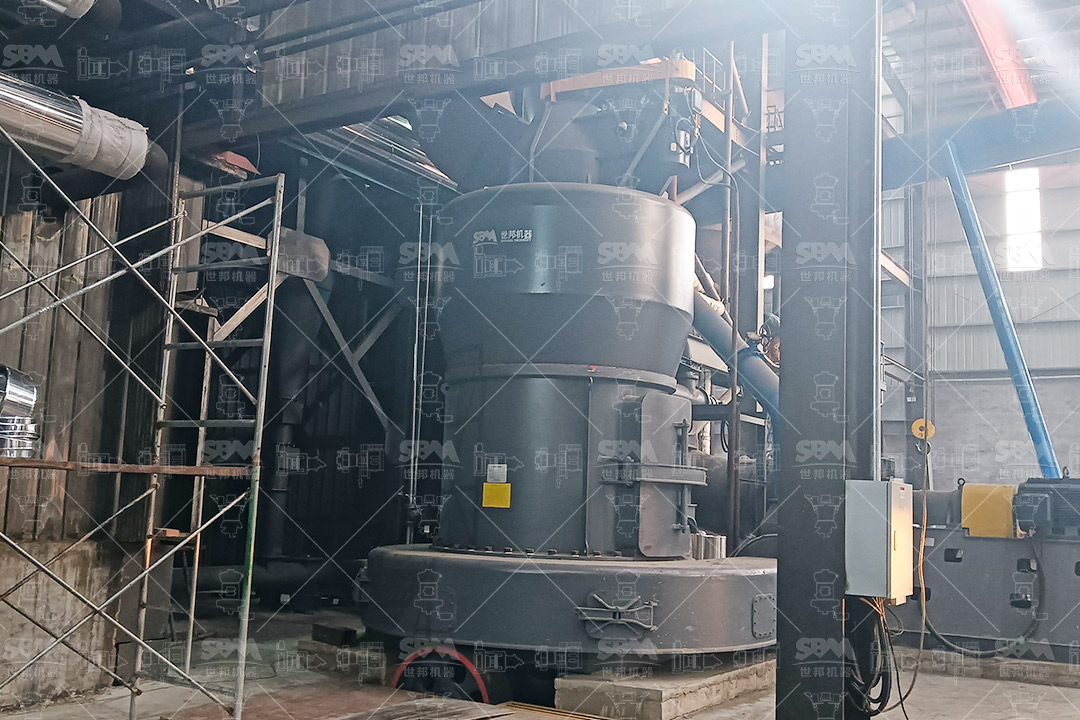
- Compression/Grinding (Medium Fine to Fine): Raymond Mills (MTW/MTM Series) and Vertical Roller Mills (LM Series) use rollers to compress and grind material against a stationary ring or table. They are highly efficient for producing powder in the 30-325 mesh (600-45μm) range. For instance, our MTW Series Trapezium Mill excels in this segment with its advanced curved air duct, integral transmission, and high wear resistance, offering capacities from 3 to 45 tons per hour.
- Attrition/Ultra-fine Grinding (Superfine to Ultrafine): For fineness exceeding 325 mesh (45μm), specialized mills like Ultrafine Mills (SCM Series) and LUM Ultrafine Vertical Mills are necessary. They employ multiple grinding rings and precision classifiers to achieve a consistent, narrow particle distribution.
2. Classification System
A high-precision internal or external classifier is essential for controlling the top particle size and ensuring a uniform product. It separates fine particles that meet the specification from coarse ones that need recirculation. Look for mills with dynamic turbo classifiers or multi-rotor systems that allow for easy and precise adjustment of the cut point.
3. Wear Resistance and Material of Construction
Coke is highly abrasive. The longevity of grinding elements (rollers, rings, liners) directly affects maintenance costs and operational uptime. Equipment with wear parts made from high-chromium alloys, ceramic composites, or other specialized hardened materials is preferred. Designs that allow for easy replacement of these parts further reduce downtime.
4. Energy Efficiency
Grinding is an energy-intensive process. Modern mills are designed for optimal specific energy consumption (kWh/ton). Vertical Roller Mills (VRMs), for example, are known for being 30-50% more energy-efficient than traditional ball mills for similar applications due to their bed-compression grinding principle.
5. System Integration and Automation
A complete processing line includes more than just the mill. Consider integrated systems that encompass feeding, grinding, classification, collection (cyclones and bag filters), and packaging. A high level of automation with PLC control ensures stable operation, consistent product quality, and reduced labor costs.
6. Environmental and Safety Compliance
The system must be fully enclosed to prevent dust emission. High-efficiency pulse-jet baghouse dust collectors are standard, ensuring emissions are well below international standards (e.g., <20 mg/m³). Noise control measures, such as acoustic enclosures, should also be in place to protect workers.
Recommended Solutions for Specific Applications
For High-Capacity, Fine Grinding (30-325 mesh / 600-45μm)
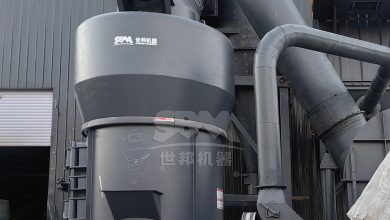
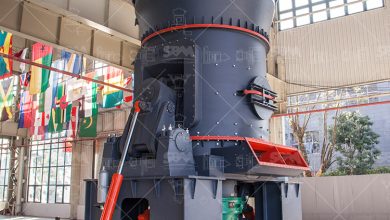
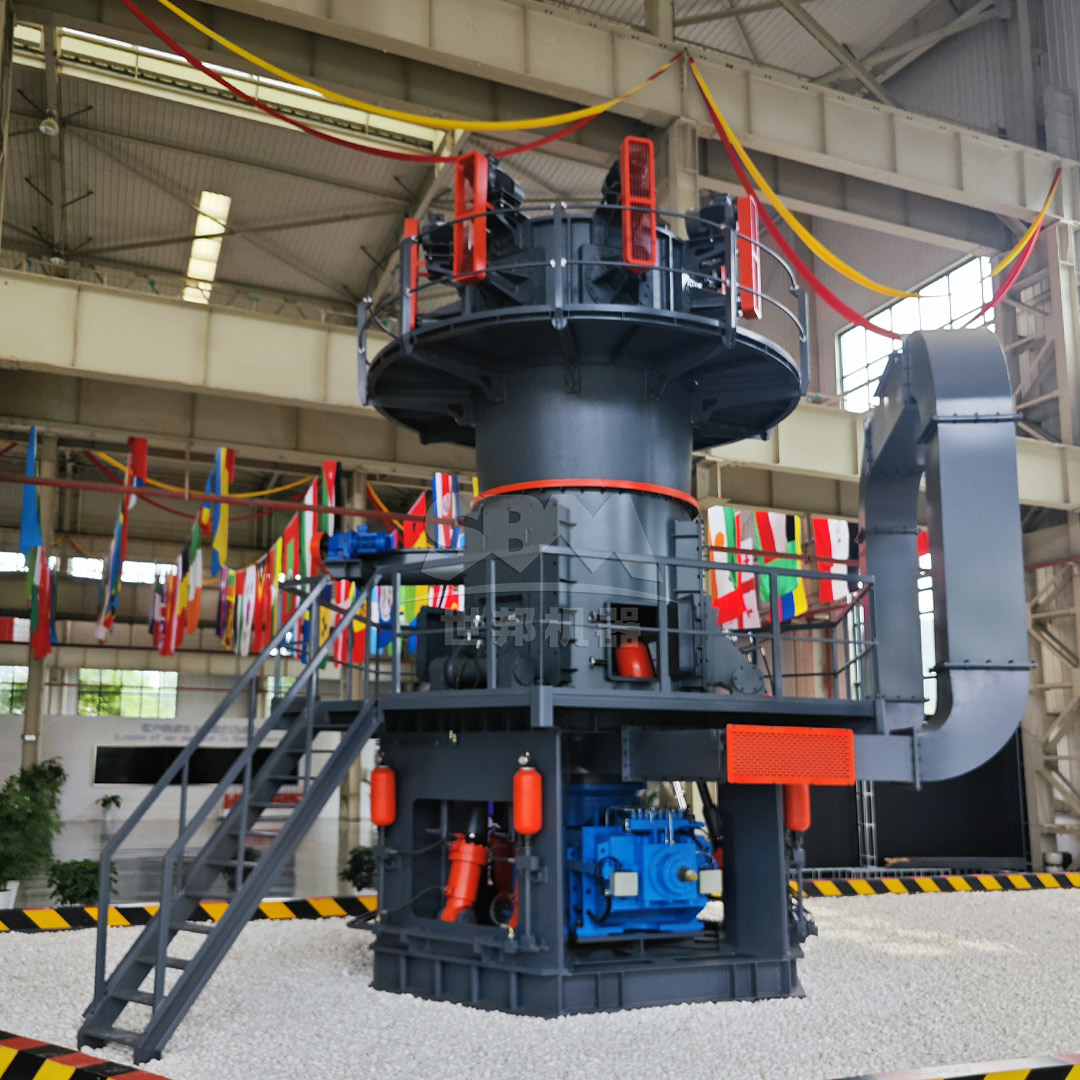
For projects requiring robust, high-throughput production of fine coke powder, the LM Series Vertical Roller Mill is an outstanding choice. Its集约化设计 integrates multiple functions into a single unit, reducing footprint and foundation costs by up to 50%. The non-contact design of磨辊与磨盘 significantly extends the life of wear parts. With capacities ranging from 3 to 250 tons per hour and intelligent expert control systems, it offers unparalleled efficiency and reliability for large-scale operations.
For Ultra-Fine and High-Purity Grinding (325-2500 mesh / 45-5μm)
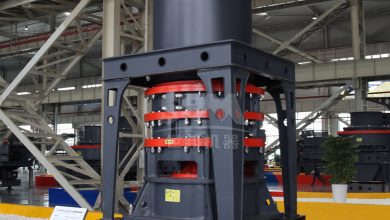
When the product specification calls for ultrafine coke powder with a tight particle distribution and minimal contamination, the SCM Series Ultrafine Mill is the industry benchmark. Its core strength lies in its high-precision classification system, featuring a vertical turbine classifier that ensures precise particle size切割 with no coarse powder contamination. Furthermore, its 高效节能 design delivers up to twice the capacity of a jet mill while reducing energy consumption by 30%. The磨腔无轴承螺杆 design enhances operational stability, and the comprehensive pulse dust collection system guarantees an environmentally friendly process with noise levels below 75dB. With models like the SCM1680 capable of processing 5.0-25 tons per hour down to D97 ≤ 5μm, it is the ideal solution for premium-grade coke powder production.

Conclusion
Selecting the right coke powder processing equipment is a strategic decision that requires a careful analysis of product goals, material properties, and economic factors. There is no one-size-fits-all solution. By prioritizing key aspects such as target fineness, system efficiency, wear resistance, and environmental controls, and by considering advanced technological solutions like the LM Series Vertical Roller Mill for fine grinding and the SCM Series Ultrafine Mill for ultra-fine applications, producers can build a processing line that delivers optimal performance, superior product quality, and long-term operational savings. Partnering with an experienced equipment supplier who can provide comprehensive testing and support is crucial for a successful investment.