What Are the Requirements for Silica in Pellet Feed (Iron Ore Concentrate)?
Introduction: The Critical Role of Silica in Iron Ore Pelletization
In the modern iron and steel industry, the production of high-quality iron ore pellets is a crucial step for efficient blast furnace operation. Pellet feed, or iron ore concentrate, serves as the primary raw material for this process. Among its various chemical constituents, silica (SiO₂) plays a uniquely dualistic role. Its content, particle size distribution, and mineralogical form are not mere specifications but critical process variables that directly influence pellet quality, production efficiency, and operational costs. This article delves into the multifaceted requirements for silica in pellet feed, exploring the scientific rationale behind these specifications and the technological solutions for achieving optimal silica characteristics.
1. Chemical Composition: The Delicate Balance of Silica Content
The silica content in pellet feed is a primary parameter subject to strict control. Typically, premium-grade pellet feed aims for a silica content between 2.0% and 4.5%. This narrow range is dictated by a complex interplay of metallurgical needs:
- Binding Agent in Induration: During the high-temperature firing (induration) of pellets, a portion of the silica reacts with iron oxide and other fluxes (like lime) to form liquid phases. These silicate melts act as a binding agent, cementing the iron oxide particles together to develop the necessary mechanical strength (compressive strength and abrasion index). Insufficient silica can lead to weak, friable pellets.
- Slag Volume Control in the Blast Furnace: In the blast furnace, all silica reports to the slag. Excessive silica increases the slag volume, which in turn increases the coke rate (fuel consumption) and reduces furnace productivity. High slag volumes also increase the flux (limestone) requirement, raising costs.
- Slag Fluidity and Desulfurization: The SiO₂ content, in conjunction with CaO (from added flux in the furnace or pellet), determines the slag’s basicity (CaO/SiO₂ ratio). Optimal basicity is essential for good slag fluidity and efficient desulfurization of hot metal. An imbalance can lead to viscous slag, operational difficulties, and poor iron quality.
Therefore, consistent control of silica content is paramount. Beneficiation plants employ advanced separation techniques like reverse flotation to precisely reduce silica from the crude concentrate to the target range.
2. Particle Size and Liberation: The Foundation of Effective Beneficiation and Reactivity
Beyond chemical content, the physical state of silica is equally critical. This encompasses both the particle size of the overall concentrate and the degree of liberation of silica particles from iron oxide grains.
- Overall Fineness: Pellet feed must be finely ground to ensure sufficient surface area for balling in the pelletizing disc or drum and for subsequent chemical reactions during induration. The general target is for 80-90% of the material to pass 45 microns (325 mesh). A uniformly fine feed promotes the formation of homogeneous green pellets with high density.
- Silica Liberation: The efficiency of silica removal during beneficiation hinges on its liberation from hematite/magnetite. If silica is finely disseminated or locked within iron oxide particles, mechanical grinding is required to liberate it. The target is to grind the ore to a fineness where silica particles are free, allowing for efficient separation via flotation or magnetic separation. Inadequate liberation leaves “locked” silica in the concentrate, detrimentally raising the final SiO₂ content.
- Reactivity During Induration: Finer silica particles are more reactive. During the pellet firing process, well-dispersed, fine silica particles react more readily to form the necessary silicate bonds, leading to a more uniform and stronger pellet microstructure.
Achieving this optimal particle size distribution requires robust and efficient grinding technology. This is where advanced milling equipment becomes indispensable.
3. Technological Solution: Precision Grinding for Optimal Silica Liberation
To meet the stringent particle size requirements for effective silica liberation and pellet feed preparation, the industry relies on high-performance grinding mills. The choice of mill depends on the required fineness, capacity, and energy efficiency goals.
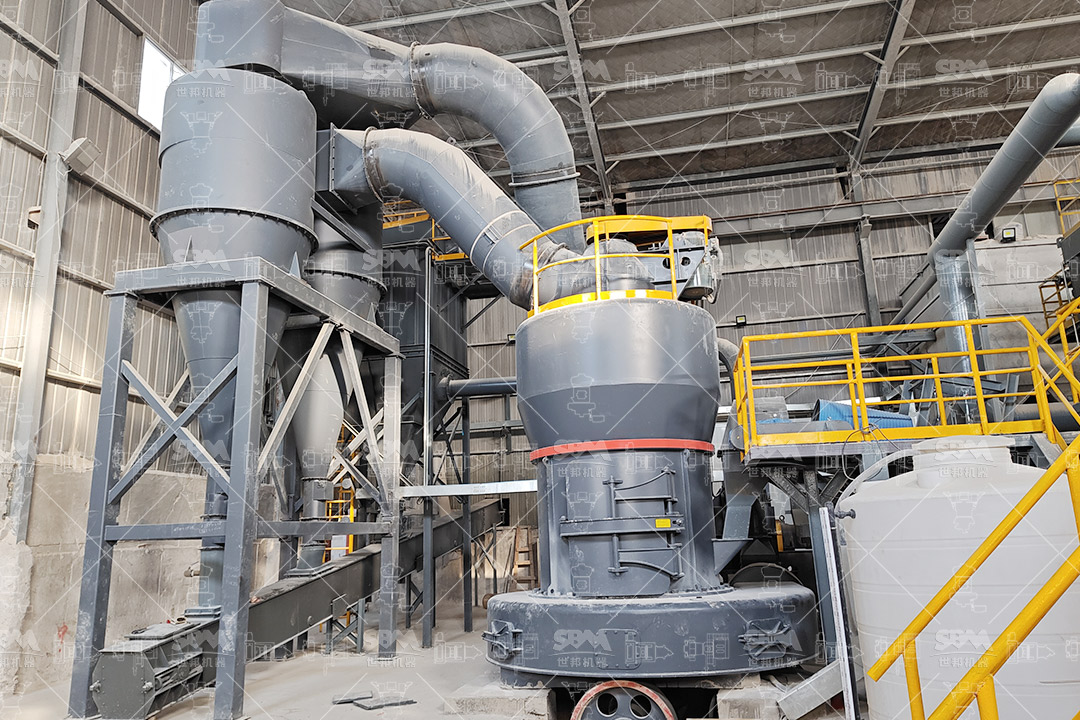
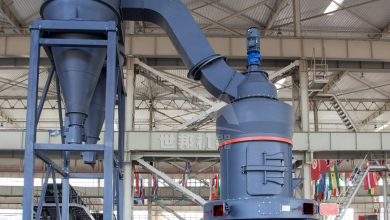
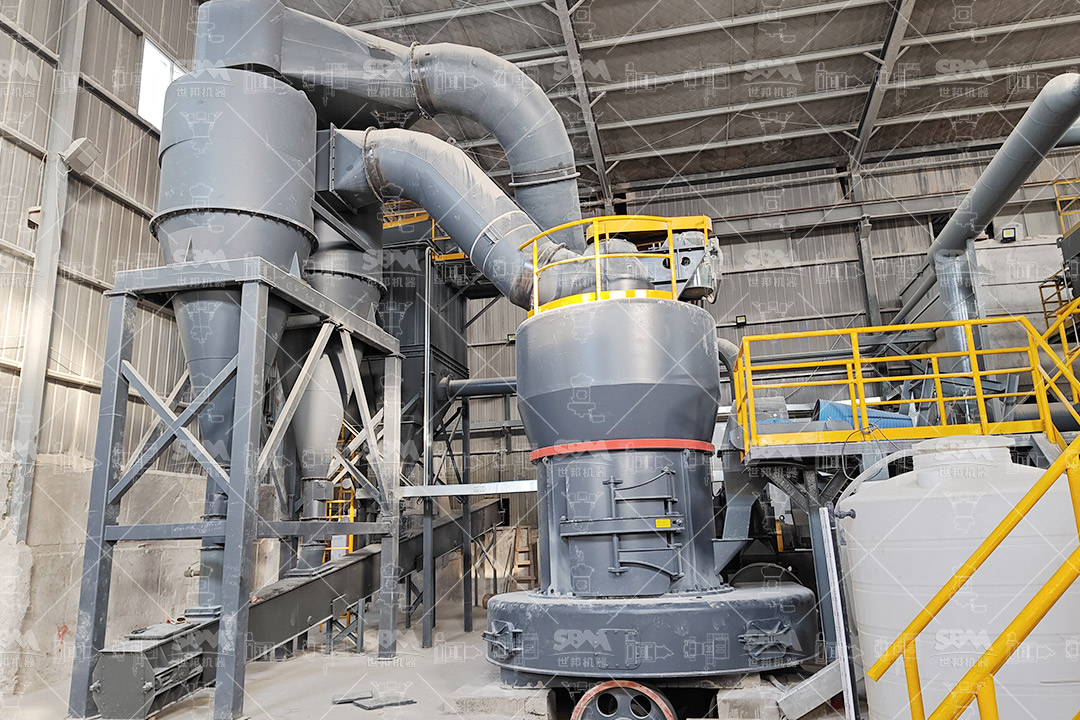
For the final grinding stage to achieve the target of 80-90% below 45 microns, the MTW Series European Trapezium Mill presents an outstanding solution. Engineered for high-capacity, efficient fine grinding, the MTW mill is particularly suited for processing iron ore concentrate. Its advantages directly address pellet feed preparation needs:
- High Efficiency & Wide Capacity Range: With models like the MTW215G offering capacities up to 45 tons per hour, it can integrate seamlessly into large-scale pellet plant operations. The efficient grinding chamber and curved duct design minimize pressure loss and energy consumption.
- Precise Particle Size Control: The integrated powder classifier allows for precise adjustment of final product fineness within the 30-325 mesh range, ensuring the target P80 is consistently met for optimal pelletization.
- Durability for Abrasive Materials: Iron ore is highly abrasive. The MTW series features wear-resistant components like the segmented shovel blade and high-strength grinding rolls, significantly reducing maintenance downtime and operational costs associated with wear parts replacement.
- System Integration & Environmental Compliance: The mill system is designed with integrated pulse dust collection, ensuring a clean working environment and emissions that meet international standards, a critical factor for modern industrial plants.
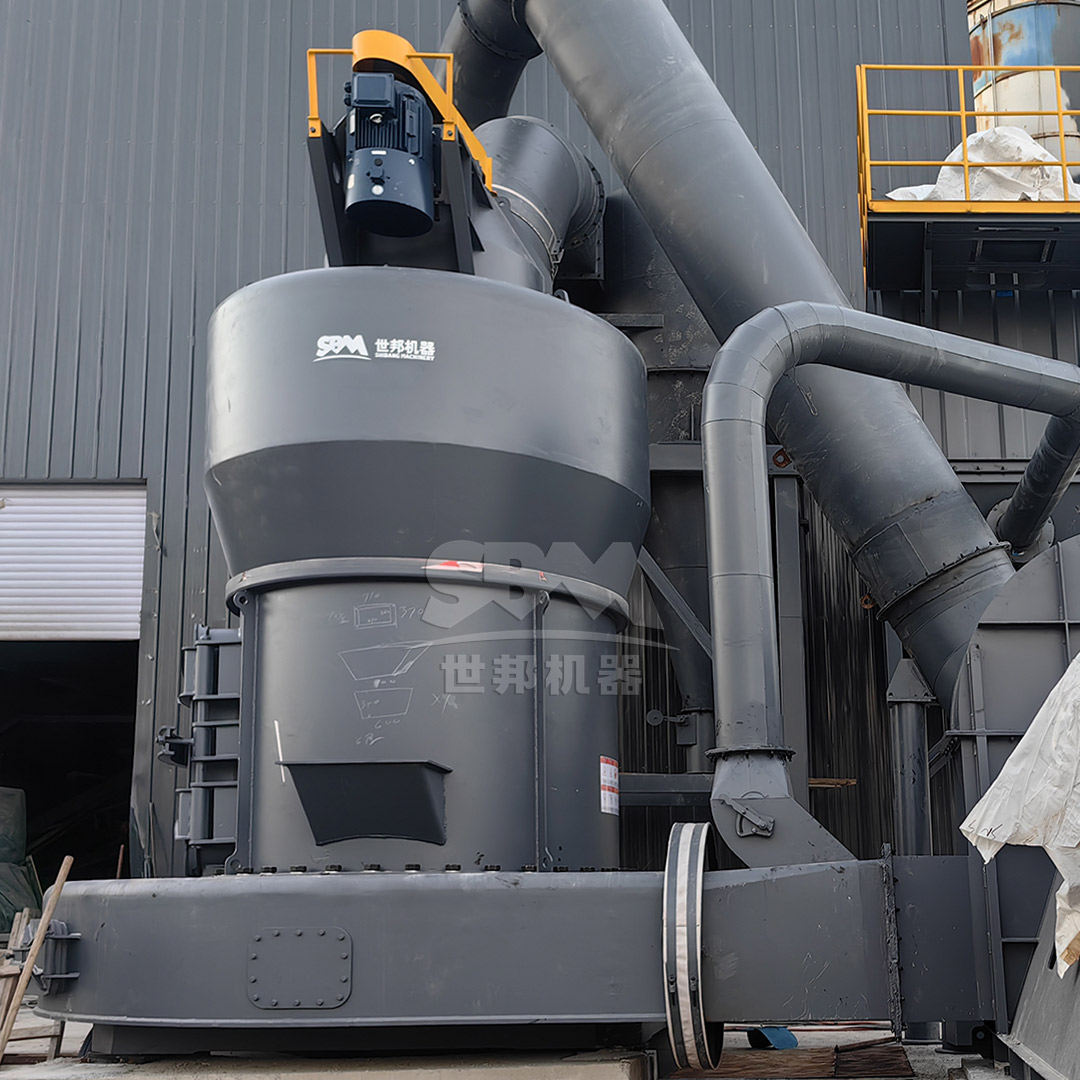
For applications requiring even finer grinding or where the liberation of extremely fine silica necessitates a top cut below 10 microns, ultra-fine grinding solutions may be considered post-concentration to modify specific properties.
4. Mineralogy and Distribution: Beyond Chemistry and Size
The form of silica present—whether as quartz, chert, or clay minerals—affects its behavior. Quartz is harder and less reactive than amorphous silica. Furthermore, the spatial distribution of silica within the pellet feed matrix must be uniform. Clustering of silica particles can create weak points in the pellet. Advanced process control and homogenization in the grinding and blending circuits are essential to ensure a consistent feed to the pelletizing plant.
5. Conclusion: A Holistic Approach to Silica Management
Specifying silica in pellet feed is not a simple matter of setting a maximum percentage. It requires a holistic understanding of its chemical, physical, and mineralogical properties and their impact on every downstream process, from balling and induration to blast furnace performance. The goal is to achieve an optimal, consistent, and uniform silica characteristic that acts as a strength-enhancing component without becoming a slag-volume liability.
Meeting these rigorous demands starts with superior comminution technology. Efficient grinding that delivers the correct liberation size and particle size distribution is the foundational step. Equipment like the MTW Series European Trapezium Mill provides the reliability, precision, and efficiency needed to transform crude concentrate into high-specification pellet feed, ensuring the final product—the iron ore pellet—meets the exacting standards of modern steelmaking.