Lithium Carbonate Production Process and Grinding Mill Supplier Guide
Introduction
The global surge in demand for lithium-ion batteries has placed lithium carbonate at the forefront of critical materials. As a key precursor for battery cathodes, the quality, purity, and particle size distribution of lithium carbonate directly impact battery performance, energy density, and longevity. Consequently, the production process, particularly the grinding and classification stages, has become a focal point for manufacturers seeking efficiency and product superiority. This guide delves into the lithium carbonate production workflow and provides a comprehensive analysis of grinding mill technologies, culminating in expert recommendations for equipment selection to optimize your operation.
The Lithium Carbonate Production Process: An Overview
Commercial lithium carbonate is primarily derived from two sources: brine extraction and hard rock (spodumene) mining. While the initial extraction methods differ, both converge on a purification and precipitation process to produce battery-grade Li₂CO₃.
1. From Brine: Lithium-rich brine from salars is pumped into evaporation ponds. Over months, sequential evaporation precipitates salts like sodium chloride and potassium chloride. The concentrated lithium brine is then treated to remove impurities (magnesium, boron) before final precipitation with sodium carbonate to form lithium carbonate.
2. From Spodumene: The mineral spodumene (LiAlSi₂O₆) is mined, crushed, and concentrated. It undergoes a high-temperature phase transformation (calcination) to make it reactive. The calcined material is then mixed with sulfuric acid and roasted, creating lithium sulfate. After water leaching and impurity removal, sodium carbonate is added to precipitate lithium carbonate.
The precipitated lithium carbonate is filtered, washed, and dried. However, the as-produced powder often contains agglomerates and has a broad, inconsistent particle size distribution unsuitable for advanced battery applications. This is where precision grinding enters as a critical downstream step.
The Critical Role of Grinding in Lithium Carbonate Processing
Grinding, or comminution, is not merely a size reduction step for lithium carbonate. It is a precision engineering process that defines the final product’s key characteristics:
- Particle Size Distribution (PSD): A narrow, consistent PSD (typically targeting D50 between 5-20μm) ensures uniform coating on electrode foils, leading to stable electrochemical performance.
- Particle Morphology: The grinding mechanism influences particle shape. Desired morphologies can improve tap density and packing in the electrode slurry.
- Chemical Purity: The grinding system must prevent metallic contamination from wear parts, which can degrade battery life.
- Thermal Stability: Efficient grinding minimizes heat generation that could affect the material’s properties.
Therefore, selecting the appropriate grinding mill is paramount. The ideal mill must offer precise classification, high energy efficiency, contamination control, and reliable operation.
Grinding Mill Technology Guide for Lithium Carbonate
Various milling technologies are employed in the mineral processing industry. Their suitability for lithium carbonate varies based on the required fineness, capacity, and operational philosophy.
1. Ball Mills
A traditional workhorse, ball mills operate on the principle of impact and attrition as grinding media (balls) cascade inside a rotating cylinder. While versatile and capable of high capacities, they are generally less energy-efficient for achieving very fine powders (<20μm). The PSD can be broad, and prolonged grinding times may increase the risk of contamination from media wear. They are often used for preliminary or coarser grinding stages.
2. Raymond Mills (Roller Mills)
These mills use spring-loaded rollers that rotate against a stationary ring to crush and grind feed material. They are well-suited for medium-fine grinding (30-325 mesh/45-500μm). Modern Raymond or pendulum roller mills offer improved efficiency and lower wear compared to older designs. However, pushing them into the true ultrafine range (<10μm) can be challenging and inefficient.
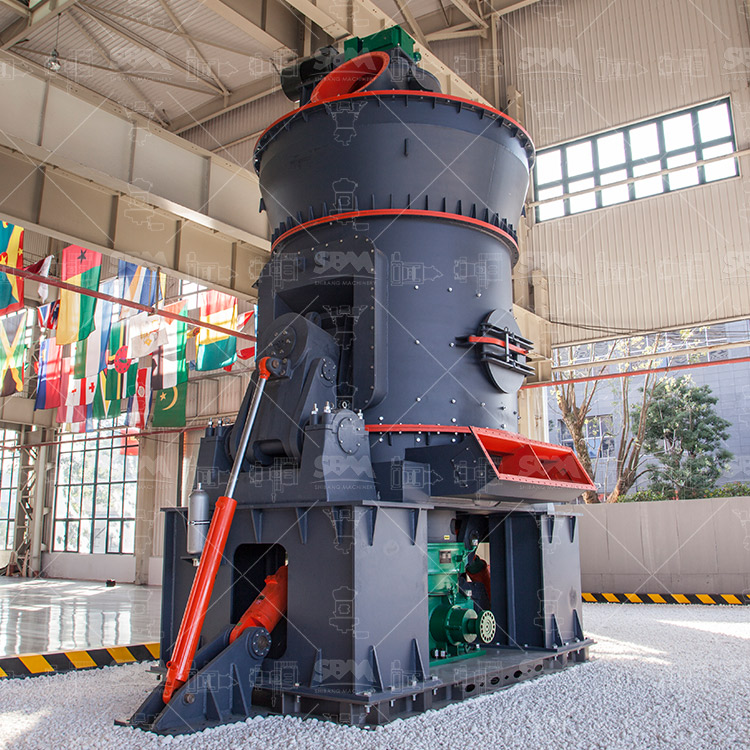
3. Vertical Roller Mills (VRM)
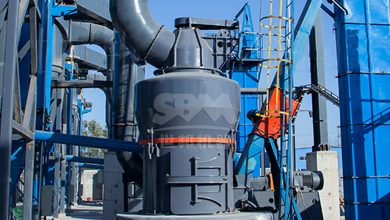
VRMs represent a significant advancement in dry grinding technology. Material is fed onto a rotating grinding table and crushed under hydraulically loaded rollers. A key advantage is their integrated dynamic classifier, which immediately removes fine particles, preventing over-grinding and improving efficiency. They are excellent for medium to large-scale operations requiring products in the 325-600 mesh (45-20μm) range. Their compact design and lower energy consumption (compared to ball mills) make them attractive.
4. Jet Mills (Fluidized Bed Opposed Jet Mills)
Jet mills represent the pinnacle of ultrafine and contamination-free grinding. Particles are accelerated in high-pressure gas streams and comminute primarily by inter-particle collision. This results in extremely fine products (down to 1-2μm), a narrow PSD, and no wear-part contamination as there are no moving parts in the grinding zone. However, they have high energy consumption (compressed air or steam) and lower throughput capacities, making them most suitable for final, high-value product refinement.
Recommended Mill Solutions for Lithium Carbonate Production
Based on the stringent requirements for battery-grade lithium carbonate—specifically the need for consistent ultrafine powder (325-2500 mesh / 5-45μm) with high purity and operational efficiency—two technologies stand out: advanced Ultrafine Vertical Roller Mills and modern Ultrafine Ring Roller Mills.
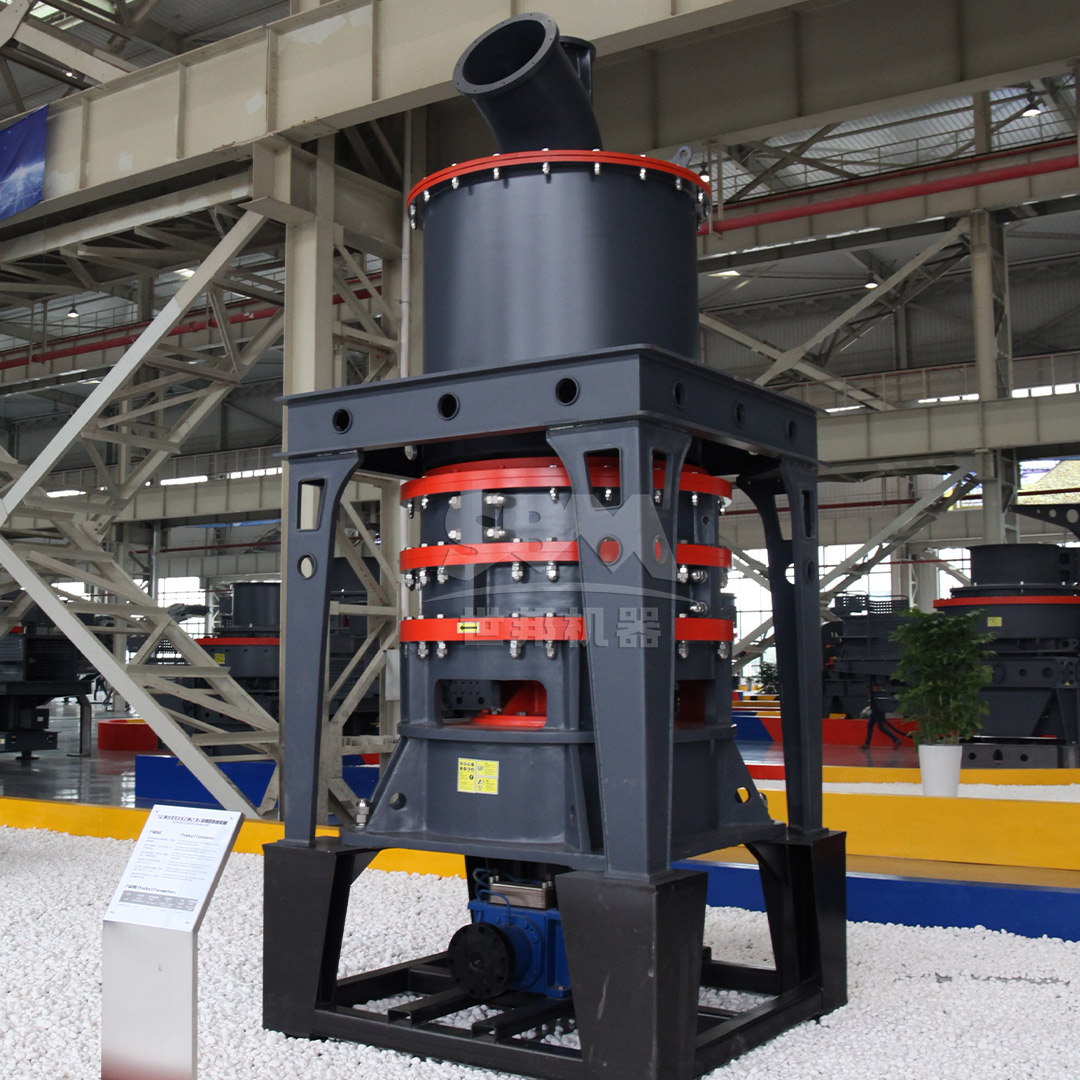
Primary Recommendation: SCM Series Ultrafine Mill (45-5μm)
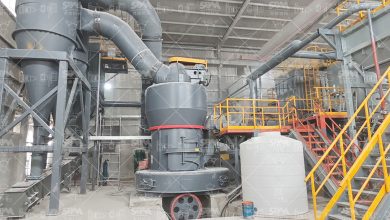
For producers aiming to achieve the finest specifications (up to 2500 mesh / 5μm) with excellent energy efficiency and high capacity, the SCM Ultrafine Mill is an industry-leading solution. This mill is engineered to bridge the gap between traditional roller mills and high-cost jet mills.
Why it excels for Lithium Carbonate:
- Ultrafine Capability with High Yield: It reliably produces powder in the range of 325-2500 mesh (D97 ≤ 5μm), directly meeting the tight specifications for battery materials. Its capacity (0.5-25 T/H) significantly outperforms jet mills of comparable fineness.
- Superior Energy Efficiency: The grinding mechanism and integrated high-precision vertical turbine classifier ensure efficient particle separation. It consumes approximately 30% less energy than a jet mill producing the same fineness and output.
- Exceptional Product Quality: The precision classifier guarantees a narrow particle size distribution with no coarse grit contamination. Special wear-resistant materials for the grinding rollers and ring minimize the risk of metallic contamination.
- Intelligent & Stable Operation: Features like automatic feedback control for finished product fineness and a bearing-less screw design in the grinding chamber ensure stable, low-maintenance operation.
- Environmental Compliance: With a pulse dust collector exceeding international standards and noise levels below 75dB, it supports sustainable and worker-friendly plant operations.
Model Selection Guidance: For a medium-scale lithium carbonate line, the SCM1000 model (1.0-8.5 T/H, 132kW) offers an ideal balance of capacity and power. For larger production facilities, the SCM1680 model (5.0-25 T/H, 315kW) provides the necessary throughput for high-volume output.
Alternative for Coarser or High-Capacity Requirements: MTW Series Trapezium Mill (600-45μm)
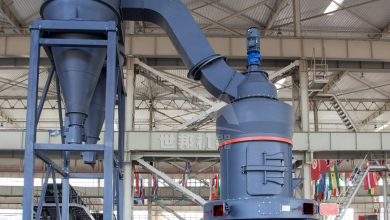
For operations where the target fineness is in the coarse to medium-fine range (30-325 mesh / 600-45μm) or where very high throughput (up to 45 T/H) is the primary driver, the MTW Series Trapezium Mill is a robust and efficient choice.
Key Advantages:
- High Capacity & Reliability: Designed for large-scale continuous production, its curved air duct and conical gear transmission (98% efficiency) maximize throughput and uptime.
- Advanced Wear Protection: The modular shovel blade design and wear-resistant components drastically reduce maintenance costs and extend service intervals, crucial for abrasive materials.
- Proven Technology: As an evolved European-style trapezium grinding mill, it offers a reliable and cost-effective solution for achieving consistent medium-fine powder.
Conclusion: Partnering for Performance
The journey from raw lithium resource to high-performance battery material is complex and technology-intensive. The grinding stage is a decisive factor in determining the final product’s market value and application potential. Moving beyond conventional milling solutions to advanced, purpose-engineered technologies like the SCM Ultrafine Mill is no longer a luxury but a necessity for competitive lithium carbonate producers.
Investing in the right grinding equipment translates to direct benefits: lower specific energy consumption, higher yield of in-spec product, reduced contamination risk, and ultimately, a superior battery-grade lithium carbonate that commands a premium in the market. When selecting a supplier, prioritize those with proven expertise in ultrafine processing for the lithium and battery materials sector, offering not just equipment, but a complete process solution and reliable technical support.