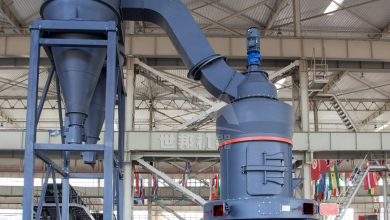
Why Are Domestic Vertical Grinding Mills Gaining Popularity So Quickly?
The Rise of Vertical Grinding Technology
The global mineral processing and powder production industries are witnessing a significant paradigm shift. Traditional grinding systems, such as ball mills and horizontal mills, are increasingly being supplemented or replaced by advanced vertical grinding mills. This trend is particularly pronounced in domestic markets, where the adoption rate of vertical mill technology has accelerated at an unprecedented pace. The reasons behind this rapid popularity surge are multifaceted, rooted in a powerful combination of technological advancement, economic pressure, and evolving industry demands for efficiency, sustainability, and precision.
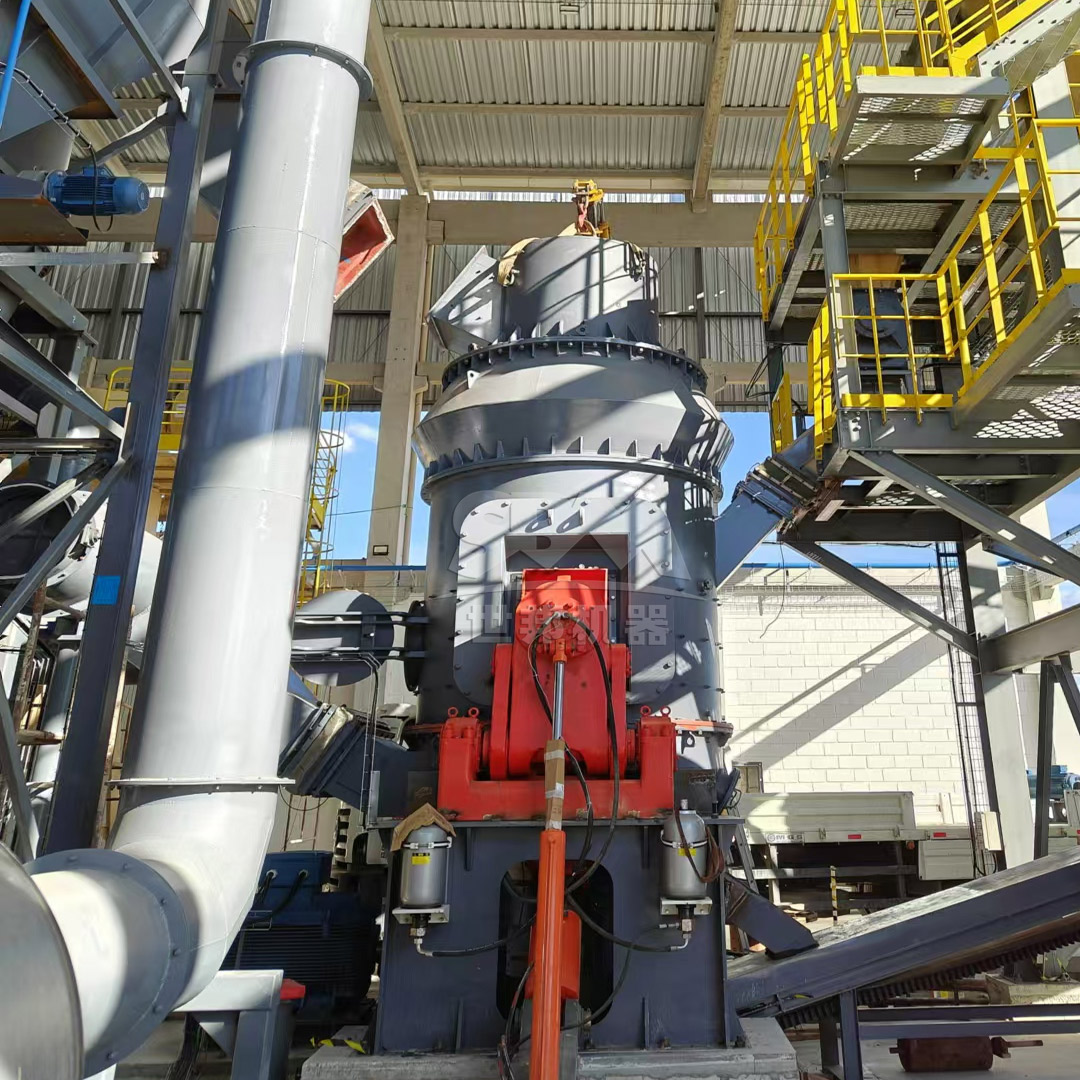
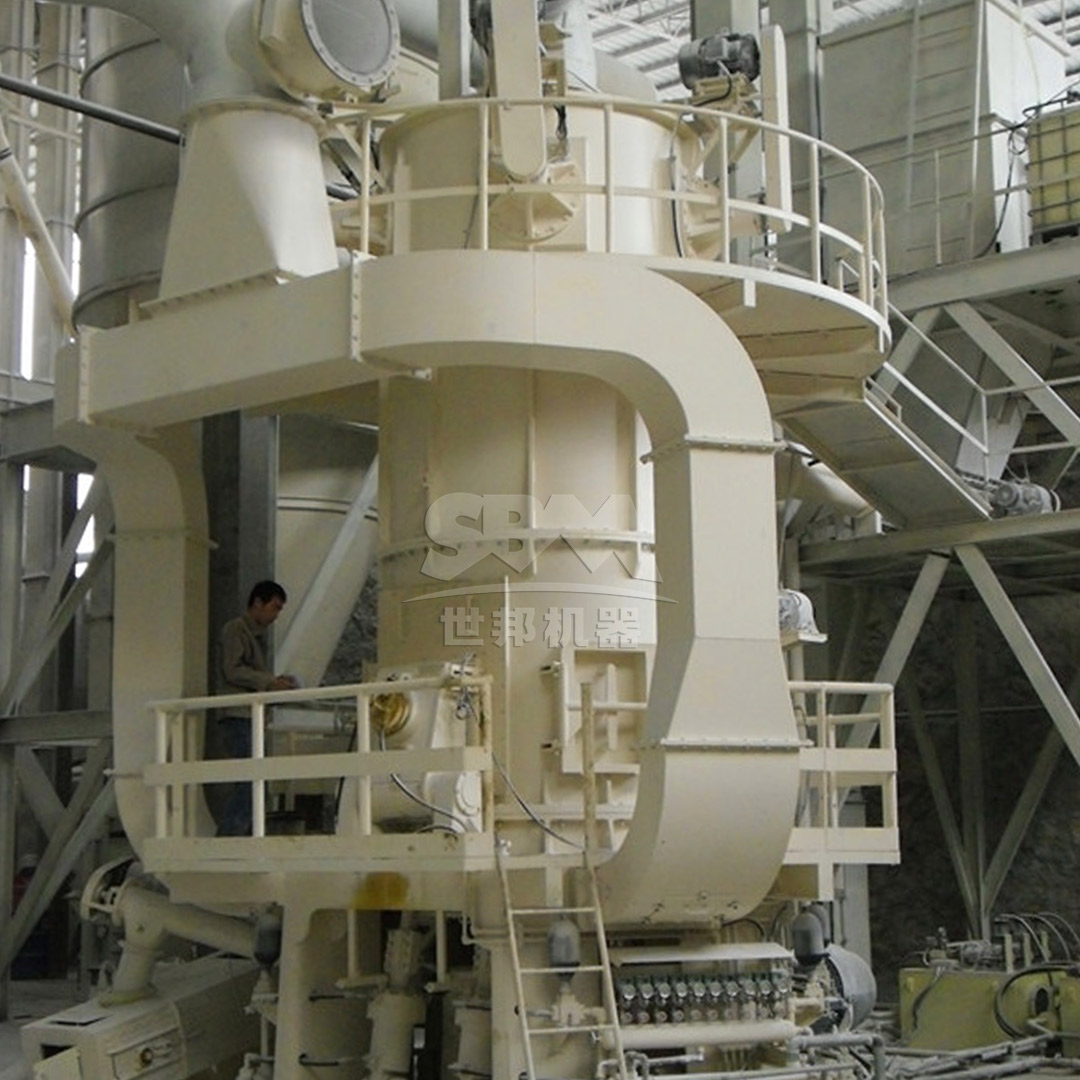
Vertical grinding mills, characterized by their compact footprint and vertical roller arrangement, offer a fundamentally different approach to size reduction. Unlike the tumbling action of a ball mill, vertical mills employ a bed compression principle, where material is ground between a rotating table and stationary or rotating rollers. This core operational difference unlocks a cascade of benefits that directly address the pain points of modern industrial production.
Driving Forces Behind the Rapid Adoption
Several key factors are converging to fuel the rapid adoption of domestic vertical grinding mills.
1. Unmatched Energy Efficiency: In an era of rising energy costs and stringent carbon emission targets, operational efficiency is paramount. Vertical mills consume 30-50% less energy than traditional ball mills for the same grinding duty. This is because energy is directly applied to the particle bed for compression grinding, minimizing losses to heat, sound, and unnecessary media movement. The direct economic impact on power bills provides a compelling and rapid return on investment, making the switch financially irresistible for cost-conscious operations.
2. Superior Product Quality and Flexibility: Modern industries demand powders with specific and consistent particle size distributions (PSD). Vertical mills integrate highly efficient dynamic classifiers that allow for precise control over product fineness. Operators can quickly adjust the PSD to meet different product specifications without stopping the mill. Furthermore, the grinding process generates less heat, which is crucial for heat-sensitive materials, preventing degradation and ensuring product integrity.
3. Compact Footprint and Reduced Capital Costs: The vertical design integrates multiple functions—crushing, grinding, drying, classifying, and conveying—into a single, streamlined unit. This significantly reduces the plant’s overall footprint and the need for extensive auxiliary equipment. Consequently, civil engineering and construction costs are lower, and installation is faster and simpler. For greenfield projects or space-constrained facility upgrades, this is a decisive advantage.
4. Enhanced Operational Stability and Lower Maintenance: Advanced vertical mills feature robust designs with durable wear parts. The grinding elements, such as rollers and tables, are often made from high-chromium alloys or composite materials, offering service lives several times longer than traditional components. Moreover, features like hydraulic roller systems allow for easy adjustment and even grinding pressure, ensuring stable operation and consistent output. The reduced frequency of maintenance shutdowns directly translates to higher availability and productivity.
5. Meeting Stringent Environmental Regulations: Domestic and international environmental standards are becoming increasingly strict regarding dust emissions and noise pollution. Vertical mills are inherently cleaner. They operate under negative pressure in a fully enclosed system, preventing dust escape. Integrated high-efficiency baghouse filters or pulse jet dust collectors ensure emissions are well below regulatory limits (e.g., <20 mg/m³). Additionally, their design and enclosed housing result in significantly lower noise levels (≤80 dB(A)), contributing to a better workplace environment.
Spotlight on Advanced Domestic Solutions
The theoretical advantages of vertical grinding are fully realized through cutting-edge engineering. Domestic manufacturers have made remarkable strides, developing product lines that rival and often surpass international counterparts in performance and value. Two exemplary product families stand out for their technological sophistication and market impact.
For applications demanding ultra-fine powders, the SCM Series Ultrafine Mill represents the pinnacle of precision grinding technology. Capable of producing powders from 325 to an impressive 2500 mesh (D97 ≤5μm), it is indispensable for high-value industries like pharmaceuticals, advanced ceramics, and coatings. Its success lies in its core technologies: a high-precision vertical turbine classifier that ensures sharp particle size cuts with no coarse powder contamination, and an efficient grinding chamber design that delivers up to twice the output of jet mills while reducing energy consumption by 30%. The SCM series, with models like the SCM1250 (2.5-14 t/h) and the high-capacity SCM1680 (5-25 t/h), offers a scalable solution for producers aiming to enter or dominate the ultrafine powder market with superior product uniformity and lower operational costs.
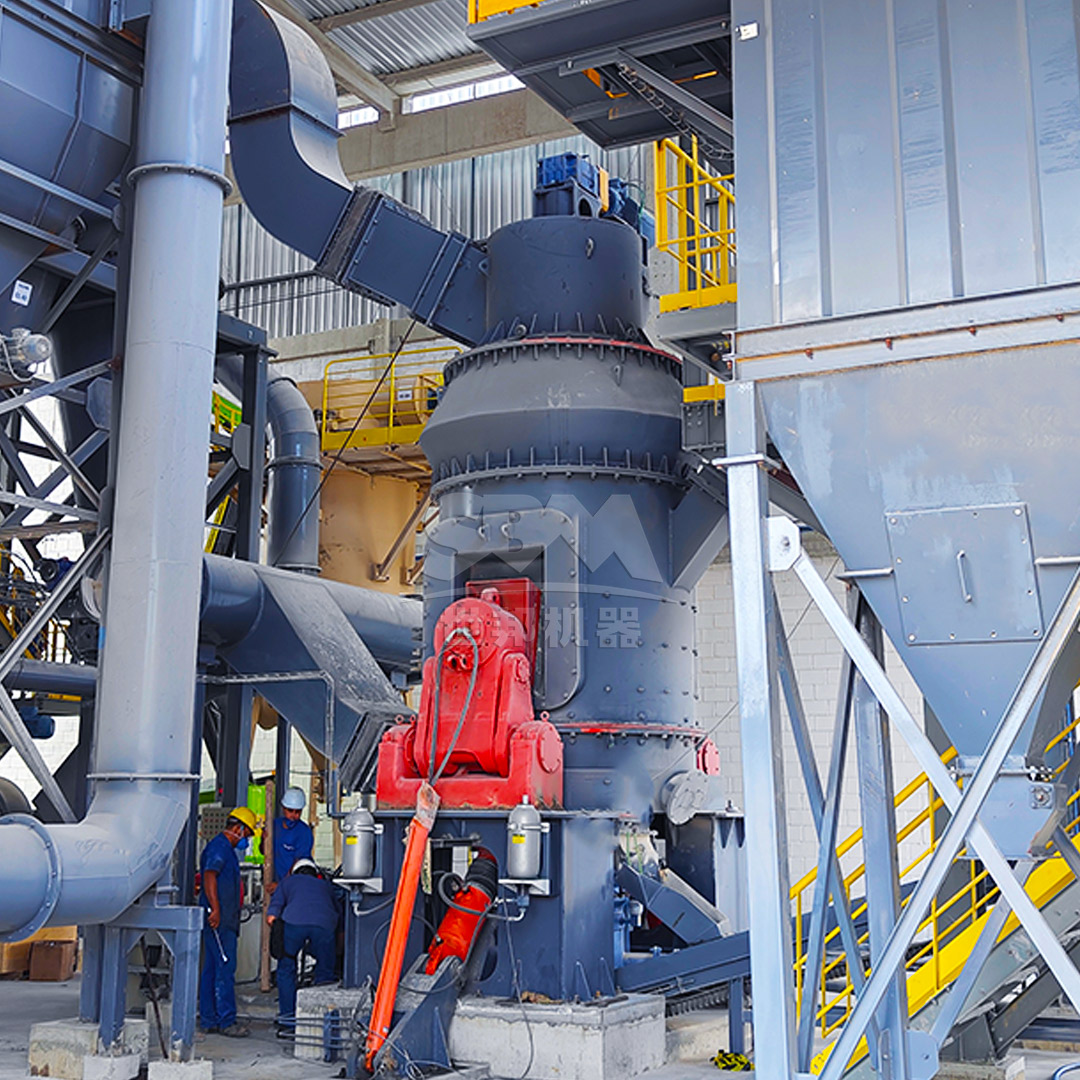
For large-scale, high-capacity processing of non-metallic minerals, cement raw materials, and industrial powders, the LM Series Vertical Roller Mill is the industry workhorse. Its defining strength is system integration and rugged reliability. The LM series boasts a集约化设计 that reduces plant footprint by 50% and can even be installed outdoors, slashing infrastructure costs by 40%. Its磨辊与磨盘非接触设计 dramatically extends wear part life, while its expert automatic control system allows for remote monitoring and optimization. With a massive capacity range from 3 to over 250 tons per hour across various specialized models (e.g., LM220K for minerals, LM280M for coal, LM340Y for pre-grinding), this series provides a versatile, low-TCO (Total Cost of Ownership) solution for mega-projects. Its ability to handle feed sizes up to 50mm and produce fineness from 30 to 600 mesh makes it a truly flexible cornerstone of modern processing plants.
Future Outlook and Conclusion
The trajectory for domestic vertical grinding mills points toward continued growth and innovation. Future developments will likely focus on deeper integration of Industrial Internet of Things (IIoT) and artificial intelligence for predictive maintenance and autonomous process optimization. Advances in material science will yield even more durable wear components, while designs will continue to push the boundaries of energy efficiency and environmental performance.
The rapid popularity of these mills is not a fleeting trend but a rational response to the evolving landscape of industrial production. By offering a compelling value proposition centered on energy savings, product quality, operational simplicity, and environmental compliance, vertical grinding technology has proven its worth. As domestic manufacturers like our company continue to refine and expand offerings like the SCM Ultrafine Mill and the LM Vertical Roller Mill, they are not just selling equipment; they are providing strategic tools that empower industries to become more competitive, sustainable, and profitable. The vertical revolution in grinding is well underway, and its momentum is only set to increase.