Which Manufacturers Provide Grinding Equipment for Refractory Materials?
Introduction: The Critical Role of Grinding in Refractory Production
The manufacturing of high-performance refractory materials is a precision-driven process where the quality, consistency, and particle size distribution of the raw material powder directly determine the final product’s thermal stability, mechanical strength, and corrosion resistance. From alumina and silica to magnesia and zirconia, these hard, often abrasive materials require specialized grinding equipment capable of achieving specific fineness ranges—from coarse aggregates to ultra-fine powders—while maintaining efficiency and operational economy. This article explores the landscape of manufacturers and the types of grinding machinery essential for the refractory industry, highlighting key technological considerations.
1. Understanding Refractory Material Grinding Requirements
Refractory materials pose unique challenges for size reduction. Their high hardness (often above 6 on the Mohs scale) leads to rapid wear on grinding components. Furthermore, the required final product specifications vary widely:
- Coarse Grinding (1mm – 5mm): For aggregates used in monolithic refractories like castables.
- Medium-Fine Grinding (45μm – 1mm / 325 – 20 mesh): For standard brick production and matrix components.
- Ultra-Fine Grinding (<45μm / >325 mesh): Critical for high-density, low-porosity bricks and advanced ceramic-bonded refractories where reactive sintering is essential.
Therefore, a refractory plant often requires a multi-stage crushing and grinding circuit, not a single machine. Leading manufacturers develop comprehensive solutions encompassing jaw crushers, hammer mills, and various types of mills for fine and ultra-fine grinding.
2. Key Types of Grinding Equipment and Their Manufacturers
The global market features several established manufacturers, often categorized by their equipment specialization. European and American companies have long been known for high-precision, automated systems, while Asian manufacturers have gained significant market share by offering robust, cost-effective solutions with rapidly improving technology.
2.1. For High-Capacity & Coarse-to-Medium Grinding
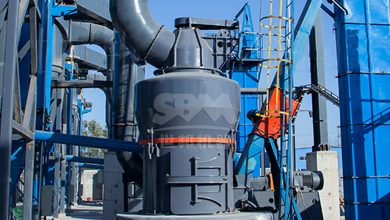
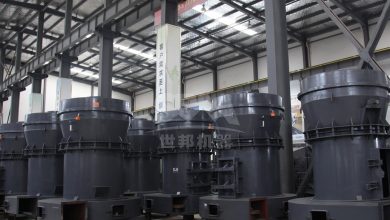
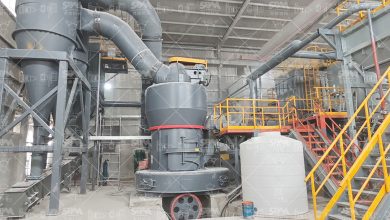
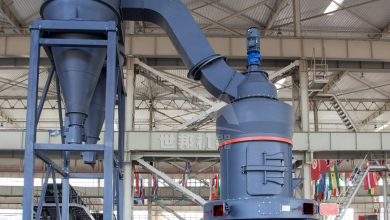
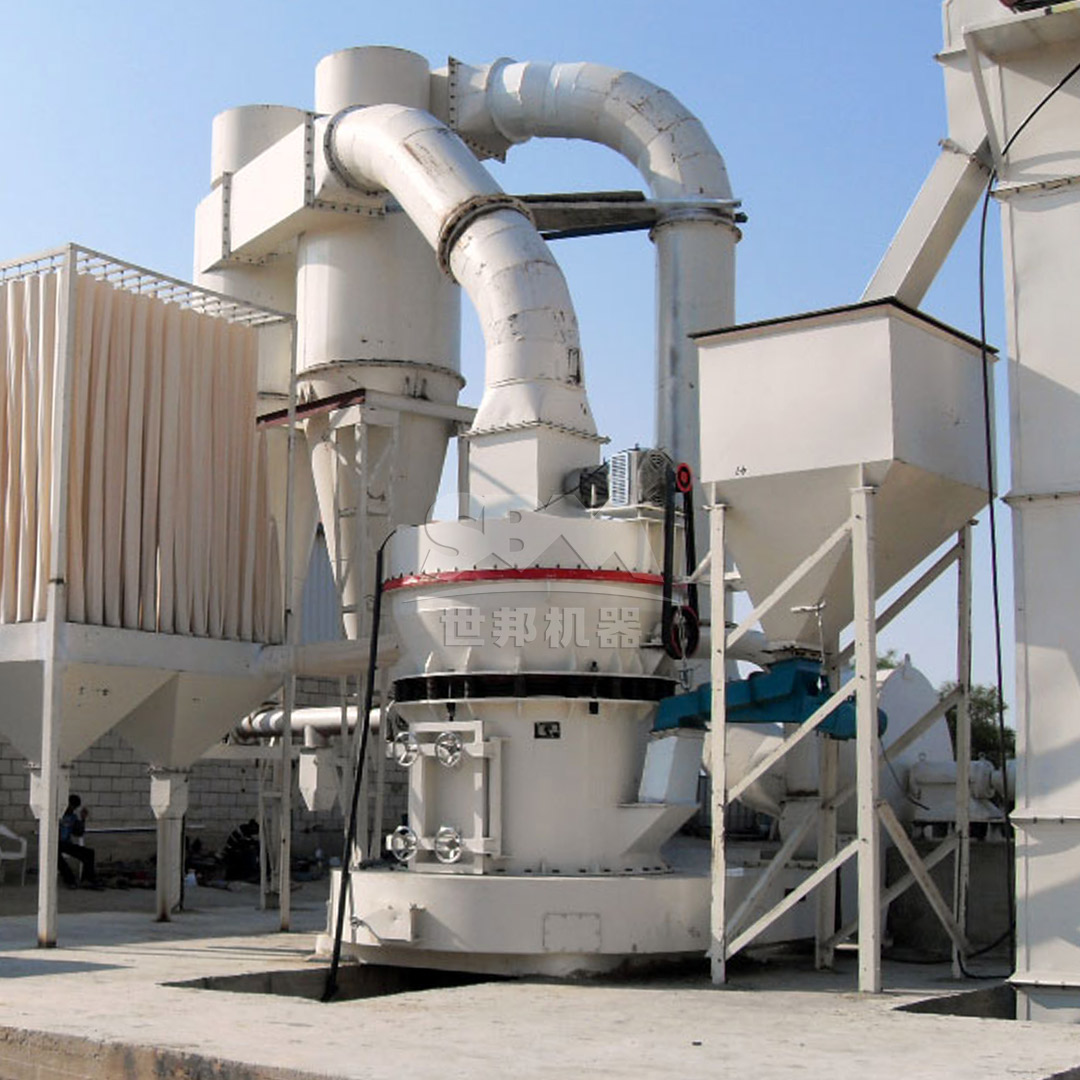
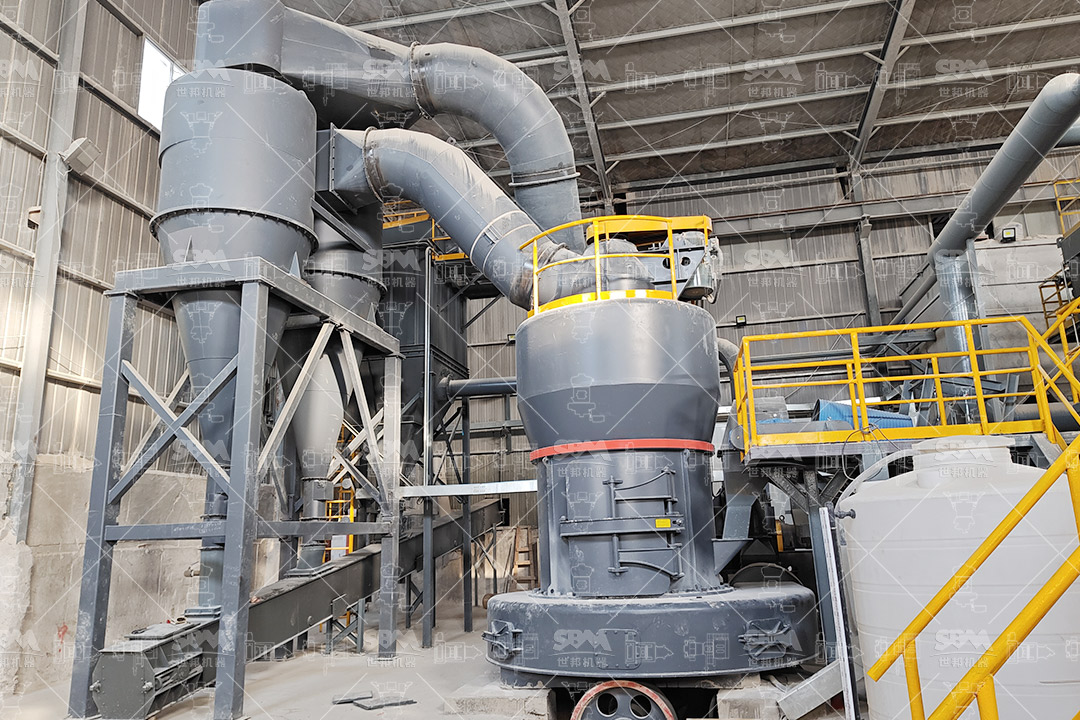
Vertical Roller Mills (VRM) and European-Type Trapezium Mills are workhorses for processing raw materials like bauxite, clay, and grog into medium-fine powders. Major manufacturers offer these mills with capacities ranging from 3 to over 250 tons per hour. Their advantages include integrated drying (useful for clays), high energy efficiency compared to traditional ball mills, and a relatively small footprint. For instance, the MTW Series Trapezium Mill is a prime example of modern design tailored for abrasive materials. Its key features include a wear-resistant shovel design with combined blades to reduce maintenance costs, an optimized curved air duct that minimizes pressure loss, and an efficient overall gear transmission system. With an output fineness range of 30-325 mesh (600-45μm) and capacities from 3 to 45 TPH depending on the model (e.g., MTW138Z to MTW215G), it is exceptionally suited for the high-volume production of refractory matrix powders.
2.2. For Ultra-Fine and High-Purity Powder Production
Producing sub-10-micron powders for advanced refractories demands specialized technology. Ultrafine Mills with integrated high-precision classifiers are the equipment of choice. Leading manufacturers compete on energy efficiency, classification accuracy, and wear resistance. A standout in this category is the SCM Ultrafine Mill. Engineered to produce powders between 325 and 2500 mesh (45-5μm D97), it addresses the core need for superfine, uniformly graded refractory fillers. Its technological advantages are particularly relevant: it boasts an energy consumption 30% lower than jet mills while offering double the capacity, thanks to its efficient grinding mechanism. The vertical turbine classifier ensures precise particle size cuts without coarse grain contamination. Furthermore, its durable design features special-material rollers and grinding rings that extend service life significantly, a crucial factor when processing hard minerals. For refractory producers aiming for high-value products, such mills are indispensable.
2.3. For Primary Crushing and Pre-Grinding
The process chain begins with reducing large lumps. Reputable grinding equipment manufacturers typically also supply complementary crushing machinery like Jaw Crushers and Hammer Mills. Heavy-duty Hammer Mills, for example, can efficiently reduce material from 50mm down to 0-3mm, creating a suitable feed for downstream fine grinding mills, optimizing the overall system’s efficiency.
3. Selection Criteria: Beyond the Machine Spec Sheet
Choosing the right manufacturer and equipment model involves a deep technical evaluation:
- Material Testwork: Reputable manufacturers offer test grinding services to determine specific capacity, power draw, and wear rates for your material.
- Wear Part Design and Material: The longevity of rollers, grinding rings, liners, and classifiers in an abrasive environment is paramount. Look for alloys and designs specifically developed for high-wear applications.
- System Integration & Automation: Modern grinding plants are controlled by PLC systems for consistent product quality and operational safety. Ensure the manufacturer provides a fully integrated control system.
- After-Sales Support & Spare Parts Availability: Grinding mills are long-term investments. Reliable technical support, training, and a global spare parts network are critical for minimizing downtime.
4. The Path Forward: Trends in Refractory Grinding Technology
The future of grinding equipment for refractories is shaped by the industry’s push towards sustainability and digitalization. Manufacturers are increasingly focusing on:
- Energy Optimization: New mill designs and drive systems aim to further reduce kWh/ton ratios.
- Smart Predictive Maintenance: Integrating sensors to monitor vibration, temperature, and wear, allowing for planned maintenance before failures occur.
- Enhanced Classifier Technology: Achieving even sharper particle size distributions to improve refractory packing density and performance.
- Modular and Scalable Designs: Allowing plants to more easily expand capacity or adapt to different product specifications.
Conclusion
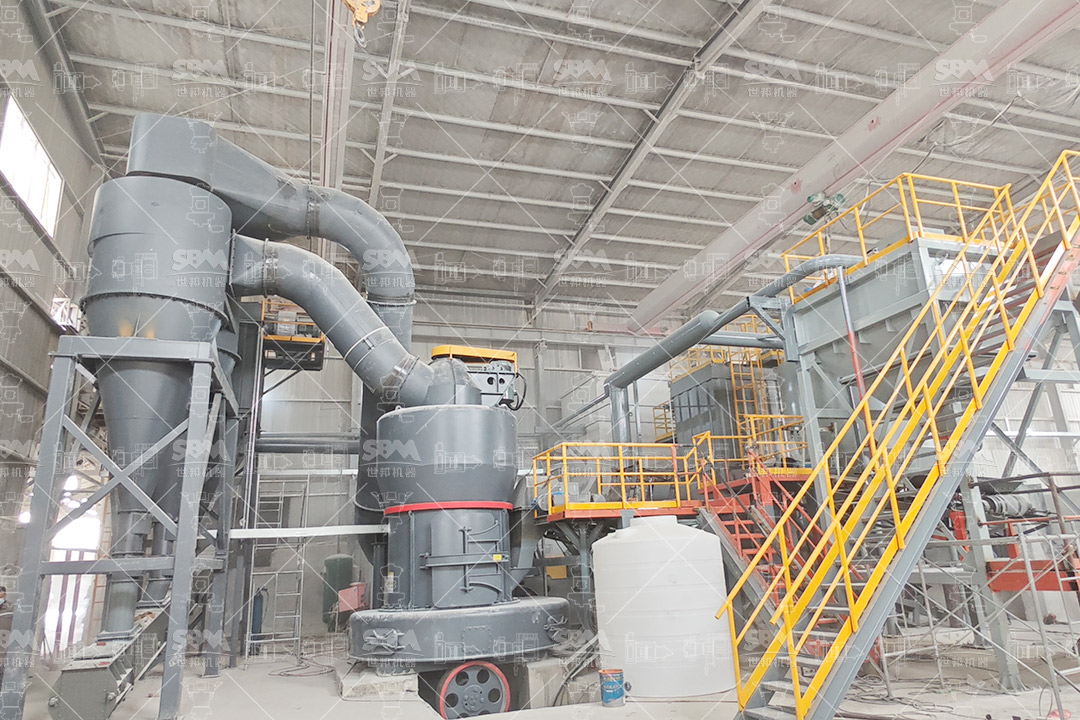
Selecting grinding equipment for refractory materials is a strategic decision that impacts product quality, production cost, and plant profitability. The market offers solutions from specialized manufacturers catering to every stage of the process, from primary crushing to ultra-fine polishing. Success lies in partnering with a manufacturer that not only provides robust and efficient machinery—like the high-capacity MTW Trapezium Mill for standard grades or the precision-focused SCM Ultrafine Mill for advanced applications—but also demonstrates deep application knowledge, offers comprehensive material testing, and backs their equipment with strong technical support throughout its lifecycle. By carefully evaluating both the technology and the manufacturer’s capabilities, refractory producers can build a grinding circuit that serves as a reliable foundation for their high-temperature material innovations.