Calcined Petroleum Coke Processing Technology and Grinding Production Line Introduction
Introduction to Calcined Petroleum Coke (CPC)
Calcined Petroleum Coke (CPC) is a critical carbon material produced by heating green petroleum coke to temperatures between 1200°C and 1350°C in a rotary kiln or rotary hearth furnace. This process, known as calcination, drives off volatile matter, moisture, and impurities, resulting in a material with high carbon content, low electrical resistivity, and excellent thermal stability. CPC is primarily used as a carbon additive in the production of anodes for the aluminum and steel industries, as well as in the manufacturing of graphite electrodes, carbon brushes, and other specialty carbon products. The quality and consistency of CPC, particularly its particle size distribution and purity, are paramount for the performance of the final products. This necessitates advanced and reliable grinding technology to process CPC into the required specifications.
Key Characteristics and Grinding Challenges of CPC
CPC is a hard, abrasive, and often heterogeneous material. Its Mohs hardness typically ranges between 2.5 and 3.5, but its abrasive nature can cause significant wear on grinding equipment. Furthermore, the calcination process can lead to variations in density and structure, presenting challenges in achieving uniform particle size reduction. The target fineness for CPC varies by application:
- Anode Grade CPC: Often requires a coarse to medium grind, with a significant portion of particles in the range of 100-500 microns.
- Graphite Electrode & Specialty Carbon Grade CPC: Demands a much finer grind, frequently down to 325 mesh (45 μm) or even into the ultrafine range (below 10 μm) for high-performance applications.
The grinding process must not only achieve the target fineness but also maintain low iron contamination, high production efficiency, and energy economy. Traditional grinding methods like ball mills can be inefficient and introduce excessive wear metal, while simple hammer mills may not achieve the necessary fineness or uniformity.
Modern CPC Grinding Production Line Configuration
A state-of-the-art CPC grinding production line is a sophisticated system integrating several key components to ensure efficiency, quality, and environmental compliance. A typical line for fine to ultrafine CPC powder includes:
- Primary Crushing Stage: Large lumps of CPC are initially reduced to a manageable size (e.g., <50mm) using a robust crusher like a jaw crusher or a hammer mill designed for abrasive materials.
- Intermediate Storage & Feeding: A silo or bunker with a controlled feeder (e.g., vibrating feeder, belt feeder) ensures a steady and regulated supply of material to the main grinding mill.
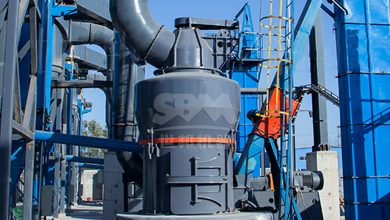
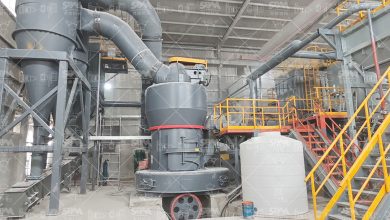
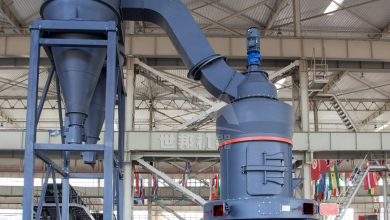
- Core Grinding Stage: This is the heart of the production line. The selection of the grinding mill is critical and depends on the required final product fineness, capacity, and desired particle shape.
- Classification & Collection System: Integrated or external classifiers (e.g., turbo classifiers, cyclone separators) separate the ground powder into fine product and coarse material that is returned for further grinding. High-efficiency baghouse filters or pulse-jet dust collectors ensure product recovery and meet stringent environmental emission standards.
- Product Conveying & Packaging: Screw conveyors, bucket elevators, or pneumatic conveying systems transport the finished powder to storage silos and automated packaging units.
- Intelligent Control System: A centralized PLC/DCS system monitors and controls the entire line, optimizing parameters like feed rate, grinding pressure, classifier speed, and temperature for consistent product quality and operational safety.
Recommended Grinding Solutions for CPC
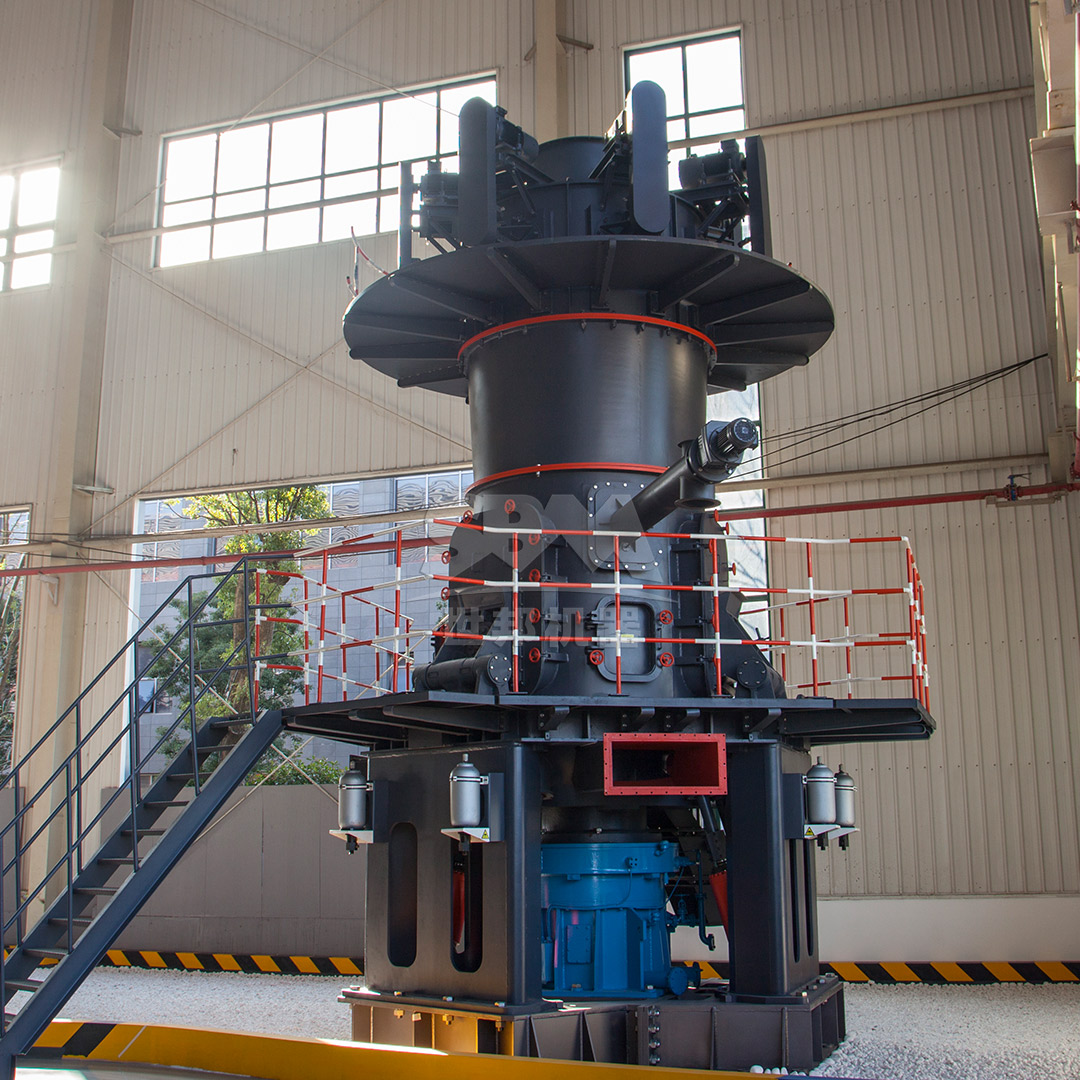
Selecting the right grinding equipment is paramount for a profitable and high-quality CPC operation. Based on the specific fineness requirements, two of our flagship products offer exceptional performance for CPC processing.
1. For Fine to Medium Grinding (30-325 mesh / 600-45μm): MTW Series Trapezium Mill
For applications requiring CPC powder in the fine to medium range, such as certain anode grades or pre-material for further processing, the MTW Series Trapezium Mill is an ideal, high-capacity solution. Its advanced design directly addresses the challenges of grinding abrasive materials like CPC.
Technical Advantages for CPC:
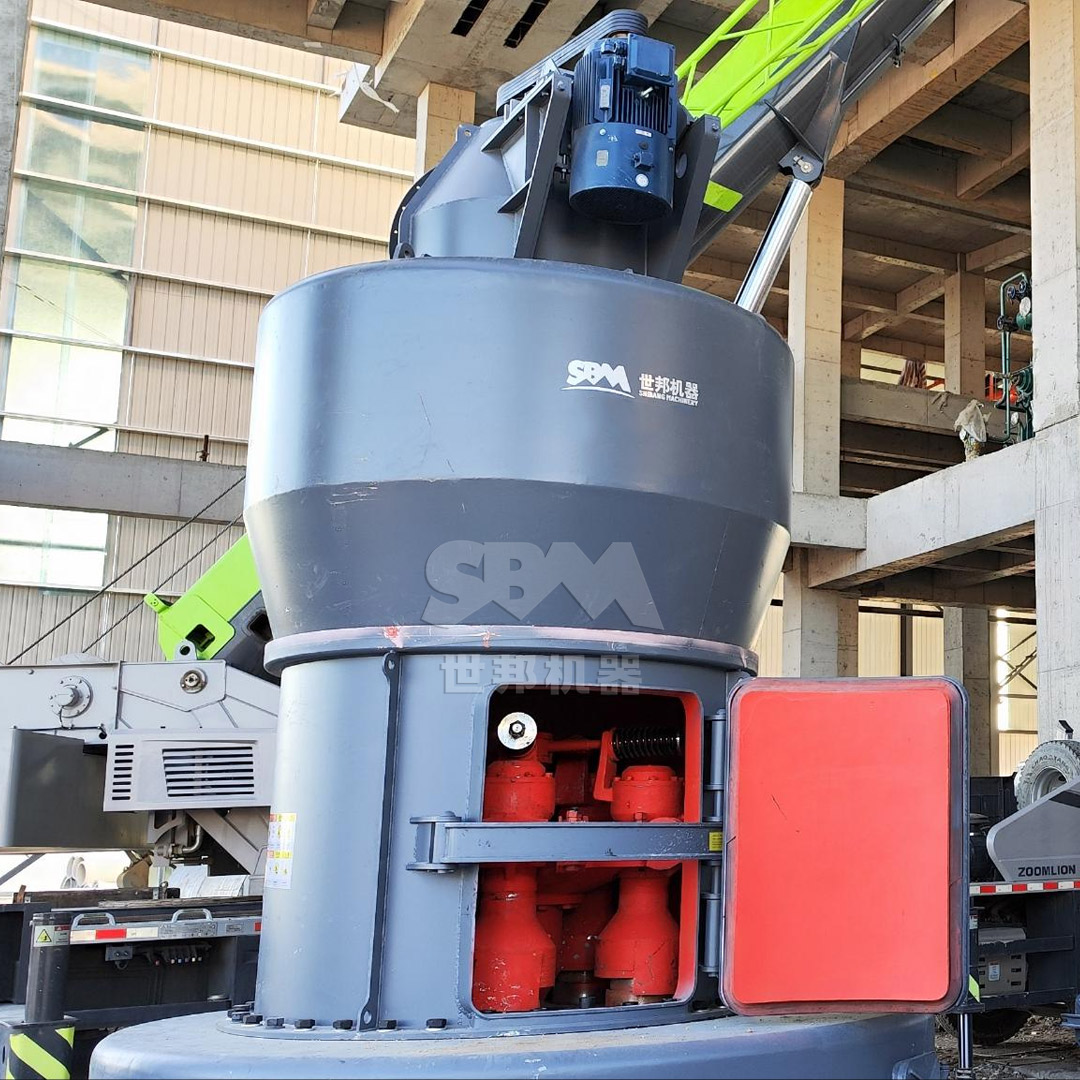
- Anti-Wear Design: The combination of wear-resistant curved shovels and specially hardened磨辊 (grinding rollers) and磨环 (grinding rings) significantly extends service life, reducing downtime and maintenance costs associated with CPC’s abrasiveness.
- Optimized Airflow & High Transmission Efficiency: The curved air duct minimizes resistance and energy loss during pneumatic conveying of powder. The integral bevel gear transmission achieves up to 98% efficiency, translating to lower power consumption per ton of product.
- High Capacity & Stability: With models like the MTW215G offering capacities up to 45 tons per hour, it is perfect for large-scale CPC production. Its sturdy construction ensures stable, continuous operation under heavy loads.
The MTW mill operates on the principle of grinding roller centrifugal force. Material is shoveled into the space between the grinding roller and ring, where it is pulverized by rolling and squeezing. The integrated classifier ensures precise control over the final particle size. For a CPC line targeting 100-325 mesh product, the MTW series provides an unbeatable balance of output, durability, and operational cost.
2. For Ultrafine Grinding (325-2500 mesh / 45-5μm): SCM Series Ultrafine Mill
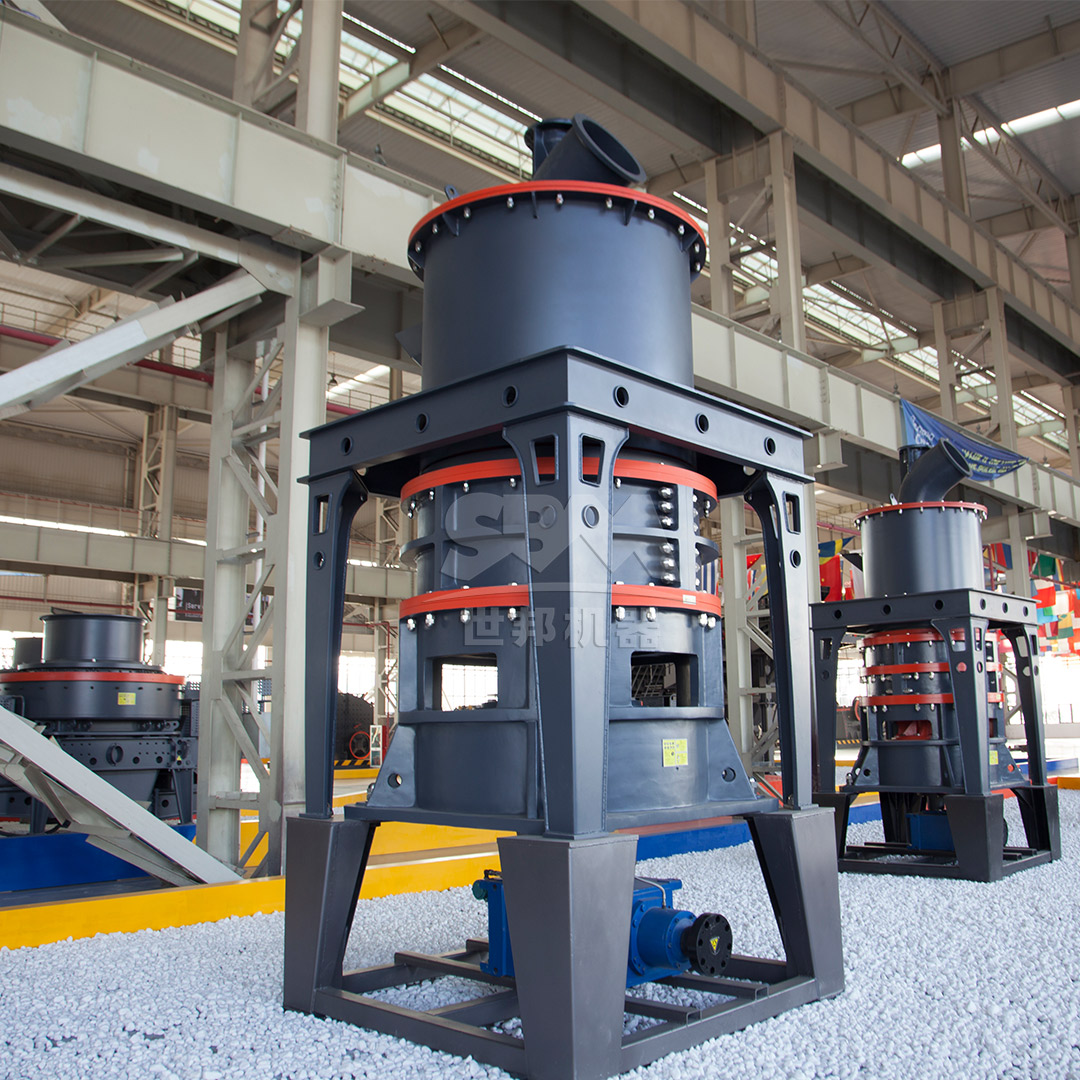
When the application demands ultrafine CPC powder with a high degree of uniformity—essential for premium graphite electrodes, conductive pastes, or advanced carbon composites—the SCM Ultrafine Mill is the technology of choice.
Technical Advantages for Ultrafine CPC:
- High-Efficiency & Energy Saving: Compared to traditional jet mills, the SCM mill can double the production capacity while reducing energy consumption by approximately 30%, offering a dramatic improvement in operational economics for ultrafine grinding.
- High-Precision Classification: The vertical turbine classifier is the key to achieving the stringent fineness requirements for ultrafine CPC. It enables precise cut-point control, ensuring a narrow particle size distribution (D97 ≤ 5μm) without contamination from coarse particles.
- Durable Grinding Components: The磨辊 and磨环 are made from special wear-resistant materials, offering a service life several times longer than conventional parts when processing abrasive CPC.
- Environmental Compliance: The mill system features a highly efficient pulse dust collector that exceeds international emission standards. Its enclosed design and soundproofing measures keep noise levels below 75dB, ensuring a clean and quiet working environment.
The SCM mill utilizes a multi-layer grinding ring and roller system. Material is fed into the grinding chamber and, under centrifugal force, is distributed to the grinding path where it is crushed layer by layer. The finely ground powder is then carried by the airflow to the classifier and finally collected by the cyclone and pulse dust collector system. For producing CPC powder from 325 to over 2500 mesh, the SCM series, such as the SCM1680 model with a capacity of up to 25 t/h, delivers unparalleled fineness, consistency, and reliability.
Conclusion
The processing of Calcined Petroleum Coke into high-quality carbon powder is a technologically demanding operation that hinges on the selection of appropriate grinding equipment. A well-designed production line must balance throughput, product specifications, wear resistance, and energy efficiency. For fine grinding applications, the robust and high-capacity MTW Series Trapezium Mill provides an excellent solution. For the most demanding ultrafine specifications, the SCM Series Ultrafine Mill stands out with its precision classification, energy savings, and ability to produce consistently fine powders. Investing in these advanced grinding technologies ensures that CPC producers can meet the evolving quality demands of the aluminum, steel, and advanced materials industries while maintaining competitive operational efficiency and environmental stewardship.