Application of Pyrophyllite Micro Powder Grinding Mill in Fiberglass Industry
Introduction
The fiberglass industry, a cornerstone of modern composite materials, demands raw materials of exceptional purity and precise particle size distribution. Among these, pyrophyllite, a phyllosilicate mineral, has emerged as a critical functional filler and reinforcement agent. Its unique properties—including high thermal stability, low thermal expansion, chemical inertness, and excellent dielectric characteristics—make it invaluable in the production of high-performance fiberglass composites. However, unlocking these properties fully depends on the ability to process pyrophyllite into ultra-fine, consistent powders. This article explores the pivotal role of advanced grinding technology in this process and examines the specific requirements of the fiberglass sector.

Pyrophyllite: A Strategic Material for Fiberglass
Pyrophyllite (Al2Si4O10(OH)2) serves multiple functions in fiberglass manufacturing. As a filler, it reduces resin consumption, lowers production costs, and improves dimensional stability of the final product. More importantly, its plate-like particle morphology can enhance mechanical properties like stiffness and impact resistance when uniformly dispersed within the glass fiber matrix. For high-temperature applications, such as insulation materials and circuit boards, pyrophyllite’s stability is paramount. The efficacy of these enhancements is directly proportional to the fineness and quality of the powder. The target particle size (D97) for high-end fiberglass applications typically falls within the range of 5 to 45 microns (2500 to 325 mesh), with a narrow distribution to ensure predictable composite behavior.
Challenges in Pyrophyllite Micronization for Fiberglass
Traditional grinding equipment often falls short of the fiberglass industry’s stringent standards. Key challenges include:
- Contamination: Metal wear from grinding media (e.g., balls or rollers) can introduce iron impurities, which degrade the electrical properties and color stability of the final composite.
- Inconsistent Granularity: Broad particle size distributions lead to poor packing density and uneven stress distribution within the composite, weakening the material.
- Thermal Damage: Excessive heat generated during grinding can alter the crystalline structure of pyrophyllite, diminishing its desirable thermal and chemical properties.
- Low Efficiency & High Energy Consumption: Achieving ultra-fine sizes with conventional mills is energy-intensive and limits production throughput.
Overcoming these challenges requires grinding solutions that offer precision, purity, efficiency, and controlled processing environments.
The Role of Advanced Grinding Mills
Modern grinding mills are engineered to address these specific challenges. The ideal solution for pyrophyllite processing in the fiberglass industry should feature:
- High-Precision Classification: Integrated, efficient classifiers that ensure a sharp particle cut and prevent coarse particles from contaminating the final product.
- Minimized Contamination: Grinding mechanisms that use wear-resistant, non-metallic or specially treated components to reduce iron pollution.
- Efficient Grinding Mechanism: Technology that applies grinding force effectively with minimal energy waste and heat generation.
- Integrated Collection & Dust Control: A closed, negative-pressure system with high-efficiency dust collectors to maintain a clean plant environment and ensure high product yield.
Recommended Solution: SCM Ultrafine Mill
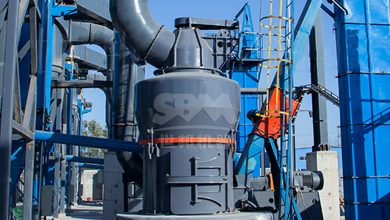
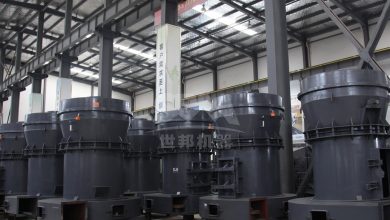
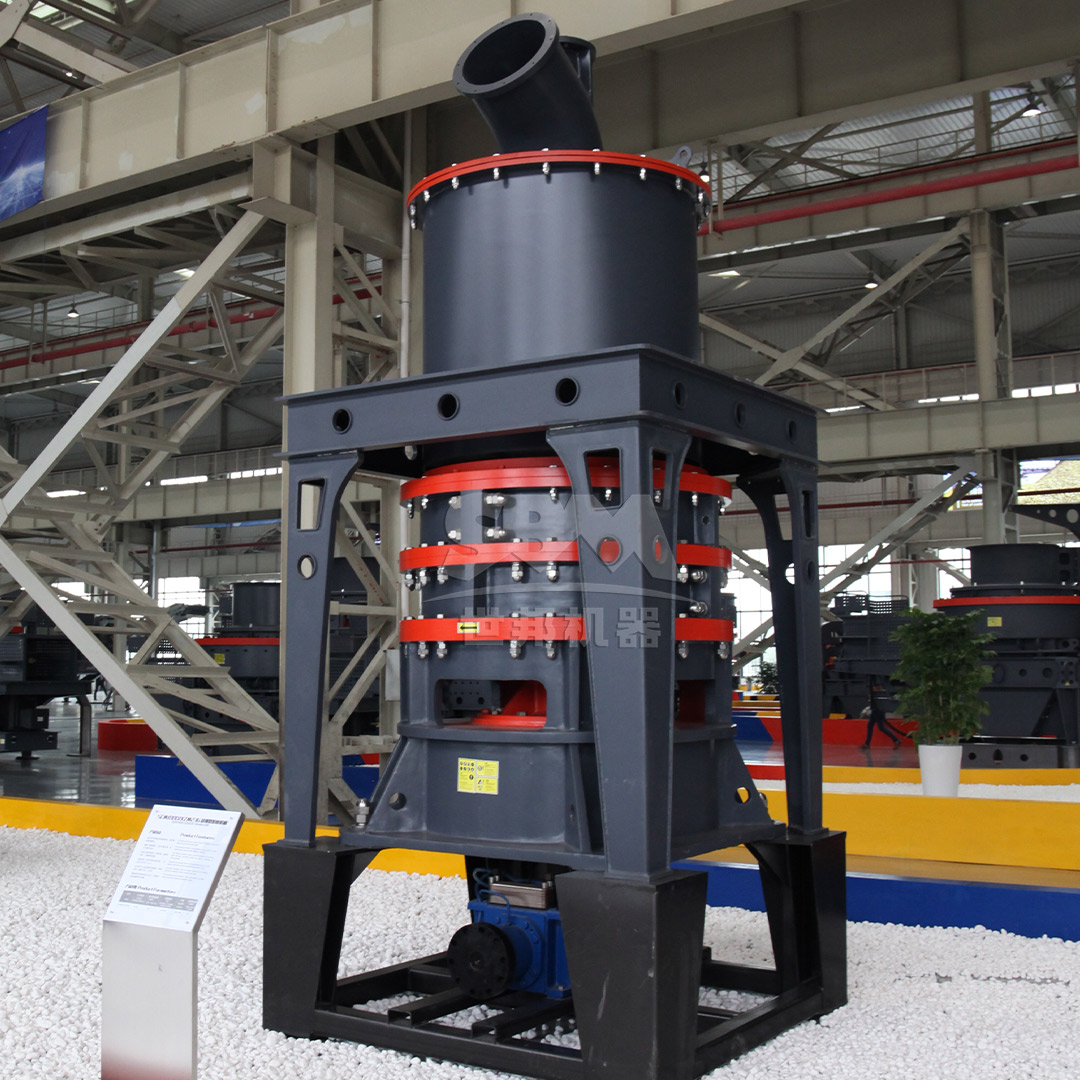
For the most demanding applications requiring ultra-fine pyrophyllite powder (D97 ≤ 5μm, or 2500 mesh), the SCM Ultrafine Mill stands out as the optimal choice. This mill is specifically designed to produce high-volume, consistent micro-powders with exceptional efficiency.
Why the SCM Series is Ideal for Fiberglass-Grade Pyrophyllite:
- Superior Fineness & Uniformity: Its vertical turbine classification system achieves precise particle size control from 325 to 2500 mesh, delivering the narrow distribution critical for composite performance.
- Exceptional Purity: The grinding chamber utilizes a bearingless screw design and special alloy grinding rollers and rings, significantly reducing wear and the risk of metallic contamination.
- High Efficiency & Energy Savings: With a capacity twice that of jet mills and energy consumption 30% lower, the SCM mill boosts productivity while reducing operational costs. Its intelligent control system automatically adjusts parameters based on real-time feedback of product fineness.
- Eco-Friendly Operation: The integrated pulse dust collector exceeds international standards, ensuring dust emissions are virtually eliminated. The soundproof chamber design keeps noise levels below 75dB, promoting a better working environment.
Model Recommendation: For a medium to large-scale fiberglass production line, the SCM1250 model is highly recommended. With a processing capacity of 2.5-14 tons per hour and a main motor power of 185kW, it balances high output with the ability to consistently produce the ultra-fine powders needed for premium fiberglass composites.
Alternative Solution: MTW Series Trapezium Mill
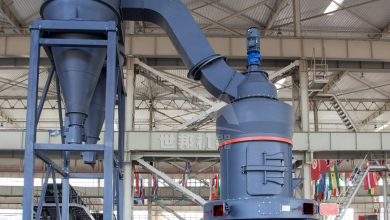
For applications where the target fineness is in the range of 30-325 mesh (600-45μm), such as in certain standard fiberglass mats or bulk molding compounds, the MTW Series Trapezium Mill offers a robust and cost-effective solution. It is particularly suited for high-volume processing of pyrophyllite where extreme ultra-fineness is not the primary goal.
Key Advantages for Fiberglass Production:
- High Capacity & Reliability: With models offering throughput from 3 to 45 tons per hour, it is ideal for large-scale raw material preparation.
- Advanced Wear Protection: Its curved air duct and wear-resistant volute structure minimize energy loss and maintenance costs by over 30%, ensuring consistent long-term performance.
- Efficient Transmission: The integral bevel gear transmission achieves 98% efficiency, saving space and installation costs while providing stable power delivery.
Model Recommendation: The MTW215G model, with a capacity of 15-45 tons per hour and a main motor power of 280kW, is an excellent choice for a primary grinding stage feeding a high-capacity fiberglass plant.
Integration into the Fiberglass Production Line
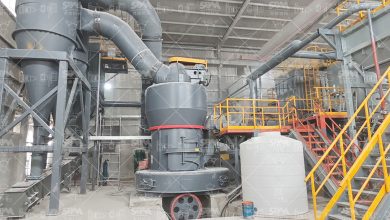
The integration of an advanced grinding mill like the SCM or MTW series into a pyrophyllite processing line involves several key stages:
- Primary Crushing: Raw pyrophyllite ore is first reduced to a size suitable for the mill’s feed (e.g., ≤20mm for SCM).
- Drying (if required): Moisture content is adjusted to an optimal level for grinding efficiency.
- Micronization: The core grinding and classification process takes place in the recommended mill.
- Collection & Packaging: The finished powder is collected via cyclone and pulse-jet bag filters, then packaged for shipment to the fiberglass manufacturer.
This streamlined process, centered on a high-performance mill, ensures a reliable supply of quality pyrophyllite filler.

Conclusion
The pursuit of stronger, lighter, and more durable fiberglass composites has elevated the importance of material science and processing technology. Pyrophyllite, when processed to exacting micro-powder specifications, becomes a powerful tool for enhancing composite properties. The selection of the appropriate grinding technology is not merely an operational decision but a strategic one that impacts product quality, production cost, and environmental footprint. For fiberglass producers aiming at the premium market, investing in advanced, reliable grinding solutions like the SCM Ultrafine Mill for ultra-fine requirements or the MTW Trapezium Mill for high-capacity coarse grinding is essential to harnessing the full potential of pyrophyllite and maintaining a competitive edge in the advanced materials industry.