How Much Does It Cost to Invest in a Vertical Roller Mill with 50TPH Slag Powder Production Capacity?
Introduction
Investing in a vertical roller mill (VRM) for slag powder production is a significant capital decision for any industrial operation. The target capacity of 50 tons per hour (TPH) places the project in a medium-to-large scale category, suitable for dedicated slag processing plants or large cement producers aiming to utilize granulated blast furnace slag (GBFS) for supplementary cementitious materials (SCM). The total investment cost is not a single figure but a composite of multiple factors, including equipment selection, auxiliary systems, installation, and long-term operational expenses. This article provides a comprehensive breakdown of the cost structure and highlights key technical considerations, with a specific focus on our advanced grinding solutions.
Understanding the Application: Slag Powder Production
Granulated blast furnace slag is a by-product of the iron-making process. When finely ground to a high specific surface area (typically >420 m²/kg), it becomes a highly reactive pozzolan, widely used in blended cements and concrete to enhance durability, reduce heat of hydration, and improve long-term strength. The grinding process for slag is energy-intensive due to its hardness and abrasiveness, making the efficiency of the grinding mill the most critical factor in both capital and operational expenditure.
The 50TPH capacity requirement dictates a robust and reliable mill system. The final product quality, particularly its fineness and particle size distribution, directly impacts its market value and performance in concrete.
Core Cost Components of a 50TPH Slag VRM System
The total investment can be categorized into direct and indirect costs.
1. Main Equipment Cost (The Vertical Roller Mill)
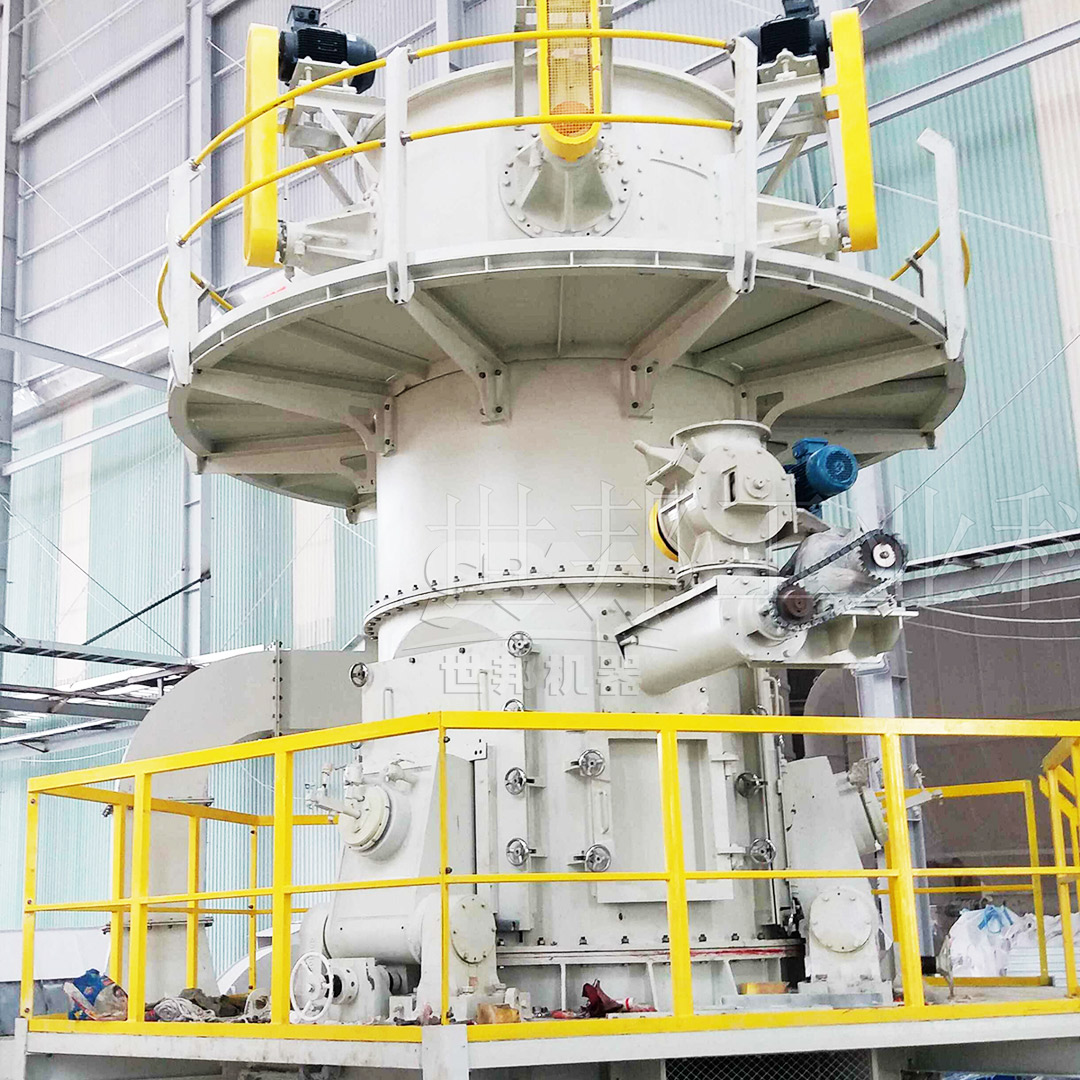
This is the single largest capital outlay, typically accounting for 40-50% of the total equipment cost for the grinding circuit. For a 50TPH slag powder line, a large-scale vertical roller mill is the industry-preferred choice over traditional ball mills due to its superior energy efficiency (30-50% lower specific power consumption) and ability to handle moist feed with integrated drying.
The price of the VRM itself varies based on:
- Mill Size and Model: Directly correlated with capacity.
- Material of Wear Parts: Grinding rollers and table liners for slag require special high-chromium alloys or composite materials to withstand abrasion, adding to the cost.
- Drive System: The power of the main motor (typically in the range of 1800-2500 kW for this capacity) and the type of reducer.
- Integrated Classifier: A high-efficiency dynamic classifier is essential for achieving the required fineness and is a significant sub-component.
2. Auxiliary System Costs
A VRM cannot operate in isolation. The complete system includes:
- Feeding System: Belt conveyors, weigh feeders, and metal detectors.
- Drying System: A hot gas generator (using gas, oil, or coal as fuel) to dry slag with moisture content up to 15-20%.
- Product Collection: A high-efficiency baghouse filter (pulse jet type) is mandatory for environmental compliance and product recovery. This is a major cost item.
- Product Transport & Storage: Airlift systems, screw conveyors, and large silos for finished slag powder.
- Electrical & Control System: MV/LV switchgear, variable frequency drives (VFDs) for fan control, and a comprehensive PLC/DCS-based automation system for optimized operation.
3. Installation, Civil, and Construction Costs
These “soft costs” are often underestimated. They include:
- Civil Works: Foundation for the massive mill (requiring significant reinforced concrete), structural steel for buildings or shelters, and platforms.
- Installation & Commissioning: Labor costs for mechanical erection, electrical installation, and supervision by mill supplier engineers.
- Shipping & Insurance: For oversized mill components from the manufacturer to the site.
4. Long-Term Operational Costs (OPEX)
While not part of the initial investment, OPEX is crucial for ROI calculations and is dominated by:
- Power Consumption: The main driver. A VRM for 50TPH slag may have a total system power draw of 2500-3200 kW. Energy savings directly translate to lower production costs.
- Wear Parts Consumption: Cost and lifetime of grinding rollers, table liners, and classifier wear parts.
- Maintenance Labor & Spares.
- Fuel Cost for the drying system.
Recommended Solution: Our LM Vertical Roller Mill Series
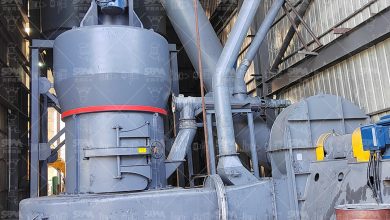
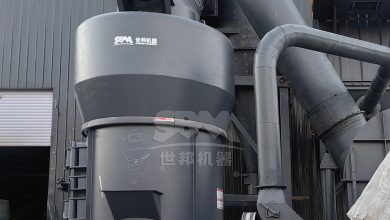
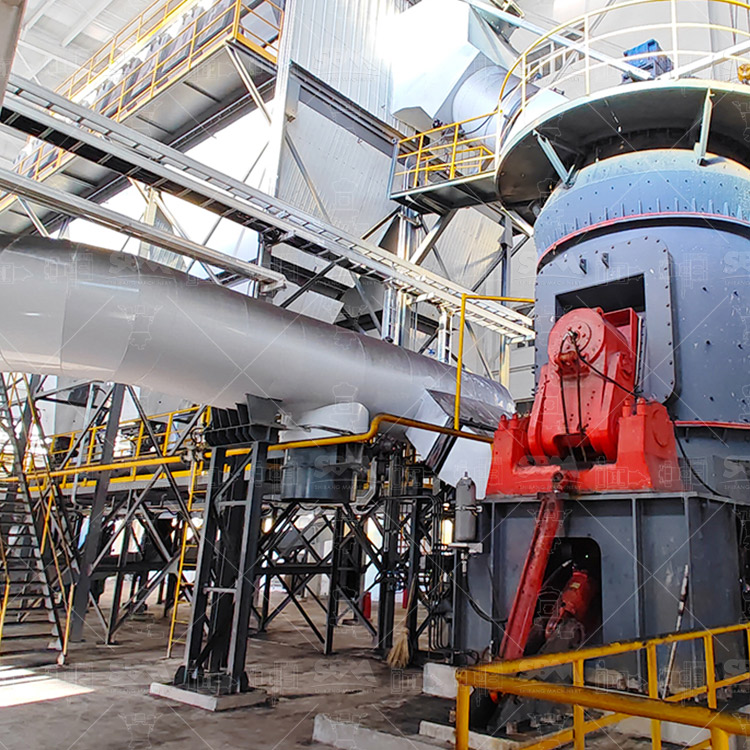
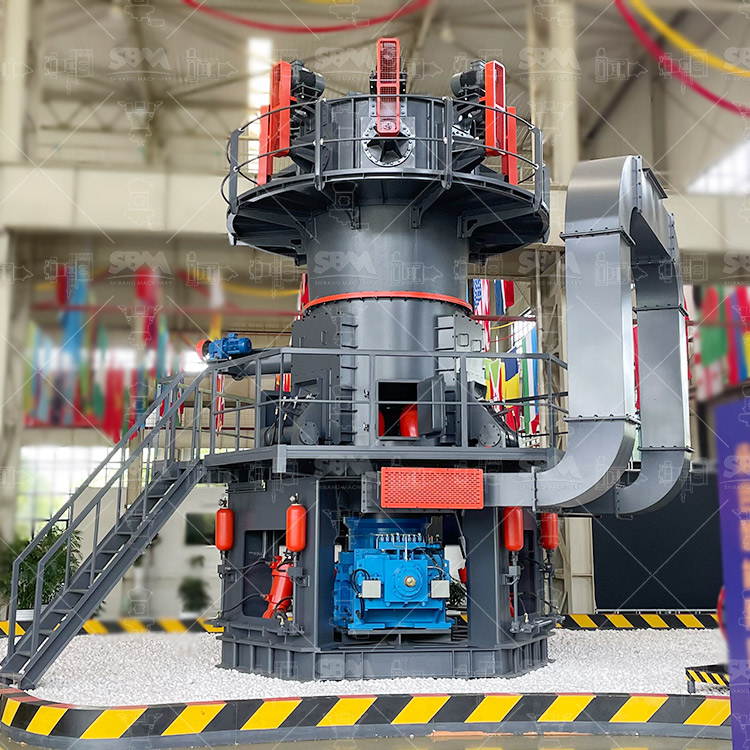
For a 50TPH slag powder production line, we strongly recommend our LM Vertical Roller Mill series, specifically the LM280N Slag Mill model. This mill is engineered from the ground up for the demanding task of grinding granulated blast furnace slag to cementitious quality.
Why the LM280N is the Ideal Choice for 50TPH Slag:
- Perfect Capacity Match: The LM280N is designed for a capacity range of 50-60 TPH for slag powder with a specific surface area of ≥420 m²/kg, making it a precise fit for your requirement.
- Exceptional Energy Efficiency: Utilizing the advanced material-bed grinding principle, it consumes 30-40% less energy than a ball mill system of equivalent output. This represents massive OPEX savings over the mill’s lifetime.
- Integrated Drying & Grinding: The mill accepts slag with moisture content up to 15% and uses integrated hot air for simultaneous drying and grinding, simplifying the process layout.
- High Availability & Easy Maintenance: Features like the modular grinding roller assembly with our patented quick-change system allow for roller replacement in less than a day, minimizing downtime. The non-contact design between roller and table extends wear part life significantly.
- Intelligent Control & Environmental Compliance: It comes with an expert automatic control system for stable operation and optimal efficiency. The fully sealed negative-pressure operation ensures dust emissions are kept well below 20 mg/m³.
The investment in an LM280N is an investment in lower total cost of ownership. Its higher initial price point compared to less efficient technologies is quickly offset by dramatically reduced power bills and lower maintenance costs.
Alternative for Higher Fineness: The LUM Ultrafine Vertical Mill
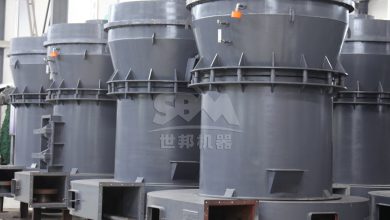
If the project requires producing ultra-fine slag powder (exceeding 500 m²/kg) for specialized applications, our LUM Ultrafine Vertical Mill presents an excellent alternative or complementary solution. While its single-line capacity for ultra-fine product may be below 50TPH, its technology is noteworthy for premium products.
- Superior Fineness: Capable of producing powder in the range of 325-2500 mesh (5-45 μm).
- Precision Classification: Equipped with multiple-rotor classification technology to ensure a sharp particle size cut and no coarse grains in the final product.
- Advanced Grinding Geometry: The unique curve design of the roller sleeve and liner optimizes the grinding action for fine and ultra-fine processing.
For a standard 50TPH SCM production, the LM280N is the workhorse. For niche, high-value ultra-fine slag products, the LUM series should be evaluated.
Estimated Investment Range
Providing a precise figure is impossible without a detailed project survey. However, based on global project benchmarks for a complete 50TPH slag grinding plant with a VRM, the total investment typically falls within the range of $8 million to $15 million USD. This wide range is due to variables like:
- Location (labor, material, and logistics costs vary greatly).
- Level of automation and equipment sourcing (European vs. Chinese components).
- Site-specific civil work requirements.
- Inclusion of clinker or gypsum storage and blending facilities for finished cement production.
As a rough breakdown for a plant based on our LM280N mill in a standard configuration:
- Main Equipment (Mill, Baghouse, Fan, etc.): ~45-55%
- Electrical & Automation: ~15-20%
- Civil & Structural Works: ~15-25%
- Installation & Commissioning: ~8-12%
Conclusion: A Strategic Investment
Investing in a 50TPH vertical roller mill for slag powder is a strategic move that aligns with global trends towards sustainable construction and circular economy. The key to a successful project lies not in minimizing the initial capital cost but in optimizing the total cost of ownership. Our LM Series Vertical Roller Mill, particularly the LM280N model for slag, is designed to deliver exactly that: maximum grinding efficiency, unparalleled reliability, and the lowest possible operating cost per ton of high-quality slag powder produced.
We recommend engaging with our engineering team for a detailed feasibility study and system design. This will yield a precise quotation tailored to your specific site conditions and product goals, ensuring your investment builds a foundation for long-term profitability and success in the growing slag products market.