How to Efficiently Utilize Metallurgical Coke Powder with a Coke Grinding Mill
Introduction: The Value of Metallurgical Coke Powder
Metallurgical coke, a critical reductant and fuel in blast furnace ironmaking, is typically produced in lump form. However, a significant portion of the coke produced ends up as fines or powder during handling, transportation, and screening. Traditionally viewed as a low-value by-product or waste, this coke powder holds substantial untapped potential. When processed efficiently into a controlled, fine powder, it can be valorized in numerous applications, including sintering plants, foundry operations, ferroalloy production, and as a carbon additive. The key to unlocking this value lies in selecting and operating the appropriate coke grinding mill, which must balance high throughput, precise particle size control, energy efficiency, and operational reliability.
Challenges in Grinding Metallurgical Coke
Grinding coke is not a trivial task. Its properties present specific challenges that not all grinding equipment can handle effectively:
- Abrasive Nature: Coke is highly abrasive, leading to rapid wear of grinding components, increased maintenance downtime, and contamination of the final product with metal from worn parts.
- Hardness and Strength: Metallurgical coke possesses considerable mechanical strength, requiring robust grinding forces and efficient comminution strategies to achieve fine particle sizes.
- Moisture Sensitivity: While generally dry, coke can absorb moisture, which may lead to clogging in certain mill types if not properly managed.
- Explosion Risk: Fine coke dust is combustible. The grinding system must be designed to minimize dust generation at critical points and incorporate appropriate safety and inerting measures.
- Economic Viability: The process must be cost-effective. High energy consumption and frequent part replacement can render the grinding operation economically unfeasible.
Selecting the Right Coke Grinding Technology
The choice of grinding mill is paramount. Different technologies offer varying benefits suited to specific target fineness and capacity requirements.
For Coarse to Medium-Fine Grinding (30-325 mesh / 600-45μm)
Applications such as sintering mix or carbon raisers often require powder in this range. Here, durability, high capacity, and operational stability are key.
Recommended Solution: The MTW Series Trapezium Mill
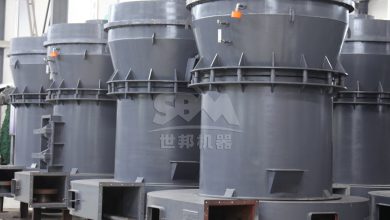
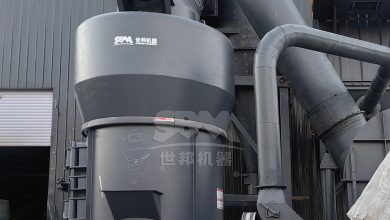
For projects demanding high-volume processing of coke into the coarse to medium-fine range, our MTW Series Trapezium Mill presents an outstanding solution. Engineered for efficiency and longevity, it addresses the core challenges of coke grinding head-on.

- Superior Wear Resistance: Its patented wear-resistant shovel blade design and curved air channel significantly reduce wear on critical components when processing abrasive materials like coke, directly lowering maintenance costs and improving availability.
- High Efficiency & Capacity: The integral transmission with bevel gear achieves a remarkable 98% drive efficiency. Models like the MTW215G offer capacities up to 45 tons per hour, making it ideal for large-scale coke powder production lines.
- Precise Particle Size Control: An advanced internal powder classifier ensures consistent product fineness between 30-325 mesh (600-45μm), allowing operators to tailor the output to specific application needs.
- Robust Construction: Built to handle input sizes up to 50mm, it can process coke breeze directly with minimal pre-crushing, simplifying the overall system layout.
For Ultra-Fine Grinding (325-2500 mesh / 45-5μm)
High-value applications in advanced carbon composites, specialized chemical processes, or as a premium fuel additive require ultra-fine coke powder. This demands technology capable of producing narrow particle size distributions at high yields.
Recommended Solution: The SCM Ultrafine Mill
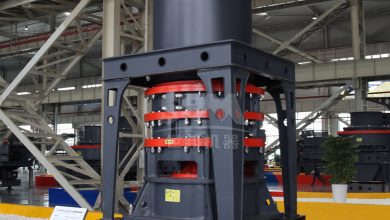
When the target is premium, ultra-fine coke powder, our SCM Ultrafine Mill is the technology of choice. It is specifically designed to achieve fineness levels unattainable by conventional mills while maintaining economic operation.
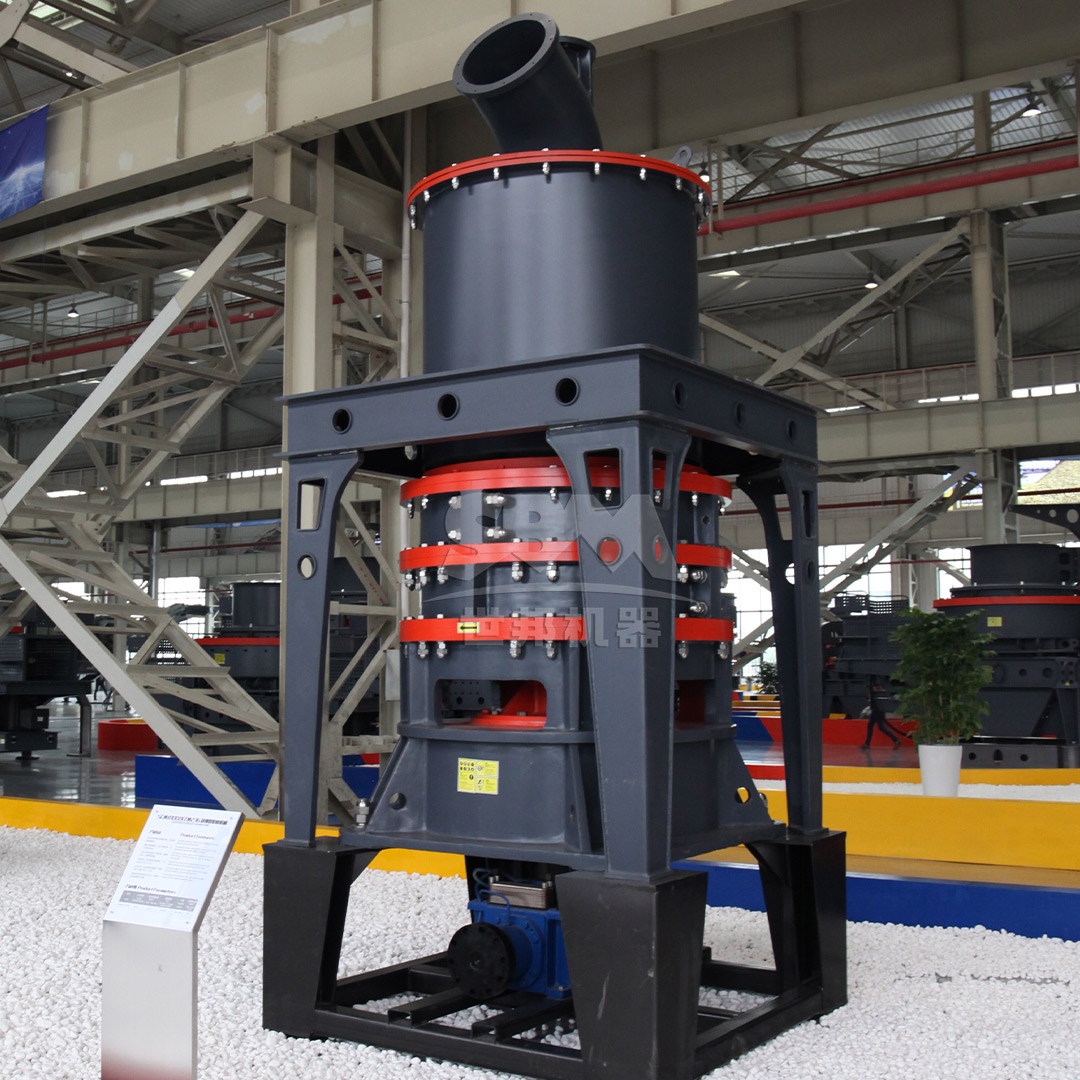
- Exceptional Fineness: Capable of producing powder from 325 to 2500 mesh (D97 ≤ 5μm), it opens doors to high-end markets for coke powder.
- Energy-Efficient Design: Compared to traditional jet mills, the SCM series offers double the capacity with approximately 30% lower energy consumption, dramatically reducing operating costs for fine grinding.
- High-Precision Classification: A vertical turbine classifier provides sharp particle size cuts, ensuring a uniform product with no coarse grit contamination—a critical quality parameter for sensitive applications.
- Durable & Stable: Featuring specially hardened grinding rollers and rings with a lifespan several times that of standard components, along with a bearing-less screw design in the grinding chamber, it guarantees stable, long-term operation with minimal vibration.
- Environmental Compliance: The integrated pulse dust collection system exceeds international emission standards, and the soundproofed design keeps noise levels below 75dB, ensuring a clean and quiet working environment.
Key Considerations for an Efficient Grinding System
Beyond the mill itself, a holistic system approach is necessary for optimal efficiency.
- Feed Preparation: Ensure a consistent and optimally sized feed (typically <20mm for fine mills, <50mm for trapezium mills) using a primary crusher like a hammer mill. This prevents mill overload and optimizes grinding efficiency.
- Drying (if necessary): Integrate a dryer if coke moisture is consistently high to prevent clogging and maintain grinding performance.
- Material Handling & Collection: Design efficient, enclosed conveying systems (screw conveyors, bucket elevators) to transport feed and product. Pair the mill with a high-efficiency cyclone and baghouse filter system to collect product and meet environmental standards.
- System Automation: Implement PLC controls to monitor key parameters (motor load, bearing temperature, pressure differential) and automate feed rates, ensuring consistent product quality and protecting the equipment.
- Safety Systems: Incorporate explosion vents, inert gas (N2) purging systems, and strict housekeeping protocols to mitigate the risks associated with combustible coke dust.
Optimizing Operations and Maintenance
To maximize return on investment, proactive operation and maintenance strategies are essential.
- Wear Part Management: Monitor the condition of grinding elements (rollers, rings, shovels). Use the mill’s own performance data (power draw, product fineness) to predict wear and schedule replacements during planned downtime.
- Classifier Optimization: Regularly calibrate and maintain the classifier to ensure it continues to deliver the target particle size distribution. Adjust the rotor speed as needed for different product specifications.
- Preventive Maintenance: Adhere to a strict lubrication schedule for all bearings and gearboxes. Regularly inspect mechanical seals, ductwork for leaks, and the integrity of the dust collection system.
- Process Monitoring: Continuously track specific energy consumption (kWh/ton) and yield of target fraction. This data is crucial for identifying process inefficiencies and justifying potential upgrades.
Conclusion: From Waste to Worth
Metallurgical coke powder is no longer a burdensome by-product but a versatile raw material waiting to be harnessed. The transformation hinges on deploying advanced, fit-for-purpose grinding technology. By selecting a mill engineered for the abrasiveness and hardness of coke—such as the high-capacity MTW Series Trapezium Mill for general applications or the precision-focused SCM Ultrafine Mill for specialty products—operators can achieve efficient, reliable, and profitable powder production.
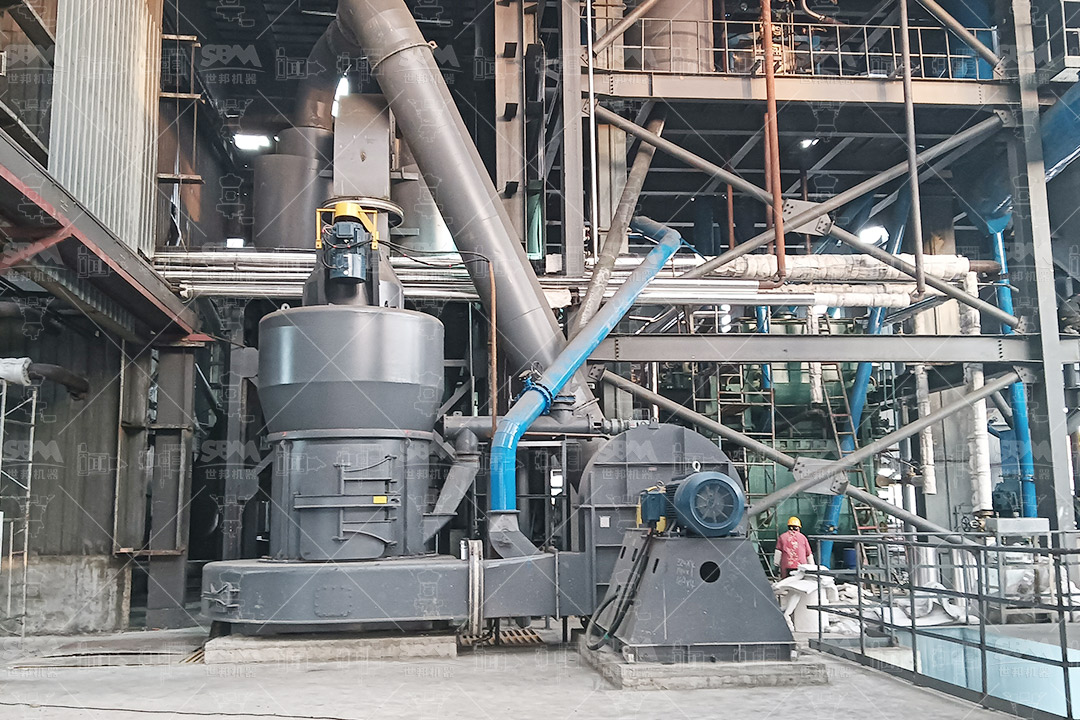
A successful implementation integrates the mill into a well-designed system with proper feeding, collection, and controls, all governed by smart operational practices. This comprehensive approach ensures that coke grinding becomes a value-adding stream, contributing to both economic gains and improved sustainability within metallurgical operations.