
Is the Limestone Grinding Plant for Power Plant Desulfurization Highly Automated and Easy to Operate?
Introduction: The Critical Role of Limestone Grinding in FGD Systems
Flue Gas Desulfurization (FGD) is a cornerstone technology for modern coal-fired power plants to meet stringent environmental regulations. At the heart of the most common wet limestone-gypsum FGD process lies a critical preparatory step: the grinding of limestone into a fine slurry. The efficiency, reliability, and cost-effectiveness of the entire desulfurization system are heavily dependent on the performance of the limestone grinding plant. A common question among plant operators and engineers is: Are these grinding plants highly automated and easy to operate? The answer, with modern technological advancements, is a resounding yes. This article explores the evolution towards automation, the key operational features, and how selecting the right equipment is paramount for achieving a seamless, efficient, and operator-friendly FGD limestone preparation system.
The Evolution from Manual Control to Integrated Automation
Historically, grinding operations, including early ball mill systems for limestone, required significant manual intervention. Operators constantly adjusted feed rates, monitored product fineness through manual sampling and sieve analysis, and responded to system fluctuations—a process prone to inefficiency, inconsistency, and high labor costs.
Modern limestone grinding plants for power plants have undergone a revolutionary transformation. Today’s systems are designed as integrated, automated units where the grinding mill, classifier, dust collector, and auxiliary equipment are controlled by a centralized Programmable Logic Controller (PLC) or Distributed Control System (DCS). This automation encompasses:
- Automatic Feed Control: Weighfeeders or precision feeders automatically adjust the limestone feed rate based on the mill’s power consumption and the FGD system’s real-time demand for absorbent slurry.
- In-line Particle Size Analysis: Advanced systems may incorporate particle size analyzers (e.g., laser diffraction) that provide continuous, real-time feedback on product fineness (e.g., D90 or D95), replacing delayed manual tests.
- Intelligent Mill Load Control: The system automatically regulates parameters to maintain optimal grinding conditions, preventing overloading or underloading, which protects the equipment and ensures consistent product quality.
- Fully Automated Start-up and Shutdown Sequences: Complex procedures are executed at the push of a button, following a pre-programmed logic that safely brings equipment online or offline in the correct sequence.
- Remote Monitoring and Operation: Operators can monitor the entire grinding plant—from motor currents and bearing temperatures to baghouse differential pressure—from a central control room. Remote diagnostics and even operation are possible, enhancing safety and convenience.

Key Features that Simplify Operation and Enhance Reliability
Ease of operation is not solely about software; it is fundamentally built into the hardware design of modern grinding equipment. Features that contribute directly to operational simplicity include:
- Durable, Low-Maintenance Design: Components subject to wear, such as grinding rollers and tables, are made from special alloy materials with service lives several times longer than conventional parts. This drastically reduces the frequency of maintenance shutdowns.
- Quick-Wear-Part Replacement Systems: Modular designs, such as our patented Modular Grinding Roller Assembly Quick Replacement System featured in our LM Series, allow for fast roll replacement with minimal downtime, often without needing to enter the mill housing.
- Advanced Sealing and Dust Containment: Full negative-pressure operation and high-efficiency pulse jet baghouse collectors (with efficiency exceeding 99.9%) ensure a clean working environment, eliminating manual clean-up and health hazards. Emissions are consistently kept below international standards (e.g., <20 mg/Nm³).
- Integrated System Design: Modern vertical roller mills combine crushing, grinding, drying (if needed), and classification in a single, compact unit. This reduces the number of auxiliary components, simplifies material flow, and minimizes the footprint, making the overall plant easier to manage.
- Comprehensive Safety Interlocks: Automated systems are equipped with numerous sensors and interlocks that prevent unsafe operations, such as starting a conveyor before the crusher or running the mill without lubrication, thereby protecting both personnel and equipment.
Meeting the Specific Demands of Power Plant FGD: Product Recommendations
The choice of grinding equipment is the most critical factor in determining the level of automation and operational ease achievable. The ideal mill for power plant FGD limestone grinding must produce a consistent, fine powder (typically requiring a fineness of 90% passing 325 mesh or 44 μm, and sometimes finer for enhanced reactivity), handle high throughputs reliably, and integrate seamlessly into automated plant control systems.
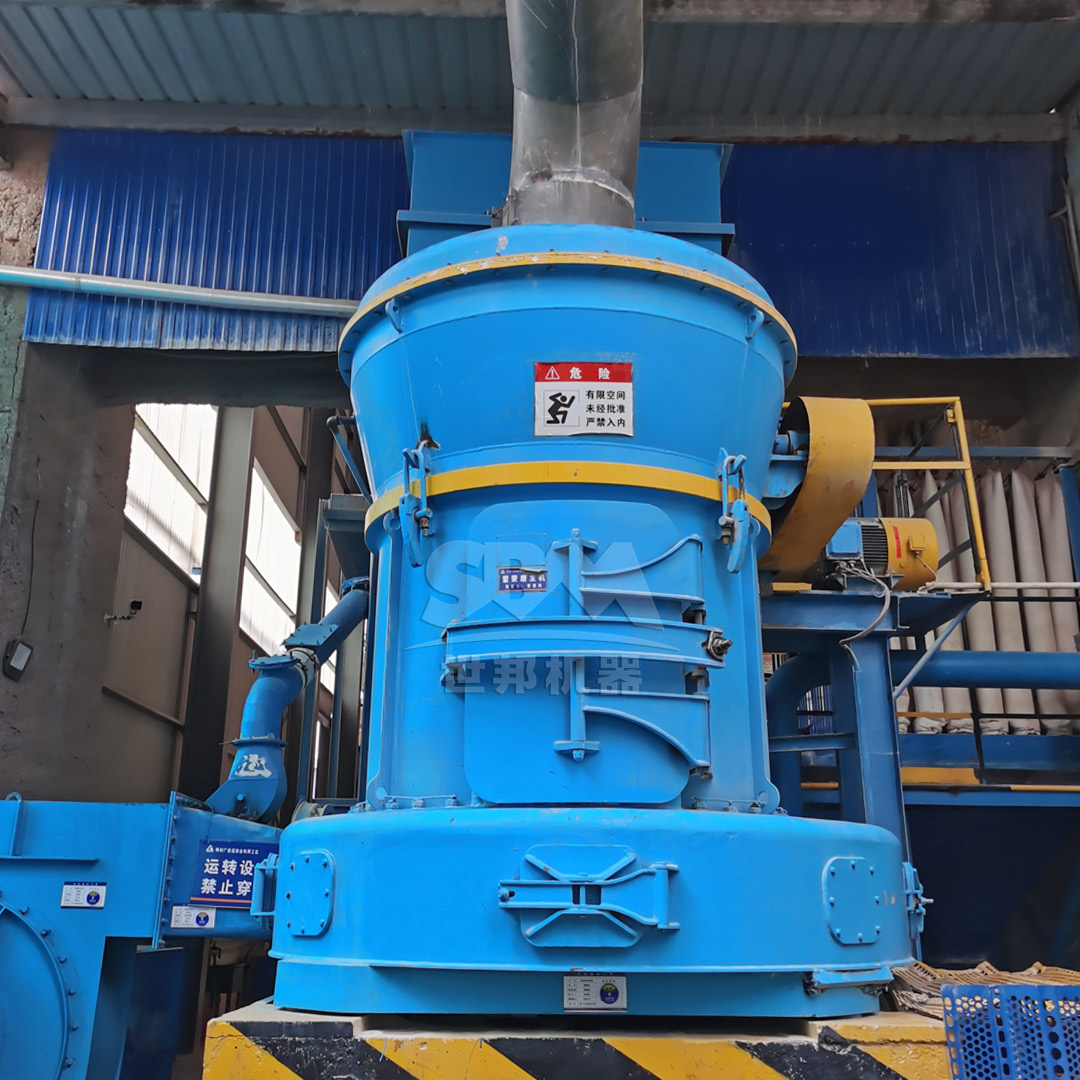
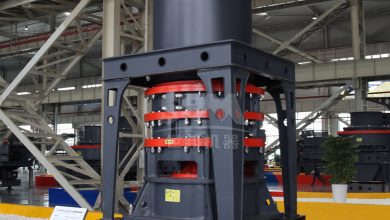
Based on extensive industry application and technological superiority, we highly recommend our LM Series Vertical Roller Mill for large to medium-capacity power plant FGD systems. For projects requiring ultra-fine limestone powder to maximize SO₂ absorption efficiency, our SCM Series Ultrafine Mill presents an unparalleled solution.
1. LM Series Vertical Roller Mill: The Workhorse for High-Capacity FGD
The LM Vertical Roller Mill is engineered for large-scale, continuous, and efficient grinding operations perfectly suited for power plant needs.
- High Degree of Automation & Intelligence: It comes with an expert-level automatic control system that supports remote/local operation switching. The system provides real-time monitoring of all critical parameters (pressure, temperature, vibration, power), enabling predictive maintenance and minimizing manual intervention. Its intelligent load control ensures stable operation tied directly to the FGD system’s absorbent demand.
- Exceptional Operational Economy: Its grinding principle—based on material bed compression between rollers and a rotating table—is inherently more energy-efficient than ball mills, reducing specific energy consumption by 30-40%. The non-contact design between rollers and table (during idle operation) and use of wear-resistant alloys extend component life, lowering long-term operating and maintenance costs.
- Compact and Integrated Design: The mill integrates multiple functions (grinding, drying, classification) into one unit, reducing the plant’s footprint by up to 50% compared to traditional ball mill circuits. It can even be installed outdoors, significantly reducing civil construction costs.
- Proven Performance: With models like the LM220K (output: 36-105 t/h, fineness: 80-325 mesh) or the larger LM280K (output: 50-170 t/h), the LM series reliably delivers the high volumes of finely ground limestone required by major power stations.

2. SCM Series Ultrafine Mill: For Maximum Reactivity and Efficiency
When FGD system design calls for extremely fine limestone powder (325-2500 mesh / 5-45 μm) to achieve ultra-high desulfurization rates or to reduce limestone consumption, the SCM Ultrafine Mill is the optimal choice.
- Precision Automation: The mill features intelligent control that automatically adjusts operational parameters based on feedback of the finished product’s particle size. The vertical turbine classifier allows for precise, stepless adjustment of fineness, ensuring the exact product specification is met consistently without manual tuning.
- Easy to Operate and Maintain: Its design emphasizes stability and durability. Features like the bearingless screw grinding chamber reduce potential failure points and enhance running stability. The special material grinding rollers and rings have a lifespan several times longer than conventional parts.
- Efficient and Environmentally Friendly: It offers twice the capacity of jet mills with 30% lower energy consumption. The integrated high-efficiency pulse dust collector exceeds international standards, and the soundproof room design keeps noise levels below 75 dB, creating an operator-friendly environment.
- Ideal for Retrofit or Specialized Units: Models like the SCM1250 (2.5-14 t/h) or SCM1680 (5-25 t/h) can serve as the primary grinder for advanced FGD systems or as a secondary polishing mill to produce a premium-grade limestone absorbent.
Conclusion: A Resolved Paradigm of Automated Ease
The question of whether a modern limestone grinding plant for power plant desulfurization is highly automated and easy to operate has a definitive answer. Through the integration of sophisticated control systems, intelligent sensor technology, and robust, low-maintenance mechanical design, these plants have transitioned from labor-intensive processes to streamlined, automated production units.
The key to unlocking this high level of operational simplicity and reliability lies in selecting the right grinding technology. Equipment like our LM Series Vertical Roller Mill and SCM Series Ultrafine Mill are not just machines; they are automated solutions designed with the operator and the power plant’s continuous, efficient operation in mind. They deliver consistent product quality, minimize energy and maintenance costs, and integrate flawlessly into the digital ecosystem of a modern power plant, ultimately ensuring that the FGD system performs its environmental duty effectively and with minimal operational burden.