Can Vertical Roller Mill Produce Ultra-fine Steel Slag Powder?
Introduction: The Quest for High-Value Steel Slag Utilization
The steel industry generates vast quantities of steel slag as a by-product, presenting both an environmental challenge and a potential resource. Transforming this industrial residue into ultra-fine powder (typically defined as powder with a fineness of 600 mesh/25μm or finer, and often extending into the micron and sub-micron range) unlocks its value as a high-performance supplementary cementitious material (SCM), filler, or raw material for advanced composites. The core question for processors is selecting the right grinding technology to achieve this transformation efficiently and economically. This article explores the capabilities of Vertical Roller Mills (VRMs) in producing ultra-fine steel slag powder, examining the technical challenges, process requirements, and optimal equipment solutions.
The Challenge of Grinding Steel Slag to Ultra-fine Levels
Steel slag is a hard, abrasive, and heterogeneous material. Its mineralogical composition, often containing hard phases like calcium silicates and iron oxides, makes it more difficult to grind than conventional cement clinker. Achieving ultra-fineness (e.g., 800-2500 mesh or D97 ≤ 5-20μm) amplifies these challenges:
- High Energy Consumption: The energy required for comminution increases exponentially as target particle size decreases.
- Wear and Tear: Abrasive components accelerate the wear of grinding elements, impacting maintenance costs and product contamination.
- Agglomeration and Heat Generation: Fine particles tend to agglomerate, and the grinding process generates significant heat, which can affect product quality and system stability.
- Precise Classification: Efficiently separating the desired ultra-fine fraction from coarser particles is critical for product quality and system efficiency.
The Vertical Roller Mill (VRM) Advantage for Slag Grinding
Traditional ball mills, while reliable, are often less energy-efficient for fine and ultra-fine grinding due to high specific energy consumption and limited classification efficiency. Vertical Roller Mills have emerged as the dominant technology for slag grinding due to their fundamental advantages aligned with these challenges:
- Energy Efficiency: VRMs operate on the principle of bed compression grinding between rollers and a rotating table. This method is significantly more energy-efficient than the impact/attrition dominant in ball mills, typically offering 30-50% lower energy consumption for the same fineness.
- Integrated Drying and Grinding: Hot gas can be introduced into the mill, simultaneously drying moist slag (a common condition) and transporting the ground powder. This is a one-step process that ball mills cannot easily replicate.
- Advanced Internal Classification: Modern VRMs feature integrated dynamic classifiers (often turbine-type) that immediately separate fine particles from the grinding zone. This prevents over-grinding and allows for tight control over the particle size distribution (PSD).
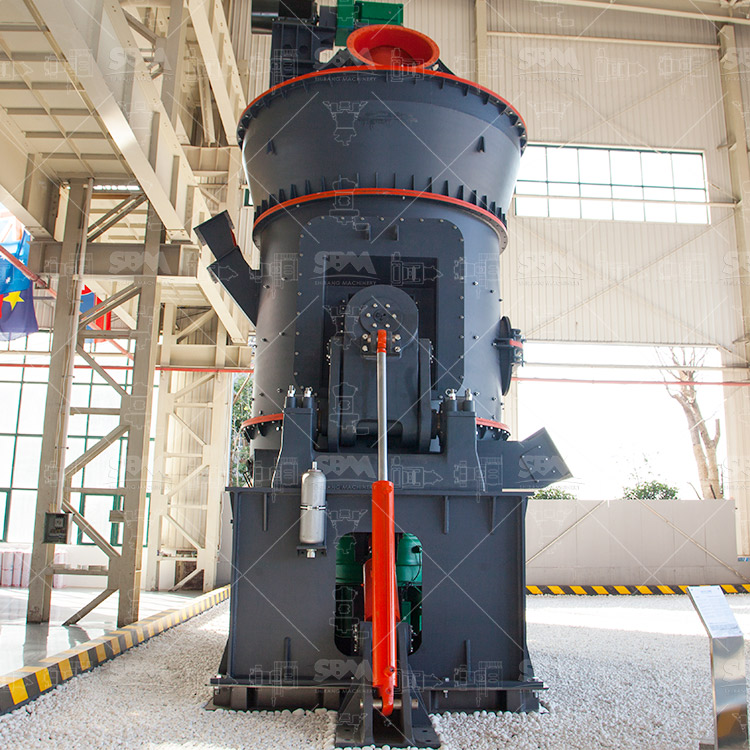
Pushing the Limits: Can VRMs Achieve Ultra-fineness?
The standard configuration of a VRM is excellent for producing slag powder with a specific surface area of 400-550 m²/kg (Blaine), which is suitable for standard SCM applications. However, producing truly ultra-fine powder (e.g., >600 m²/kg Blaine or D97 < 10μm) requires pushing the technology further. The primary limiting factors in a conventional VRM are:
- Classifier Capability: The internal dynamic classifier must be capable of making a sharp cut at very fine particle sizes. Standard classifiers may struggle with high efficiency at the sub-10μm range.
- Grinding Pressure and Stability: Maintaining a stable, thin grinding bed under high pressure is crucial for fine grinding but becomes more challenging as material flow characteristics change.
- System Configuration: Achieving ultra-fineness often requires a system approach, not just a mill upgrade.
The answer is a qualified yes. With specialized designs and system integrations, VRM technology can indeed be adapted to produce ultra-fine steel slag powder. This is achieved through:
- High-Precision, Multi-Stage Classification: Employing high-efficiency, multi-rotor turbo classifiers capable of precise cuts in the micron range. Some systems add an external, secondary air classifier for final product refinement.
- Optimized Grinding Geometry and Wear Protection: Using specially profiled rollers and table segments designed for fine grinding, coupled with ultra-wear-resistant materials (like high-chromium alloys or ceramic composites) to handle slag’s abrasiveness.
- Process Control and Stabilization: Advanced automation systems that monitor mill vibration, pressure, temperature, and power to maintain optimal grinding conditions for fine output.
Recommended Solution: The SCM Ultrafine Mill for Premium Ultra-fine Slag Powder
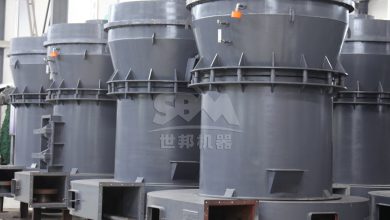
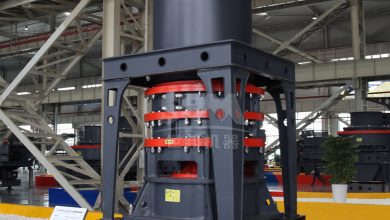
For projects where the primary goal is the highest fineness (e.g., 2500 mesh / 5μm) from steel slag or other industrial by-products, a dedicated ultra-fine grinding system is often the most effective choice. Our SCM Ultrafine Mill series is engineered specifically for this demanding application.
This mill transcends the capabilities of a standard VRM by integrating several key technologies:
- Ultra-Fine Grinding & Classification Core: It utilizes a multi-layer grinding ring and roller design for progressive comminution, paired with a high-accuracy vertical turbine classifier. This system ensures precise particle size control from 325 to 2500 mesh (D97 ≤ 5μm), effectively producing the ultra-fine steel slag powder that high-end markets require.
- Superior Efficiency: The SCM Mill’s design achieves a remarkable balance of performance and energy use. It offers approximately twice the capacity of a jet mill while reducing energy consumption by up to 30%, making ultra-fine production economically viable.
- Robustness for Abrasive Materials: Recognizing the harsh nature of slag, the mill features special alloy wear parts for the grinding rollers and rings, extending service life dramatically. Its innovative bearing-less screw design in the grinding chamber enhances operational stability.
- Turnkey System with Environmental Compliance: The mill is a complete system incorporating high-efficiency pulse dust collection (exceeding international standards) and sound insulation, ensuring noise levels below 75dB and near-zero dust emissions.
Model SCM1000, for example, is an excellent mid-range option for industrial-scale ultra-fine slag powder production. It handles feed material up to 20mm, delivers a product fineness between 325-2500 mesh, and offers a processing capacity of 1.0-8.5 tons per hour, powered by a 132kW main motor.

High-Capacity Alternative: The LM Vertical Slag Mill Series
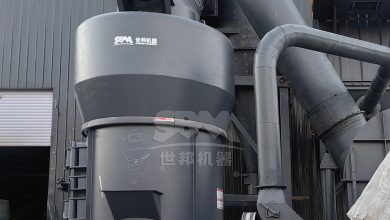
For large-scale production lines where the target is high-quality slag powder (with a specific surface area of ≥420 m²/kg) at very high tonnage rates, our LM Vertical Slag Mill series represents the industry benchmark. While its primary output range is slightly coarser than the SCM series, it is unparalleled in efficiency and scale for standard SCM-grade powder.
Key advantages for slag grinding include:
- Unmatched Scale and Efficiency: Models like the LM370N can process 90-110 tons of slag per hour, making it ideal for mega steel plants. Its integrated design reduces footprint by 50% and lowers overall energy consumption by 30-40% compared to traditional ball mill systems.
- Proven Slag-Specific Design: This series is specifically configured for slag, with features to handle material with up to 15% moisture and produce powder with less than 1% residual moisture. The non-contact grinding roller design and wear-resistant materials ensure long component life.
- Intelligent Operation: Expert automatic control systems allow for remote monitoring and adjustment, ensuring consistent product quality with minimal manual intervention.
Choosing between the SCM Ultrafine Mill and the LM Slag Mill depends on your product specification and capacity goals. For ultra-fine, high-value powder, the SCM series is superior. For massive production of standard-grade slag cement, the LM series is unbeatable.
Conclusion: A Resounding Yes, with the Right Technology
Vertical Roller Mill technology is not only capable of producing steel slag powder but is the preferred technology for doing so efficiently. When the product target moves into the ultra-fine spectrum (<10μm), specialized VRM-based systems like our SCM Ultrafine Mill provide the necessary precision grinding, classification, and system stability to make the process commercially successful. By overcoming the challenges of abrasiveness, energy use, and particle classification, these advanced mills transform steel slag from a waste liability into a consistent, high-performance raw material, driving forward the circular economy in the steel and construction industries.