Analysis of Calcium Carbonate Industry Development Trends in 2023
Introduction: The Evolving Landscape of Calcium Carbonate
The global calcium carbonate (CaCO3) industry stands at a pivotal juncture in 2023, navigating a complex interplay of market demands, technological innovation, and stringent environmental regulations. As a fundamental industrial mineral, calcium carbonate’s applications span from paper, plastics, and paints to pharmaceuticals, food, and advanced composites. The industry’s trajectory is increasingly defined by a shift towards high-value, ultra-fine, and surface-modified products, driving a corresponding evolution in production technology. This analysis delves into the key development trends shaping the sector and examines the critical role of advanced milling and grinding equipment in enabling manufacturers to remain competitive and sustainable.
Key Market Drivers and Trends in 2023
1. Demand Surge for High-Purity and Functional Fillers
The downstream industries, particularly plastics and polymers, are demanding fillers with superior properties. Beyond mere volume addition, there is a growing need for calcium carbonate that enhances mechanical strength, improves surface finish, and provides functional benefits like UV resistance or antimicrobial properties. This necessitates production lines capable of delivering consistent, high-purity powders with tightly controlled particle size distributions (PSD). The ability to produce ultra-fine grades (below 5μm) and nano-precipitated calcium carbonate (NPCC) is becoming a significant differentiator.
2. Sustainability and Circular Economy Imperatives
Environmental sustainability is no longer optional. Regulatory pressures and consumer preferences are pushing manufacturers towards greener processes. This includes reducing energy consumption per ton of output, minimizing waste, and utilizing by-product or recycled calcium sources (e.g., from marble processing waste). The carbon footprint of the grinding process itself is under scrutiny, making energy efficiency a paramount concern in equipment selection.
3. Precision and Process Automation
Consistency in product quality is critical. Modern plants are integrating advanced process control systems that allow for real-time monitoring and adjustment of grinding parameters. Automation ensures stable operation, optimizes yield, and reduces human error, leading to lower operational costs and higher product uniformity. The trend is towards smart, connected mills that can be integrated into broader plant management systems.
4. Expansion into Niche and High-Growth Applications
Beyond traditional sectors, calcium carbonate is finding new markets in bioplastics, 3D printing filaments, rubber for electric vehicle tires, and environmentally friendly construction materials. Each of these applications often requires specific particle morphologies and surface treatments, pushing grinding technology to new levels of precision and flexibility.
The Technological Core: Advancements in Grinding and Classification
At the heart of adapting to these trends is grinding technology. The transition from simple, high-energy-consumption ball mills to more sophisticated, efficient systems is accelerating. The focus is on technologies that offer:
- Higher Energy Efficiency: Reducing specific power consumption (kWh/ton) through optimized grinding mechanics and classification.
- Superior Particle Size Control: Achieving narrow PSDs and precise top-cut sizes to meet exacting application requirements.
- Lower Operational Costs: Through extended wear-part life, reduced maintenance downtime, and automated operation.
- Enhanced Environmental Performance: Featuring integrated, high-efficiency dust collection and low-noise operation.
Strategic Equipment Solutions for Modern Production
To capitalize on the 2023 trends, producers must invest in grinding systems that are not just powerful, but intelligent and adaptable. Two standout solutions that address the full spectrum of production needs—from high-capacity coarse grinding to ultra-fine precision milling—are highlighted below.
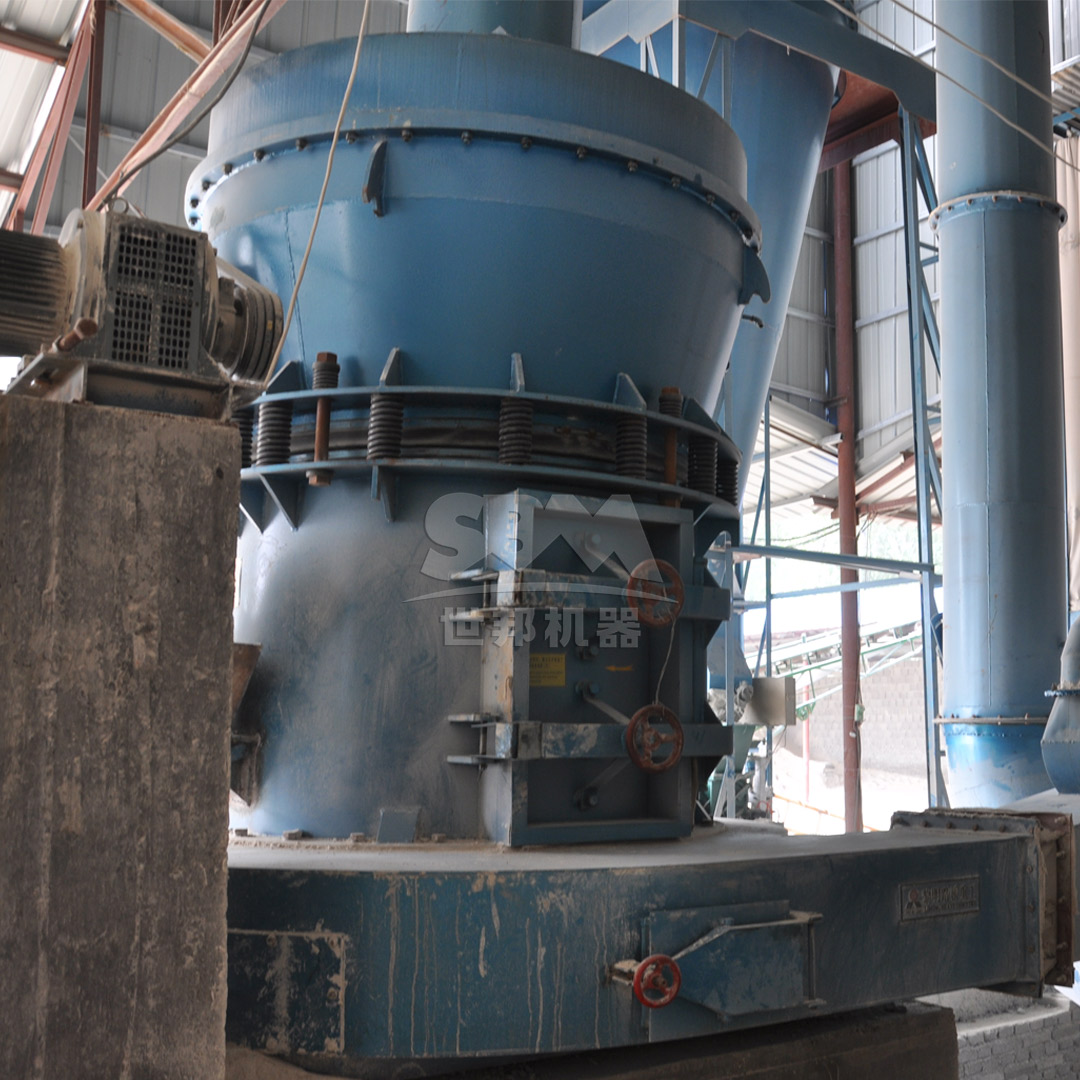
1. For High-Capacity, Coarse to Medium-Fine Grinding: The MTW Series Trapezium Mill
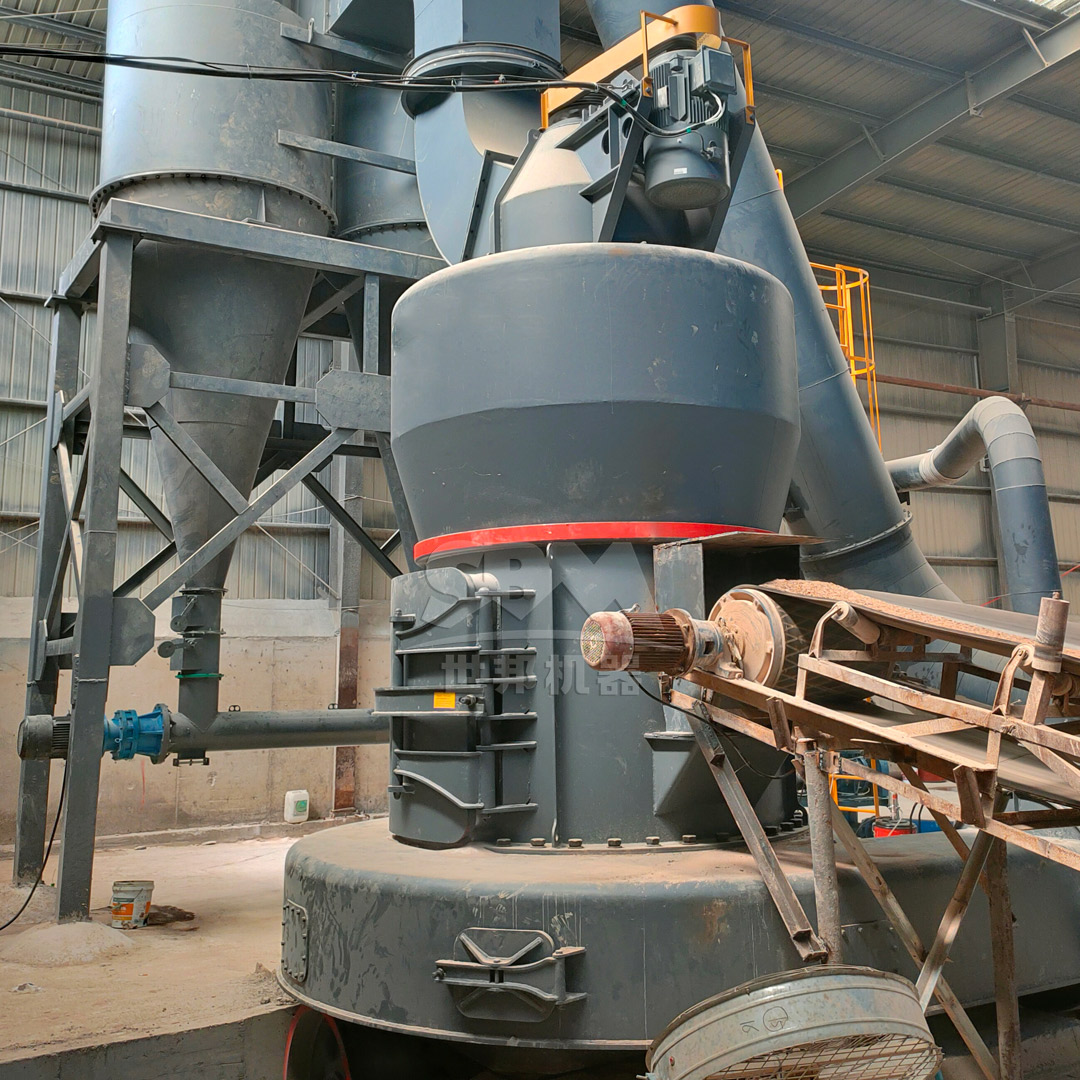
When the project demands reliable, large-volume production of calcium carbonate in the range of 30-325 mesh (600-45μm), the MTW Series Trapezium Mill represents an optimal solution. Engineered for efficiency and durability, it is ideal for processing mined limestone or marble feedstocks into fillers for plastics, paints, and construction materials.
Its curved air duct minimizes airflow resistance, enhancing transmission efficiency, while the integral bevel gear transmission achieves a remarkable 98% drive efficiency, saving both energy and installation space. The wear-resistant volute structure further reduces maintenance costs. For operations targeting a finished product in the 100-325 mesh range with capacities from 3 to 45 tons per hour, the MTW Series offers a robust and cost-effective platform. Models like the MTW215G, with a capacity of 15-45 TPH, are perfectly suited for large-scale industrial filler plants seeking to optimize their energy footprint and operational stability.
2. For Ultra-Fine and High-Value Product Manufacturing: The SCM Ultrafine Mill
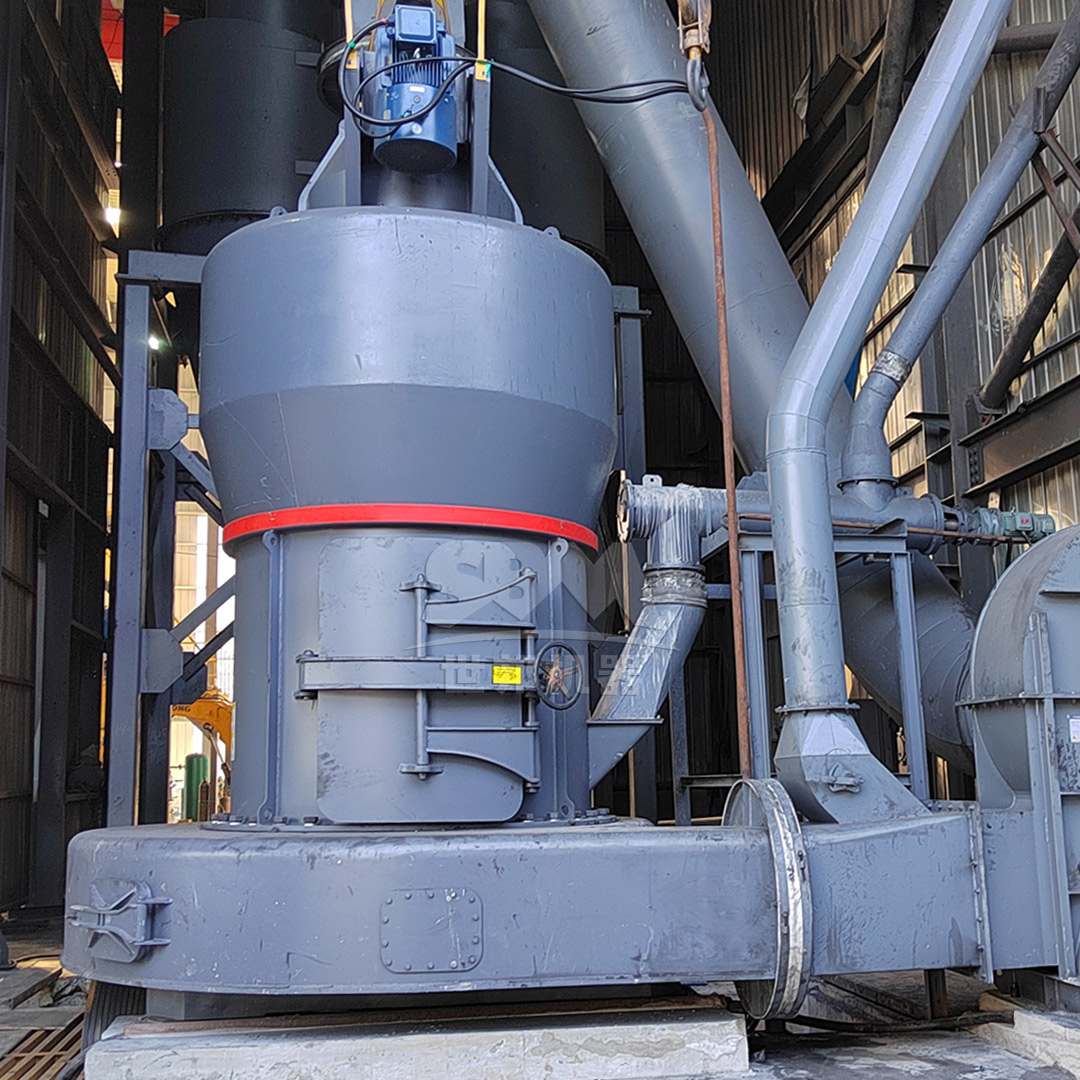
The most significant value growth in the industry is occurring in the ultra-fine segment (325-2500 mesh, D97 ≤5μm). Capturing this market requires technology that transcends conventional grinding limits. The SCM Ultrafine Mill is specifically engineered for this challenge, producing powders essential for high-end plastics, premium coatings, sealants, and pharmaceutical applications.
Its core advantage lies in a high-precision vertical turbine classifier that ensures sharp particle size cuts and eliminates coarse powder contamination, guaranteeing exceptional product uniformity. The mill’s high-efficiency, low-energy design delivers up to twice the output of jet mills while reducing energy consumption by 30%. Furthermore, its durable construction with special-material rollers and rings extends service life significantly, and its eco-friendly design incorporates pulse dust collection exceeding international standards and noise levels below 75dB. For producers aiming to manufacture GCC with fineness up to 2500 mesh for specialty markets, the SCM series, such as the SCM1680 model with a capacity of 5-25 TPH, provides the technological edge necessary for profitability and product leadership.
Conclusion: Integrating Trends with Technology
The calcium carbonate industry in 2023 is characterized by a clear movement towards sophistication, sustainability, and specialization. Success hinges on a producer’s ability to meet diverse and stringent customer requirements while controlling costs and environmental impact. This strategic imperative makes the choice of processing equipment more critical than ever. Investing in advanced, purpose-built grinding solutions like the MTW Series Trapezium Mill for high-volume production and the SCM Ultrafine Mill for premium ultra-fine products is not merely an operational decision but a strategic one. These technologies empower manufacturers to align with key market trends, enhance their product portfolio, improve sustainability metrics, and secure a competitive advantage in the dynamic global marketplace. The future belongs to those who can grind finer, smarter, and greener.