
Process Principle of Electrolytic Aluminum Carbon Slag Treatment and Regenerated Cryolite Powder Production Line
Introduction
The electrolytic aluminum industry generates significant quantities of solid waste, primarily spent carbon slag (also known as spent pot lining or SPL). This material, rich in carbon, fluorides (primarily cryolite, Na3AlF6), and other aluminum salts, poses severe environmental and disposal challenges due to its toxicity and leachability. However, it also represents a valuable secondary resource. A well-designed treatment and regeneration production line can efficiently recover high-purity cryolite powder and carbonaceous materials, turning waste into profit while ensuring environmental compliance. This article details the core process principles and highlights the critical role of advanced grinding equipment, such as our SCM Ultrafine Mill and LM Series Vertical Roller Mill, in achieving optimal product quality and operational efficiency.
1. Composition and Characteristics of Electrolytic Aluminum Carbon Slag
Spent carbon slag is a complex heterogeneous material. The first cut (cathode) typically contains 30-60% carbon (graphitic and amorphous), 15-35% fluorides (cryolite, chiolite, aluminum fluoride), 5-15% alumina, and traces of cyanides and other impurities. The second cut (refractory) contains higher levels of alumina and silicon compounds. The primary treatment objective is the separation and purification of the fluoride components, especially cryolite, for reuse in the aluminum reduction process.
2. Overall Process Flow for Carbon Slag Treatment and Cryolite Regeneration
A modern production line follows a systematic sequence of pre-treatment, separation, purification, and finishing. The key stages are:
2.1. Primary Crushing and Pre-sorting
Bulk SPL is first reduced in size using robust crushers (e.g., Jaw Crushers, Hammer Mills) to a manageable particle size (typically below 50mm). Magnetic separation may be employed to remove ferrous metals. This step prepares the material for efficient downstream processing.
2.2. Thermal Treatment (Calcination/Roasting)
The crushed slag undergoes thermal processing in a rotary kiln or fluidized bed reactor at controlled temperatures (typically 500-700°C). This serves multiple purposes: it destroys organic cyanides, removes moisture, and can help liberate the fluoride salts from the carbon matrix, making them more amenable to subsequent leaching. The off-gases require sophisticated scrubbing systems to capture fluorides and other pollutants.
2.3. Leaching and Solid-Liquid Separation
The calcined material is subjected to a leaching process, often using an alkaline solution (e.g., sodium hydroxide or carbonate) or water under specific conditions of temperature and agitation. This step dissolves the soluble fluoride salts, primarily cryolite and sodium fluoride, separating them from the insoluble carbon and other solid residues. The resulting slurry is then fed into thickeners and filter presses to separate the fluoride-rich leachate from the carbon residue. The carbon cake, after further treatment, can be used as a fuel or reductant.
2.4. Crystallization and Purification
The clarified leachate is transferred to crystallization reactors. By carefully controlling parameters such as temperature, pH, and concentration, high-purity cryolite (Na3AlF6) is precipitated out of the solution. This step is crucial for product quality. The mother liquor is recycled to the leaching stage to maximize fluoride recovery. Further purification steps, such as re-crystallization or washing, may be applied to achieve the required chemical specifications for metallurgical-grade cryolite.
2.5. Drying and Ultrafine Grinding of Regenerated Cryolite Powder
The wet cryolite crystals from the crystallizer are centrifuged or filtered and then dried in a rotary or flash dryer to reduce moisture content to a very low level (<0.5%). The dried cryolite often forms agglomerates and must be ground to a specific, consistently fine powder to ensure rapid dissolution and homogeneous distribution in the aluminum reduction cell bath. The fineness requirement is typically in the range of 200 to 1250 mesh (D97 ≤ 45μm to 10μm). This is the most critical step for determining the final product’s market value and performance.
3. The Critical Role of Grinding Technology in Cryolite Powder Production
The efficiency and quality of the grinding stage directly impact the economic viability of the entire regeneration line. The ideal mill must handle moderately abrasive materials, produce a tightly controlled particle size distribution (PSD), offer high energy efficiency, and operate with minimal dust emission.
3.1. Key Requirements for Cryolite Grinding
- Precise Particle Size Control: A narrow PSD ensures predictable melting behavior in the pot.
- High Throughput with Low Energy Consumption: Large-scale operations demand mills with high capacity per unit of energy input.
- Wear Resistance: Cryolite and potential residual impurities can be abrasive, requiring durable grinding components.
- System Integration and Clean Operation: A closed, negative-pressure system is essential to prevent fluoride dust loss, protecting both product yield and the workplace environment.
3.2. Recommended Grinding Solutions
Based on the specific needs of cryolite powder finishing, we recommend two of our flagship products, each excelling in different capacity and fineness ranges.
3.2.1. For High-Capacity, Coarse to Medium-Fine Grinding: LM Series Vertical Roller Mill
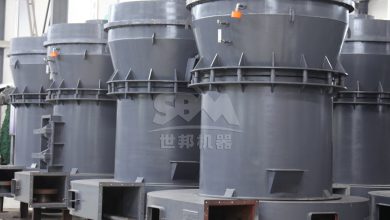
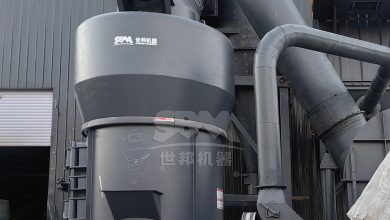
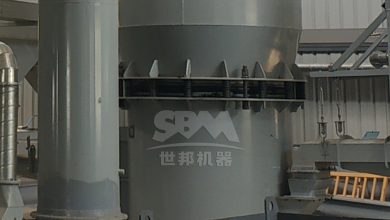
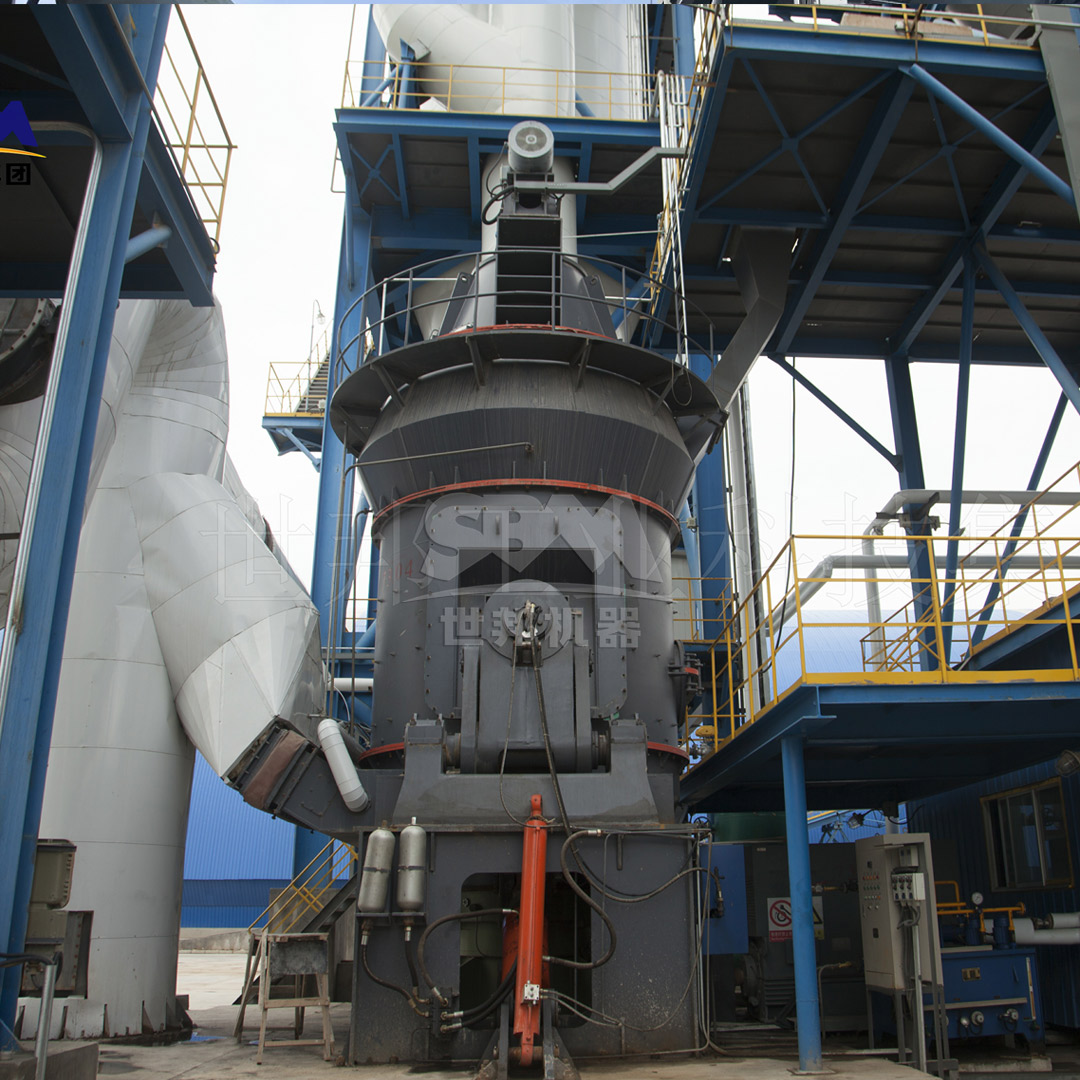
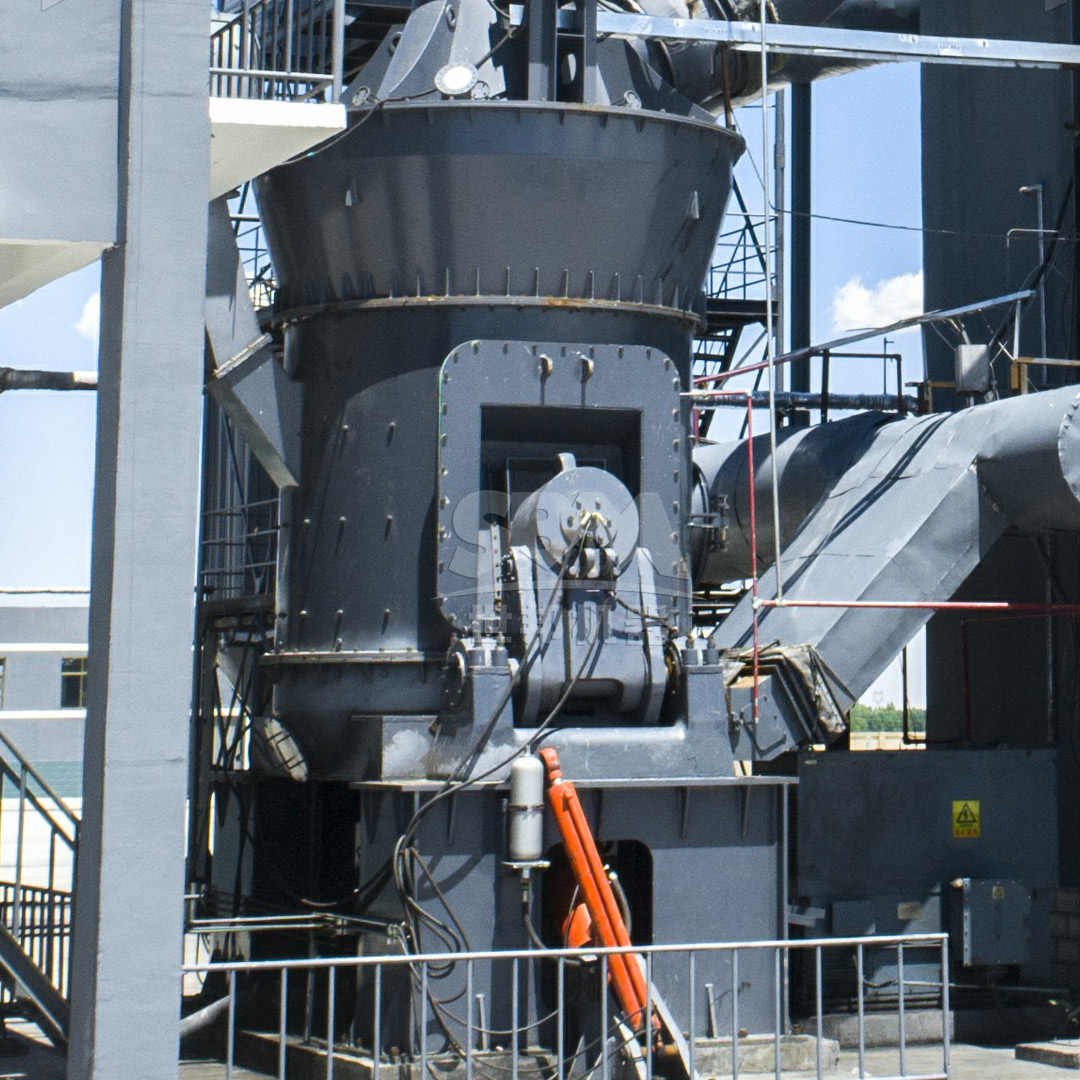
For production lines with large throughput requirements (e.g., 10-100 tons per hour) targeting a final product in the 30-325 mesh (600-45μm) range, the LM Series Vertical Roller Mill is the optimal choice. Its集约化设计 integrates crushing, grinding, drying, and classifying into a single unit, significantly reducing footprint and auxiliary equipment costs. The principle of material bed grinding between rollers and a rotating table is exceptionally energy-efficient, consuming 30-40% less power than traditional ball mill systems. The磨辊与磨盘非接触设计 and use of special alloy wear parts dramatically extend service life, lowering operating costs. Its智能控制系统 allows for stable, automated operation and real-time PSD adjustment. For a typical cryolite line, models like the LM190K (23-68 t/h) or LM220K (36-105 t/h) would be highly suitable, providing robust and economical grinding performance.
3.2.2. For Premium Ultrafine Powder Production: SCM Ultrafine Mill
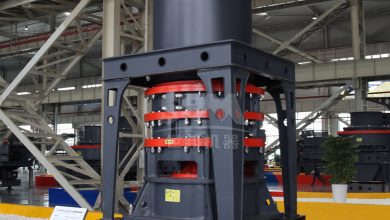
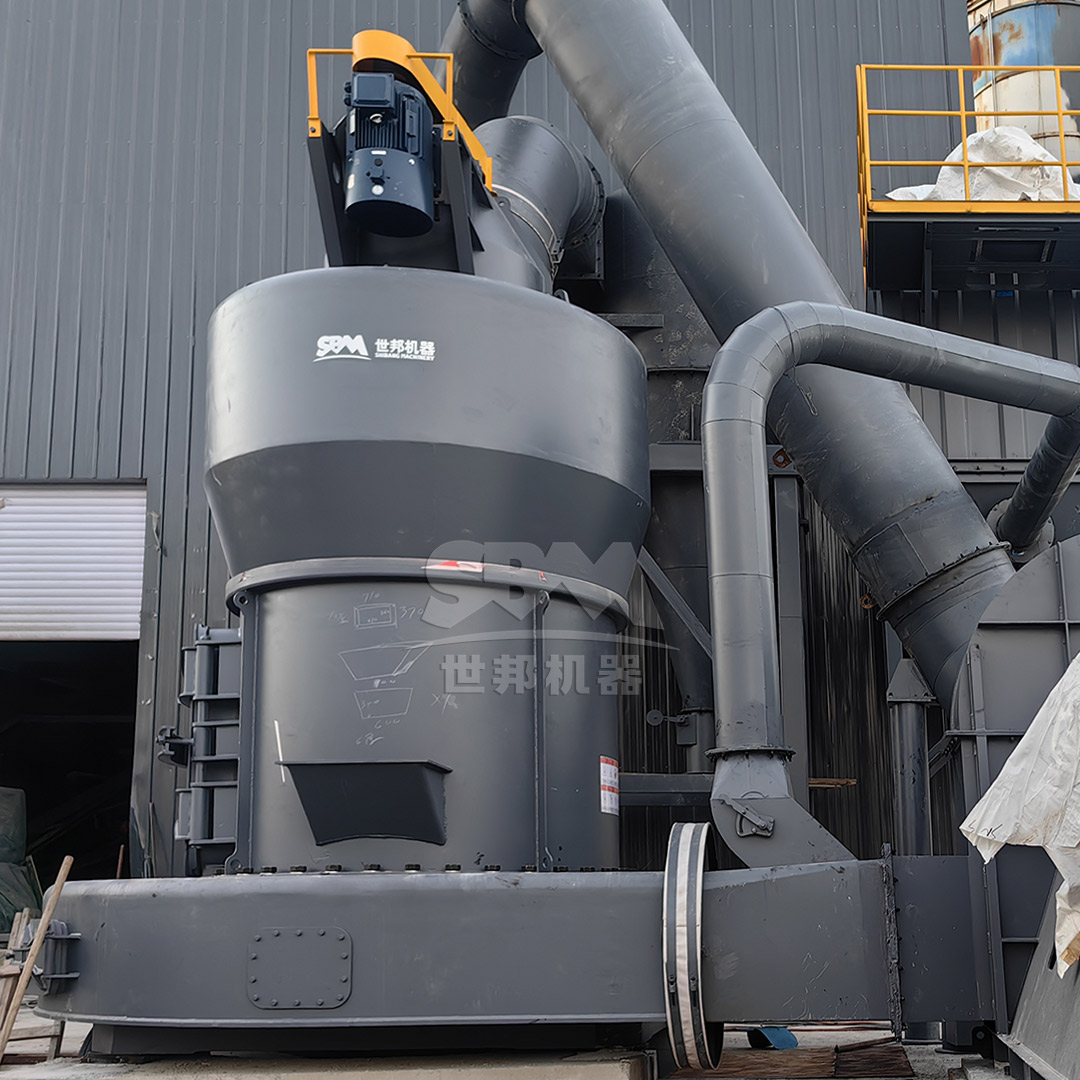
To produce high-value, superfine cryolite powders in the range of 325-2500 mesh (45-5μm), the SCM Ultrafine Mill is the industry-leading solution. This mill is engineered for precision. Its vertical turbine classifier enables extremely sharp particle size cuts, ensuring a uniform product with no coarse grit contamination – a critical factor for bath chemistry consistency. The grinding mechanism, featuring multiple grinding rings and rollers, achieves remarkable efficiency, offering twice the output of jet mills while reducing energy consumption by 30%. Its全密封脉冲除尘系统 guarantees an operating environment with dust emissions surpassing international standards. For final-stage cryolite polishing, models such as the SCM1000 (1.0-8.5 t/h) or SCM1250 (2.5-14 t/h) provide the perfect balance of fine-grinding capability, reliability, and energy savings, transforming dried cryolite into a premium product.
4. Economic and Environmental Benefits
Implementing a comprehensive carbon slag treatment and cryolite regeneration line delivers substantial benefits:
- Resource Conservation: Recovers valuable fluoride and carbon, reducing the need for primary cryolite production.
- Cost Reduction: Regenerated cryolite is significantly cheaper than virgin material, lowering smelting costs.
- Waste Elimination: Diverts hazardous waste from landfills, eliminating long-term liability and environmental contamination risks.
- Regulatory Compliance: Meets increasingly stringent global regulations on industrial waste disposal and emissions.
The selection of high-performance, energy-efficient grinding equipment, as highlighted above, is a direct contributor to maximizing these benefits by optimizing product quality and minimizing operational expenses.
5. Conclusion
The treatment of electrolytic aluminum carbon slag for regenerated cryolite powder is a sophisticated but highly rewarding process that aligns circular economy principles with industrial profitability. The success of such a production line hinges on a deep understanding of the material characteristics and the selection of appropriate technology for each stage. In the final finishing step, advanced grinding mills are not just auxiliary equipment but core components that define product specification and economic return. Our LM Series Vertical Roller Mill and SCM Ultrafine Mill offer proven, reliable, and efficient solutions tailored to the diverse needs of this industry, enabling producers to transform a challenging waste stream into a consistent, high-quality raw material.