Market Prospects and Trends for Comprehensive Utilization of Solid Waste Resources
1. Introduction: The Imperative for Solid Waste Valorization
The global generation of solid waste continues to rise, driven by industrialization, urbanization, and population growth. Traditional disposal methods like landfilling and incineration are increasingly untenable due to environmental concerns, land scarcity, and regulatory pressures. Consequently, the comprehensive utilization of solid waste resources has evolved from a niche concept into a central pillar of the circular economy and sustainable development strategies. This paradigm shift views waste not as an endpoint but as a valuable secondary resource for materials, energy, and chemicals. The market for technologies enabling this transformation is experiencing robust growth, fueled by policy incentives, corporate sustainability goals, and technological innovation.
2. Key Market Drivers and Trends
2.1 Regulatory and Policy Landscape
Governments worldwide are implementing stringent regulations to promote waste reduction, recycling, and recovery. Policies such as Extended Producer Responsibility (EPR), landfill taxes, and mandatory recycling targets are creating a powerful economic impetus for industries to invest in waste processing technologies. Furthermore, national and regional strategies, like the European Green Deal and China’s “Zero-Waste Cities” initiative, set ambitious targets for resource efficiency, directly stimulating demand for advanced solid waste treatment and valorization equipment.
2.2 Economic Viability and Resource Security
The volatility of virgin material prices and supply chain disruptions have highlighted the strategic importance of securing secondary raw materials. Recovering metals, minerals, and high-value components from industrial slag, construction & demolition waste, and tailings can significantly reduce production costs and supply risks. Advanced processing technologies that can efficiently liberate and refine these materials are therefore in high demand, turning waste streams into profitable revenue centers.
2.3 Technological Advancements
The core of solid waste utilization lies in size reduction, separation, and refinement. Modern trends point towards:
- Ultra-Fine Grinding: Increasing the surface area of waste materials (e.g., fly ash, slag, waste glass) is crucial for their reactivity and value addition in applications like supplementary cementitious materials, fillers, and advanced composites. This demands grinding equipment capable of producing consistent, micron and sub-micron level powders.
- Intelligent and Integrated Systems: Automation, IoT sensors, and AI-driven process control are becoming standard, optimizing energy consumption, product quality, and operational reliability in waste processing plants.
- Modular and Flexible Designs: Equipment that can handle varied feedstocks and adjust product specifications allows processors to adapt to changing waste compositions and market demands.
3. Critical Processing Stage: The Role of Size Reduction and Classification
Mechanical processing, particularly grinding and classification, is a fundamental step in unlocking the value of most solid wastes. The efficiency, fineness, and particle size distribution of the ground product directly determine its downstream application potential and market value.
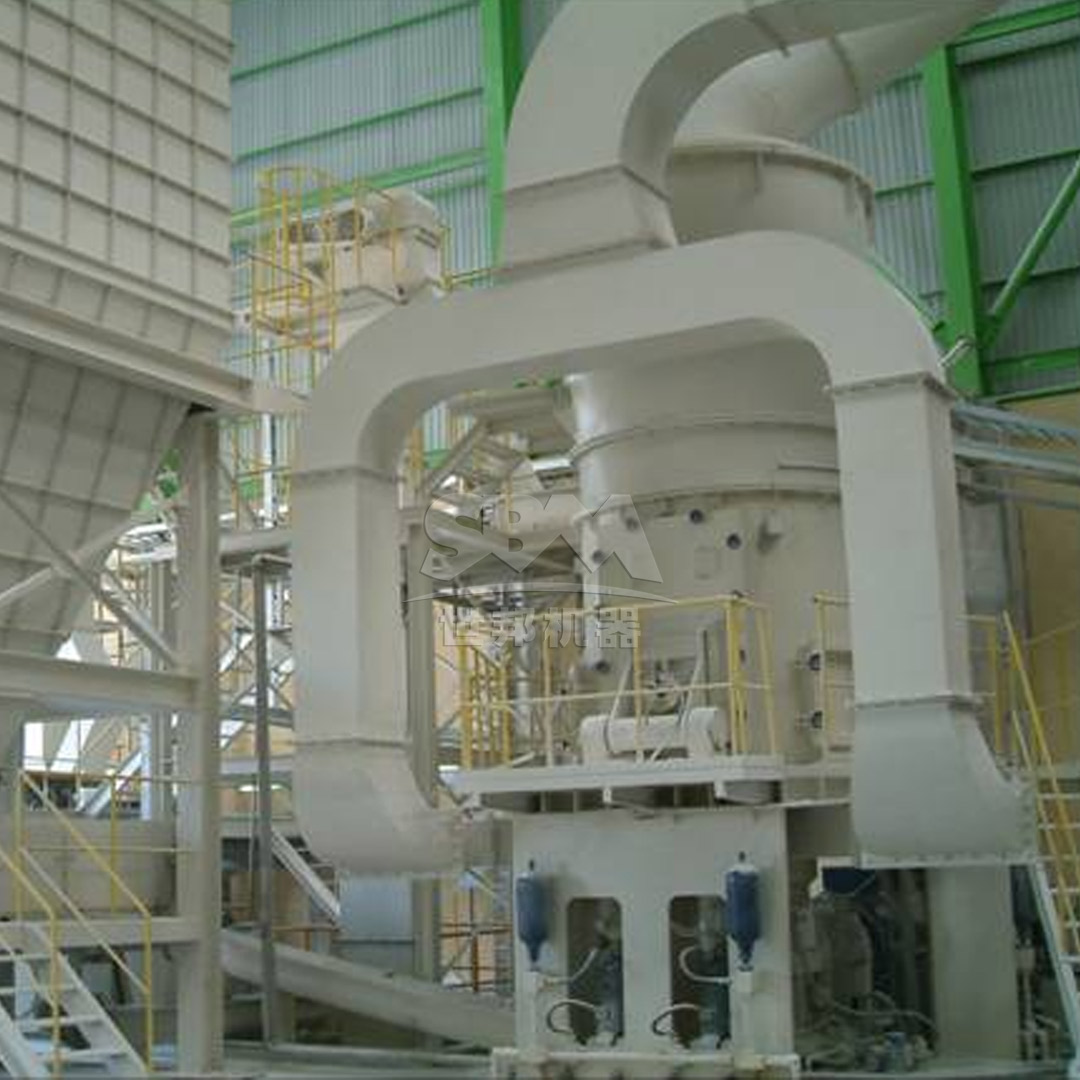
For instance, metallurgical slag must be ground to a specific fineness (often with a high Blaine surface area) to effectively replace Portland cement. Similarly, waste ceramics or minerals destined for use as functional fillers in plastics or coatings require ultra-fine, narrowly distributed particle sizes. The choice of grinding technology is therefore paramount, balancing throughput, energy efficiency, product quality, and operational costs.
4. Technology Spotlight: Enabling Efficient Valorization
Meeting the diverse and demanding requirements of solid waste grinding necessitates specialized equipment. Two product lines stand out for their relevance to this market:
4.1 For High-Capacity, Coarse to Medium-Fine Grinding: The MTW Series Trapezium Mill
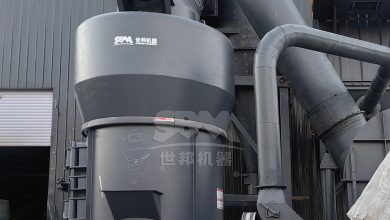
When processing large volumes of construction waste, certain industrial slags, or pre-crushed minerals to medium fineness (30-325 mesh), efficiency and durability are key. The MTW Series Trapezium Mill is engineered for such demanding applications. Its innovative design features a curved air duct that minimizes flow resistance and a conical gear overall transmission system with 98% efficiency, significantly reducing energy loss. The wear-resistant volute structure and combined shovel blades lower long-term maintenance costs. With a feed size of up to 50mm and capacities ranging from 3 to 45 tons per hour, the MTW mill is an ideal workhorse for the initial or intermediate grinding stages in a comprehensive solid waste processing plant, preparing materials for further refinement or direct application.
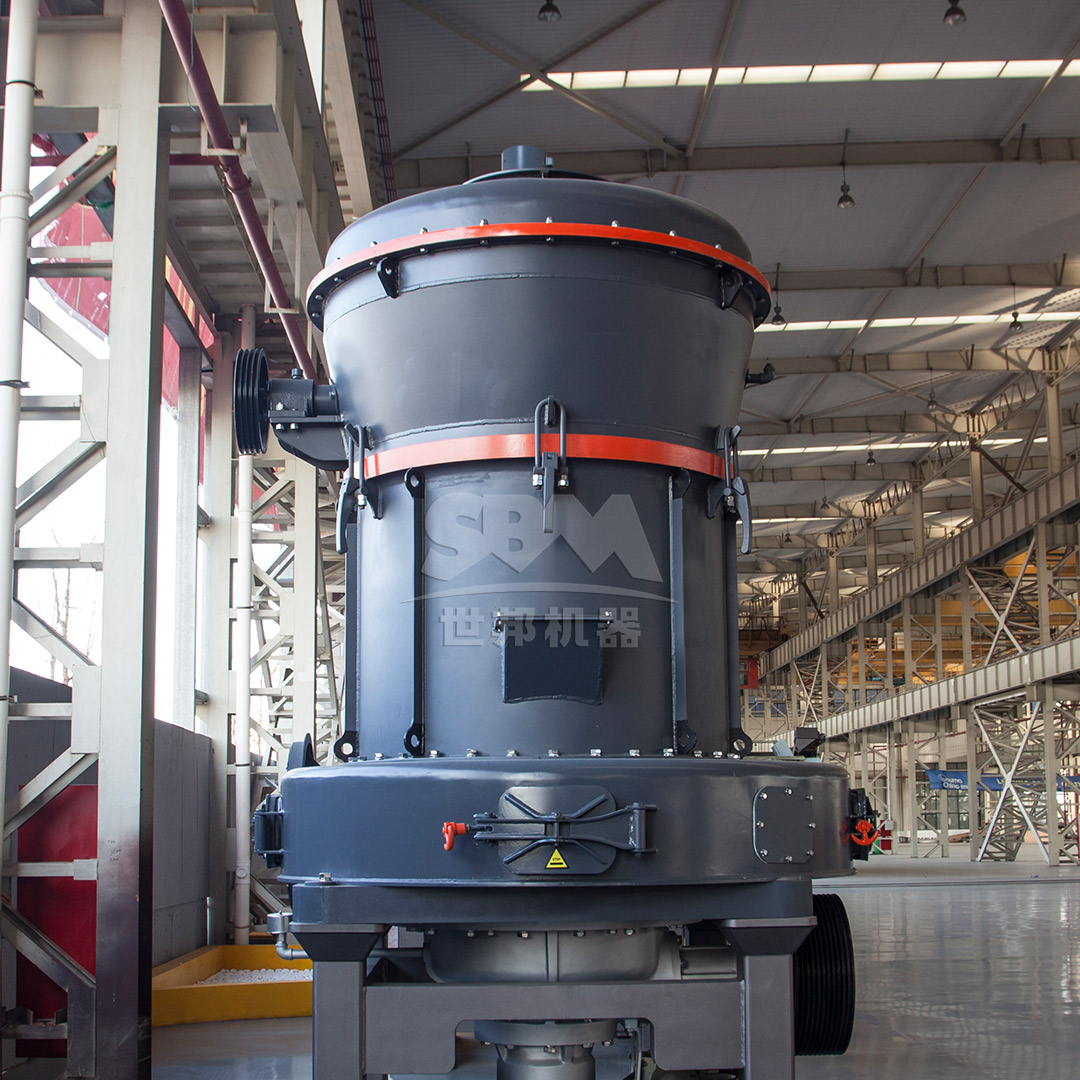
4.2 For Premium, Ultra-Fine Products: The SCM Ultrafine Mill
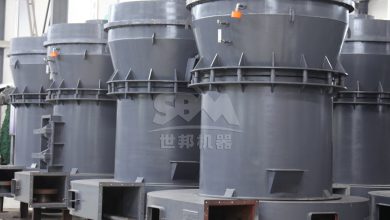
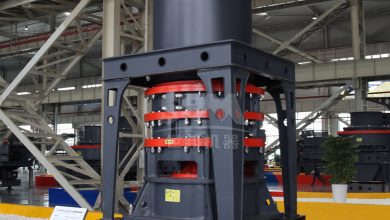
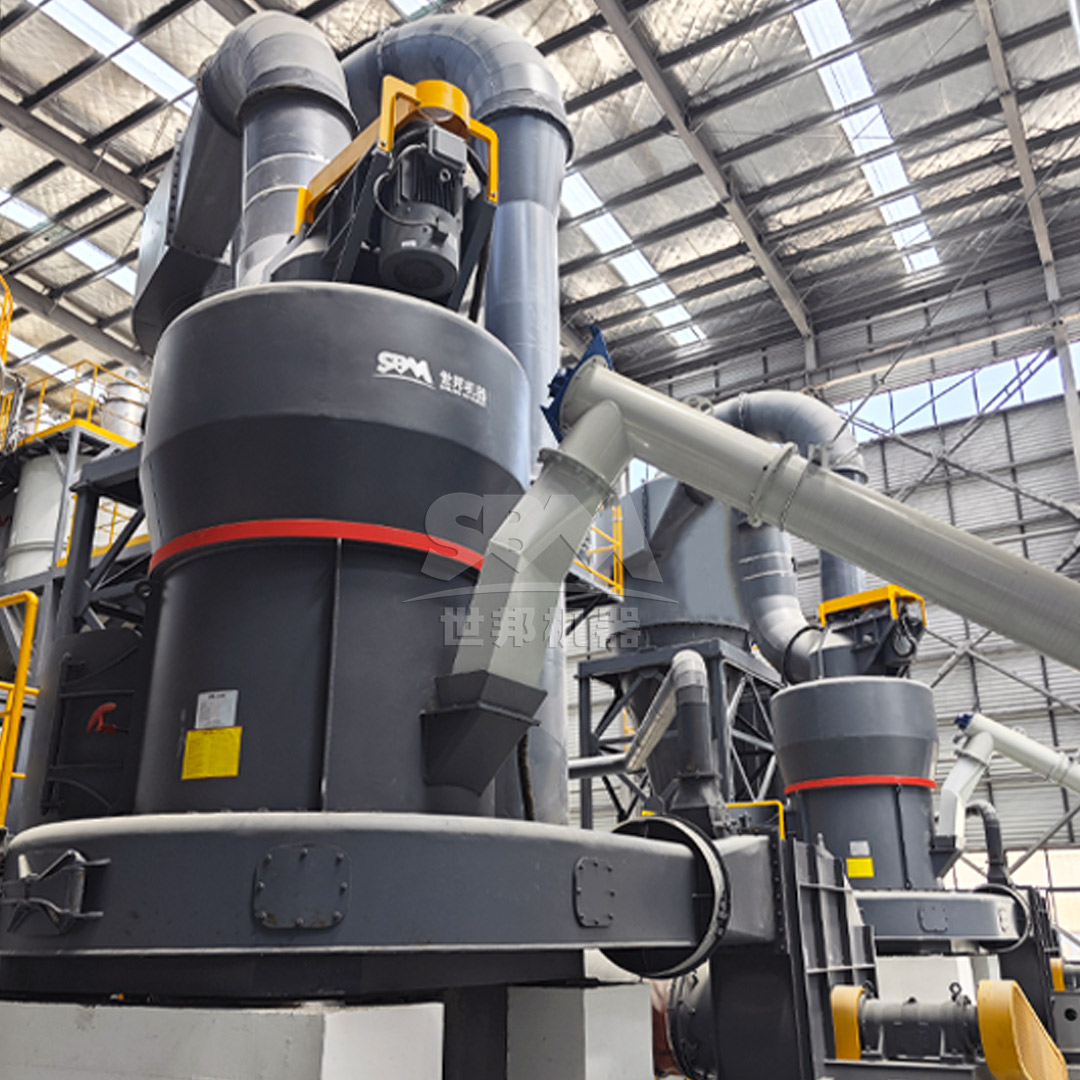
The highest-value applications in solid waste utilization often require ultra-fine powders. Transforming materials like high-purity silica from waste glass, refined minerals from tailings, or activated powders from fly ash into products with fineness up to 2500 mesh (D97 ≤ 5μm) demands precision technology. The SCM Ultrafine Mill is specifically designed for this purpose. Its core advantage lies in the high-precision vertical turbine classifier, which ensures sharp particle size cuts and a uniform product without coarse grain contamination. This is critical for applications in advanced ceramics, high-performance concrete, or specialty chemicals. Furthermore, its energy-efficient design offers twice the output of jet mills while reducing energy consumption by 30%. The robust construction, featuring special material rollers and rings, ensures stable operation when processing abrasive waste streams. For operations aiming to produce high-value, ultra-fine powders from solid waste, the SCM series, with models from SCM800 to SCM1680 offering 0.5 to 25 ton/h capacity, provides a reliable and economical solution.
5. Application Areas and Future Outlook
The processed outputs from advanced grinding systems find markets across multiple industries:
- Construction: Ground granulated blast-furnace slag (GGBS), fly ash, and recycled concrete powder as cement substitutes.
- Materials Manufacturing: Fine and ultra-fine fillers from waste glass, ceramics, or plastics for composites, paints, and adhesives.
- Agriculture: Mineral powders from specific wastes used as soil conditioners or slow-release fertilizer carriers.
- Energy: Fine grinding of biomass or waste-derived fuels for improved combustion efficiency.
The future of the solid waste utilization market is inextricably linked to technological innovation. We anticipate increased integration of grinding systems with advanced sorting (e.g., AI-based optical sorting) and purification technologies. Furthermore, the demand for carbon-negative processes will drive the adoption of equipment that facilitates the use of waste materials in carbon capture and storage applications (e.g., mineral carbonation).
6. Conclusion
The market for comprehensive solid waste utilization is on a strong growth trajectory, propelled by environmental necessity, economic opportunity, and technological capability. Success in this field hinges on selecting the right processing technologies to transform heterogeneous, often challenging waste streams into consistent, high-quality secondary resources. Precision grinding and classification equipment, such as the versatile MTW Series for high-throughput processing and the specialized SCM Ultrafine Mill for premium powder production, are critical enablers in this value chain. As regulations tighten and the circular economy matures, investing in such advanced, efficient, and reliable technologies will be a key differentiator for companies seeking to turn waste management from a cost center into a core competitive advantage.