What Equipment is Used for Coke Processing? A Detailed Guide to Coke Production Process
Introduction to Coke Production
Coke, a crucial carbonaceous material derived from the destructive distillation of low-ash, low-sulfur bituminous coal, is a cornerstone of modern metallurgy, particularly in blast furnace ironmaking. Its production is a complex, multi-stage process that transforms raw coal into a porous, strong, and carbon-rich fuel. The efficiency and quality of the final coke product are heavily dependent on the sophisticated equipment employed throughout the production chain. This guide provides a comprehensive overview of the key machinery involved in coke processing and details the standard production workflow.
Core Equipment in Coke Production
The journey from coal to coke involves several critical pieces of equipment, each designed for a specific stage of processing.
1. Coal Preparation and Grinding Equipment
Before carbonization, coal must be prepared and often blended to achieve a consistent quality. Grinding is a vital step to ensure proper coal particle size, which influences the density and strength of the resulting coke charge.
- Hammer Mills/Crushers: Used for initial size reduction of raw coal. For fine crushing requirements down to 0-3mm, hammer mills offer high capacity and a compact design. Their optimized crushing chamber and high-manganese steel wear plates ensure stable operation and longevity.
- Grinding Mills: For achieving the precise fineness needed for coal blending or for pulverized coal injection (PCI) systems, various grinding mills are employed. The required fineness dictates the choice of equipment.
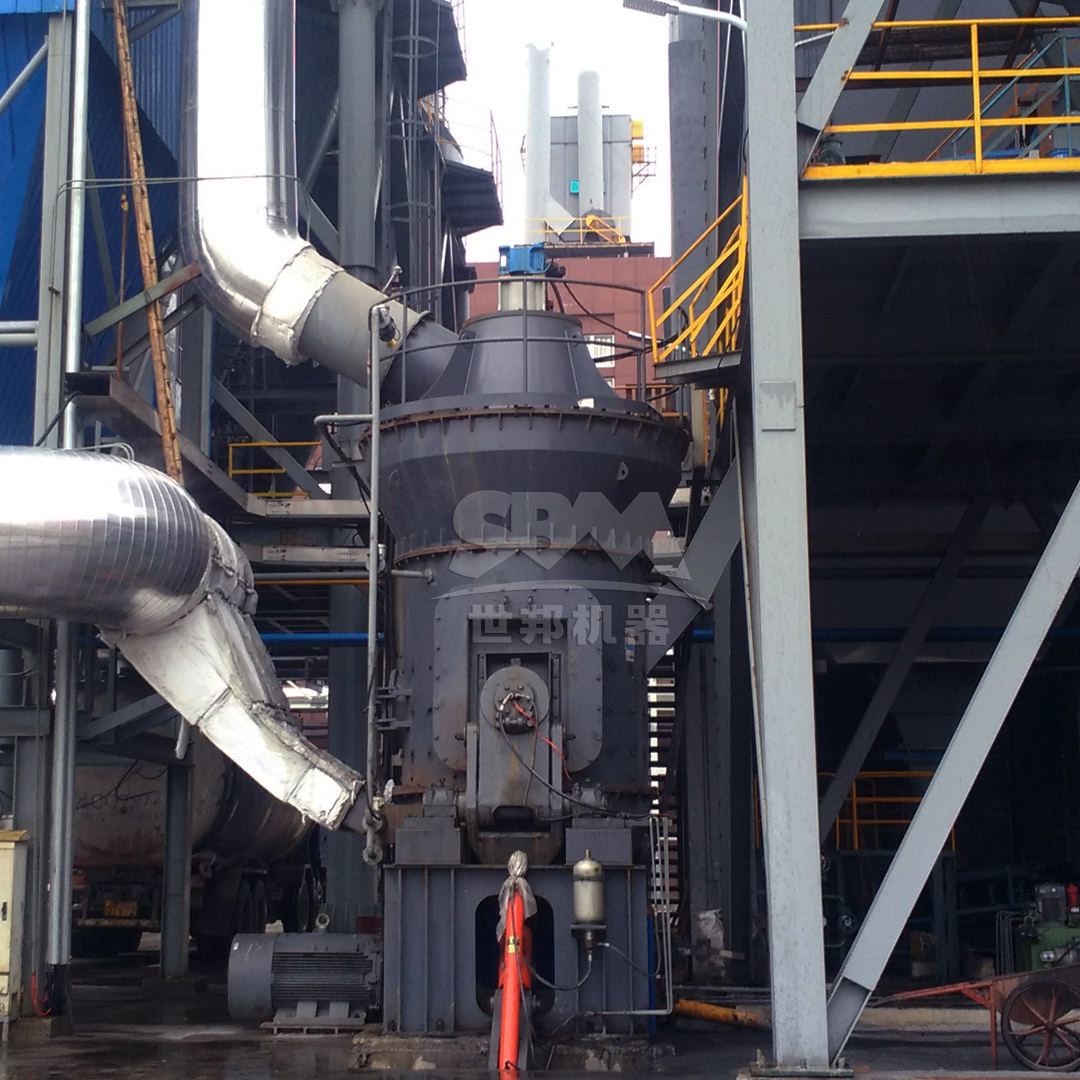
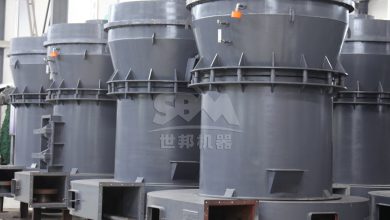
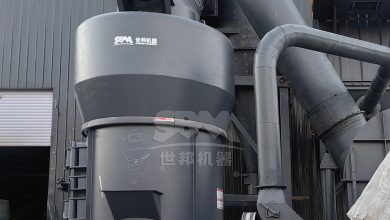
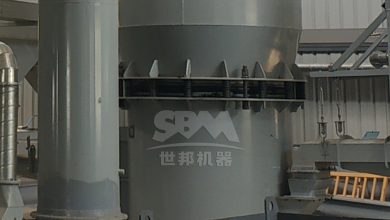
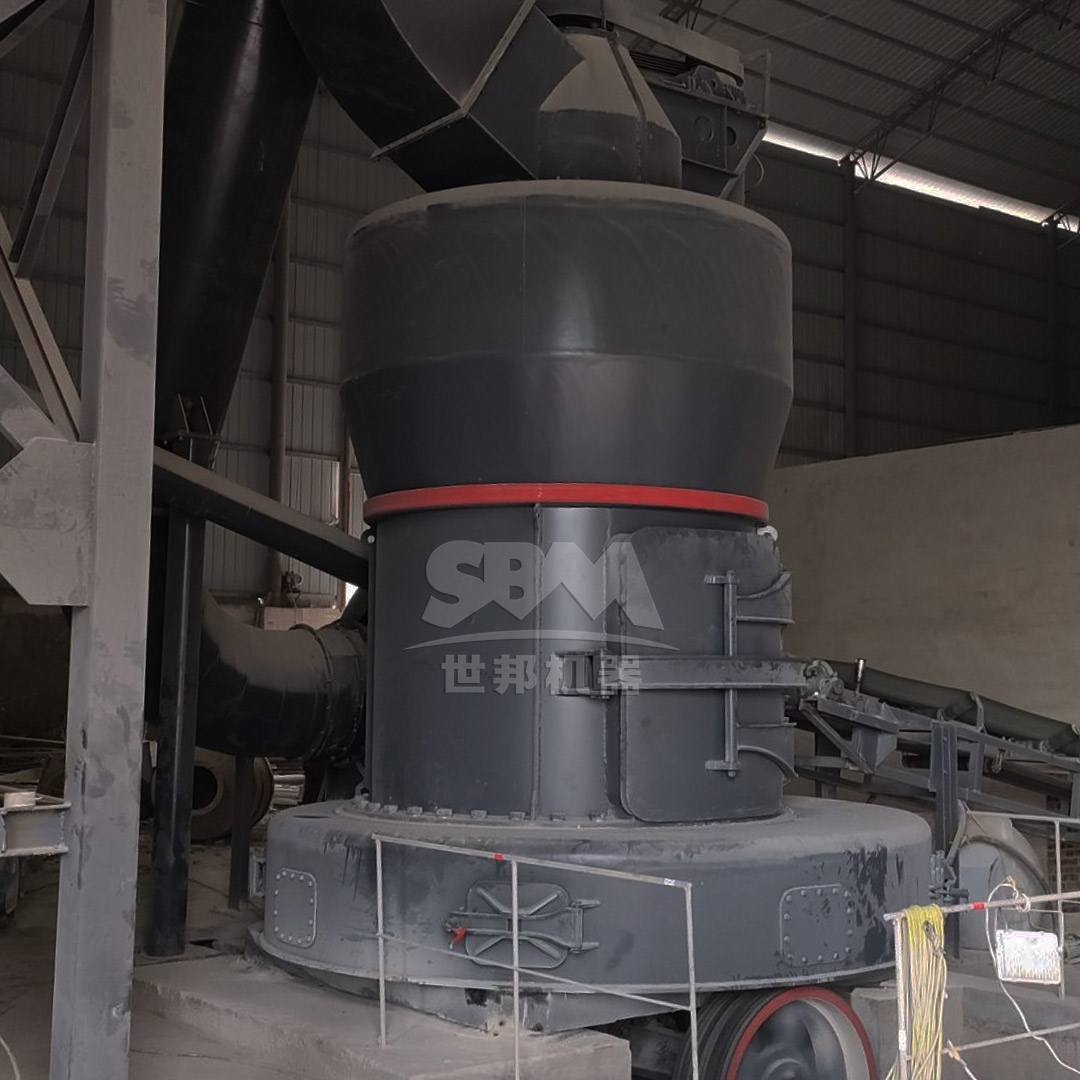
For applications demanding medium to coarse grinding (e.g., 30-325 mesh / 45-600μm), the MTW Series Trapezium Mill is an excellent choice. Its curved air channel design minimizes pressure loss, and the integral transmission with bevel gears achieves up to 98% efficiency, significantly reducing energy consumption. The wear-resistant volute structure and segmented shovel blades further lower maintenance costs, making it a robust and economical solution for high-capacity coal preparation lines, with models offering throughput from 3 to 45 tons per hour.
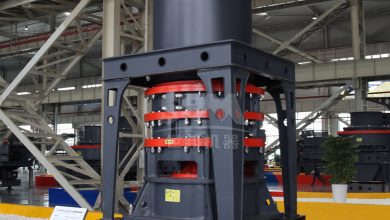
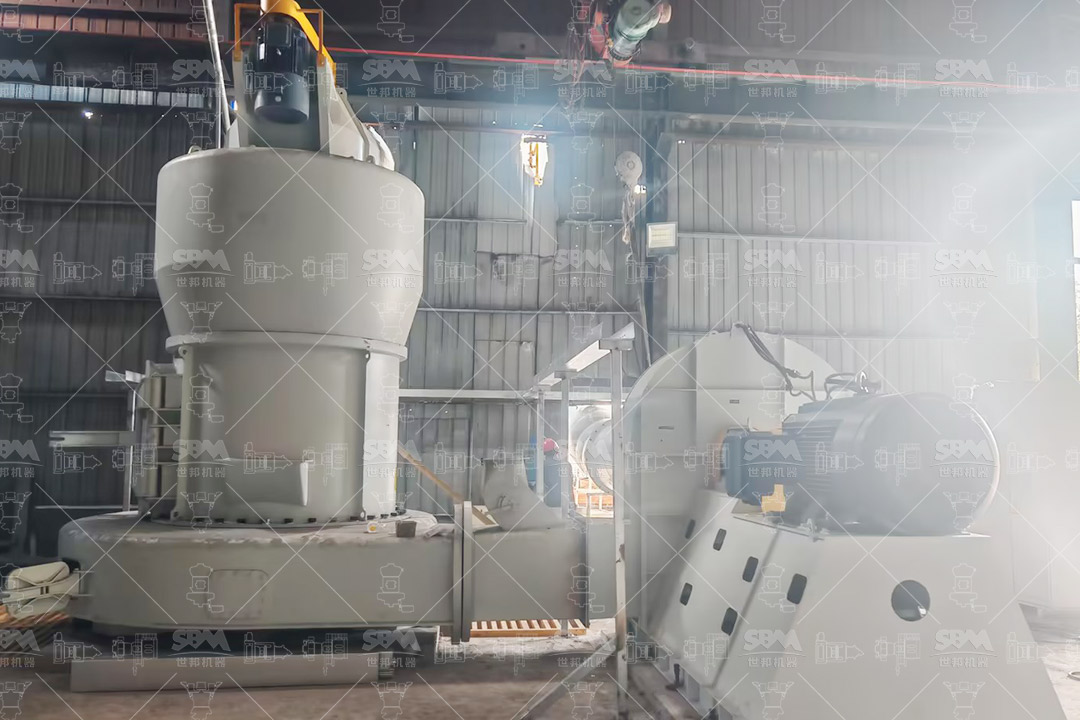
When the process requires ultra-fine pulverization of coal or other additives (e.g., 325-2500 mesh / 45-5μm), the SCM Ultrafine Mill stands out. Its vertical turbine classifier enables precise particle size cuts, ensuring a uniform product without coarse grain contamination. The mill’s efficient design delivers up to twice the output of jet mills while reducing energy consumption by 30%. Furthermore, its pulse dust collector exceeds international standards, and the soundproof room design keeps noise levels below 75dB, aligning with stringent environmental and workplace regulations.
2. Coke Oven Batteries
The heart of coke production is the coke oven battery. These are large, refractory-lined chambers where coal is heated in the absence of air at temperatures exceeding 1000°C (1832°F). Modern batteries are highly automated and consist of dozens of individual ovens operating in a cyclic pattern of charging, coking, and pushing.
3. Coke Pushing and Handling Equipment
- Door Extractors and Levelers: Machines that remove the oven doors and level the coal charge after loading.
- Push Machines: Powerful rams that expel the red-hot coke cake from the oven chamber into a waiting quench car.
- Guide Cars and Quench Cars: Transport the incandescent coke to the quenching station.
4. Coke Quenching and Dry Cooling Systems
Hot coke must be cooled rapidly. Traditional Wet Quenching Towers spray large volumes of water onto the coke. More advanced Coke Dry Quenching (CDQ) systems use inert gas to cool the coke, recovering the waste heat to generate steam and power, offering significant energy savings and environmental benefits.
5. Coke Screening and Sorting Equipment
After cooling, coke is screened into various size fractions (e.g., blast furnace coke, nut coke, coke breeze) using vibrating screens and crushers. Coke breeze (fine particles) is often recycled or used as a fuel.
Coke Production Process Flow: A Step-by-Step Breakdown
Step 1: Coal Receiving, Storage, and Blending
Different types of coking coal are delivered, stored separately, and then precisely blended according to a formulated recipe to achieve the desired coke properties (strength, reactivity, ash content).
Step 2: Coal Crushing and Grinding
The blended coal is crushed and ground to a specific size distribution, typically with about 80-85% below 3mm. This step, as discussed, is critical for ensuring proper packing density in the oven. Efficient grinding equipment directly impacts the homogeneity and quality of the coal blend.
Step 3: Charging the Coke Ovens
The prepared coal blend is loaded into the pre-heated coke oven chambers through charging holes on the top. Each oven is sealed to prevent air ingress.
Step 4: Carbonization (Coking)
The sealed ovens are heated from the sides by burning gas in the heating flues. Over a period of 15 to 24 hours, the coal undergoes pyrolysis. Volatile matter is driven off as coke oven gas (COG), leaving behind the solid carbon matrix—coke. The temperature is carefully controlled throughout the cycle.
Step 5: Pushing and Quenching
Once coking is complete, the doors are removed, and the push machine ejects the glowing coke mass into the quench car. The car transports the coke to either a wet quenching tower or a CDQ plant for cooling.
Step 6: Coke Screening and Handling
The cooled coke is dumped onto a wharf and conveyed to screening stations. Here, it is separated into various product grades. Blast furnace-grade coke (25-75mm) is sent to storage or directly to the blast furnace. Undersize material is crushed for other uses or recycled.
Step 7: By-Product Recovery
The coke oven gas collected during carbonization is cooled and sent to a by-product plant. Here, valuable chemicals like tar, ammonia, benzene, and sulfur are recovered. The cleaned gas is then used as fuel to heat the coke ovens or in other plant operations.
Conclusion: The Role of Advanced Equipment
The modern coke plant is a symphony of heavy industrial equipment, from the precision grinding mills in the coal preparation plant to the massive, heat-recovering CDQ units. Selecting the right equipment for each stage is paramount for operational efficiency, product quality, environmental compliance, and overall profitability. Innovations in grinding technology, like the energy-efficient MTW Trapezium Mill for preparation and the high-precision SCM Ultrafine Mill for specialty applications, along with advancements in oven design and heat recovery, continue to drive the industry towards more sustainable and cost-effective production.