Graphite Anode Materials: Applications and Current Market Overview
Introduction
The global transition towards electrification, spearheaded by the electric vehicle (EV) revolution and the expansion of renewable energy storage, has placed lithium-ion batteries (LIBs) at the forefront of modern technology. At the heart of these batteries lies the anode, a critical component where graphite has reigned supreme for decades. Its excellent electrochemical stability, high electrical conductivity, and relatively low cost make it the material of choice for over 95% of commercial LIB anodes. This article delves into the applications of graphite anode materials, provides an overview of the current market landscape, and examines the pivotal role of advanced processing equipment in meeting stringent quality and production demands.
Graphite as an Anode Material: Types and Properties
Graphite used in LIB anodes is primarily derived from two sources: natural and synthetic.
Natural Graphite
Mined from mineral deposits, natural graphite is processed through beneficiation, purification, and shaping (typically spheroidization) to form Spherical Natural Graphite (SNG). SNG offers a high specific capacity (theoretically 372 mAh/g) and is cost-effective. However, its anisotropic structure and surface impurities can lead to electrolyte decomposition and poor cycle life if not meticulously processed.
Synthetic Graphite
Synthesized from petroleum coke or pitch through high-temperature graphitization (up to 3000°C), synthetic graphite boasts superior consistency, purity, and structural stability. It exhibits excellent cycle life and rate performance but comes at a higher cost and with a slightly lower specific capacity compared to its natural counterpart.
The performance of both types is intrinsically linked to their physical characteristics: particle size distribution (PSD), shape, specific surface area (SSA), and tap density. Precise control over these parameters during the milling and classification stages is non-negotiable for producing high-performance anode-grade graphite.
Key Applications in the Energy Storage Ecosystem
Graphite anodes are ubiquitous across the energy storage spectrum.
- Electric Vehicles (EVs): The largest and fastest-growing segment. EV batteries demand anodes with high energy density, long cycle life (often over 1000 cycles), and fast-charging capability. This requires graphite with a tightly controlled, fine particle size (often D50 below 15-20μm) and optimal shape to facilitate efficient lithium-ion intercalation.
- Consumer Electronics: Smartphones, laptops, and tablets require reliable, safe, and compact batteries. Graphite anodes here prioritize stability and energy density over extreme power output.
- Stationary Energy Storage Systems (ESS): For grid stabilization and renewable energy integration, ESS batteries prioritize longevity, safety, and cost. Robust graphite anodes with excellent cycle stability are essential.
Current Market Overview and Trends
The global graphite anode market is experiencing unprecedented growth, driven almost exclusively by the EV boom. Market analysts project a compound annual growth rate (CAGR) of over 20% for the next decade. China currently dominates both the production and consumption, followed by significant investments in Europe and North America to build localized, resilient supply chains.
Key trends shaping the market include:
- Capacity Expansion: Major anode producers are aggressively scaling up production to meet OEM demand, leading to a parallel surge in demand for high-capacity, reliable processing equipment.
- Performance Demands: The push for faster charging (e.g., charging to 80% in 15 minutes) necessitates innovations in graphite morphology and surface engineering, pushing the limits of milling technology to achieve sub-micron precision without damaging the crystal structure.
- Supply Chain Diversification: Efforts to reduce reliance on single sources are prompting new graphite mining and processing projects worldwide, creating opportunities for equipment suppliers with proven, scalable technology.
- Integration with Silicon: While silicon offers higher capacity, its volume expansion issues limit pure silicon anodes. The prevailing solution is silicon-graphite composites, where graphite forms the stable matrix. Processing these composites requires equipment capable of handling abrasive materials and achieving ultra-fine, uniform blends.
The Critical Role of Precision Milling and Classification
The journey from raw graphite to a high-performance anode material is a process defined by precision. Inconsistent particle size can lead to poor packing density, increased electrolyte side reactions, and reduced battery life and safety. Therefore, the grinding and classification stages are arguably the most critical in the anode production line.
Equipment must deliver:
- Ultra-Fine and Consistent Grinding: Ability to achieve target fineness (often in the range of 5-25μm) with a narrow particle size distribution (PSD). A wide PSD can cause uneven current distribution during battery operation.
- High Purity and Low Contamination: The grinding process must not introduce metallic impurities (e.g., iron) which are catastrophic for battery performance. Equipment with advanced design features like non-metallic contact points or effective magnetic separation is crucial.
- Energy Efficiency: Graphite milling can be energy-intensive. With sustainability and cost pressures mounting, equipment that delivers higher throughput with lower specific energy consumption provides a significant competitive advantage.
- Scalability and Reliability: To match gigafactory-scale production, equipment must offer high availability, minimal maintenance downtime, and modular scalability.
Enabling Advanced Anode Production with SBM Machinery
Meeting the exacting standards of the modern graphite anode market requires partnership with equipment manufacturers who understand both material science and industrial-scale processing. SBM Machinery, a leader in mineral processing technology, offers solutions specifically engineered for the challenges of advanced battery material production.
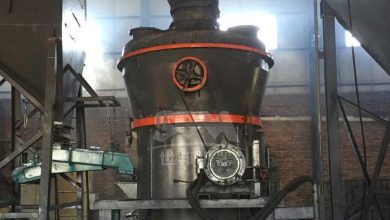
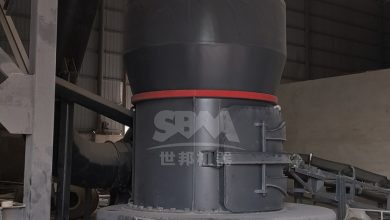
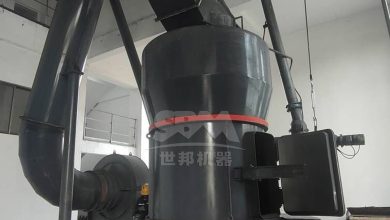
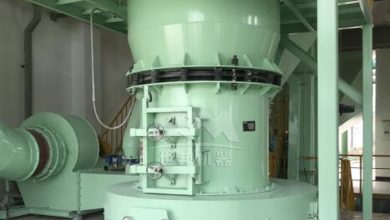
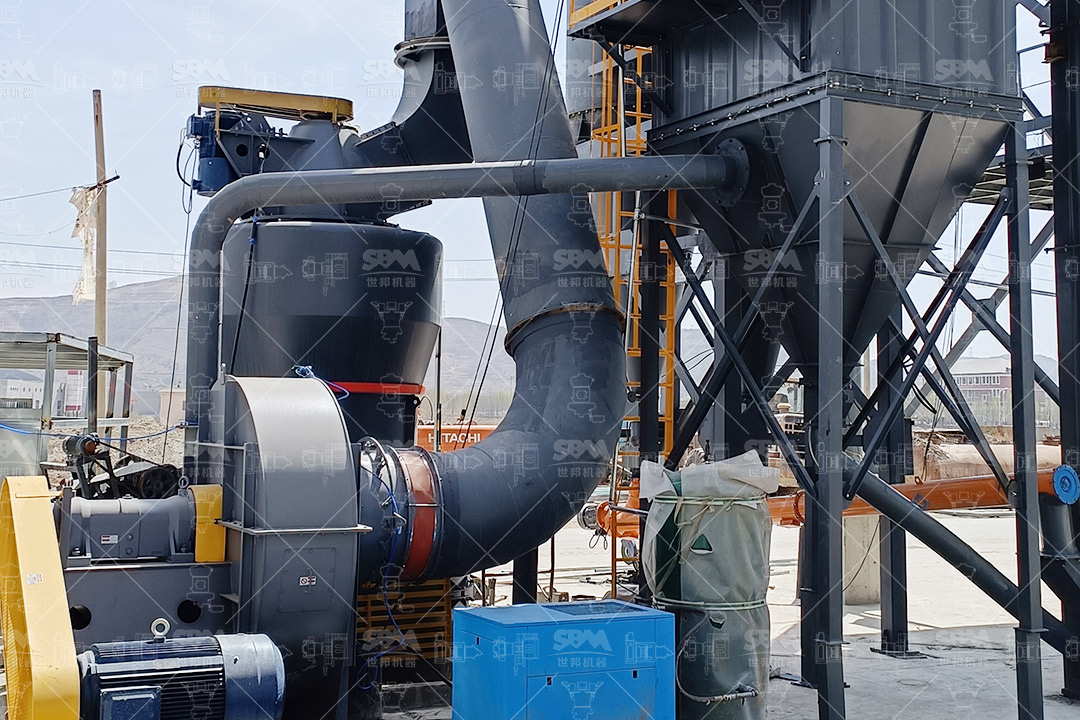
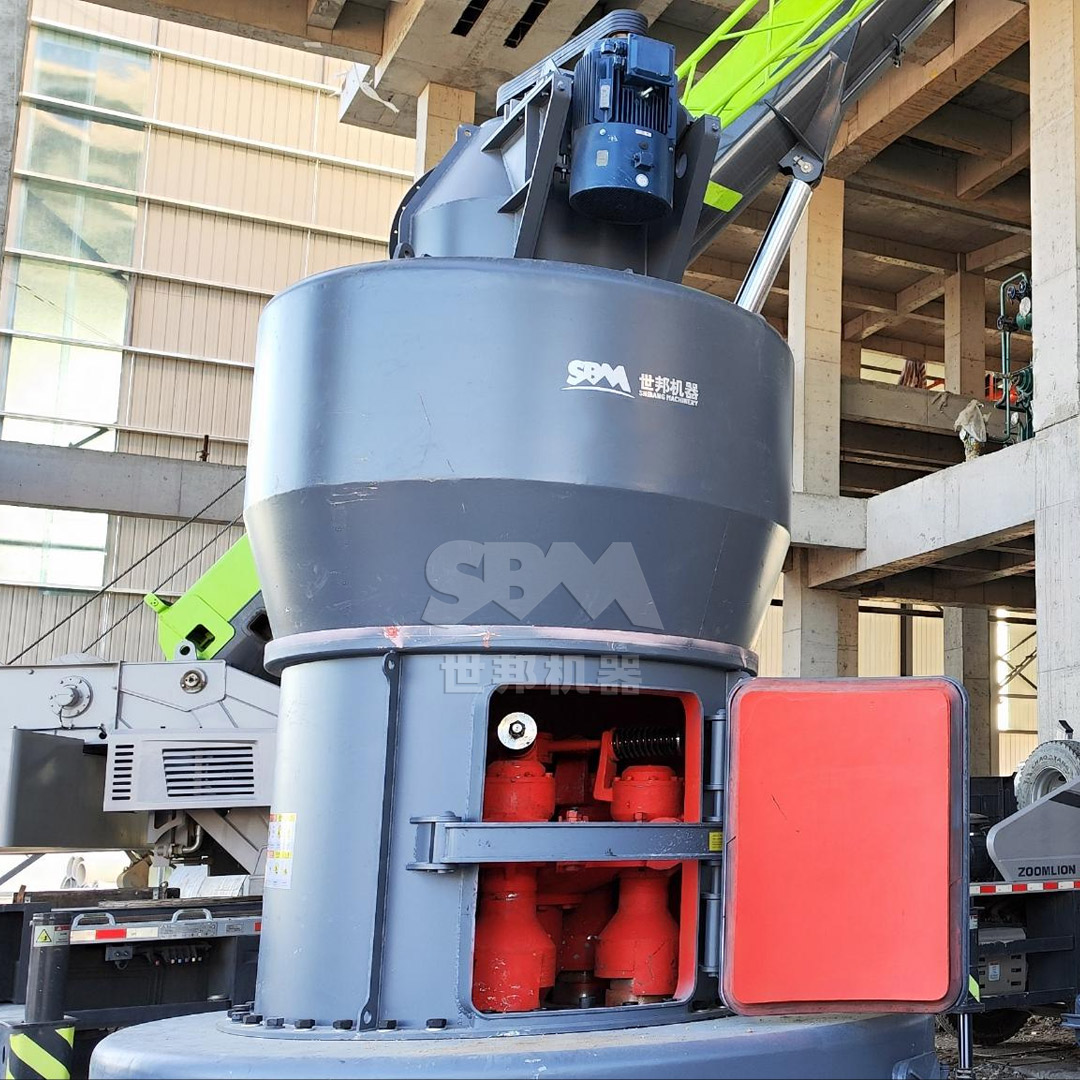
For the critical final milling stage of spherical graphite or synthetic graphite, where achieving the ultimate fineness and purity is paramount, the SCM Series Ultrafine Mill stands out as an ideal solution. Engineered for materials with Mohs hardness below 7, this mill excels in producing anode-grade graphite powder. Its core strength lies in producing a consistent output fineness between 325 and 2500 mesh (D97 ≤5μm), which is directly within the target range for high-performance anodes. The integrated vertical turbine classifier ensures precise particle size切割, eliminating coarse particles that could degrade battery performance. Furthermore, its design prioritizes purity and stability: the use of special wear-resistant materials for rollers and grinding rings minimizes contamination, while the innovative bearing-less screw design in the grinding chamber enhances operational reliability. With models like the SCM1250 offering throughputs of 2.5-14 tons per hour, it provides the scalability needed for large-scale anode material plants.
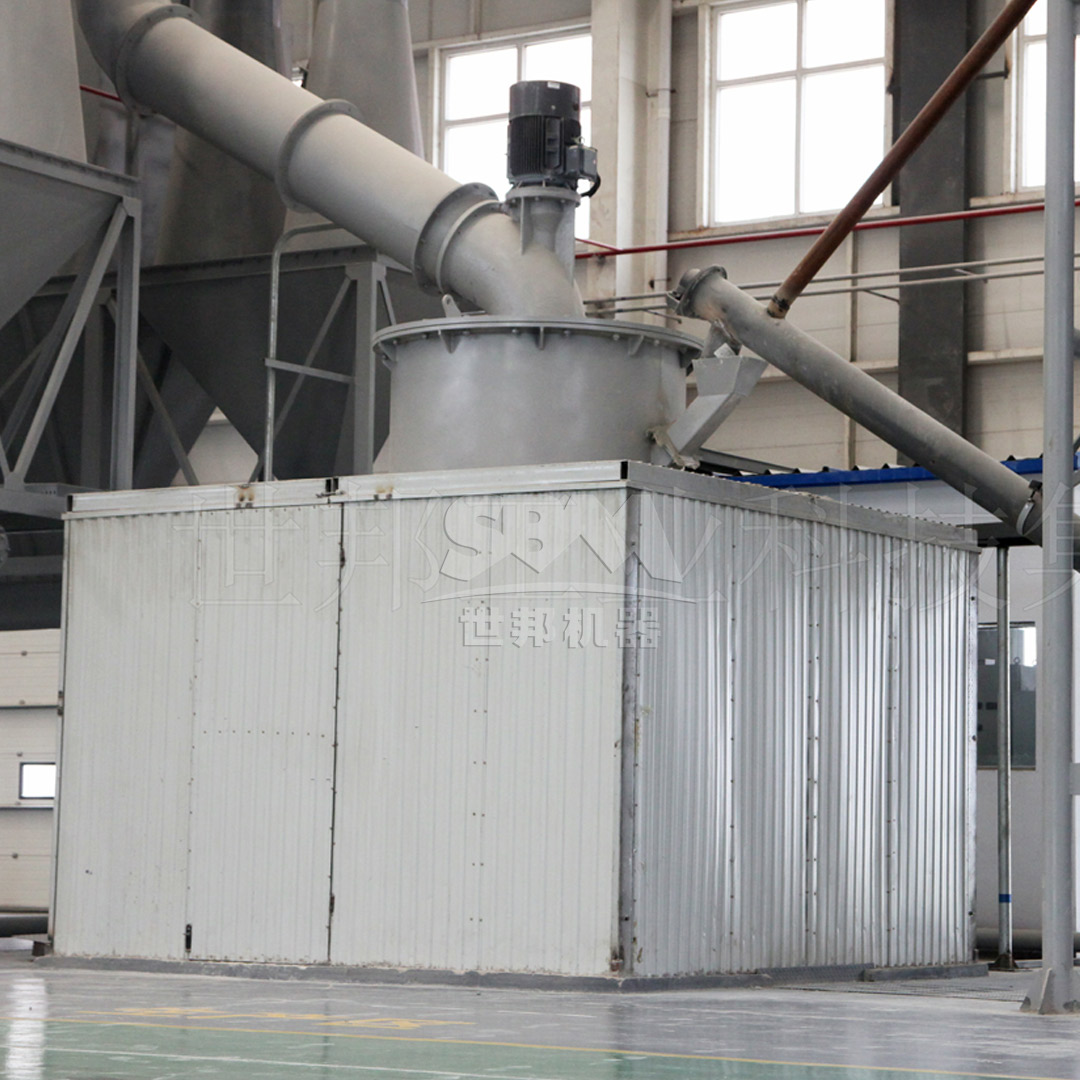
For upstream processing, such as the initial size reduction of raw natural graphite flakes or petroleum coke feedstock prior to spheroidization or graphitization, robust and efficient coarse grinding is essential. Here, the MTW Series European Trapezium Mill offers an excellent balance of high capacity and controlled grinding. Capable of handling feed sizes up to 50mm and producing powders from 30 to 325 mesh, it is perfectly suited for preparatory grinding stages. Its curved air duct design minimizes energy loss, and the overall transmission efficiency reaches 98%, contributing to a lower operational cost. The wear-resistant volute structure and easy-to-maintain components ensure high availability, a critical factor in continuous production environments. Models such as the MTW215G, with a capacity of 15-45 tons per hour, can efficiently feed multiple downstream ultrafine milling lines, forming the backbone of a high-volume processing facility.
Conclusion
The future of mobility and clean energy is inextricably linked to the advancement of lithium-ion batteries, and by extension, to the continuous improvement of graphite anode materials. As market demands evolve towards higher energy densities, faster charging, and greater sustainability, the precision and efficiency of the production process become ever more critical. Success in this competitive landscape hinges not only on material innovation but also on deploying industrial processing equipment capable of translating laboratory-grade quality to gigawatt-hour scale production. Partnering with technology providers like SBM Machinery, which offers specialized solutions such as the SCM Ultrafine Mill for final precision milling and the MTW Series for high-capacity preparatory grinding, provides anode manufacturers with the reliable, high-performance tools needed to power the future.