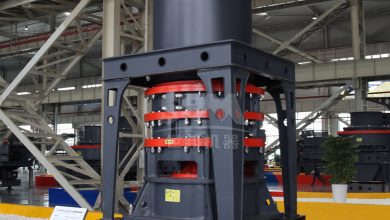
Manganese Ore Grinding Process: From Crushing to Fine Powder Production
Introduction
The production of high-quality manganese powder is a critical process in numerous industries, including steelmaking, battery manufacturing, and chemical production. The journey from raw manganese ore to a fine, consistent powder involves several meticulously controlled stages, each demanding specific machinery to optimize efficiency, particle size distribution, and final product quality. This article provides a comprehensive overview of the manganese ore grinding process, from initial size reduction to the production of ultra-fine powders, highlighting key technological considerations and equipment solutions.
Stage 1: Primary and Secondary Crushing
The process begins with the reduction of large, mined manganese ore blocks. Primary crushers, such as jaw crushers, break down the ore to a manageable size, typically below 200mm. Secondary crushing further reduces the material, often using cone crushers or impact crushers, to a size suitable for the grinding mill feed, usually below 50mm. The goal of this stage is to achieve a uniform feed size for the subsequent grinding circuit, maximizing grinding efficiency and throughput.
Stage 2: Coarse and Medium Grinding
Once the ore is suitably crushed, it enters the grinding phase. For applications requiring a medium to coarse powder (e.g., 30-100 mesh or 600-150μm), robust and high-capacity grinding systems are essential. This stage focuses on high throughput and reliable operation.
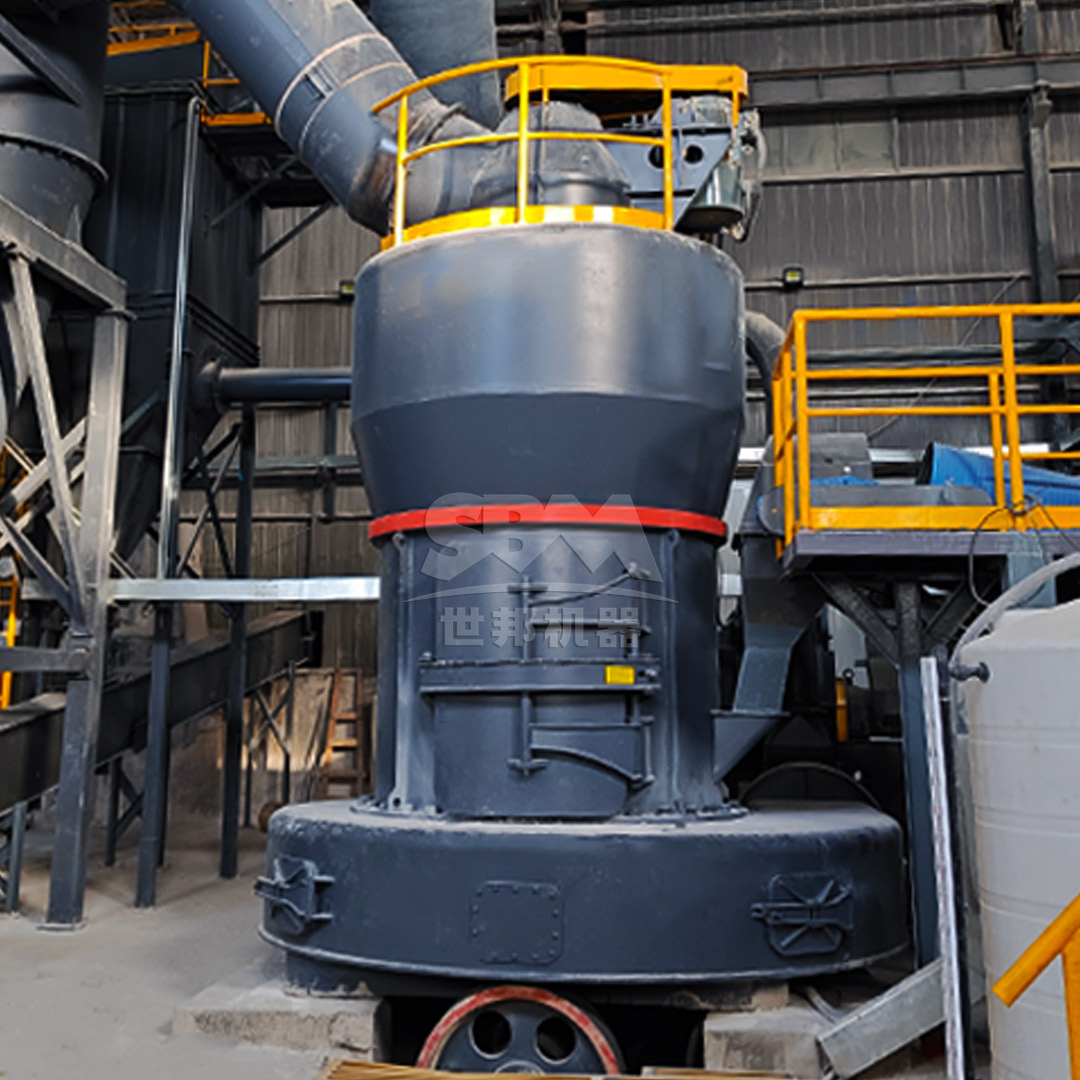
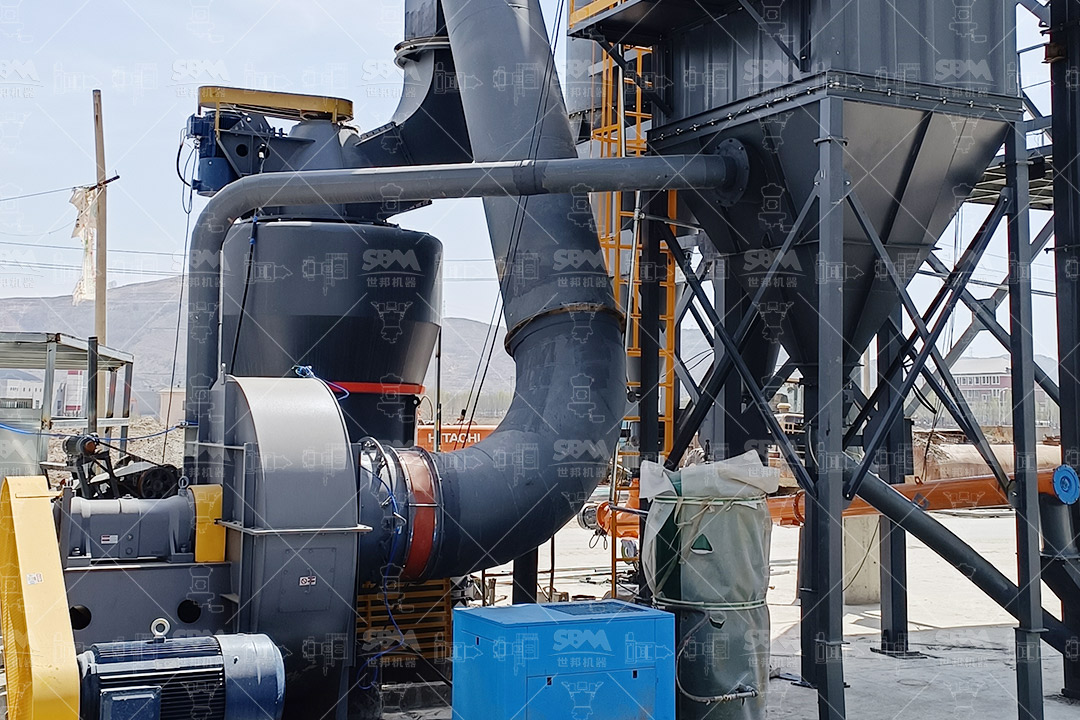
For this purpose, the MTW Series Trapezium Mill presents an outstanding solution. Engineered for efficiency and durability, the MTW mill is perfectly suited for grinding manganese ore to a fineness between 30-325 mesh (0.6-0.045mm). Its technological advantages directly address the challenges of manganese processing:
- High Capacity & Efficiency: With models like the MTW215G offering capacities up to 45 tons per hour, it ensures high-volume production. The innovative curved air duct and cone gear integral transmission minimize energy loss, achieving up to 98% transmission efficiency.
- Superior Wear Resistance: Manganese ore is abrasive. The MTW mill’s wear-resistant shovel design and high-strength wear plates protect critical components, significantly extending service life and reducing maintenance costs by an estimated 30%.
- Precise Classification: The integrated powder classifier allows for precise control over the final product size, ensuring a consistent output suitable for downstream processes.
The MTW mill operates on the principle of centrifugal grinding, where rotating grinding rollers crush the material against a stationary grinding ring, followed by immediate classification within the same housing.
Stage 3: Fine and Ultra-Fine Grinding
Many advanced applications, such as the production of electrolytic manganese dioxide (EMD) for batteries or high-purity manganese chemicals, demand powders in the fine (400 mesh) to ultra-fine (2500 mesh) range. This stage requires specialized equipment capable of generating minimal heat, ensuring precise particle size cuts, and maintaining high energy efficiency.
This is where the SCM Series Ultrafine Mill excels. Designed specifically for producing powders from 325 to 2500 mesh (45-5μm), the SCM mill is a benchmark for ultra-fine manganese powder production.
- Exceptional Fineness and Uniformity: Its vertical turbine classifier enables extremely sharp particle size cuts, producing powders with a D97 ≤ 5μm. The absence of coarse powder contamination guarantees a highly uniform product, which is crucial for chemical reactivity and battery performance.
- High Efficiency & Energy Savings: Compared to traditional jet mills, the SCM mill can double the production capacity while reducing energy consumption by approximately 30%. Its intelligent control system provides automatic feedback on product fineness, ensuring stable operation.
- Durability and Stability: The grinding rollers and ring are made from special wear-resistant materials, offering a service life several times longer than standard components. The unique bearing-less screw design in the grinding chamber enhances operational stability.
- Environmental Compliance: A fully sealed system with a high-efficiency pulse dust collector ensures dust emissions are kept well below international standards. The integrated soundproofing design maintains noise levels at or below 75dB.
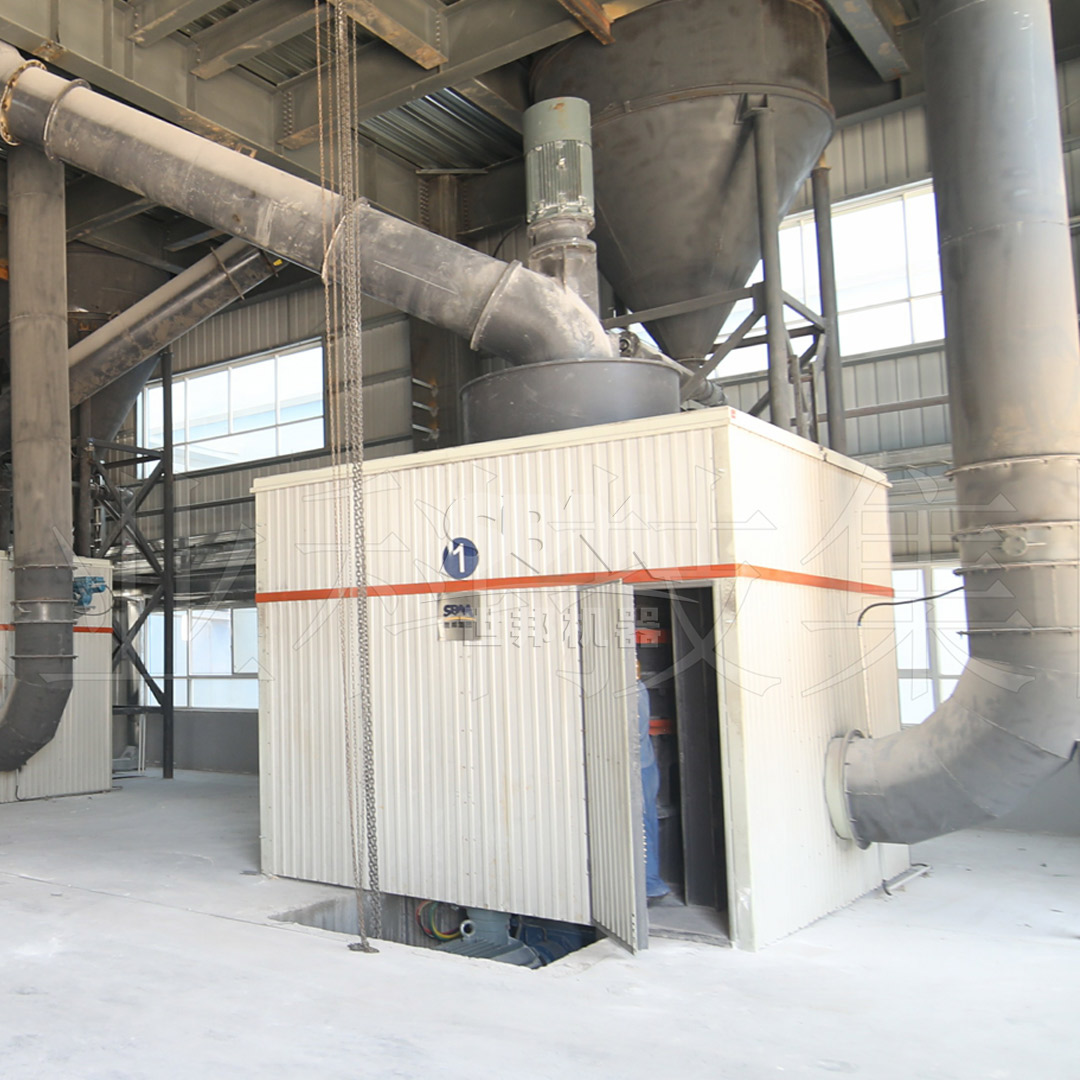
The SCM mill utilizes a multi-layer grinding ring and roller system. Material is fed into the grinding chamber and, under centrifugal force, is dispersed into the grinding path where it is repeatedly compressed and ground between the rollers and rings before being collected by a cyclone and bag filter system.
Stage 4: Classification and Collection
Following grinding, an efficient separation of the fine powder from the grinding air stream is critical. Modern mills integrate advanced classification and collection systems. Dynamic classifiers, often with multiple rotors, provide the precision needed for ultra-fine cuts. The collected powder is then transported via cyclone separators and finally polished through high-efficiency pulse-jet baghouse filters, which capture sub-micron particles, ensuring a clean working environment and maximizing product yield.
Conclusion: Selecting the Right Technology
The successful grinding of manganese ore from coarse fragments to fine powder is a complex operation that hinges on selecting the appropriate technology for each stage. For high-capacity, coarse to medium grinding, the MTW Series Trapezium Mill offers unparalleled reliability, wear resistance, and efficiency. When the target product is a superfine, high-value powder, the SCM Series Ultrafine Mill stands out with its precision classification, energy-saving design, and ability to produce consistent sub-5-micron powders.
By integrating these advanced milling solutions into a cohesive process flow—from crushing with equipment like hammer mills, through coarse grinding, and finishing with ultra-fine milling—producers can optimize their manganese ore processing lines for maximum yield, quality, and profitability while meeting stringent environmental standards.