Vertical Mill for 600,000 Tons Annual Mineral Powder Production: Complete Guide
Introduction: The Imperative for High-Capacity Mineral Powder Production
The global demand for finely ground mineral powders in industries such as construction, chemicals, paints, and advanced materials continues to surge. Achieving an annual production target of 600,000 tons represents a significant industrial undertaking, demanding not just scale but also efficiency, consistency, and operational economy. In this high-stakes environment, the selection of the core grinding technology is paramount. Vertical roller mills (VRMs) have emerged as the dominant solution for large-scale mineral powder production, fundamentally replacing traditional ball mill systems due to their superior energy efficiency, compact footprint, and advanced drying capabilities. This guide provides a comprehensive overview of planning and implementing a vertical mill system for a 600,000-ton annual output, focusing on system design, technology selection, and operational excellence.
System Design & Capacity Planning for 600,000 TPY
Establishing a reliable 600,000-ton-per-year operation requires meticulous planning beyond simply selecting the largest available mill. Key considerations include:
- Annual Operating Hours: Assuming 330 operating days per year with an 85% system availability factor, the required hourly production capacity is approximately 90-95 tons per hour (600,000 / (330 * 24 * 0.85)).
- Feed Material Characteristics: The grindability (e.g., Bond Work Index), moisture content, abrasiveness, and initial feed size (typically ≤50mm) of the raw mineral (limestone, calcite, talc, etc.) directly impact mill selection and power consumption.
- Product Specification: The target fineness (e.g., 325 mesh/45μm for fillers or 600-2500 mesh for ultra-fine applications) dictates the required classification efficiency and grinding pressure.
- System Configuration: A complete plant includes not just the vertical mill, but also upstream equipment (crusher, dryer, feed system), downstream components (high-efficiency classifier, product collector, pulse-jet bag filter, silos), and integrated process control.
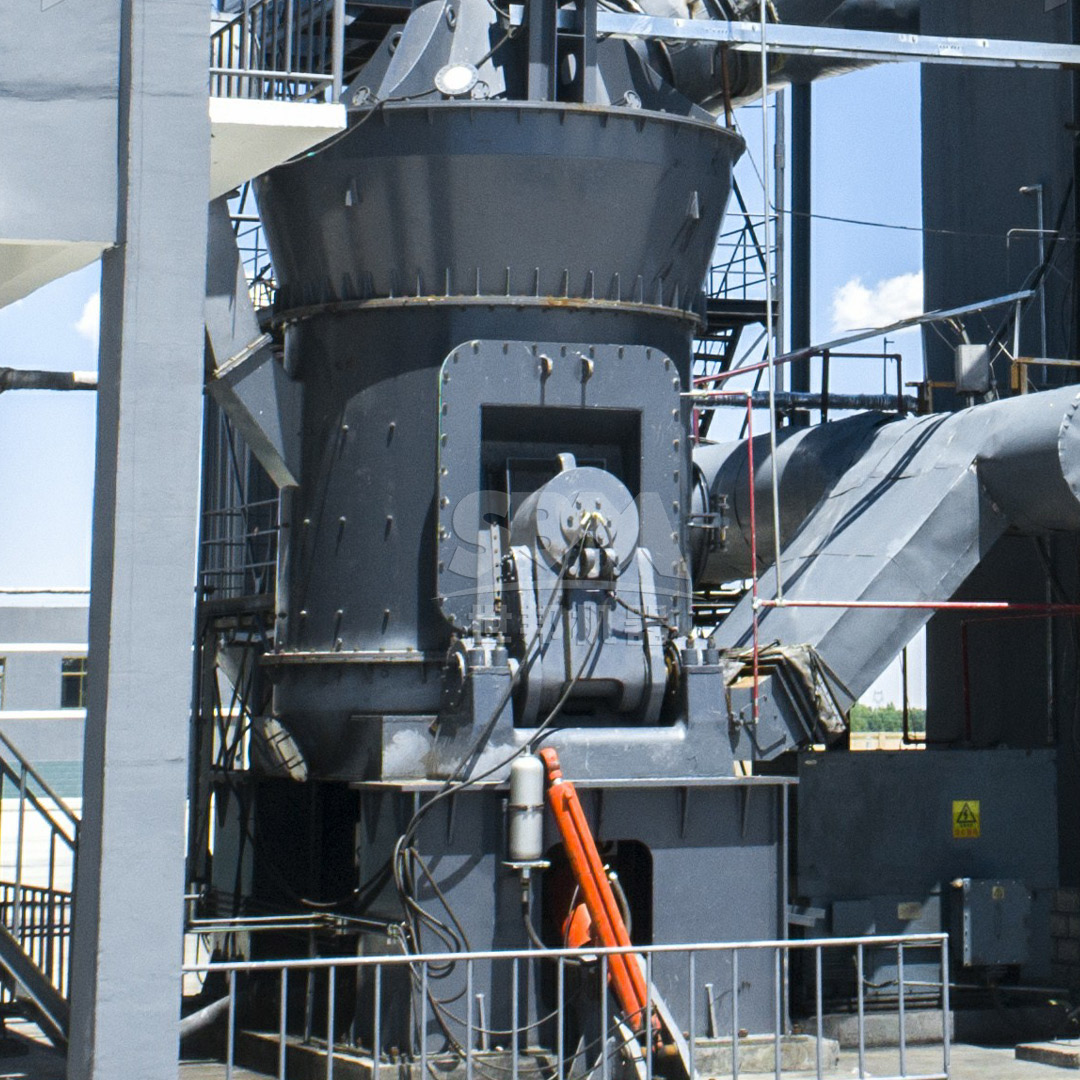
Core Technology: Advantages of Vertical Roller Mills
Vertical roller mills operate on the principle of bed comminution, where material is ground between a rotating table and two or more grinding rollers. This method offers distinct advantages for large-scale production:
- Superior Energy Efficiency: VRMs consume 30-50% less energy than ball mills for the same output, as energy is directly applied to the material bed rather than wasted on moving the entire mass of grinding media.
- Integrated Drying: Hot gases (up to 450°C) can be introduced directly into the grinding chamber, simultaneously drying moist feed materials (up to 15-20% moisture) and transporting the ground powder, eliminating the need for a separate dryer.
- Compact Footprint: Their vertical design and integrated functions (grinding, drying, classification) result in a 50% smaller footprint compared to a ball mill circuit, reducing civil engineering costs.
- Precise Particle Size Control: Modern VRMs are equipped with dynamic, high-efficiency classifiers that allow real-time adjustment of product fineness without stopping the mill.
- Lower Noise and Environmental Impact: Enclosed, negative-pressure operation ensures dust emissions are kept below 20 mg/Nm³, and operating noise is typically under 80 dB(A).
Selecting the Right Vertical Mill: A Comparative Analysis
For a 600,000 TPY facility, heavy-duty, large-capacity vertical mills are essential. Two primary technological paths exist: the traditional large-diameter vertical roller mill and the advanced, ultra-fine vertical mill system. Here is where our company’s flagship products provide optimal solutions for different segments of this massive production goal.
1. For High-Volume, Coarse to Medium-Fine Grinding (30-325 mesh)
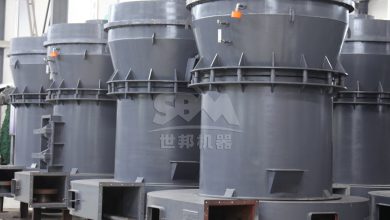
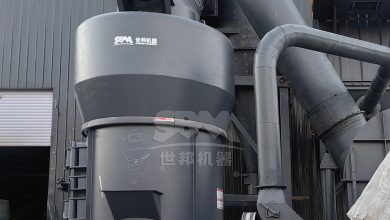
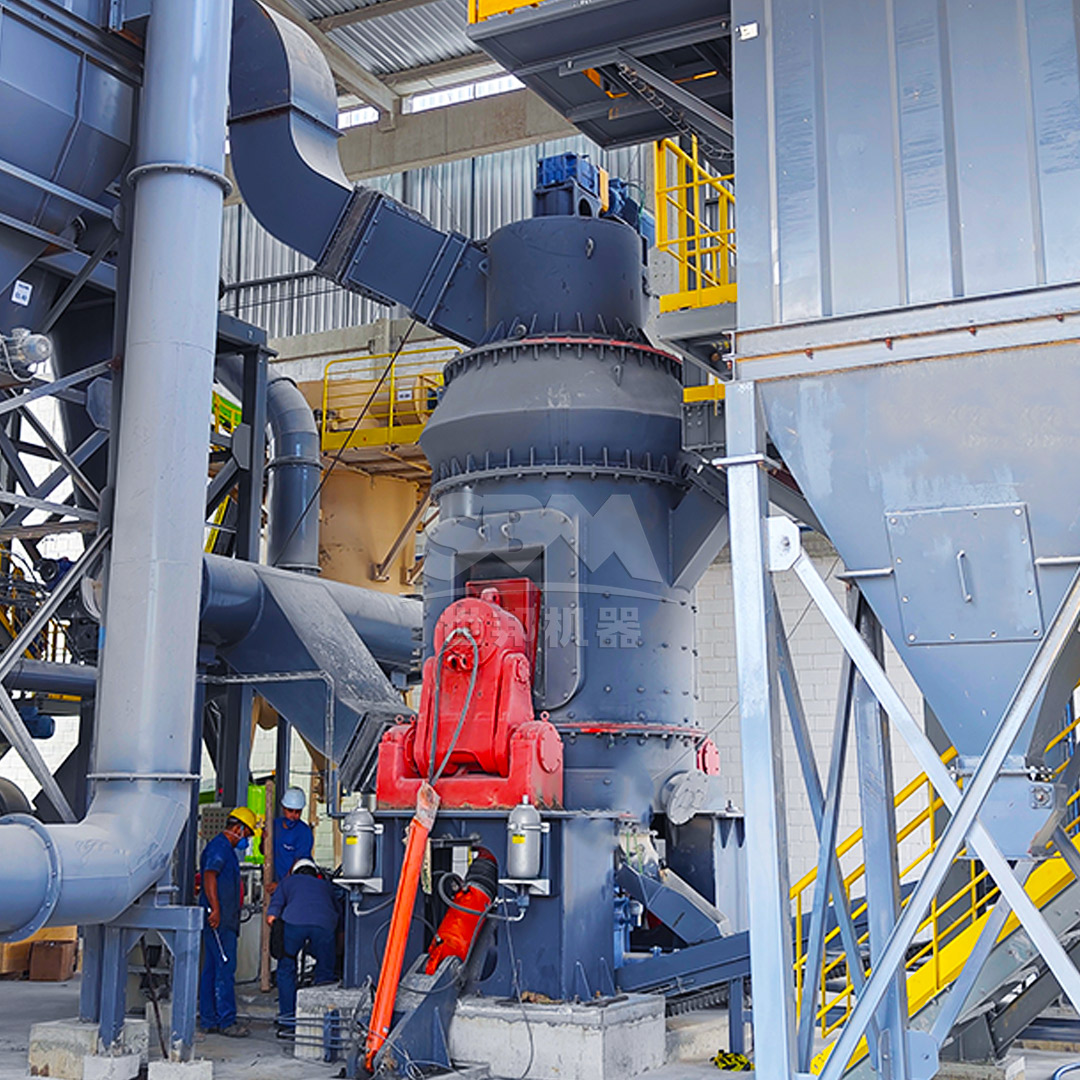
When the primary requirement is massive throughput of powders in the range of 30 to 325 mesh (600-45μm), the LM Series Vertical Roller Mill is the industry workhorse. Its robust design, high single-machine capacity, and operational reliability make it ideal for the bulk of the 600,000-ton production.
Why the LM Series is Ideal for Base Load Production:
- Massive Capacity: Models like the LM220K and LM280K offer capacities from 36-105 t/h to 50-170 t/h respectively, making a single line capable of handling a major portion of the annual target.
- Exceptional Durability: Features like non-contact grinding roller design and wear-resistant alloy rollers/table liners extend service life by a factor of three, minimizing downtime—a critical factor for continuous operation.
- Intelligent Control: An expert automatic control system allows for remote monitoring and adjustment, ensuring consistent product quality and optimal power consumption with minimal manual intervention.
- Proven Technology: With a modular design for quick roller assembly replacement, it ensures maintenance can be performed swiftly, maximizing plant availability.
For the core production line aiming for 80-325 mesh powder, deploying one or two LM280K mills would form a highly efficient and reliable backbone.
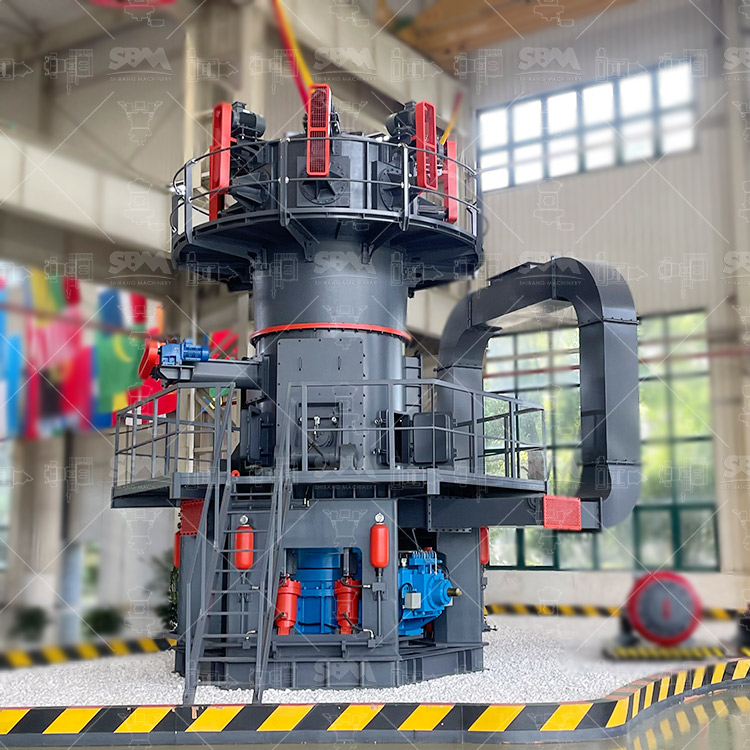
2. For Premium Ultra-Fine Powder Production (325-2500 mesh)
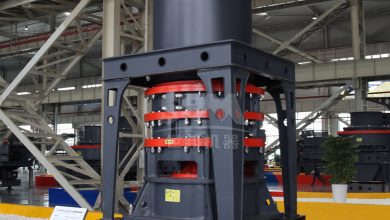
If a significant portion of the 600,000-ton output requires ultra-fine or high-value-added powders, integrating an SCM Series Ultrafine Mill is the strategic choice. This mill specializes in producing fine powders that other mills cannot reach efficiently.
Why the SCM Ultrafine Mill is Unmatched for Fine Grinding:
- Unparalleled Fineness: It achieves a remarkable output range of 325-2500 mesh (D97 ≤ 5μm), perfect for high-end applications in plastics, coatings, and advanced ceramics.
- High-Efficiency Classification: Its integrated vertical turbine classifier ensures precise particle size cuts with no coarse powder contamination, guaranteeing product uniformity.
- Energy-Saving Performance: Compared to traditional jet mills, the SCM mill offers double the capacity while reducing energy consumption by 30%, thanks to its layered grinding principle and intelligent control system that auto-adjusts for target fineness.
- Robust and Clean Operation: With special material rollers and rings, its lifespan is significantly extended. Furthermore, its pulse dust collector exceeds international standards, and the soundproof room design keeps noise levels below 75dB.
For example, the SCM1680 model, with a capacity of 5-25 tons per hour, can be deployed in parallel lines to produce premium-grade ultra-fine mineral powder, adding tremendous value to the overall production portfolio.
Key Components of a Complete Production Line
A successful 600,000 TPY plant relies on a perfectly synchronized system:
- Raw Material Preparation: Primary and secondary crushers (like Jaw Crushers or Hammer Mills) to reduce feed size to ≤50mm. Pre-homogenization stockpiles ensure consistent feed quality.
- Feed & Drying System: Belt weigh feeders for accurate dosing. The VRM’s integrated hot gas generator or auxiliary heat source provides drying capability.
- Grinding & Classification Core: The selected Vertical Mill (e.g., LM Series) with its dynamic classifier. For ultra-fine lines, the SCM mill with its precision classifier is used.
- Product Collection: High-efficiency cyclone collectors followed by pulse-jet baghouse filters with emission levels < 10 mg/Nm³.
- Process Control & Automation: A central PLC/DCS system for monitoring mill vibration, pressure, temperature, and power, enabling fully automatic, stable operation.
Economic & Environmental Considerations
The business case for a vertical mill-based 600,000 TPY plant is compelling:
- Capital Expenditure (CAPEX): While the initial investment is significant, the integrated design reduces civil works, auxiliary equipment, and overall footprint costs.
- Operational Expenditure (OPEX): The 30-50% lower energy consumption translates to millions of dollars in savings annually. Reduced wear part consumption and lower maintenance labor further cut costs.
- Return on Investment (ROI): The combination of high availability, low running costs, and the ability to produce high-value products ensures a strong and rapid ROI.
- Sustainability: Lower energy use directly reduces the plant’s carbon footprint. The enclosed system with advanced filtration ensures full compliance with the strictest environmental regulations regarding dust and noise.
Conclusion: Building a Future-Proof Mineral Powder Plant
Achieving an annual production of 600,000 tons of mineral powder is a complex but highly achievable goal with today’s technology. The vertical roller mill stands as the cornerstone of this endeavor, offering unmatched efficiency, reliability, and flexibility. By carefully selecting the right mill type—such as our high-capacity LM Series for base load production and our precision SCM Ultrafine Mill for premium product lines—operators can build a plant that is not only capable of meeting massive quantitative targets but also adaptable to market demands for higher-quality, specialized powders. Partnering with an experienced supplier who provides complete system engineering, from equipment supply to automation and commissioning, is the final critical step in turning this large-scale vision into a profitable and sustainable reality.