How Does a Slag Grinding Plant Work? Process Flow and Vertical Roller Mill Technology Explained
Introduction to Slag Grinding
Slag, a by-product of steel production, has evolved from an industrial waste into a valuable resource, primarily as a supplementary cementitious material (SCM) in concrete. The key to unlocking its latent hydraulic properties lies in fine grinding, which increases its surface area and reactivity. Modern slag grinding plants are sophisticated systems designed for efficiency, reliability, and product quality. This article delves into the process flow of a typical plant and explains the core technology that makes it all possible: the Vertical Roller Mill (VRM).
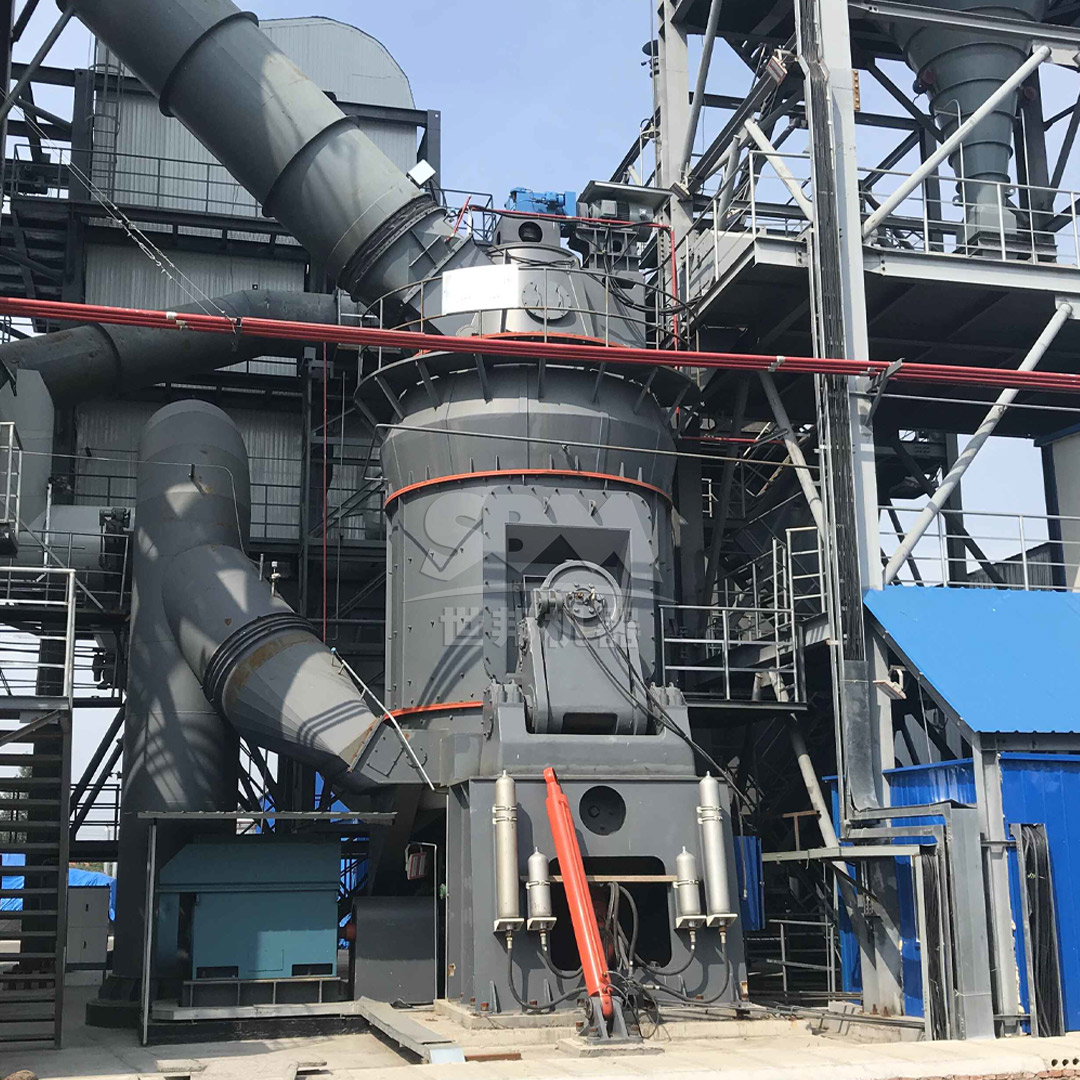
The Slag Grinding Plant Process Flow
A complete slag grinding operation follows a logical sequence from raw material intake to finished product dispatch. The process can be broken down into several key stages:
1. Raw Material Handling and Drying
Granulated blast furnace slag, typically with a moisture content of up to 15%, is transported to the plant. It is stored in a silo or shed. Before grinding, the slag often requires drying to an optimal moisture level (usually below 1%) to ensure grinding efficiency and prevent clogging. This is frequently achieved using a hot gas generator, which provides hot air directly into the grinding mill, combining drying and grinding in one step—a significant advantage of VRM technology.
2. Grinding: The Heart of the Process
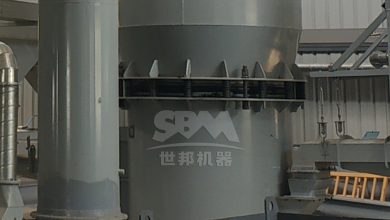
The dried slag is fed into the Vertical Roller Mill. This is the core of the plant where size reduction occurs. The feed material is ground between rotating grinding rollers and a stationary grinding table (or bowl). The ground material is transported by the process gas stream (air) upwards into an integrated high-efficiency classifier.
3. Classification and Separation
Inside the mill, the dynamic classifier performs a critical function. It uses centrifugal force and adjustable blades to separate fine particles from coarse ones. Particles that meet the target fineness (e.g., ≥420 m²/kg Blaine surface area) are carried by the gas stream out of the mill. Oversized particles are rejected by the classifier and fall back onto the grinding table for further comminution. This internal circulation ensures a consistent and narrow particle size distribution.
4. Product Collection and Storage
The fine slag powder, entrained in the gas stream, exits the mill and enters a product collection system. This typically consists of a high-efficiency cyclone that separates the bulk of the product from the gas. The remaining fines in the gas are captured by a baghouse filter (pulse-jet dust collector), ensuring emissions are well below environmental standards (e.g., <20 mg/Nm³). The collected fine powder is then conveyed to a large storage silo, ready for dispatch in bulk tankers or bags.

Vertical Roller Mill Technology: The Optimal Choice for Slag
While ball mills were historically used for slag grinding, Vertical Roller Mills have become the industry standard due to their superior efficiency and lower operating costs. The working principle of a VRM for slag is elegantly efficient.
Core Working Principle
The process begins as slag is fed centrally onto the rotating grinding table. Centrifugal force moves the material outward under the grinding rollers. Hydraulically loaded rollers exert high pressure (50-350 bar) onto the material bed, causing inter-particle comminution—a highly efficient method of size reduction. Simultaneously, hot gas (up to 300°C) is injected through the nozzle ring around the table, drying the slag and transporting the ground fines upwards. The integrated classifier ensures precise control over the final product fineness before the material leaves the mill housing.
Key Advantages of VRMs for Slag Grinding
- Significant Energy Savings: VRMs consume 30-50% less energy than traditional ball mill systems, as they utilize the efficient bed grinding principle and combine drying, grinding, and classification in a single unit.
- Superior Product Quality: The efficient classifier and stable grinding bed produce a product with a steeper particle size distribution and excellent reactivity.
- Low Wear and High Availability: The grinding elements (rollers and table) are made from highly wear-resistant materials. Their design allows for easy maintenance and quick replacement, minimizing downtime.
- Compact Design and Low Noise: VRMs have a much smaller footprint than ball mill circuits and operate with significantly lower noise levels, often below 80 dB(A).
Selecting the Right Equipment: Our LM Series Vertical Slag Mill
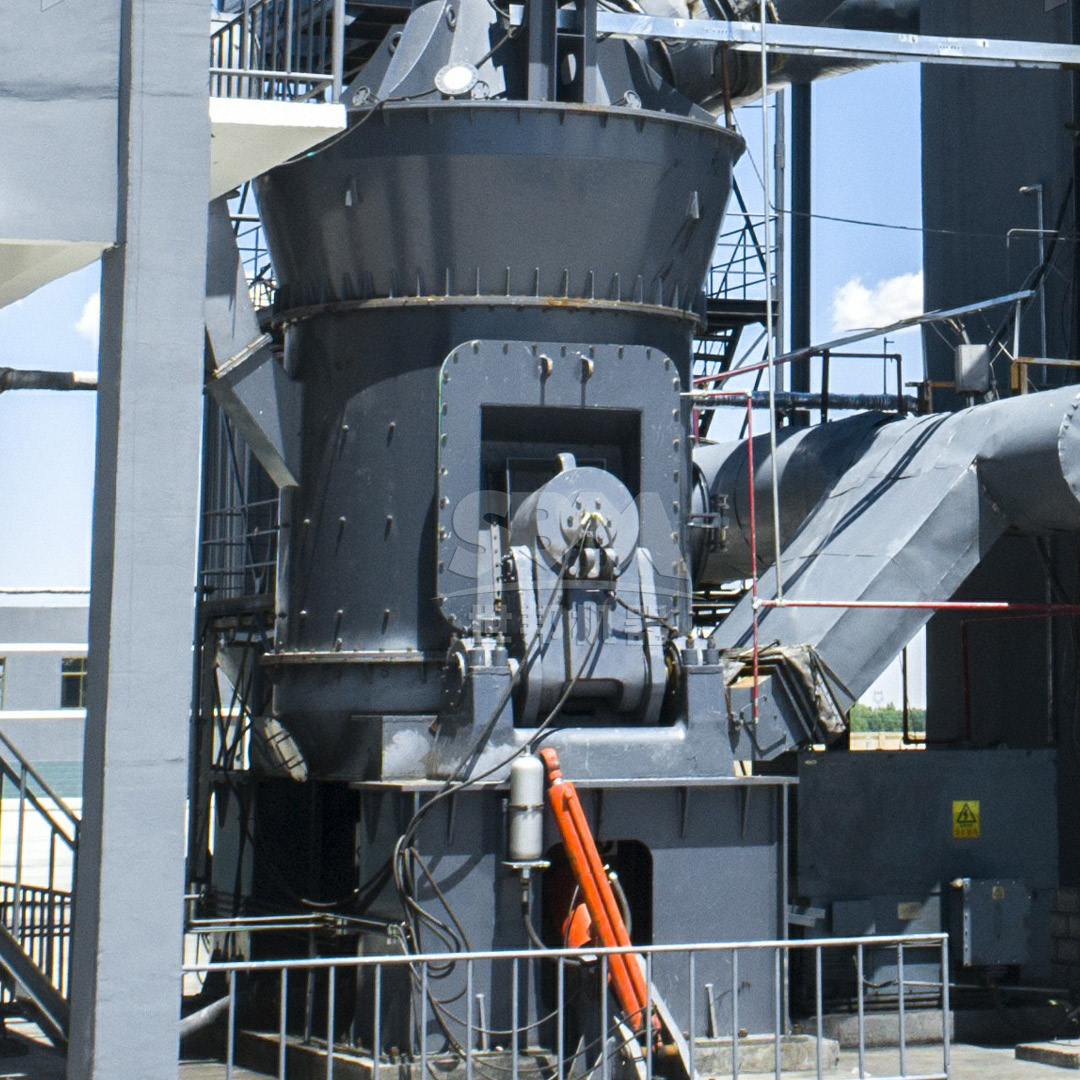
Choosing a mill engineered specifically for the abrasive nature of slag is crucial for long-term, economical operation. Our LM Series Vertical Slag Mill is designed from the ground up to meet this challenge. It is not merely an adaptation of a cement mill but a specialized solution incorporating features for optimal slag processing.
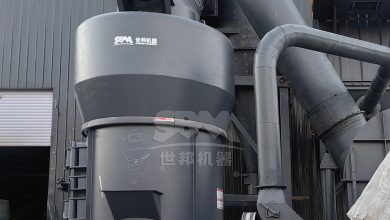
The LM Slag Mill series handles feed material with moisture content up to 15% and reliably produces high-quality ground granulated blast furnace slag (GGBS) with a specific surface area exceeding 420 m²/kg. Its集约化设计 integrates multiple functions, reducing plant footprint by 50% and cutting civil engineering costs by 40%. A key technological advantage is its磨辊与磨盘非接触设计, which, combined with special wear materials, extends the service life of wear parts by up to three times compared to conventional designs. Furthermore, its智能控制系统 allows for expert-level automation, supporting remote monitoring and operation to reduce manual intervention and ensure consistent product quality.
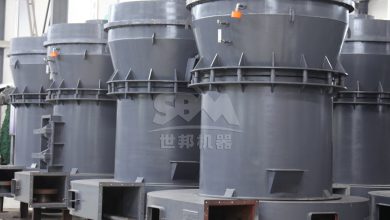
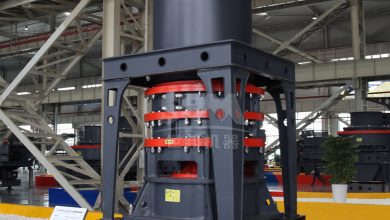
For projects requiring ultra-fine slag powder or where space is at a premium, our SCM Series Ultrafine Mill presents an excellent alternative or complementary solution. Capable of achieving fineness between 325 and 2500 mesh (D97 ≤5μm), the SCM mill is ideal for producing high-value slag micro-powder. Its高效节能 design offers产能为气流磨2倍 while reducing energy consumption by 30%. The垂直涡轮分级器 ensures precise particle size cuts with no coarse powder contamination, resulting in a uniform final product. Its环保低噪 features, including a pulse dust collector exceeding international standards and a soundproof chamber design keeping noise ≤75dB, make it a responsible choice for modern industrial settings.
Conclusion
The modern slag grinding plant is a testament to advanced mineral processing technology, transforming industrial by-products into performance-enhancing materials for construction. The Vertical Roller Mill stands at the center of this transformation, offering an unmatched combination of energy efficiency, product quality, and operational reliability. For investors and plant operators, selecting a robust and specialized VRM, such as our purpose-built LM Series Vertical Slag Mill, is the most critical decision for ensuring the long-term productivity and profitability of the slag grinding operation. As the demand for sustainable building materials grows, the technology behind efficient slag utilization will continue to play a pivotal role in the circular economy of the steel and cement industries.