Application and Introduction of Lithium Spodumene Superfine Vertical Mill
1. Introduction to Lithium Spodumene and Its Processing Challenges
Lithium spodumene, a pyroxene mineral with the chemical formula LiAlSi2O6, is a primary hard-rock source of lithium, a critical element for lithium-ion batteries powering the electric vehicle revolution and energy storage systems. The extraction of lithium from spodumene typically involves a series of steps: mining, crushing, grinding, and high-temperature phase conversion (from α-spodumene to β-spodumene) followed by acid leaching. Among these, the grinding stage is pivotal, as it directly influences the liberation of lithium-bearing minerals, the efficiency of the subsequent conversion process, and the overall energy consumption of the operation.
The primary challenge in grinding lithium spodumene lies in its moderate to high hardness (6.5-7 on the Mohs scale) and abrasive nature. Traditional grinding methods, such as ball mills, often suffer from high energy intensity, significant media wear, and limited control over final particle size distribution. For optimal downstream chemical processing, a consistently fine and uniform powder is required. This necessitates grinding equipment capable of high-efficiency size reduction, precise particle classification, and robust construction to withstand abrasive wear—all while maintaining operational economy and environmental compliance.
2. The Superiority of Superfine Vertical Mill Technology
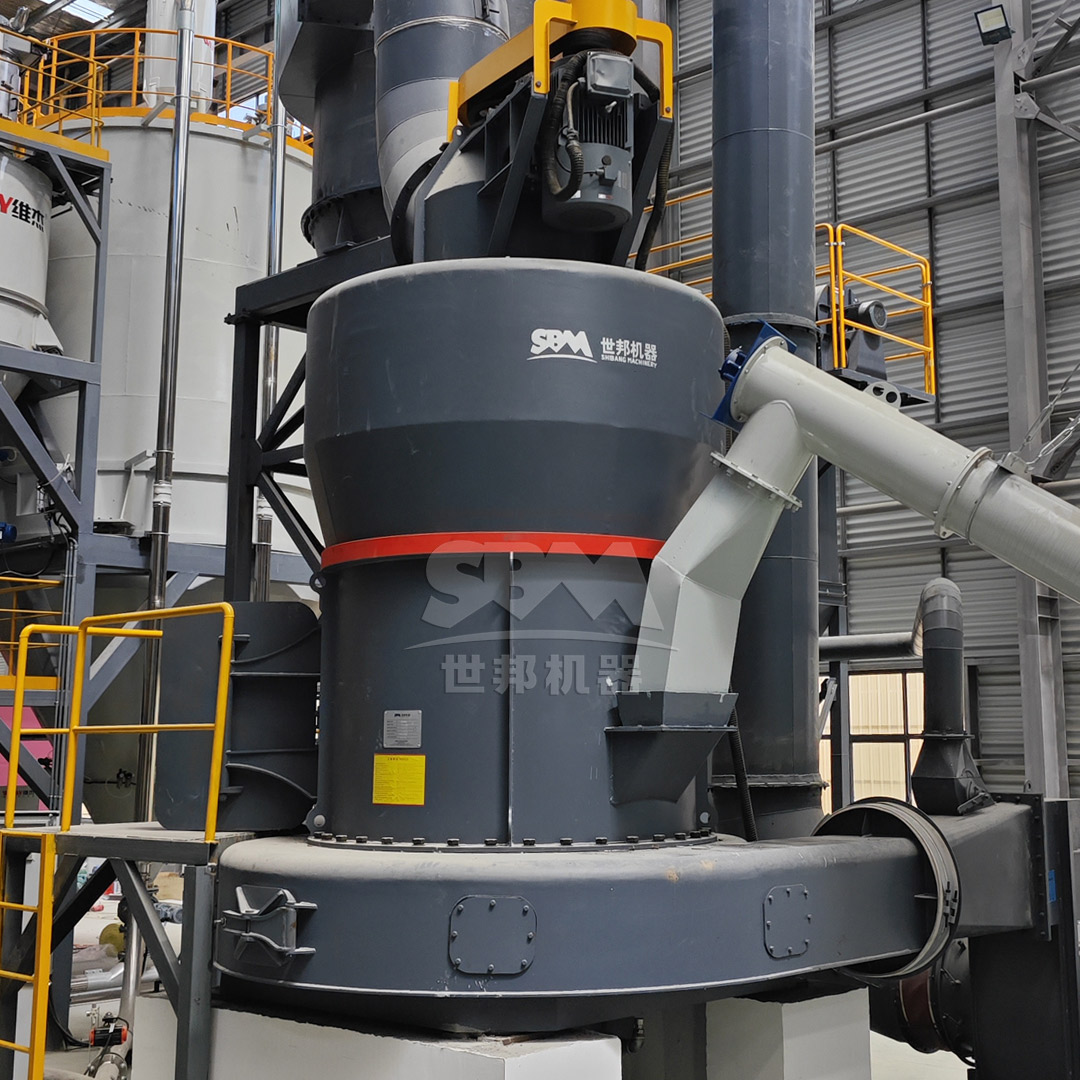
Superfine vertical roller mills (VRMs) have emerged as the technology of choice for advanced mineral processing applications like lithium spodumene grinding. Unlike traditional horizontal ball mills, vertical mills employ a bed-compression grinding principle. Material is fed onto a rotating grinding table and is ground under pressure exerted by hydraulically loaded rollers. The ground material is then transported by an air stream to an integrated high-efficiency classifier.
This design confers several decisive advantages for spodumene processing:
- High Grinding Efficiency & Energy Savings: The direct grinding of material on the table, as opposed to the random impact and attrition in a ball mill, is inherently more efficient. Energy savings of 30-50% compared to traditional ball mill systems are commonly achieved, a critical factor given the energy-intensive nature of lithium extraction.
- Precise Particle Size Control: Integrated dynamic classifiers allow for real-time adjustment of the cut point. This enables the production of a tightly controlled product with a narrow particle size distribution (PSD), which is crucial for the uniform thermal conversion of α to β-spodumene.
- Excellent Abrasion Resistance: Key wear parts like grinding rollers and table liners can be manufactured from advanced composite materials or high-chromium alloys, offering service lives several times longer than standard components, thereby reducing maintenance downtime and operating costs.
- Compact Footprint & Low Noise: The vertical integration of grinding, drying (if needed), and classification into a single machine results in a significantly smaller plant footprint. Furthermore, enclosed operation leads to lower dust emissions and noise levels, typically below 80 dB(A).
- Process Flexibility: Vertical mills can easily accommodate variations in feed moisture by integrating a hot gas generator, allowing for simultaneous grinding and drying—a useful feature for processing ore with variable moisture content.
3. Key Considerations for Mill Selection in Spodumene Applications
Selecting the appropriate vertical mill for a lithium spodumene concentrator requires careful analysis of several parameters beyond basic capacity and fineness:
- Required Product Fineness (D97): The target fineness for spodumene concentrate prior to roasting is often in the range of 75-150 microns (200-100 mesh) for optimal conversion kinetics. However, some processes may demand finer grinding. The mill must be capable of consistently achieving the target PSD.
- Material Abrasiveness (Bond Work Index & AI): The Bond Work Index of spodumene and its Abrasion Index are key indicators of grinding difficulty and wear potential. Mill design, roller pressure, and wear material selection must be tailored accordingly.
- System Integration: The mill must be part of a coherent system including feed conveyors, metal detectors, tailings removal, product collection (baghouse or cyclone), and a sophisticated control system for stable, automated operation.
- Operational & Maintenance Philosophy: Features like hydraulic roller systems for easy maintenance, remote monitoring capabilities, and accessible wear parts are essential for maximizing availability in remote mining locations.
4. Recommended Mill Solutions for Lithium Spodumene Processing
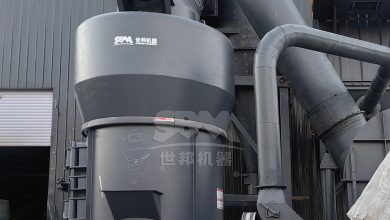
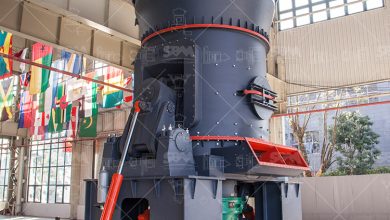
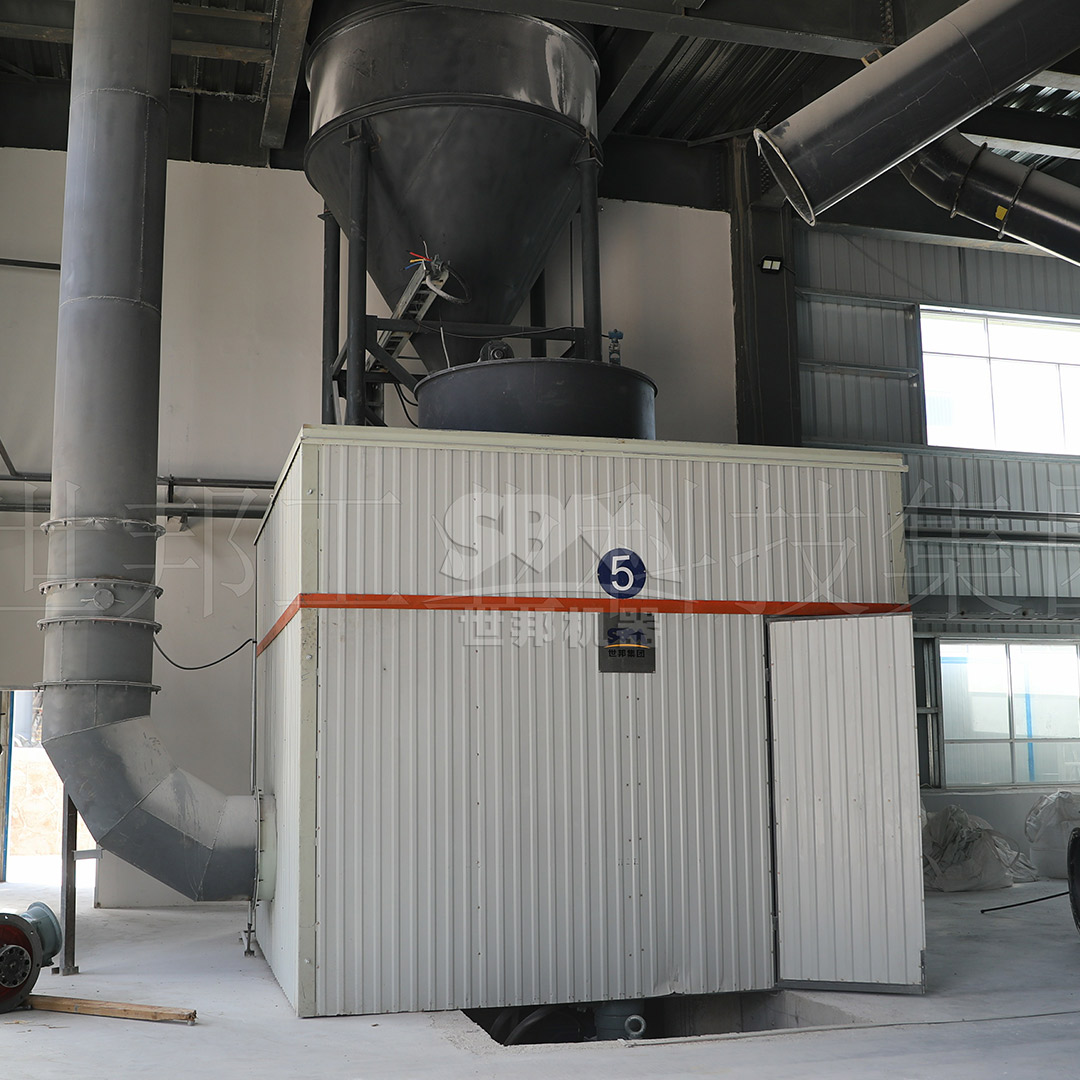
Based on the stringent requirements for hardness, abrasion resistance, and precise classification in lithium spodumene grinding, we highly recommend our LM Series Vertical Roller Mill and LUM Series Ultra-fine Vertical Mill as optimal technological solutions.
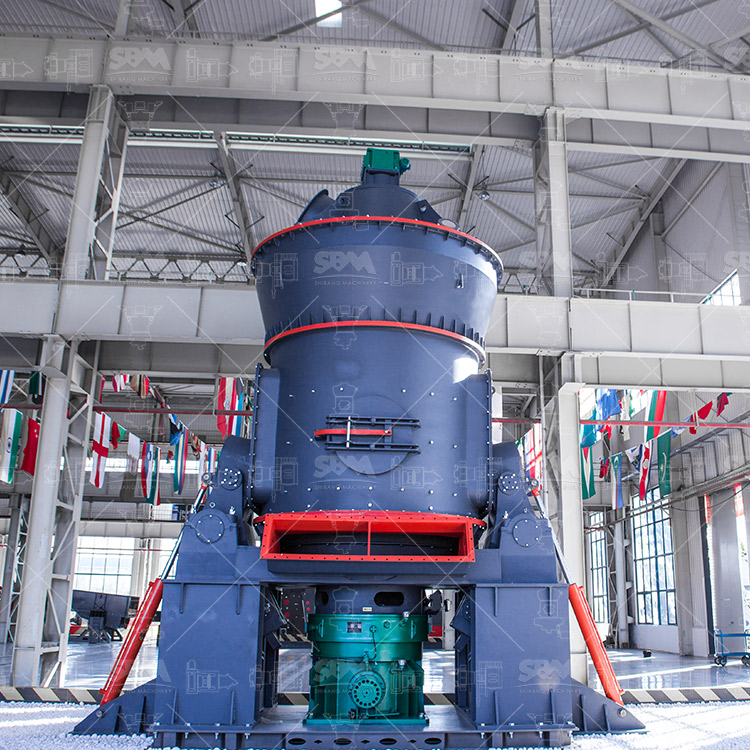
4.1 LM Series Vertical Roller Mill: The High-Capacity, Robust Workhorse
Our LM Vertical Roller Mill is engineered for large-scale, high-tonnage operations typical of modern lithium mines. Its集约化设计 integrates multiple functions, reducing plant footprint by up to 50% and significantly lowering civil construction costs. For spodumene, the LM190K or LM220K models are particularly suitable.
Why the LM Series excels for Spodumene:
- Proven Durability: The磨辊与磨盘非接触设计 and use of special alloy wear parts extend service life by a factor of three compared to conventional solutions, directly combating the abrasive nature of spodumene.
- Substantial Energy Savings: Operating on the efficient bed-grinding principle, it consumes 30-40% less energy than ball mill systems, a major operational cost saving.
- Intelligent Control: The expert-level automatic control system allows for remote monitoring and adjustment, ensuring consistent product quality and reducing manual intervention. It can maintain stable operation even with slight fluctuations in feed rate or hardness.
- Environmental Compliance: Its全密封负压运行 ensures dust emissions are kept well below 20mg/m³, while operation noise is controlled under 80dB(A), meeting strict international environmental standards.
With a typical output fineness range of 30-325 mesh (600-45μm) and capacities from 3 to over 250 tons per hour (depending on model and material), the LM Series provides the scalability and reliability needed for primary grinding circuits in spodumene beneficiation plants.
4.2 LUM Series Ultra-fine Vertical Mill: For Precision Superfine Grinding
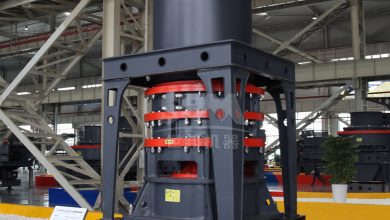
For processes demanding even finer product specifications or for producing high-value lithium powder products, our LUM Ultra-fine Vertical Mill is the ideal choice. This mill represents the pinnacle of superfine grinding technology, capable of achieving product fineness up to 2500 mesh (D97 ≤ 5μm).
Key Advantages of the LUM Series for Advanced Applications:
- Exceptional Fineness & Classification Accuracy: It features a multi-rotor classification system that ensures precise particle size切割, producing powder with unparalleled uniformity and no coarse grain contamination. This is vital for applications where surface area and reactivity are critical.
- High Grinding Efficiency: The unique roller and liner curve design optimizes the grinding bed, leading to higher粉磨效率 compared to other ultra-fine grinding equipment like jet mills, while能耗降低30%.
- Advanced Automation: Equipped with a comprehensive PLC control system, it offers fully automatic operation,从反馈成品粒度 to automatic control of the grinding force, ensuring stable long-term performance.
- Completely Sealed and Clean Operation: The全密封负压操作 design guarantees zero dust leakage, creating a clean working environment and protecting the final product purity.
Models such as the LUM1632, with a host power of 280–315 kW and a processing capacity of 2–13.5 t/h for D97=5–30μm products, offer the perfect balance of power, precision, and output for finishing stages or specialized lithium powder production.
5. Conclusion
The transition to superfine vertical roller mill technology represents a significant leap forward in the processing of lithium spodumene. By offering unparalleled combinations of energy efficiency, precise particle size control, wear resistance, and environmental performance, vertical mills like our LM and LUM series directly address the core economic and technical challenges of lithium production. As the global demand for lithium continues to surge, investing in advanced, reliable, and efficient grinding technology is not merely an operational decision but a strategic imperative for securing a competitive edge in the clean energy supply chain. Our engineering team is ready to provide tailored solutions and support to optimize your lithium spodumene grinding circuit for maximum yield, quality, and profitability.