How is the Calcite Processing Industry Outlook? What Are the Small-Scale Calcite Processing Equipment?
Introduction: The Strategic Importance of Calcite
Calcite, a naturally occurring calcium carbonate mineral, is a cornerstone of modern industry. Its applications span from the foundational (paper, plastics, paints, construction materials) to the advanced (pharmaceuticals, food additives, environmental remediation). The global demand for high-purity, finely ground calcite powder is on a steady upward trajectory, driven by industrialization, urbanization, and technological advancements in material science. This article explores the current outlook for the calcite processing industry and delves into the critical equipment choices for small to medium-scale operations seeking efficiency and profitability.
The Calcite Processing Industry Outlook: Trends and Drivers
The outlook for the calcite processing industry is predominantly positive, shaped by several key trends:
1. Demand Diversification and Value Addition
Beyond traditional fillers, there is growing demand for surface-modified calcite for polymer composites and ultra-fine (micronized) grades for high-end coatings and adhesives. This shift pushes processors towards more sophisticated grinding and classification technology to achieve precise particle size distribution (PSD) and surface characteristics.
2. The Sustainability Imperative
Environmental regulations are tightening globally. Modern calcite plants must prioritize energy efficiency, low noise emission, and near-zero dust pollution. Equipment with lower specific energy consumption (kWh/ton) and integrated, high-efficiency dust collection systems are no longer optional but a competitive necessity.
3. The Rise of Small and Medium-Scale Flexible Production
While large-scale plants serve bulk commodity markets, there is significant opportunity for smaller operations catering to niche markets, local supply chains, or producing specialized grades. For these enterprises, the choice of processing equipment is the single most critical factor determining viability, product quality, and operational cost.
4. Automation and Smart Control
The integration of PLC-based control systems allows for consistent product quality, reduced manual intervention, and optimized mill performance. This trend makes equipment with native smart control capabilities highly attractive for modern setups.
Core Stages in Small-Scale Calcite Processing
A typical small-scale calcite processing line involves three key stages:
- Crushing: Raw calcite ore (≤50mm) is reduced to a smaller feed size (typically ≤20mm) suitable for grinding mills. Jaw crushers or hammer mills are commonly used.
- Grinding & Classification: This is the heart of the process, where the crushed material is pulverized to the target fineness (e.g., 200 mesh, 325 mesh, or even finer). The grinding mill is integrated with a classifier that separates fine product from coarse material, which is returned for further grinding.
- Collection & Packaging: The fine powder is collected using cyclone separators and baghouse dust collectors, then packaged for shipment.
Selecting Small-Scale Calcite Processing Equipment
The choice of grinding mill defines the operation’s capabilities. Key selection criteria include:
- Target Fineness: Required product size range (e.g., coarse fillers vs. ultra-fine powders).
- Capacity: Required hourly or daily production output.
- Energy Efficiency: Power consumption per ton of product.
- Footprint & Infrastructure: Available space and installation requirements.
- Operational & Maintenance Cost: Ease of wear part replacement and overall system reliability.
Recommended Equipment for Small-Scale Calcite Processing
Based on the industry trends and common requirements for small to medium-scale operations producing fine to ultra-fine calcite powder, two of our flagship product lines stand out as exceptional solutions.
1. For High-Capacity, Fine to Medium-Fine Grinding (30-325 mesh): The MTW Series Trapezium Mill
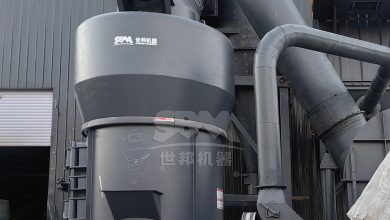
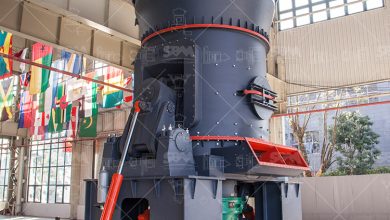
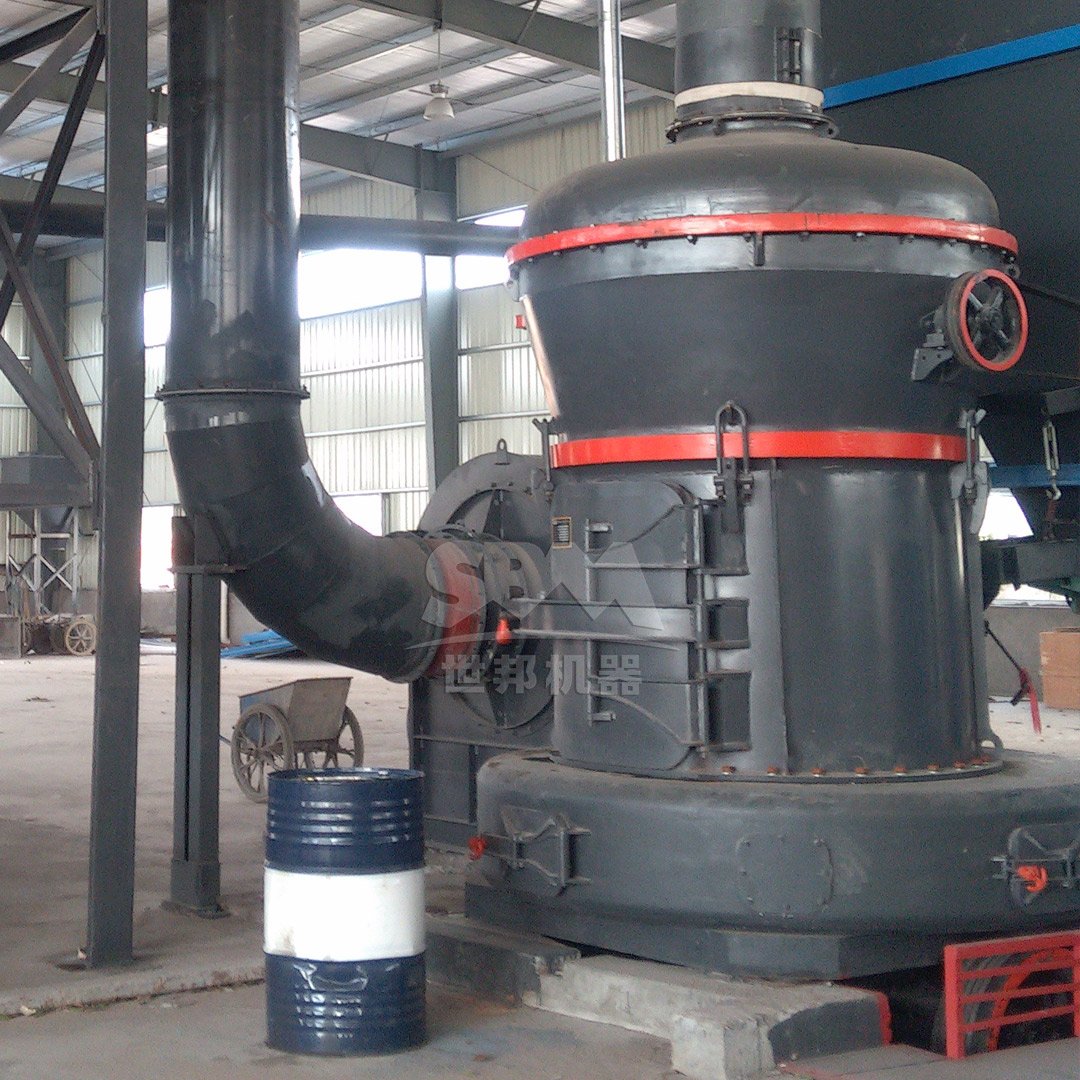
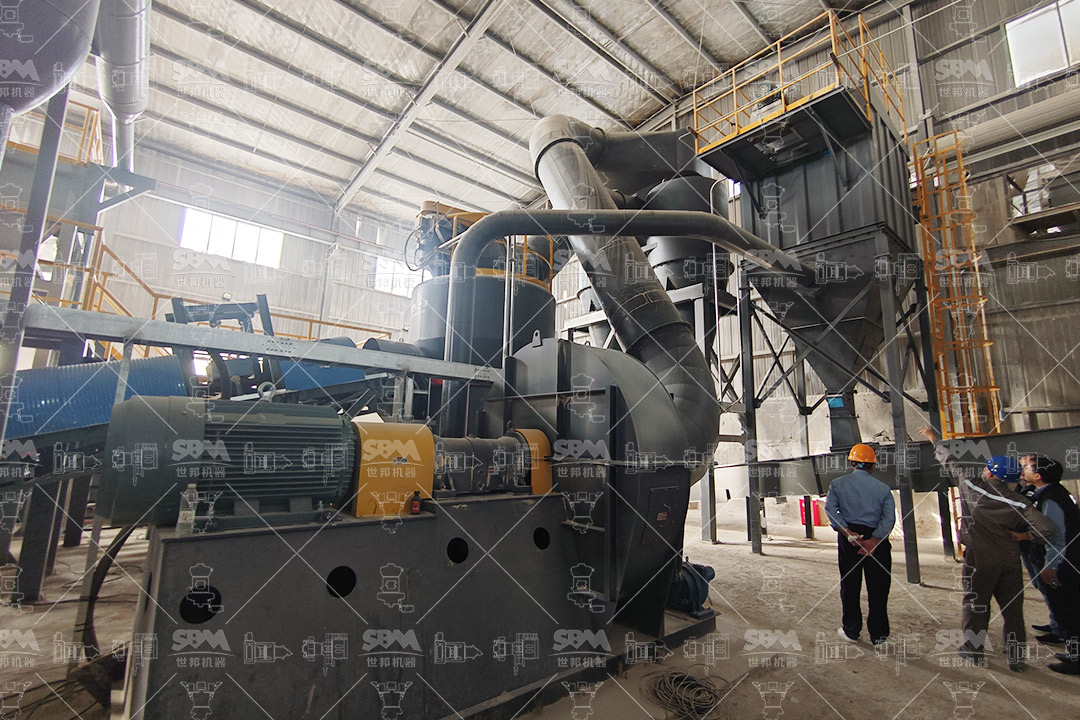
For operations targeting the robust production of calcite powder in the popular 30 to 325 mesh range (approximately 600 to 45 microns), the MTW Series Trapezium Mill is an industry-leading workhorse. It is engineered for efficiency and durability, making it ideal for small-scale plants focused on productivity and low operating costs.
Its curved duct design minimizes air flow resistance, directly enhancing transmission efficiency and reducing energy waste. The innovative bevel gear integral transmission achieves an impressive 98% transmission efficiency, saving space and installation costs. Furthermore, its wear-resistant volute structure and combined wear-resistant shovel blades significantly reduce maintenance frequency and cost.
For a typical small-scale setup, the MTW138Z model is a highly recommended choice. With a feed size of <35mm, it delivers a capacity of 6-17 tons per hour within the 10-325 mesh range, powered by a 90kW main motor. Its balanced design offers an excellent blend of output, fineness control, and operational economy, providing a solid foundation for a profitable calcite grinding business.
2. For Premium Ultra-Fine Powder Production (325-2500 mesh): The SCM Ultrafine Mill
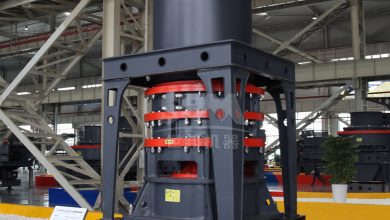
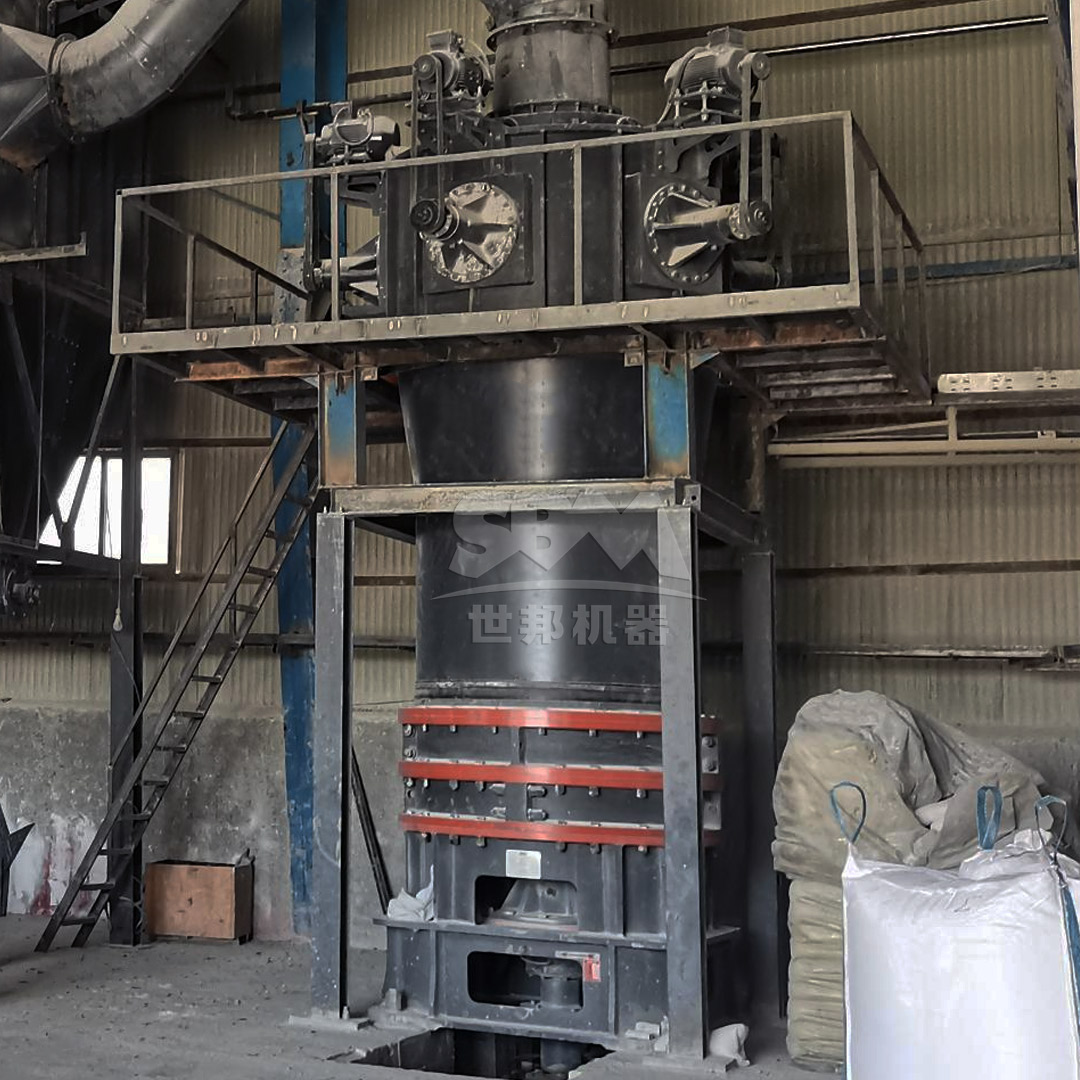
When the market demands high-value, ultra-fine calcite powder (D97 ≤ 5μm, or 325-2500 mesh), conventional mills fall short. This is the domain of our SCM Ultrafine Mill, a technological marvel designed for precision and efficiency in the sub-micron range.
The SCM Mill’s core advantages make it perfect for processors aiming at specialty chemical, premium paint, or advanced material applications. Its high-efficiency and energy-saving design provides twice the capacity of a jet mill while reducing energy consumption by 30%. The high-precision vertical turbine classifier ensures sharp particle size cuts and a uniform product without coarse grit contamination. Durability is built-in with special material rollers and grinding rings that last for multiple lifetimes, and its environmentally friendly design features pulse dust collection exceeding international standards and noise levels below 75dB.
For small to medium-scale ultra-fine production, the SCM1000 model is an ideal candidate. It processes 0-20mm calcite feed into 325-2500 mesh powder at a rate of 1.0-8.5 tons per hour, with a main motor power of 132kW. It represents a turnkey solution for entering the high-end calcite market, transforming raw mineral into a premium product with exceptional consistency and quality.
Conclusion: Positioning for Success in the Calcite Market
The calcite processing industry offers sustained growth opportunities, especially for agile, smaller-scale operators. Success hinges on understanding market needs—whether for high-volume standard fillers or niche ultra-fine powders—and investing in the right technology. Equipment that delivers energy efficiency, product consistency, environmental compliance, and low total cost of ownership is paramount.
For fine grinding applications, the robust and efficient MTW Series Trapezium Mill provides a proven path to productivity. For ventures into the high-value ultra-fine segment, the technologically advanced SCM Ultrafine Mill offers unmatched precision and performance. By aligning operational goals with the capabilities of these advanced milling systems, small-scale calcite processors can build a competitive, profitable, and sustainable business poised to meet the demands of the future.