Limestone Roasting Process for Lithium Carbonate Production: A Step-by-Step Guide
Introduction
The limestone roasting process, also known as the lime-based or calcination process, is a mature and widely adopted method for extracting lithium carbonate (Li2CO3) from lithium-bearing minerals, particularly spodumene (LiAlSi2O6). This method is favored for its relatively straightforward chemistry, high lithium recovery rates, and adaptability to various feedstocks. The core principle involves transforming the lithium aluminosilicate structure of spodumene into a water-soluble lithium compound through high-temperature treatment with limestone (CaCO3) or quicklime (CaO), followed by a series of purification and precipitation steps. This guide provides a detailed, step-by-step breakdown of the entire process, highlighting critical operational parameters and equipment considerations.
Step 1: Raw Material Preparation and Beneficiation
The process begins with the mining and beneficiation of spodumene ore. The raw ore is crushed and ground to liberate the spodumene crystals from gangue minerals. The target particle size after grinding is crucial for the subsequent roasting reaction kinetics. Typically, a fine grind of 80% passing 200 mesh (74 μm) is required to ensure sufficient surface area for the solid-state reaction with limestone.
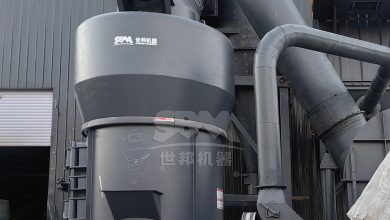
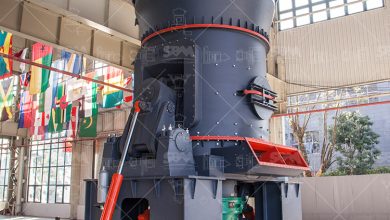
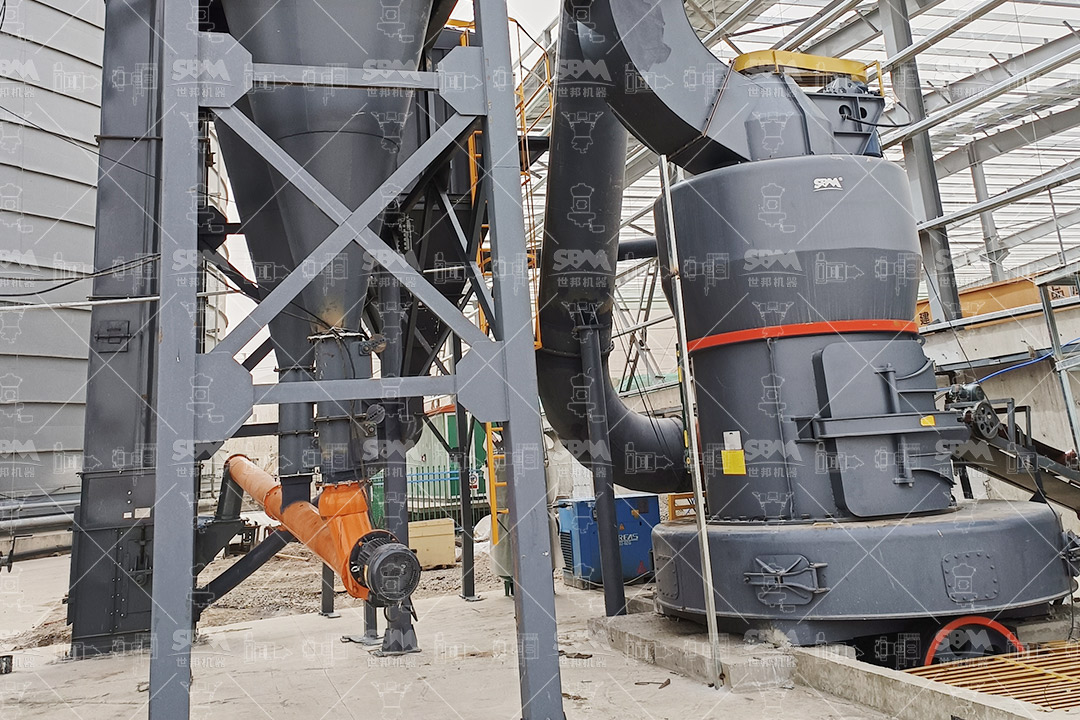
For this initial size reduction from run-of-mine ore to a coarse powder, robust and high-capacity crushing and grinding equipment is essential. Our MTW Series Trapezium Mill is an excellent choice for this stage. With an input size of up to 50mm and a processing capacity ranging from 3 to 45 tons per hour (depending on the model), it can efficiently handle the initial grinding requirements. Its durable design, featuring wear-resistant components and an optimized curved air duct, ensures stable operation and low maintenance costs, providing a consistent feed for downstream processing.
Step 2: Limestone Calcination
Simultaneously, high-purity limestone (CaCO3) is calcined in a rotary kiln or vertical shaft kiln at temperatures between 900°C and 1200°C. This process drives off carbon dioxide (CO2), producing reactive quicklime (CaO). The quality of the lime (its reactivity and purity) significantly impacts the efficiency of the main roasting step.
Step 3: Mixing and Pelletizing (Optional)
The finely ground spodumene concentrate is intimately mixed with the freshly calcined quicklime (CaO). The typical mixing ratio is based on the stoichiometry of the desired reaction, often with a slight excess of lime (e.g., a molar ratio of CaO:Li2O around 1.1:1 to 1.3:1). To improve heat transfer and reaction efficiency during roasting, the mixture is often pelletized or briquetted using a binder (like water or lignosulfonate) to form green pellets of 10-20mm in diameter.
Step 4: The Key Roasting Reaction
The spodumene-lime mixture (or pellets) is fed into a rotary kiln, which is the heart of the process. Roasting occurs at high temperatures, typically between 1050°C and 1100°C, with a residence time of 30 to 60 minutes. Under these conditions, the α-spodumene undergoes a phase transformation to β-spodumene and reacts with calcium oxide in a complex solid-state reaction. The primary reaction can be simplified as:
Li2O·Al2O3·4SiO2 (β-spodumene) + CaO → Li2O·Al2O3·2SiO2 (calcium aluminosilicate) + 2CaO·SiO2 (dicalcium silicate)
The lithium is converted into a soluble form, primarily lithium oxide (Li2O) incorporated into a soluble calcium aluminosilicate phase, while the remaining components form an insoluble clinker matrix of dicalcium silicate and other compounds.
Step 5: Clinker Cooling and Milling
The hot material exiting the kiln, now called clinker, is rapidly cooled (quenched) to ambient temperature, often using air in a cooler. This step helps preserve the soluble lithium phases and makes the material easier to handle. The cooled clinker is then finely ground to increase the surface area for the subsequent leaching step. The target fineness is usually around 90% passing 325 mesh (45 μm).
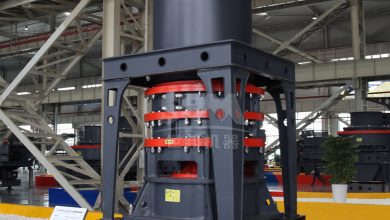
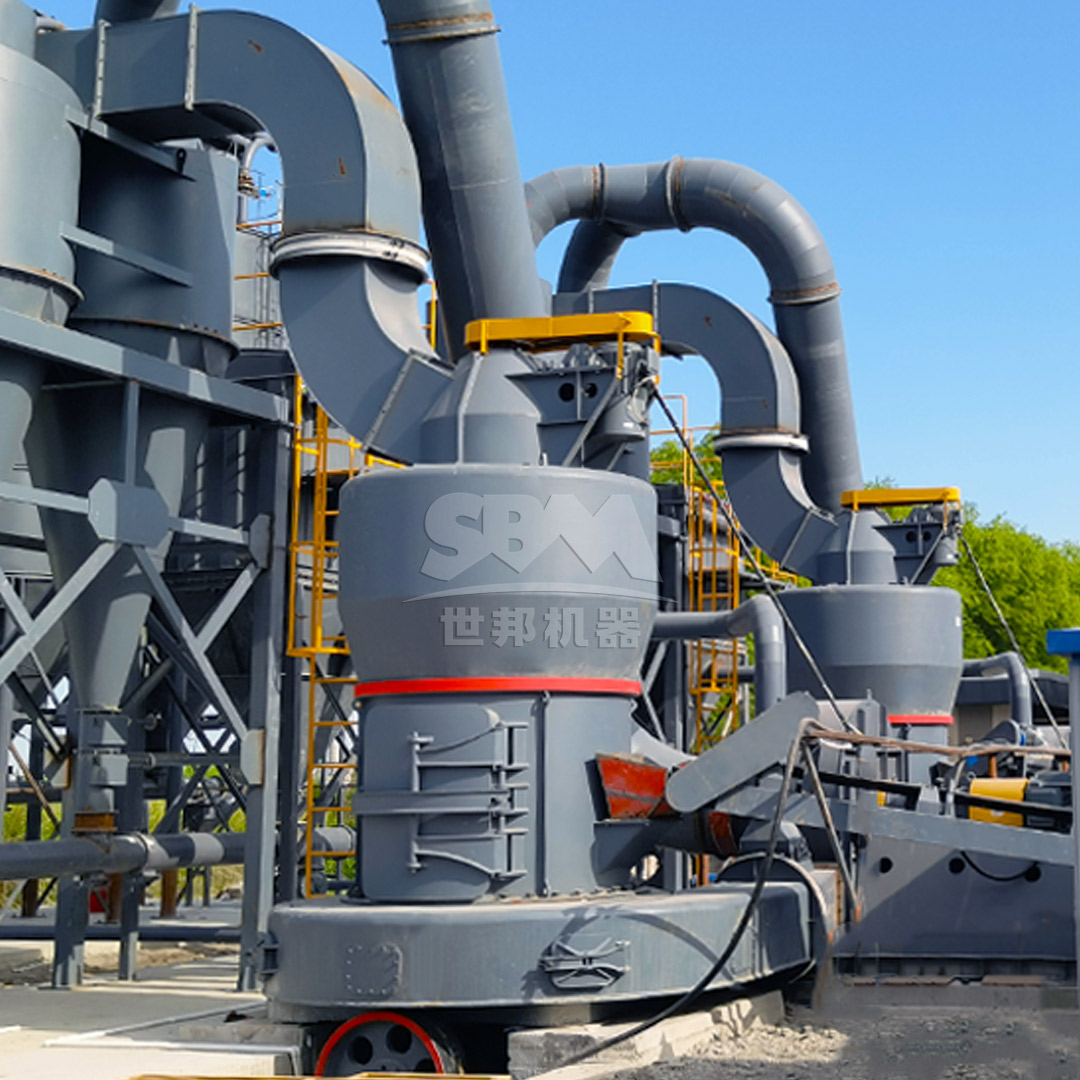
This is another critical milling stage where efficiency and precision are paramount. For achieving the required ultra-fine powder, our SCM Ultrafine Mill is the ideal solution. Capable of producing powders from 325 to 2500 mesh (D97 ≤ 5μm), it ensures the clinker is ground to an optimal fineness for maximum lithium extraction. Its high-precision vertical turbine classifier guarantees a uniform product without coarse particle contamination, while its energy-efficient design (30% lower energy consumption compared to jet mills) significantly reduces operational costs.
Step 6: Water Leaching
The finely ground clinker is mixed with water in agitated leaching tanks. The soluble lithium compounds dissolve into the aqueous phase. The leaching is typically conducted at temperatures between 80°C and 90°C for several hours to maximize lithium recovery. The slurry from the leaching tanks is then fed to thickeners and filters to separate the pregnant leach solution (PLS), rich in lithium ions, from the solid residue (mainly calcium silicate and alumina-silicate compounds).
Step 7: Solution Purification
The PLS contains lithium along with impurities such as calcium, magnesium, sodium, and aluminum ions. Purification is achieved through a series of chemical precipitation steps. First, lime milk (Ca(OH)2) is often added to precipitate aluminum and other amphoteric metals as hydroxides. Subsequently, sodium carbonate (Na2CO3) may be added to remove residual calcium as calcium carbonate (CaCO3). The solution is filtered after each precipitation step to remove the impurity solids.
Step 8: Lithium Carbonate Precipitation
The purified lithium-rich solution is transferred to precipitation reactors. A concentrated hot sodium carbonate (Na2CO3) solution is added under controlled conditions (temperature near boiling, typically 90-95°C, and vigorous agitation). This causes the precipitation of relatively insoluble lithium carbonate:
2Li+ (aq) + CO32- (aq) → Li2CO3 (s)
The precipitation is slow and requires careful control of concentration, temperature, and pH to produce coarse, easily filterable crystals of high purity.
Step 9: Solid-Liquid Separation, Washing, and Drying
The lithium carbonate slurry is filtered using vacuum belt filters or filter presses. The filter cake is washed with hot deionized water to remove residual sodium and other soluble impurities. The washed cake is then dried in rotary dryers or fluidized bed dryers at temperatures of 120-200°C to produce a technical-grade lithium carbonate powder with a moisture content below 0.5%.
Step 10: Further Purification (If Battery-Grade Required)
To produce battery-grade lithium carbonate (≥99.5% purity), the technical-grade product undergoes further purification. This often involves re-dissolution in carbonated water (under a CO2 atmosphere to form soluble lithium bicarbonate), a second round of impurity removal via ion exchange or solvent extraction, and re-precipitation by heating the bicarbonate solution to drive off CO2. The final product is filtered, washed, and dried under stringent conditions.
Conclusion
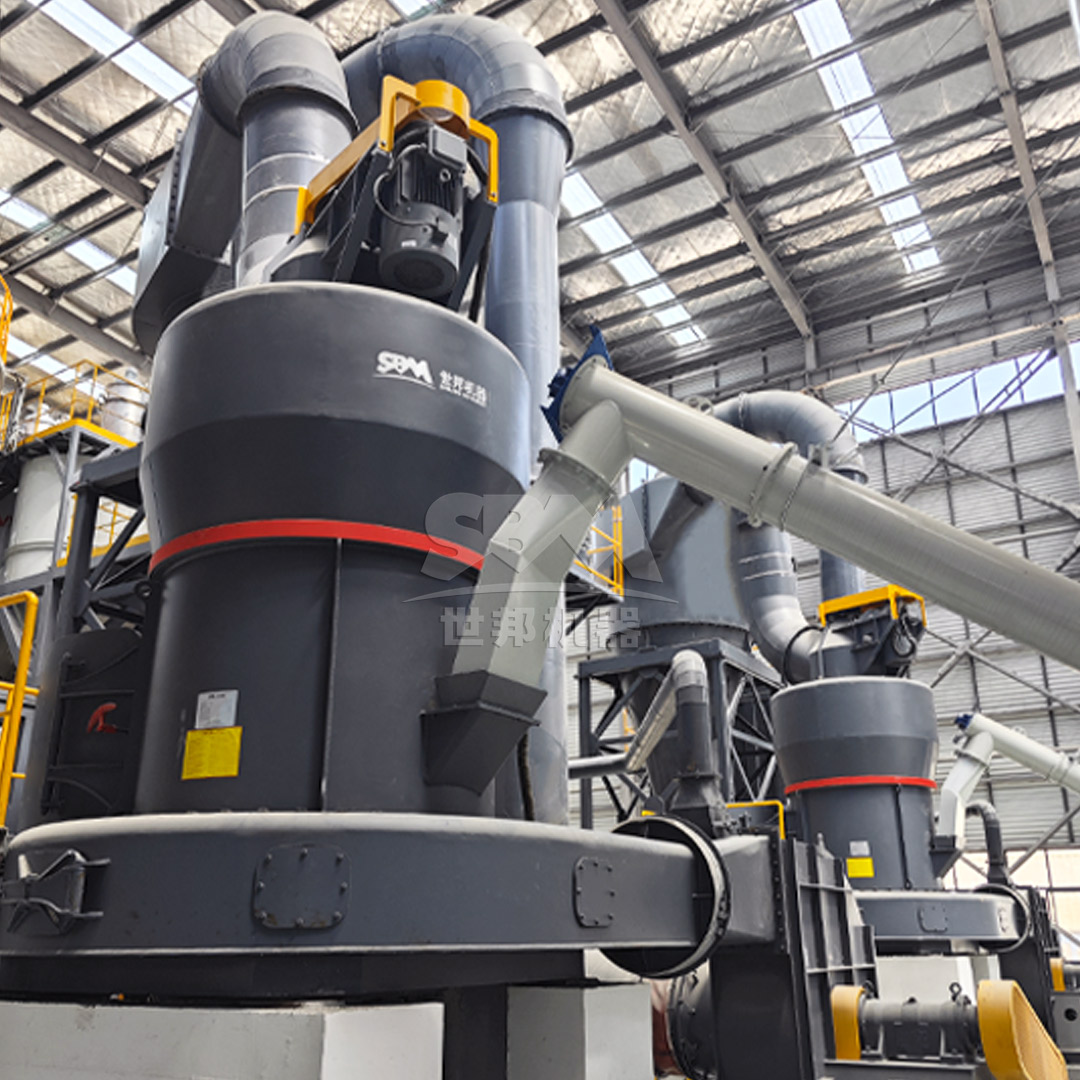
The limestone roasting process remains a cornerstone of lithium extraction from hard rock minerals. Its success hinges on precise control over every unit operation, from the initial particle size reduction of the ore and limestone to the final precipitation and drying of the carbonate. Selecting reliable, efficient, and precise equipment for the comminution stages—such as our MTW Series Trapezium Mill for coarse grinding and the SCM Ultrafine Mill for fine and ultra-fine grinding of clinker—directly contributes to higher lithium recovery, lower energy consumption, and a more consistent final product quality, ensuring the economic viability of the entire operation.